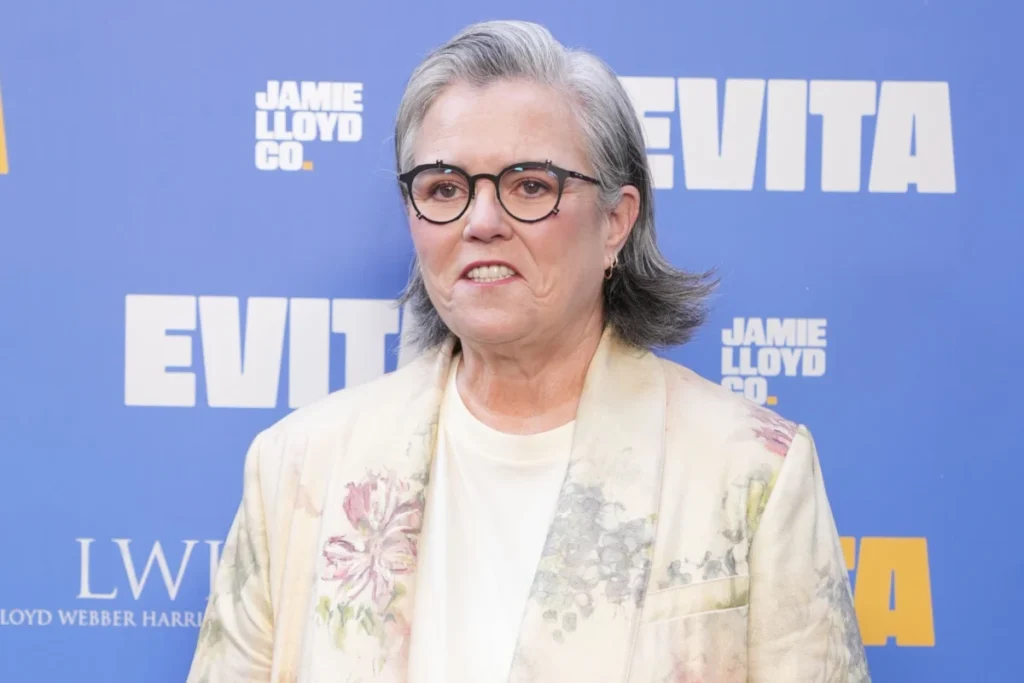

Veteran US talk show host, actress, and comedian Rosie O’Donnell has openly shared details of her significant health transformation, revealing a nearly 30-kilogram weight loss attributed to the prescription medication Mounjaro and a subsequent deep plane lower facelift. The 64-year-old entertainment icon’s candid disclosure, made during an interview with People magazine, has ignited discussions around modern weight management solutions, cosmetic surgery, and the evolving dialogue on body image and self-acceptance, particularly for women in the public eye.
Rosie O’Donnell’s Personal Health Revelation
O’Donnell, widely recognized for her eponymous daytime TV program and her tenure on The View, described Mounjaro as life-changing. "Mounjaro changed my life. I couldn’t even pronounce it at first," she quipped, reflecting on her journey. Her decision to use the medication stemmed from a diagnosis of Type 2 diabetes three years ago. The medication, she explained, had a profound effect on what she termed "food noise"—the persistent thoughts and cravings related to eating that had plagued her throughout her life. "I’ve had trouble with my weight my whole life. I know the shame and humiliation dealt to people who are overweight," O’Donnell stated, offering a poignant insight into her personal struggles and the broader societal challenges faced by individuals managing their weight.
The profound impact of her weight loss extended beyond health benefits, leading to a new physical reality. O’Donnell revealed that the significant reduction in weight left her with "a lot of excess skin" around her chin and neck area, which she felt "made me look sad." This cosmetic concern ultimately prompted her to undergo a deep plane lower facelift. Her decision to pursue surgery, however, was not without internal conflict, particularly given her long-standing identity as a feminist.

The Evolution of Weight Management: Understanding Mounjaro
Mounjaro, scientifically known as tirzepatide, is a once-weekly injectable prescription medication that has rapidly gained prominence in the treatment of Type 2 diabetes and, more recently, for chronic weight management. Developed by Eli Lilly, tirzepatide is a novel drug that acts as a dual glucose-dependent insulinotropic polypeptide (GIP) and glucagon-like peptide-1 (GLP-1) receptor agonist. This dual action distinguishes it from earlier GLP-1 receptor agonists like semaglutide (marketed as Ozempic for diabetes and Wegovy for weight loss).
By activating both GIP and GLP-1 receptors, Mounjaro helps regulate blood sugar, slows gastric emptying, and reduces appetite by promoting feelings of fullness. Clinical trials for tirzepatide have demonstrated remarkable efficacy. In the SURMOUNT-1 trial, participants without diabetes who received the highest dose of tirzepatide achieved an average weight reduction of 22.5% (approximately 24 kg) over 72 weeks. For individuals with Type 2 diabetes, like O’Donnell, trials such as SURPASS-1 and SURPASS-2 also showed superior A1C and weight reductions compared to other diabetes medications.
The rapid rise of these GLP-1 agonists has been hailed as a significant breakthrough in the fight against obesity and Type 2 diabetes, conditions that affect millions globally. According to the World Health Organization (WHO), global obesity rates have nearly tripled since 1975, presenting a major public health challenge. The introduction of highly effective pharmacological interventions like Mounjaro offers new hope for patients who have struggled with traditional weight loss methods. However, the drugs also come with considerations regarding cost, potential side effects (nausea, diarrhea, constipation are common), and the need for long-term adherence and lifestyle changes.
O’Donnell’s experience echoes that of many others who have found success with these new medications. Her description of Mounjaro quieting "food noise" is a common sentiment among users, highlighting the drug’s ability to address the psychological component of overeating by reducing cravings and preoccupation with food. This aspect is particularly vital for individuals with a lifelong history of weight management challenges.

Hollywood and Body Image: A Historical Context
Rosie O’Donnell’s candidness about her weight journey extends to past professional experiences. She recalled a particularly impactful moment during the filming of the 1992 hit film A League Of Their Own, where director Penny Marshall told her, "Rosie, I want you to lose 20lbs." O’Donnell’s reaction at the time—"You think I carry it around for fun, Penny?"—underscored the frustration and pressure many actors, especially women, face in Hollywood regarding their physical appearance.
This anecdote highlights a pervasive issue within the entertainment industry, where conventional beauty standards often dictate career trajectories and self-perception. For decades, actors have been subjected to intense scrutiny and pressure to conform to specific body types, leading to a complex relationship with food, exercise, and body image. O’Donnell’s reflection on wishing she could have enjoyed her size at the time, juxtaposed with her current feeling of being "much healthier, more powerful in my own physicality" at the same weight, speaks volumes about the internal shift in perspective that accompanies improved health and well-being. It underscores that health is not merely a number on a scale but a holistic sense of physical and mental empowerment.
The Decision for Cosmetic Surgery: Feminism and Bodily Autonomy
Beyond her weight loss, O’Donnell also shed light on her decision to undergo a deep plane lower facelift. This procedure, which involves lifting deeper facial tissues rather than just the skin, is known for creating more natural and longer-lasting results, particularly for addressing significant skin laxity following substantial weight loss. For O’Donnell, the excess skin around her chin was not merely a cosmetic concern; it visually conveyed a sadness she didn’t feel internally.

Her journey to the operating table was marked by introspection and a wrestling with her feminist principles. "I had to wrestle with myself because as a feminist I always felt this is the male gaze and not anything I believe in," she confessed. The initial hesitation was further amplified by her youngest child, Clay, who reportedly told her "girls look up to you," prompting her to reconsider the procedure for six months.
However, O’Donnell ultimately concluded that the "real power of feminism (is) to decide what we want to do with our bodies and when." This statement articulates a crucial aspect of modern feminist discourse: the emphasis on individual agency and bodily autonomy. It posits that a woman’s choice to enhance her appearance, whether for personal satisfaction, professional reasons, or to address physical changes, is a valid exercise of her self-determination, irrespective of external societal pressures or traditional interpretations of feminist ideals.
Her decision to openly discuss the facelift, including its substantial cost of $90,000, was also deliberate. She refused to be one of those celebrities who claim "Oh, nothing" when complimented on their improved appearance. By revealing the financial investment, O’Donnell aimed to foster transparency and counter the often-unrealistic narratives surrounding celebrity transformations. "I was worried about the cost. I don’t like to waste money. I would never spend that on a car," she elaborated, grounding the high-cost procedure in a relatable context for her audience.
Broader Implications and Societal Dialogue
Rosie O’Donnell’s dual revelation taps into several significant societal trends and discussions. The widespread adoption of GLP-1 agonists like Mounjaro, Ozempic, and Wegovy has created what some have termed the "Ozempic effect," leading to a noticeable shift in weight loss strategies and, consequently, an impact on related industries. Plastic surgeons, for instance, have reported an increase in requests for procedures to address excess skin following significant weight loss, a phenomenon colloquially known as "Ozempic face" or "Ozempic body." O’Donnell’s facelift is a direct example of this emerging trend.

The celebrity endorsement, whether explicit or implicit, of these medications and procedures also plays a critical role in shaping public perception. O’Donnell joins a growing list of public figures, including Jeremy Clarkson, Dame Prue Leith, and Sharon Osbourne, who have openly discussed their use of weight-loss medications. While such openness can help destigmatize conversations around obesity and medical interventions, it also raises questions about accessibility, affordability, and the potential for these drugs to be perceived as quick fixes rather than components of comprehensive health plans.
The cost of Mounjaro, like other GLP-1 agonists, can be prohibitive for many without robust insurance coverage. Similarly, a $90,000 facelift remains out of reach for the vast majority of the population. This disparity highlights ongoing challenges in equitable access to advanced healthcare and aesthetic treatments, raising ethical considerations about who benefits most from these medical advancements.
Rosie O’Donnell’s Enduring Legacy and Public Service
Throughout her almost five-decade career, Rosie O’Donnell has consistently leveraged her platform to discuss personal issues, advocate for social causes, and connect with audiences on a deeply human level. Rising to fame after her appearance on Star Search in the 1980s, she solidified her status as a household name with The Rosie O’Donnell Show (1996-2002), where her warm, authentic, and often humorous style resonated widely. She later contributed her strong voice to The View and graced the silver screen in memorable films such as Sleepless In Seattle, The Flintstones, Exit To Eden, and Beautiful Girls.
Her decision to share such personal details about her health and appearance aligns with her established public persona of honesty and relatability. By openly discussing the complexities of her weight loss journey, her Type 2 diabetes diagnosis, her feminist struggle with cosmetic surgery, and even the financial implications, O’Donnell continues to serve as a catalyst for important public conversations. Her narrative underscores that health, body image, and self-worth are multifaceted, deeply personal experiences, often influenced by a complex interplay of medical advancements, societal pressures, and individual choices. As medical science continues to offer new solutions for long-standing health challenges, the dialogue initiated by figures like Rosie O’Donnell remains crucial for fostering understanding, empathy, and informed decision-making in the public sphere.