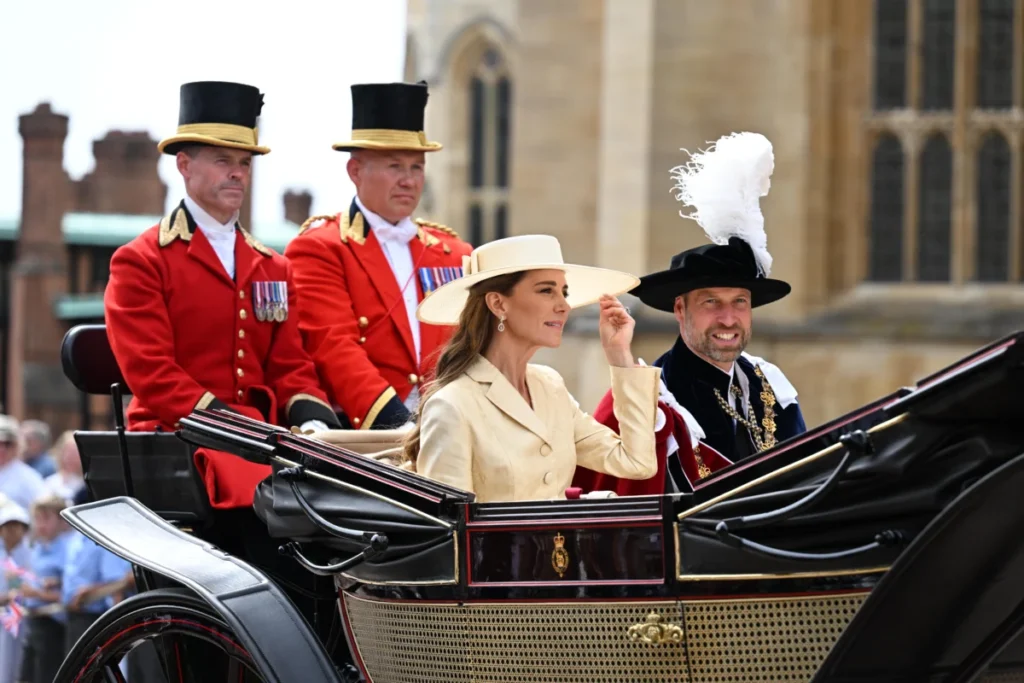

The Princess of Wales joined members of the British Royal Family at Windsor Castle for the annual Garter Day service, an event steeped in nearly seven centuries of tradition and royal pageantry. Attending the ceremony at St George’s Chapel, Catherine appeared alongside senior royals to witness the installation of new companions to the Most Noble Order of the Garter. The event, which serves as a cornerstone of the royal summer calendar, highlights the continuity of the monarchy through one of the oldest and most prestigious orders of chivalry in the world.
Historical Significance of the Order of the Garter
The Most Noble Order of the Garter was founded by King Edward III in 1348. It is the oldest and most senior Order of Chivalry in the United Kingdom, limited to the Sovereign, the Prince of Wales, and no more than 24 living "Knights or Ladies Companion." Membership is a gift of the Sovereign, awarded to recognize those who have held public office, contributed in a particular way to national life, or served the Sovereign personally.
The annual service at Windsor Castle is the public face of the Order. The day typically begins with the Sovereign formally investing new Companions with the Order’s insignia in the Throne Room of Windsor Castle. This is followed by a private lunch for the Knights and Ladies, after which they process on foot to St George’s Chapel for the service. The procession is a grand display of ceremonial dress, featuring velvet robes, plumed hats, and the distinctive blue garter from which the Order takes its name.
The Princess of Wales’s Attire: A Study in Sustainable Luxury
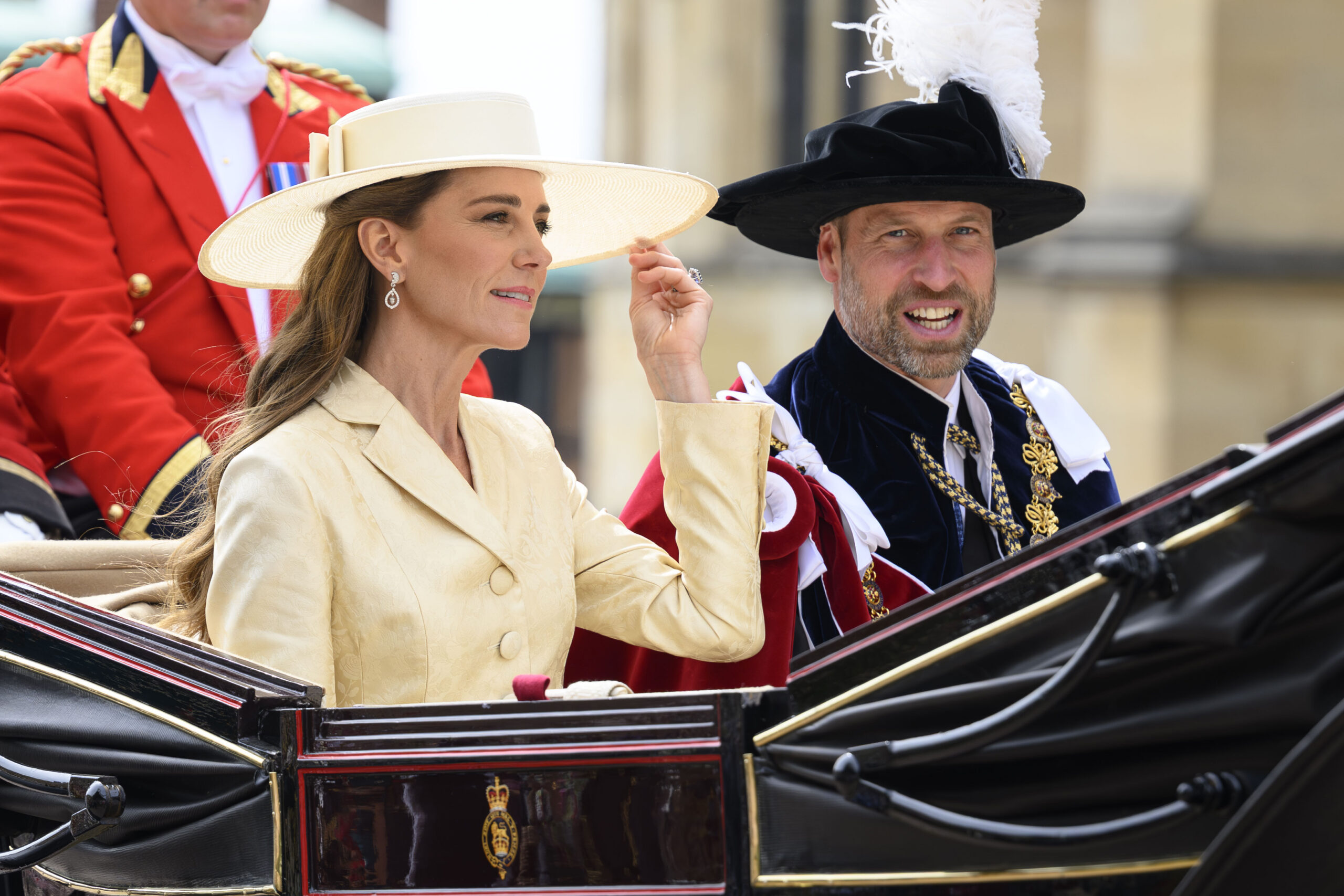
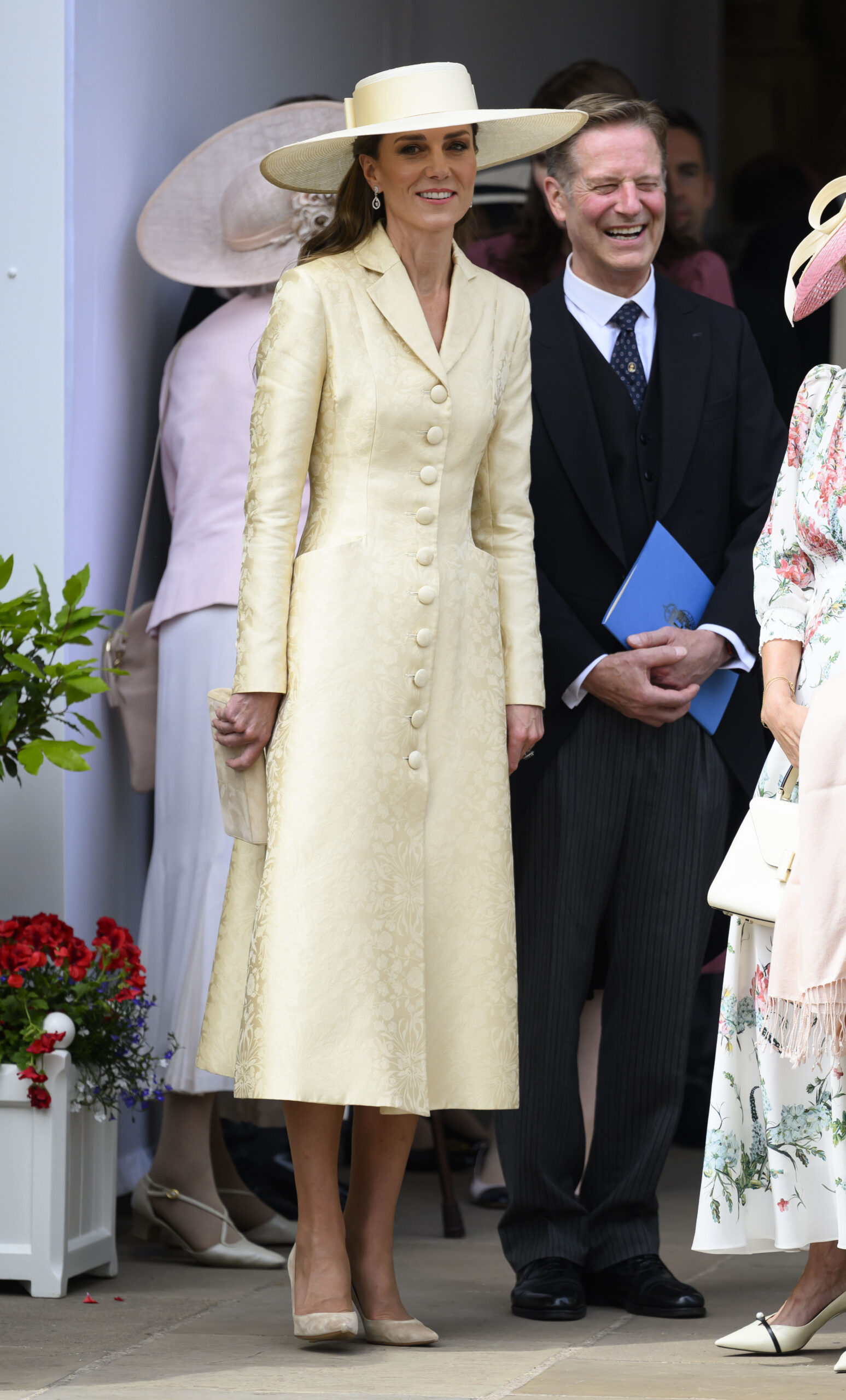
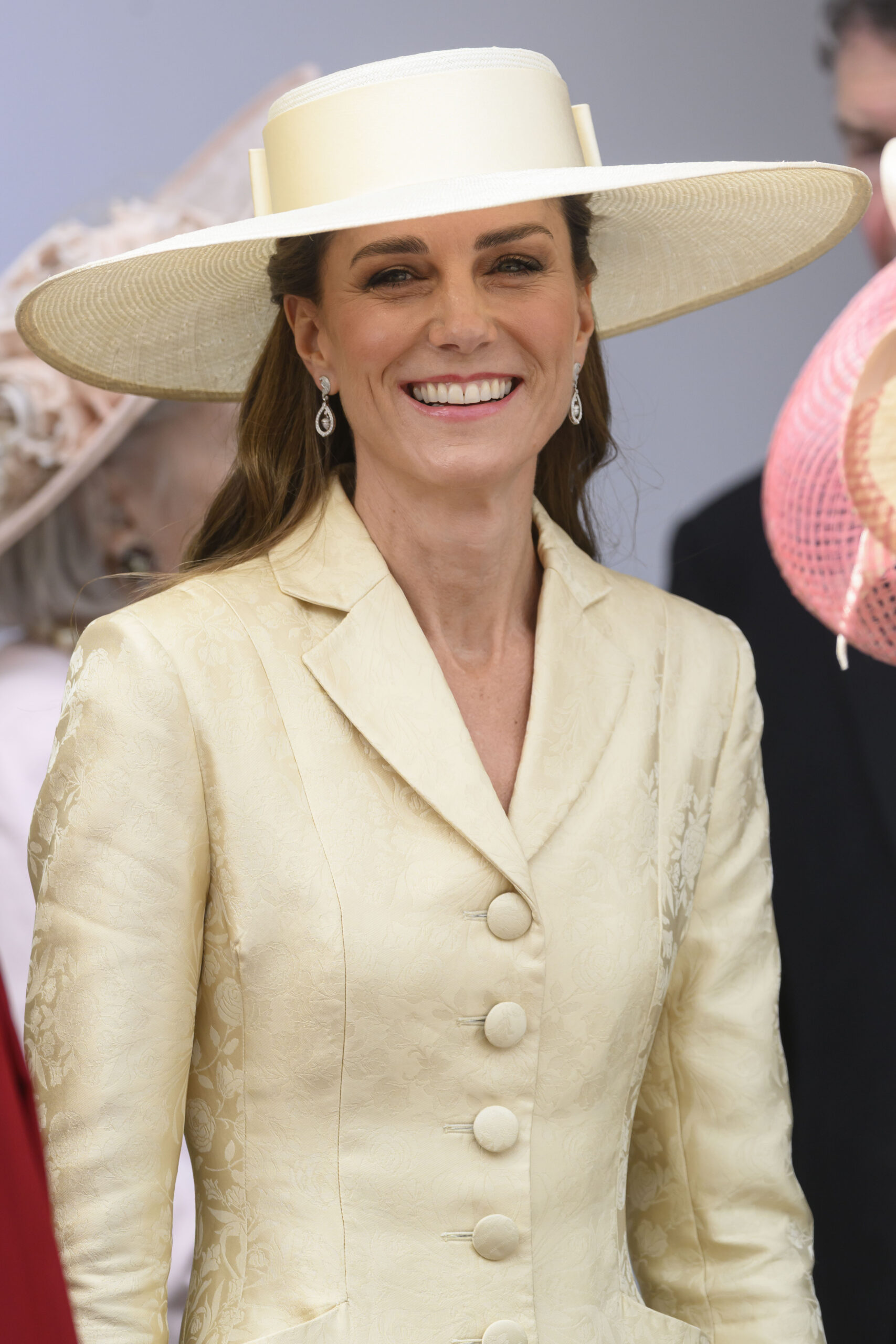
For the 2026 service, the Princess of Wales selected a custom coatdress by Patrick McDowell, a designer known for his commitment to sustainable fashion and circularity within the industry. The garment, rendered in a soft, "buttery" yellow, featured a subtle jacquard pattern—a departure from the solid-colored silks and wools often favored by the Princess for high-profile state events.
The choice of Patrick McDowell is significant, reflecting a broader trend within the Royal Family to align with environmentally conscious designers. McDowell, an advocate for reducing the carbon footprint of luxury fashion, often utilizes recycled materials and ethical production methods. By commissioning a custom piece from such a designer, the Princess reinforces the monarchy’s ongoing messaging regarding environmental stewardship.
The coatdress followed the Princess’s signature silhouette: a tailored bodice, defined waist, and a structured skirt falling just below the knee. While the jacquard texture added a layer of visual complexity, the pastel hue adhered to the Princess’s recent preference for softer palettes during daytime engagements.
Evolution of Millinery and Styling Choices
Complementing the ensemble was a wide-brimmed hat by Jane Taylor, a milliner whose work has been a staple of the Princess’s wardrobe for over a decade. In recent years, fashion analysts have noted a strategic shift in Catherine’s headwear choices. While she was once frequently seen in fascinators and smaller cocktail hats, she has increasingly opted for larger, more traditional hats that offer greater presence and, practically, more sun coverage.
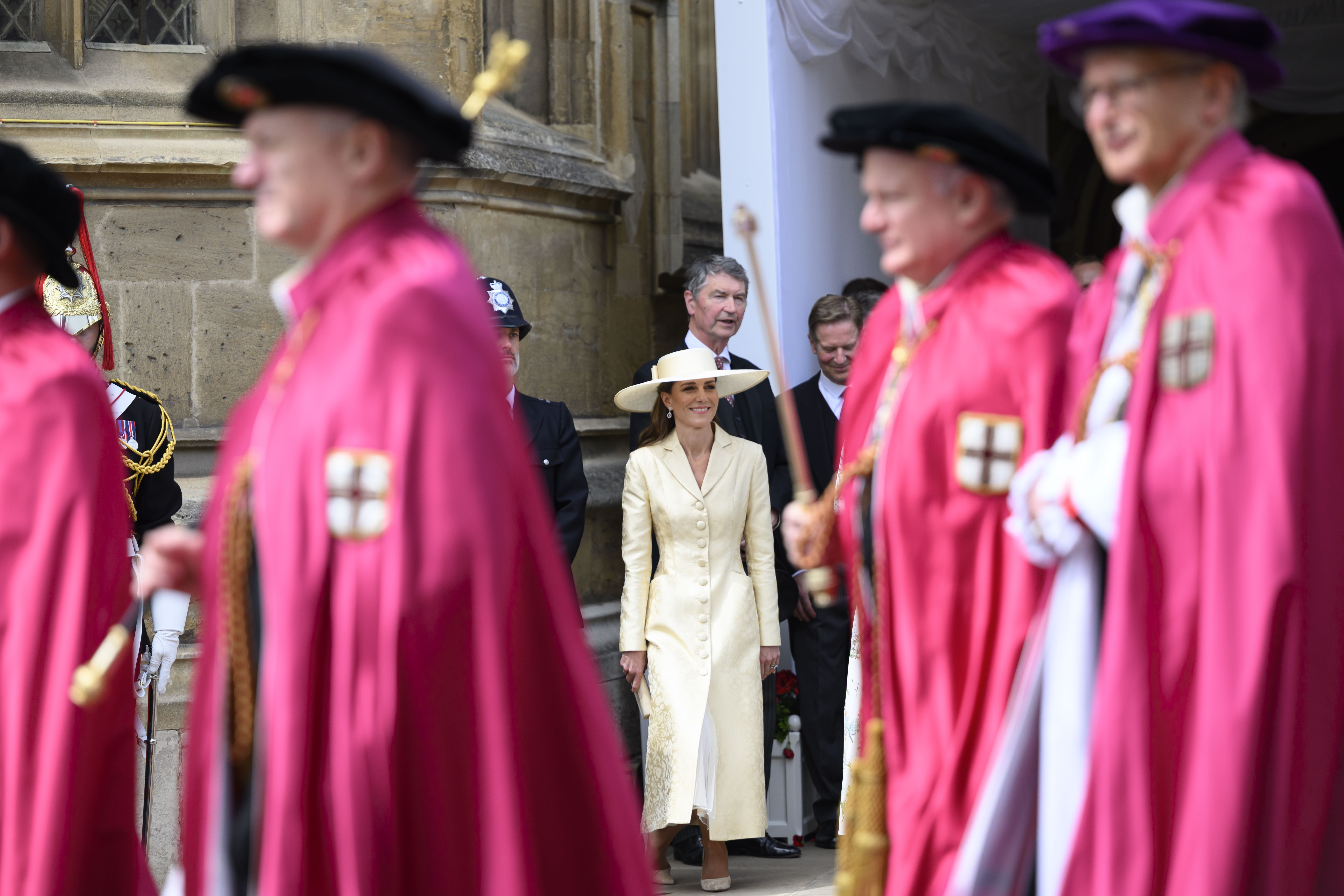
The hat featured architectural lines that balanced the softness of the yellow jacquard. However, the styling of the Princess’s hair—worn down in loose waves—has sparked discussion among royal style observers. Historically, formal millinery at events as prestigious as the Garter Service is often paired with an "updo" to emphasize the neckline of the garment and the structure of the hat. The decision to wear her hair down created a more contemporary, perhaps less formal, aesthetic than in previous years.
Her accessories included earrings by Cassandra Goad and her frequently worn Gianvito Rossi pumps. The choice of footwear, a neutral staple in her wardrobe, ensured that the focus remained on the intricate fabric of the coatdress.
Chronology of the Garter Day Proceedings
The events of the day followed a strict protocol that has remained largely unchanged for decades.
- The Investiture: In the morning, King Charles III met with the Knights and Ladies of the Garter in the Throne Room. During this private ceremony, any new members were formally invested with the Order’s robes and insignia.
- The Royal Luncheon: Following the investiture, the Sovereign hosted a lunch in the Waterloo Chamber for the members of the Order and their guests.
- The Procession: At approximately 2:45 PM, the procession began. Led by the Constable and Governor of Windsor Castle and the Military Knights of Windsor, the members of the Order walked from the Quadrangle down to St George’s Chapel. The Princess of Wales, who is not a member of the Order but attends as the spouse of the Prince of Wales, watched the procession alongside other members of the Royal Family who do not hold Garter knighthoods.
- The Service: The service at St George’s Chapel included the installation of new members and traditional prayers for the Order.
- The Carriage Departure: After the service, the Royal Family departed the chapel in horse-drawn carriages, returning to the Upper Ward of the castle. This provides the primary opportunity for the public gathered within the castle grounds to view the senior royals.
Key Participants and Notable Absences
The 2026 service saw the attendance of the core working members of the Royal Family. King Charles III and Queen Camilla led the procession, both wearing the traditional blue velvet mantles and black velvet hats with white ostrich plumes. The Prince of Wales, a Knight of the Garter, also processed in full regalia.
Other attendees included the Duke and Duchess of Edinburgh and the Princess Royal. As has been the case in recent years, the attendance list was strictly limited to working royals and members of the Order, maintaining the "slimmed-down" appearance of the monarchy that has characterized the current reign. This focus on the "non-controversial" members of the family is seen by many as a move to project a sense of stability and unity to the public.
Analysis: The Role of Fashion in Royal Diplomacy
The Princess of Wales’s fashion choices are rarely purely aesthetic; they often serve as a form of non-verbal communication. The choice of yellow, a color frequently associated with optimism and warmth, may be interpreted as a move to project a positive and approachable royal image. Furthermore, the selection of a British designer like Patrick McDowell supports the domestic fashion industry, a key tenet of royal public duties.
The shift toward pastels and larger hats in 2026 suggests a deliberate evolution of her "Princess of Wales" uniform. By moving away from the more youthful fascinators of her earlier years as the Duchess of Cambridge, she is cultivating a more mature, stately image appropriate for her role as the future Queen Consort.
The use of jacquard fabric, while criticized by some for its complexity, demonstrates a willingness to experiment with traditional textiles in a modern context. It also highlights the craftsmanship involved in royal wardrobing, where bespoke garments are designed to withstand the scrutiny of high-definition cameras and the demands of long, outdoor ceremonial events.
Public and Media Reaction
The reaction to the Princess’s appearance has been largely positive, with media outlets focusing on the elegance and seasonal appropriateness of her attire. Royal commentators have noted that her presence at the Garter Service provides a sense of continuity for the institution. As the Prince and Princess of Wales take on more responsibilities, their participation in these ancient ceremonies is vital for maintaining the link between the monarchy’s past and its future.
Industry data suggests that the "Kate Effect" remains a potent force in the fashion economy. Whenever the Princess wears a specific designer, there is typically a significant surge in search traffic and sales for that brand. For a smaller, sustainability-focused brand like Patrick McDowell, the exposure gained from a Garter Day appearance is invaluable, potentially shifting consumer interest toward more ethical luxury options.
Conclusion: Continuity and Change
The Royal Order of the Garter service remains one of the most visually spectacular events in the British ceremonial calendar. For the Princess of Wales, it is an occasion to balance the weight of tradition with the nuances of modern style. Her appearance at Windsor Castle in 2026 underscores her role as a central figure in the Royal Family, one who respects the protocols of the past while subtly modernizing the royal image through her choice of designers and her public presentation.
As the monarchy continues to navigate its role in the 21st century, events like Garter Day serve as a reminder of the historical foundations upon which the institution is built. The blend of ancient chivalry and modern sustainable fashion seen on the grounds of Windsor Castle reflects a monarchy that is aware of its heritage but remains attentive to the values of the present day.