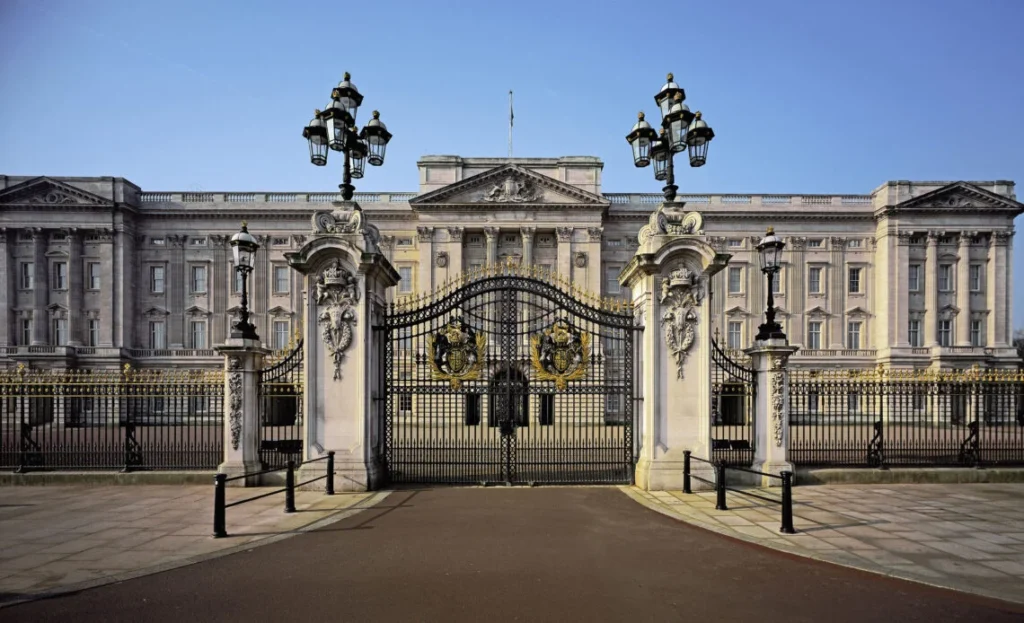

Buckingham Palace has confirmed the continuation of a deeply ingrained royal tradition, as His Majesty King Charles III officially discharged one of his most significant constitutional duties: the appointment of a new Prime Minister. On July 20, 2026, the King received Mr. Andrew Burnham at Buckingham Palace and formally invited him to form a government, marking a pivotal moment in the nation’s political landscape. The Palace’s statement highlighted that "Andrew Burnham MP accepted The King’s offer and kissed hands upon his appointment," a phrase steeped in centuries of British constitutional history.
The Ancient Rite of "Kissing Hands"
The act of "kissing hands" is a symbolic gesture that has accompanied the appointment of a new Prime Minister for generations. Historically, it signified a direct, personal pledge of fealty and service from the incoming premier to the reigning monarch. While the precise interpretation and execution of this tradition have evolved over time, its core meaning – the formal acceptance of royal authority to lead the government – remains undiminished.
Contemporary understanding suggests that a handshake may now suffice in place of the literal kissing of the monarch’s hand, although the exact protocol remains a closely guarded secret, known only to the individuals directly involved. This subtle shift reflects the changing social norms and the modern, less overtly deferential, relationship between the sovereign and their First Minister. Nevertheless, the symbolic weight of the act endures, underscoring the monarch’s ultimate, albeit largely ceremonial, role in government formation.
Photographic evidence, though capturing the initial audience between the monarch and the prime minister-designate, only offers a glimpse of the external proceedings. The crucial moment of appointment, including the symbolic "kissing of hands," takes place in the private chambers of Buckingham Palace, shielded from public view. It is entirely plausible that within the dignified confines of the Palace, Mr. Burnham adhered to the traditional gesture, bowing and kissing the King’s hand upon receiving the commission to form a government.
The Monarch’s Constitutional Prerogative
The King’s role in appointing a Prime Minister is one of the most fundamental aspects of the British constitutional monarchy. While the monarch is technically free to choose any individual they deem capable of forming a government, this power is exercised strictly in accordance with established constitutional conventions and the democratic will of the people. The sovereign’s duty is to invite the leader of the political party or coalition most likely to command a majority in the House of Commons to form a government. This process ensures the continuity of governance and upholds the principle of parliamentary sovereignty.
Andy Burnham’s Ascent to Number 10
Mr. Andrew Burnham’s appointment follows his successful and unopposed election as the leader of the Labour Party. With the Labour Party securing a significant majority in the House of Commons, Mr. Burnham, as its new leader, is unequivocally the individual best positioned to form a stable and effective government. His presence at Buckingham Palace signifies his transition from party leader to the nation’s chief executive.
The smooth and swift transition of power was facilitated by the outgoing Prime Minister, Sir Keir Starmer, who formally tendered his resignation to the King prior to Mr. Burnham’s audience. The visual juxtaposition of Sir Keir Starmer’s departure from Buckingham Palace and Mr. Burnham’s arrival underscored the seamless nature of this constitutional transfer. The entire process, while brief in its public manifestation, hinges entirely on the King’s constitutional authority to sanction the change in leadership.
A Brief Chronology of the Appointment
- Morning of July 20, 2026: Outgoing Prime Minister Sir Keir Starmer travels to Buckingham Palace to tender his resignation to King Charles III.
- Late Morning/Early Afternoon: Following Sir Keir Starmer’s departure, Mr. Andrew Burnham is received by His Majesty King Charles III at Buckingham Palace.
- The Audience: During the private audience, King Charles III formally invites Mr. Andrew Burnham to form a government.
- Symbolic Acceptance: Mr. Burnham accepts the King’s offer, symbolically "kissing hands" upon his appointment as Prime Minister.
- Public Announcement: Buckingham Palace issues a statement confirming the appointment and the continuation of the tradition.
- Subsequent Actions: Mr. Burnham proceeds to 10 Downing Street to begin the process of forming his government.
King Charles’s Residence and Travel
The King’s presence at Buckingham Palace for this significant constitutional event was notable. His Majesty travelled to London from his long-standing personal residence, Highgrove House, in Gloucestershire. Highgrove House, which His Majesty has called home for nearly fifty years, is now part of the Duchy of Cornwall’s estate. As such, King Charles III technically leases the property from his son, Prince William, who is the current Duke of Cornwall. This arrangement highlights the evolving financial and property arrangements within the Royal Family.
Evolving Royal Protocol Under Charles III
The reign of King Charles III has already seen subtle but significant shifts in royal protocol, particularly concerning public appearances with the Prime Minister. A notable departure from his predecessor, Queen Elizabeth II, is the King’s apparent preference for a handshake over the more formal bow or curtsey during public photographs with the newly appointed Prime Minister. While Queen Elizabeth II was consistently photographed with her new Prime Ministers in gestures of deference, King Charles III has been seen engaging in a handshake, suggesting a more contemporary approach to these ceremonial moments. This change, while seemingly minor, reflects a broader evolution in the public perception and presentation of the monarchy.
Broader Impact and Implications
The appointment of a new Prime Minister is a cornerstone of the United Kingdom’s parliamentary democracy. It signals the end of one administration and the beginning of another, ushering in a new policy agenda and set of priorities. For Mr. Andrew Burnham and the Labour Party, this marks the culmination of a significant electoral victory and the opportunity to implement their manifesto promises.
The implications of this transition are far-reaching:
- Policy Direction: The new government will undoubtedly embark on a distinct policy path, impacting areas such as the economy, healthcare, education, and foreign relations. The specifics of Mr. Burnham’s agenda will be closely scrutinised as he begins to assemble his cabinet and outline his legislative priorities.
- Parliamentary Landscape: With a substantial majority, the Labour Party will have considerable latitude to pass legislation. This could lead to significant reforms and a reshaping of the UK’s political and social fabric.
- Public Expectation: The electorate will be keenly observing the new government’s performance, holding them accountable for delivering on campaign promises. The effectiveness of Mr. Burnham’s leadership will be tested by the challenges and opportunities that lie ahead.
- Constitutional Continuity: The seamless transfer of power, facilitated by the monarch, underscores the enduring strength and stability of the UK’s constitutional framework. It demonstrates the monarchy’s vital, albeit symbolic, role in ensuring good governance.
The tradition of the monarch appointing the Prime Minister, while seemingly anachronistic in a modern democracy, serves as a powerful symbol of national unity and the continuity of the state. It is a reminder that beneath the shifting tides of party politics, there exists a constant constitutional authority that underpins the functioning of government. King Charles III’s discharge of this duty on July 20, 2026, reaffirms the enduring significance of this ancient rite in the contemporary United Kingdom.