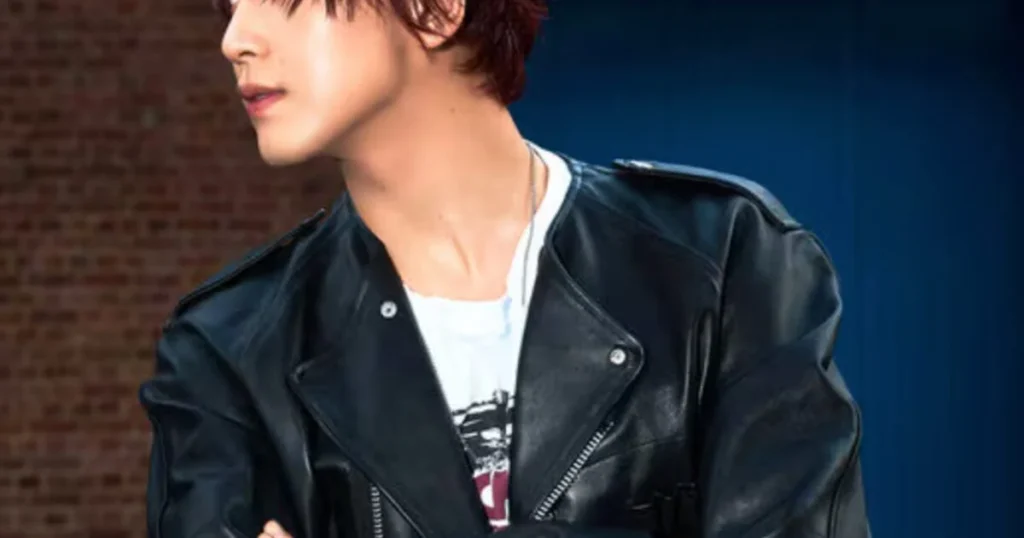

The global K-pop community is currently embroiled in a heated debate following a series of controversial remarks made by Haechan, a prominent member of the multi-unit boy group NCT. During a recent interactive session with fans on social media, the idol provided weight loss advice that many health professionals and netizens have labeled as "dangerous" and "irresponsible." The incident has reignited long-standing concerns regarding the extreme beauty standards prevalent within the South Korean entertainment industry and the influence that high-profile celebrities exert over their often young and impressionable fanbases.
The Social Media Interaction and Controversial Advice
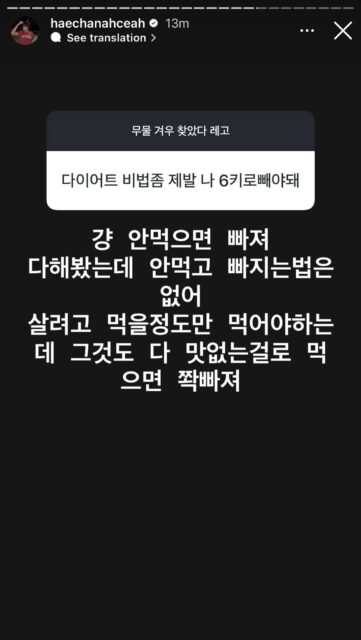
On July 21, 2026, Haechan (born Lee Hae-chan) engaged in a question-and-answer session via his personal Instagram story. These sessions are a common tool used by K-pop idols to foster a sense of intimacy and direct communication with their followers. However, the tone of the interaction shifted when a fan submitted a query seeking guidance on how to lose a specific amount of weight. The fan wrote, "Please give me some diet tips. I need to lose 6 kg."
Haechan’s response was blunt and lacked the cautionary advice typically expected from public figures when discussing health and nutrition. He replied: "If you just don’t eat, you will lose weight. I’ve tried everything, and there is no way to lose weight while still eating. Just eat enough to stay alive, and if you eat things that don’t taste good, the weight will just fall off."
The statement quickly bypassed the confines of Instagram, being screenshotted and shared across various social media platforms, including X (formerly Twitter), Reddit, and several prominent Korean online communities such as Pann and TheQoo. Within hours, the hashtags associated with the idol and the group began trending, though not for the reasons the group’s management, SM Entertainment, would have hoped.
Netizen Backlash and Concerns for Public Health
The reaction from the public was swift and largely critical. While some fans attempted to defend the idol by suggesting he was merely being "honest" about the harsh realities of the K-pop industry, a significant majority expressed disappointment and alarm. Critics pointed out that encouraging starvation—even colloquially—can be devastating for individuals struggling with eating disorders or body dysmorphia.
One viral post on X stated, "NCT Haechan telling fans to just don’t eat to lose weight… Do you know how badly this affects people with eating disorders?" Another user noted the perceived double standard in the industry, arguing that if a female idol had made similar comments, the public outcry would likely have been severe enough to jeopardize her career. "If this was a female idol, Koreans would end her career," the user remarked, highlighting the gendered lens through which idol behavior is often scrutinized.
Health advocates have joined the conversation, noting that the phrase "eat just enough to stay alive" is a hallmark of "pro-ana" (pro-anorexia) rhetoric. Experts suggest that such advice can validate disordered eating behaviors among teenagers who view idols as role models and may attempt to emulate their extreme lifestyles to achieve a similar aesthetic.

Historical Context: The Culture of Extreme Dieting in K-pop
To understand the weight of Haechan’s comments, one must look at the broader context of the K-pop industry. For decades, South Korean entertainment agencies have been criticized for enforcing rigorous and often unhealthy weight requirements on their trainees and active idols. The "ideal" body type for both male and female idols is frequently characterized by extreme slenderness, which is often achieved through "crash diets" before comebacks or major performances.
Historically, several idols have spoken out about the dangerous methods they were forced to employ. For instance, members of the girl group Nine Muses once popularized the "Paper Cup Diet," where an entire meal had to fit into a small disposable cup. Similarly, solo artist IU famously revealed a "diet plan" consisting of one apple for breakfast, two sweet potatoes for lunch, and a protein shake for dinner. BTS member Jimin also previously shared that he once went days without eating during the "Blood Sweat & Tears" era to achieve a sharper jawline, later admitting the practice was detrimental to his health.
Haechan’s comments are seen by many as a reflection of this systemic issue. By stating that there is "no way to lose weight while still eating," he effectively normalized the idea that starvation is the only viable path to fitness—a sentiment that contradicts modern nutritional science, which emphasizes caloric balance, macronutrient intake, and physical activity.
The Impact of Idol Influence and the Parasocial Bond
The controversy highlights the immense power of the "parasocial relationship" in K-pop. Fans often feel a deep, personal connection to idols, viewing them as friends, mentors, or even "ideal" versions of themselves. When an idol like Haechan, who has millions of followers and a massive global reach, shares personal anecdotes about health, many fans take it as gospel.

This influence is particularly potent among younger demographics. According to data from various youth health organizations, social media exposure to "thin-ideal" content is a primary driver of body dissatisfaction. When that content comes directly from a beloved celebrity, the psychological impact is amplified.
Furthermore, Haechan has had his own public health struggles in the past. In early 2023, he took a temporary hiatus from activities due to symptoms of heart palpitations and nervousness. Given his history of health-related breaks, fans expressed additional concern that he might be applying these dangerous dieting methods to himself, further fueling the cycle of unhealthy behavior within the group.
Gender Dynamics and the Industry Double Standard
The backlash also touched upon the persistent gender double standard in the South Korean entertainment industry. Historically, female idols have faced much harsher criticism regarding their weight and dietary habits. Figures like Park Bom, Hwasa, and Jihyo have been subjected to intense public scrutiny for their bodies, often being forced into extreme diets to satisfy "netizen" expectations.
The discourse surrounding Haechan’s comments suggests a growing frustration with how male idols are sometimes given a "pass" for behaviors that would lead to the cancellation of their female counterparts. However, the current backlash indicates a shift in public sentiment, where fans are becoming increasingly unwilling to overlook harmful rhetoric, regardless of the idol’s gender.
Potential Implications for SM Entertainment
As of the time of reporting, SM Entertainment has not issued an official statement regarding the controversy. In the past, agencies have often remained silent on such matters, hoping the news cycle will move on. However, the scale of this particular backlash may require a more proactive response.
Communication experts suggest that agencies need to implement better media training for idols, specifically regarding sensitive topics like mental health, body image, and nutrition. As K-pop continues to expand into Western markets, where there is a heightened awareness of eating disorder triggers and body positivity, comments like Haechan’s can damage a group’s international reputation and brand partnerships.
Chronology of the Controversy
- July 21, 2026, 06:00 KST: Haechan opens an Instagram Q&A session.
- July 21, 2026, 06:15 KST: The controversial response regarding weight loss is posted.
- July 21, 2026, 07:30 KST: Screenshots of the story begin circulating on X and Korean community boards.
- July 21, 2026, 10:00 KST: International fans join the discourse, expressing disappointment in English-speaking forums.
- July 21, 2026, 14:00 KST: The topic becomes a top-trending item on major Korean portals, with netizens debating the ethics of his advice.
Conclusion: A Call for Responsibility
The controversy surrounding Haechan serves as a stark reminder of the responsibilities that come with global stardom. While idols are often victims of the very systems that demand perfection, their platform necessitates a level of caution when discussing health. Promoting starvation as a legitimate weight-loss tool is not only scientifically inaccurate but socially irresponsible.
As the K-pop industry continues to evolve, there is a growing demand for a "health-first" approach. This incident may serve as a catalyst for a broader conversation about how idols communicate with their fans and whether agencies will finally take steps to dismantle the culture of extreme dieting that has plagued the industry for decades. For now, the disappointment among netizens remains high, as they wait to see if Haechan or SM Entertainment will address the harm caused by these remarks.