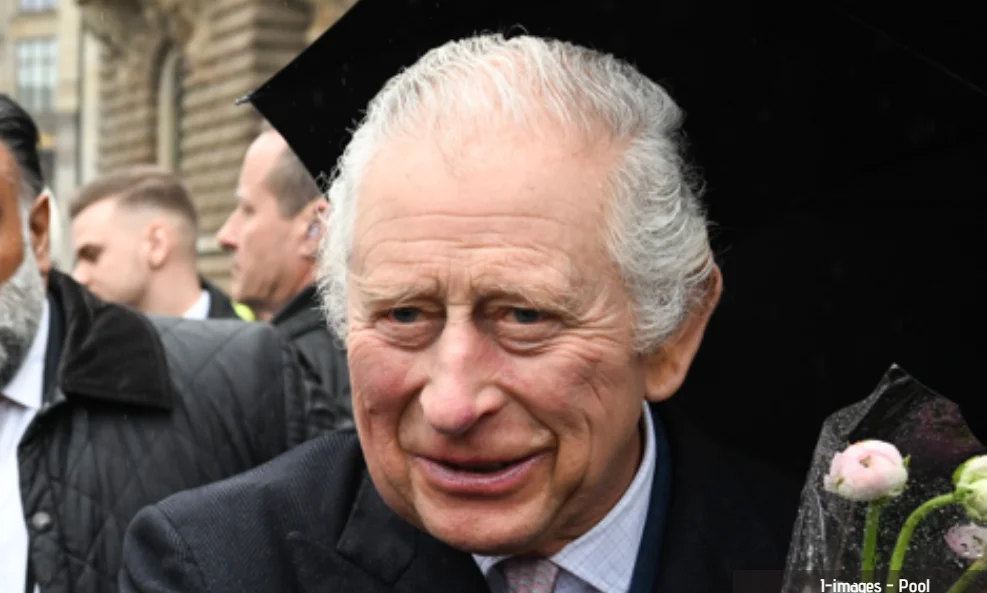

The House of Windsor, a centuries-old institution steeped in tradition, finds itself at a dynamic juncture, marked by subtle yet significant shifts in its public face and its constitutional role. While the nation’s attention often gravitates towards moments of regal splendor and personal milestones, the coming week promises a confluence of events that underscore both the enduring legacy and the evolving nature of the British monarchy. At the heart of these developments is the transition of Prince George, the second in line to the throne, into his teenage years, a personal milestone that carries considerable weight within the royal narrative. Simultaneously, King Charles III is poised to preside over a significant constitutional moment, a stark reminder of the monarchy’s unwavering, albeit often understated, role in the nation’s governance.
Prince George’s Milestone: Embracing the Teenage Years
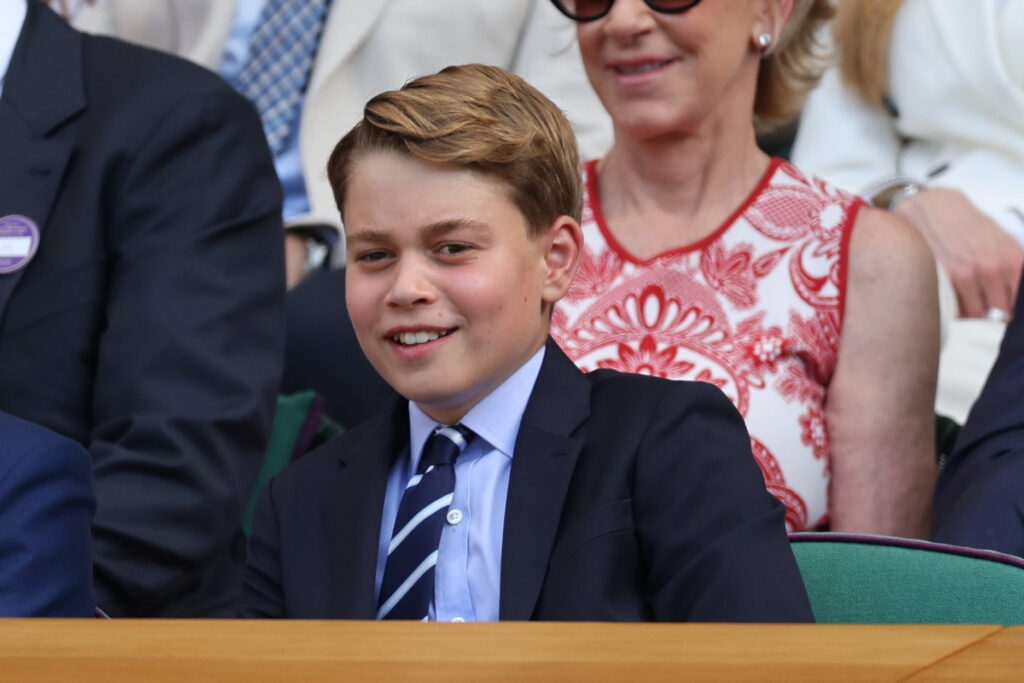
On July 22nd, Prince George of Wales will mark his 13th birthday, officially entering adolescence. This coming-of-age moment for the young prince, who has captivated the public with his charming appearances at events like the Wimbledon Championships, signifies more than just a personal transition. It represents a subtle but crucial step in his journey towards assuming greater royal responsibilities. The transition from childhood to teenage years for a future monarch is a period of profound personal development, coinciding with an increasing awareness of his destiny.
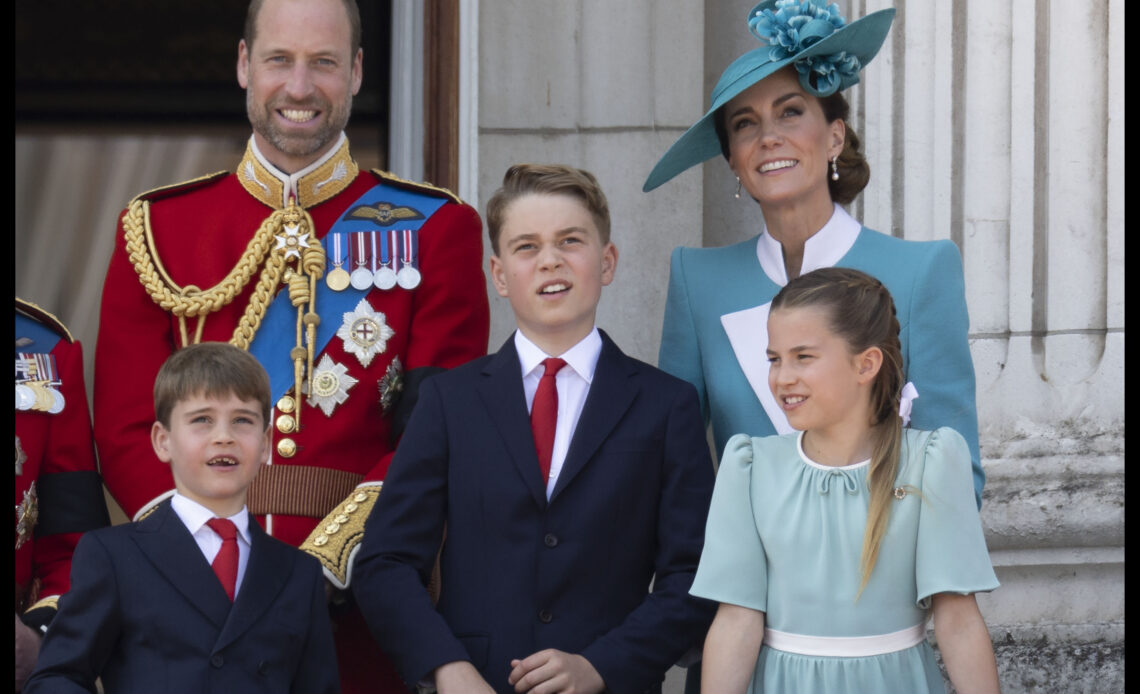
Prince George has already embarked on a significant educational path, having completed prep school and experienced boarding. He is set to commence his secondary education at Eton College, a prestigious institution with a long-standing connection to the royal family, mirroring the path taken by his father, the Prince of Wales. Eton College, founded in 1440, has educated numerous prominent figures, including 20 British Prime Ministers. Prince William himself is reported to have cherished his time at the esteemed institution, highlighting the formative influence such an environment can have.
The seven years George will spend at Eton, from age 13 to 18, will be a period of intensive academic and personal growth. Upon his departure at 18, he will be legally able to act as a Counsellor of State without the need for a regent, empowering him to perform constitutional duties on behalf of the Sovereign should the need arise. This upcoming birthday, therefore, serves as a gentle spotlight on the future that awaits him, a gradual shift from the protected world of childhood to the responsibilities of young adulthood within the unique context of the monarchy. The public’s perception of Prince George has evolved from that of a charming young boy to a boy on the cusp of manhood, a transformation that resonates with the historical progression of royal heirs.
The tradition of marking such milestones with official portraits is well-established. It is anticipated that new photographs will be released to commemorate Prince George’s 13th birthday, likely curated with the meticulous attention to detail characteristic of the Princess of Wales. These images serve not only as personal keepsakes but also as carefully crafted pieces of public relations, offering glimpses into the evolving lives of the younger royals. The possibility of a family portrait, capturing the Wales family together to celebrate this significant birthday, is a prospect that royal watchers will eagerly anticipate. George Alexander Louis is entering a new chapter, and his journey towards the throne he is destined to inherit is steadily unfolding.
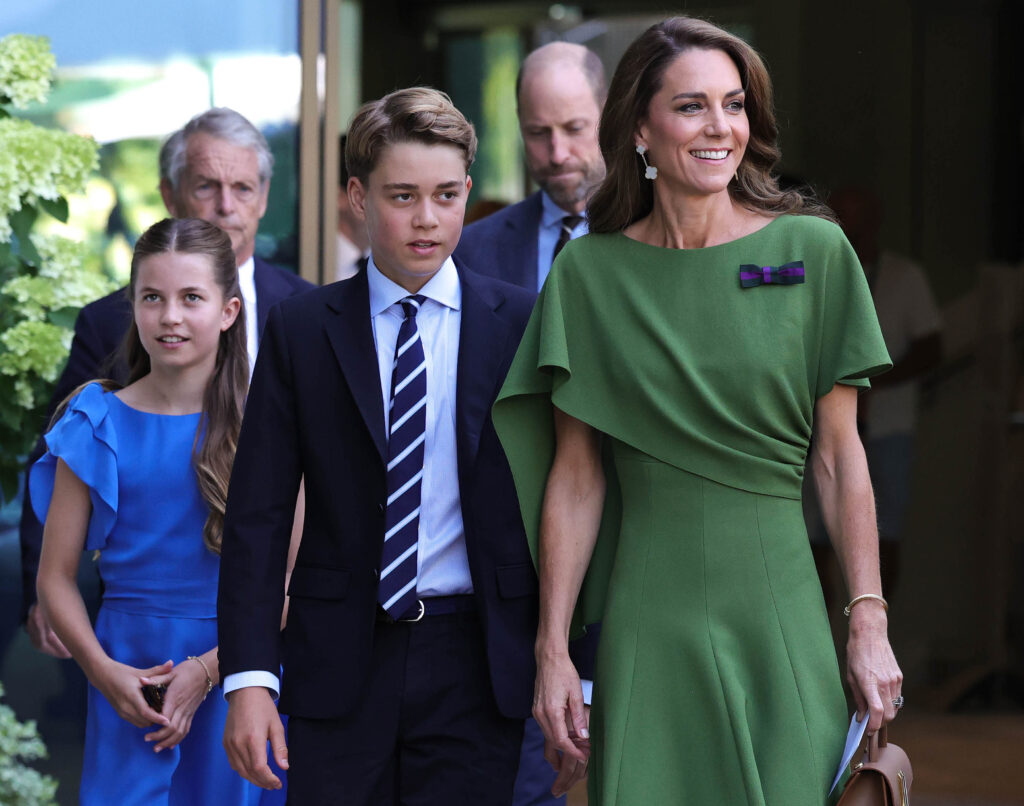
Queen Camilla’s Birthday: A Celebration of Literacy and Legacy
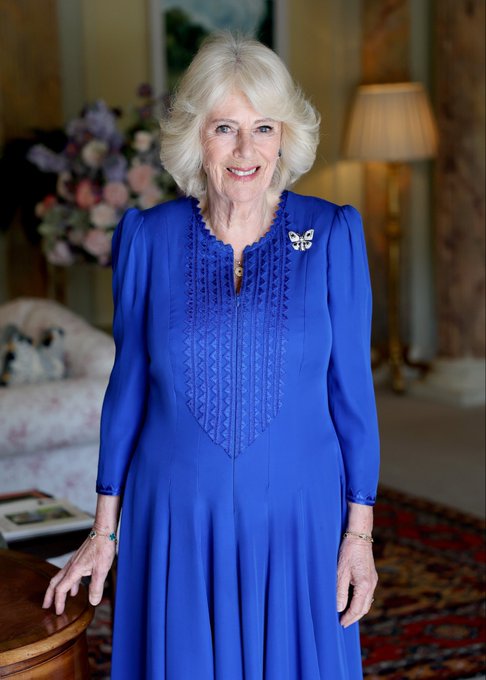
Coinciding with the royal calendar’s focus on upcoming milestones, Queen Camilla recently celebrated her 79th birthday on July 17th. This personal occasion was marked by the release of a dignified portrait, a customary practice that allows the public to share in the celebration. The image, captured by Chris Jackson, showcased Queen Camilla in a radiant and composed manner, reflecting her enduring presence and grace.
However, Queen Camilla’s birthday was distinguished by more than just a personal portrait. In a move that underscored her long-standing commitment to literacy, Buckingham Palace announced a significant initiative: every Year 6 child in the United Kingdom would receive a free reading book at Christmas. This initiative, deeply aligned with Queen Camilla’s personal passions and advocacy, demonstrates a thoughtful approach to celebrating milestones by extending their impact beyond the immediate royal sphere. It represents a tangible commitment to fostering a love of reading among young people, a cause she has championed for many years.
This act of generosity and purpose exemplifies Queen Camilla’s nuanced approach to her public role. Rather than solely focusing on personal commemoration, she consistently seeks opportunities to connect with the nation through initiatives that have lasting value. Her advocacy for literacy has seen her patronize numerous charities and literary organizations, and this latest endeavor further solidifies her dedication to this vital cause. As she approaches her 80th birthday, Queen Camilla continues to demonstrate a forward-thinking and impactful engagement with her role, leaving a positive imprint on the nation.
King Charles III and the Constitutional Crossroads
While the public may be more captivated by the personal milestones of the younger royals, the coming week also holds profound constitutional significance for King Charles III. On July 20th, His Majesty is scheduled to perform a crucial duty of the modern monarchy: receiving the resignation of the incumbent Prime Minister and inviting a new leader to form a government. This event, though less visually dramatic than a royal birthday portrait, is a cornerstone of the United Kingdom’s parliamentary democracy.
The political landscape has been notably fluid, and this occasion marks a significant transition. Sir Keir Starmer, who assumed the premiership two years prior following a decisive General Election victory, will be tendering his resignation to the King. Reports suggest that his popularity within his own party may have waned, leading to his departure from the political stage. His future endeavors are anticipated to include the publication of an autobiography and engagement in speaking engagements.
Following Sir Keir Starmer’s departure, King Charles III will extend an invitation to Andy Burnham to form a new government. Mr. Burnham, who has recently returned to parliamentary service, now leads the Labour Party with a clear majority in the House of Commons. This marks the fourth time in his reign of less than four years that King Charles III will be tasked with appointing a new Prime Minister. This frequency stands in contrast to the long tenure of his predecessor, Queen Elizabeth II, who appointed only four Prime Ministers over more than eleven years. This statistic offers King Charles III a notable, albeit perhaps unintended, record in terms of the rapid succession of governments he has overseen.
The formal process involves the incoming Prime Minister accepting the King’s invitation to form an administration. While historically the Prime Minister would "kiss hands" and bow to the monarch, contemporary practice has evolved. The symbolic gesture has been replaced by a representative handshake. Furthermore, it is understood that King Charles III has opted to dispense with the tradition of the first official photograph depicting the incoming Prime Minister bowing to him. This adjustment may stem from a desire to avoid the potentially awkward public relations challenges that have arisen in the past, such as the notable curtsey of former Prime Minister Liz Truss.
This constitutional duty, while a routine aspect of the monarch’s role, underscores the King’s position as the head of state, a steadying presence amidst political change. The smooth transfer of power, facilitated by the monarch’s engagement, is a testament to the enduring strength of the British constitutional framework. As the nation prepares for a new political chapter, King Charles III will perform his duties with the practiced decorum expected of his office, ensuring the continuity of governance. The contrast between the public’s fascination with royal imagery and the quiet, yet vital, constitutional functions of the monarchy is a recurring theme, highlighting the multifaceted nature of the institution in the 21st century.