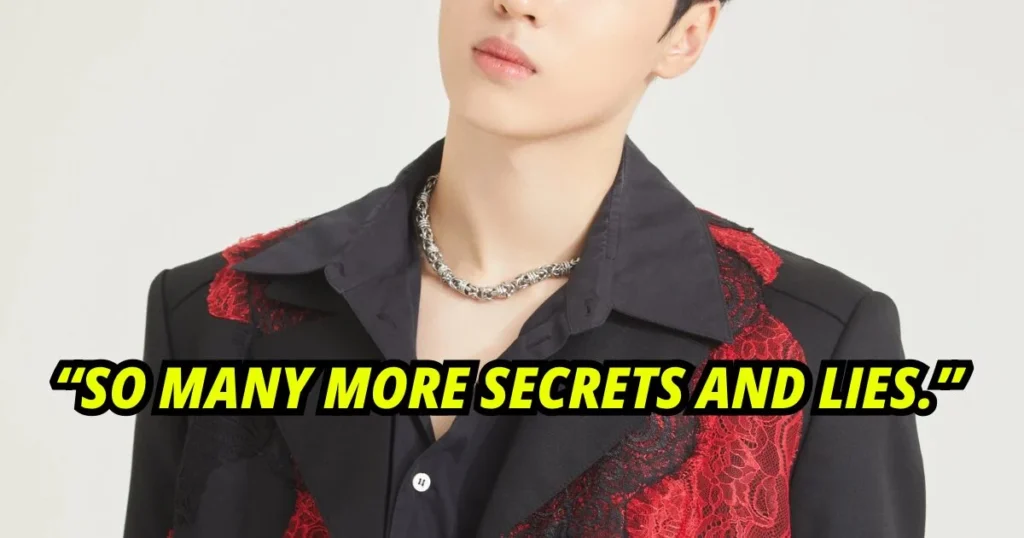

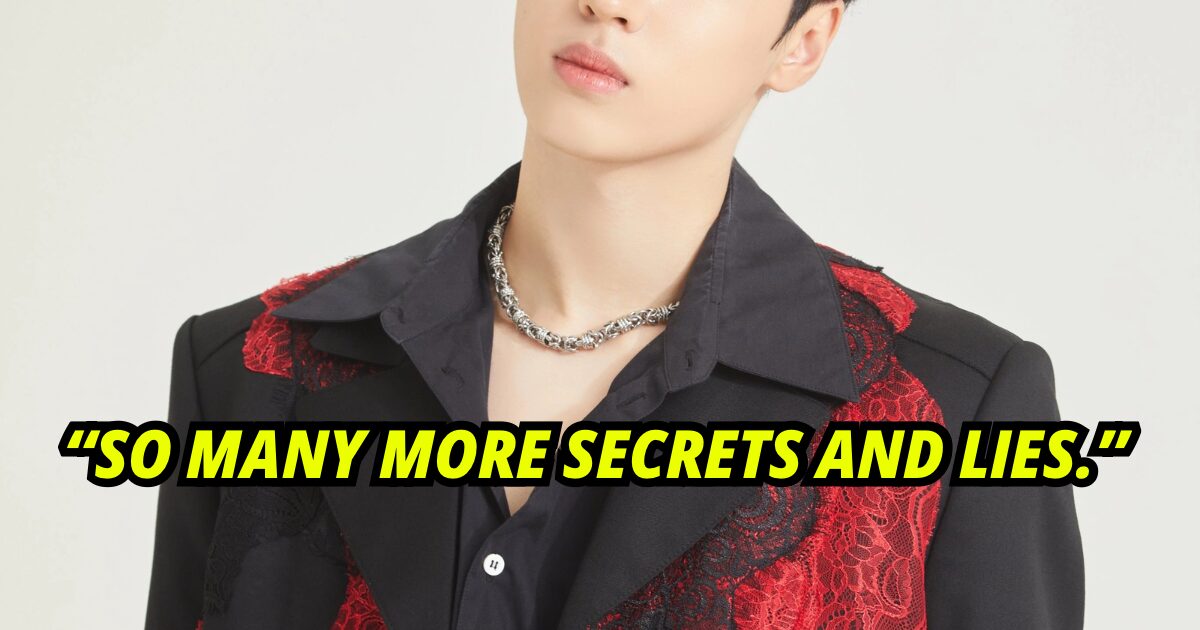
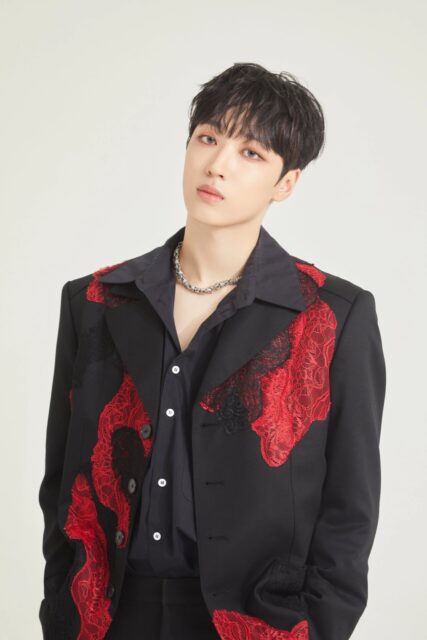
The landscape of K-pop fan engagement is undergoing a turbulent shift as the boundaries between professional idols and their supporters become increasingly blurred by digital monetization platforms. In a recent development that has sent ripples through the international music community, Arthur, a prominent member of the boy group THE KINGDOM, has become the center of a burgeoning controversy. The situation involves allegations of exclusive private communications with a high-spending fan, the blocking of other supporters from his digital content, and claims of emotional manipulation. This incident has reignited a fierce debate regarding the ethics of TikTok "gifting" culture and the responsibilities of talent agencies in managing their artists during group hiatuses.
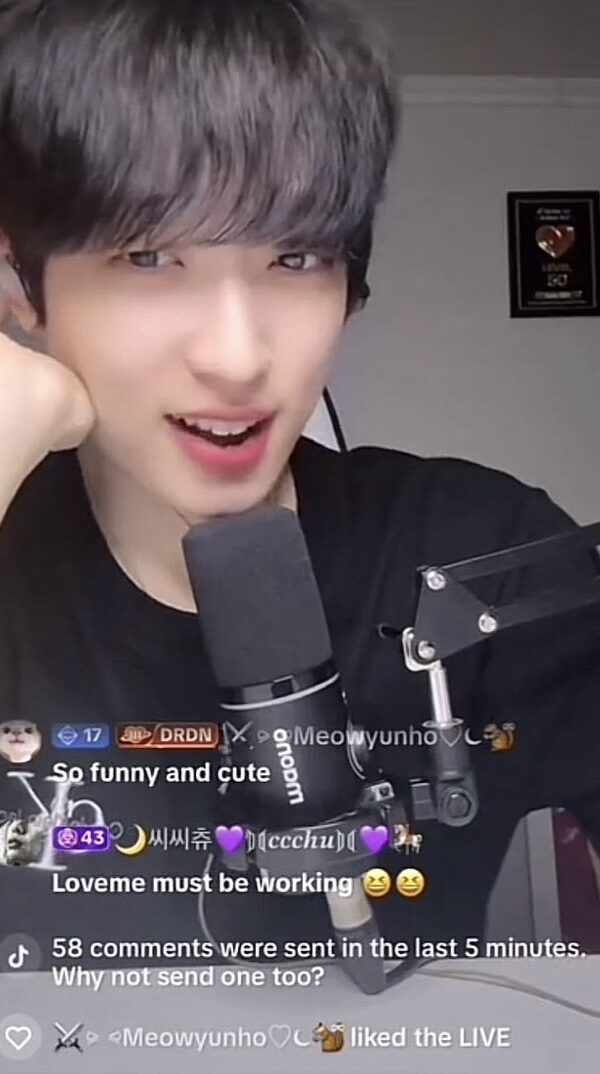
As THE KINGDOM currently navigates a period of relative inactivity due to the mandatory military service of several members, those remaining have sought alternative avenues to maintain their public profiles and connect with their fanbase, known as "Kingmakers." While many idols utilize platforms like TikTok for lighthearted interaction and short-form content, the monetization features of these platforms—specifically the "gifting" system—have introduced a financial element that critics argue can lead to predatory behavior or the perception of favoritism.
The Emergence of TikTok Monetization in K-Pop
To understand the gravity of the allegations against Arthur, it is necessary to examine the broader context of how idols utilize TikTok. For members of groups that are disbanded or currently inactive, TikTok Live has become a lucrative revenue stream. Viewers can purchase virtual "gifts" using real currency, which are then converted into "diamonds" that the streamer can withdraw as cash. While this provides a lifeline for artists who may not be receiving regular income from music sales or tours, it creates a transactional environment that differs significantly from traditional fan-club models.
In recent months, netizens have expressed growing concern over what they describe as the "sad" state of idols who appear to be "begging" for gifts on the platform. The core of the issue lies in the power dynamic: fans who spend significant sums of money often expect, or are granted, a level of access that exceeds that of the general public. In Arthur’s case, this dynamic allegedly escalated into a direct, private relationship with a single benefactor.
A Chronology of the Controversy
The controversy began to surface when regular viewers of Arthur’s TikTok Live sessions noticed a pattern of exclusion. Long-time supporters reported being blocked from viewing his streams without clear justification. As these reports gained traction on social media platforms like X (formerly Twitter), a narrative began to emerge suggesting that the blocking was not random but was instead directed at those who questioned Arthur’s relationship with a specific fan.
The situation reached a boiling point when a fan, referred to by the pseudonym "Jamie," began releasing evidence of her private interactions with the idol. Jamie, who is reportedly in her 40s or 50s, was known within the fandom as a "whale"—a term used to describe individuals who spend thousands of dollars on virtual gifts to support a creator. According to the leaked materials, Arthur allegedly initiated direct contact with Jamie through TikTok Direct Messages (DMs) before moving the conversation to KakaoTalk, a private messaging app widely used in South Korea.
The timeline of the exposure suggests that the relationship soured after a period of intense financial support. Jamie claims that Arthur used his platform to emotionally manipulate her into continued spending while simultaneously expressing a desire to minimize his workload. The exposure of these messages was reportedly a retaliatory move after Arthur allegedly threatened to take legal action against Jamie for her increasing demands or potential interference in his private life.

Analysis of the Leaked Communications
The leaked KakaoTalk messages, if proven authentic, paint a troubling picture of the internal dynamics between the idol and the high-spending fan. In these exchanges, Arthur reportedly shared personal details and maintained a level of intimacy that is strictly prohibited by most K-pop management contracts to prevent "sasaeng" (stalker) behavior and maintain professional boundaries.
Key points of contention in the leaked messages include:
- Direct Contact Initiation: Allegations that Arthur proactively sought out the fan due to her high level of financial contribution, bypassing official agency channels.
- Emotional Appeals: Content suggesting that Arthur leveraged his personal struggles or the group’s hiatus to elicit sympathy and, consequently, more financial gifts.
- Work Ethic Concerns: Statements in which the idol reportedly expressed a lack of interest in traditional promotional activities, preferring the direct-to-consumer model of TikTok gifting which requires less oversight from his agency, GF Entertainment.
- The Threat of Litigation: The catalyst for the public exposure appears to be a legal threat issued by Arthur. Fans have questioned the logic of an idol providing private contact information to a stranger and then attempting to use legal means to silence them when the relationship becomes problematic.
Public Reaction and Netizen Discourse
The reaction from the K-pop community has been a mixture of shock, disappointment, and skepticism toward both parties. On international forums, many fans have expressed disbelief that an active idol would risk his career by engaging in such high-risk behavior.
"This is actually crazy," one user on X commented, echoing a sentiment shared by thousands. "Why would you give your KakaoTalk to a random person on TikTok when your group has dealt with sasaengs for years? It defies logic."
Other fans have pointed the finger at GF Entertainment, the agency representing THE KINGDOM. Critics argue that the agency has failed in its duty to supervise its artists during the hiatus. The lack of structured activities for members not in the military has seemingly left them to their own devices, leading to the current predicament.
However, a segment of the public has also scrutinized "Jamie," noting the inherent dangers of fans attempting to "buy" a personal relationship with a celebrity. The incident serves as a cautionary tale about the "delusional" nature of parasocial relationships, where fans believe that financial support entitles them to private access or control over an artist’s life.
Legal and Ethical Implications
From a legal standpoint, the situation is complex. In South Korea, defamation laws are stringent, and "truthful defamation"—the act of damaging someone’s reputation even with factual information—can be a punishable offense. If Arthur proceeds with a lawsuit, he may find himself in a protracted legal battle that further exposes his private life to public scrutiny. Conversely, if the allegations of emotional manipulation and financial solicitation are proven, Arthur could face "contract termination for cause" or permanent damage to his reputation, which is the lifeblood of a K-pop idol.
Ethically, the incident highlights a "gray zone" in the industry. While idols are encouraged to be accessible to fans, the move to private messaging apps and the direct solicitation of funds through TikTok gifts bypasses the traditional safeguards of the industry. It creates an environment where the wealthiest fans can effectively "monopolize" an idol’s attention, leading to the alienation of the broader, less affluent fanbase.
The Broader Impact on THE KINGDOM and the K-Pop Industry
THE KINGDOM, known for their unique "Seven Kingdoms" concept and elaborate world-building, was once seen as a rising force among mid-tier K-pop groups. This controversy threatens to overshadow their musical achievements and complicate their eventual return as a full group. When members return from military service, they may find a fractured fandom and a brand that has been tarnished by the actions of a single member.
Furthermore, this incident is likely to prompt other K-pop agencies to tighten their social media policies. Many companies already restrict idols from having private social media accounts or engaging in unmonitored live streams. The "Arthur-Jamie" scandal serves as a case study for why these restrictions exist. As platforms like TikTok continue to evolve, the K-pop industry must find a way to balance the need for artist revenue with the necessity of maintaining professional standards.
Conclusion and Current Status
As of the time of writing, GF Entertainment has not released an official comprehensive statement regarding the specific allegations of Arthur’s private KakaoTalk usage or the legal threats mentioned in the leaks. The silence from the agency has only fueled further speculation and unrest within the Kingmaker fandom.
The case of Arthur and THE KINGDOM is a stark reminder of the fragile nature of the idol-fan relationship in the digital age. It underscores the need for clear boundaries and the potential consequences when those boundaries are breached for financial gain. Whether Arthur can recover his standing within the group and the industry remains to be seen, but the conversation he has inadvertently started regarding the ethics of digital gifting and idol management is likely to persist for years to come. For now, the K-pop world watches closely as more details emerge, hoping for a resolution that addresses the systemic issues of accountability and artist welfare in an increasingly commercialized fan landscape.