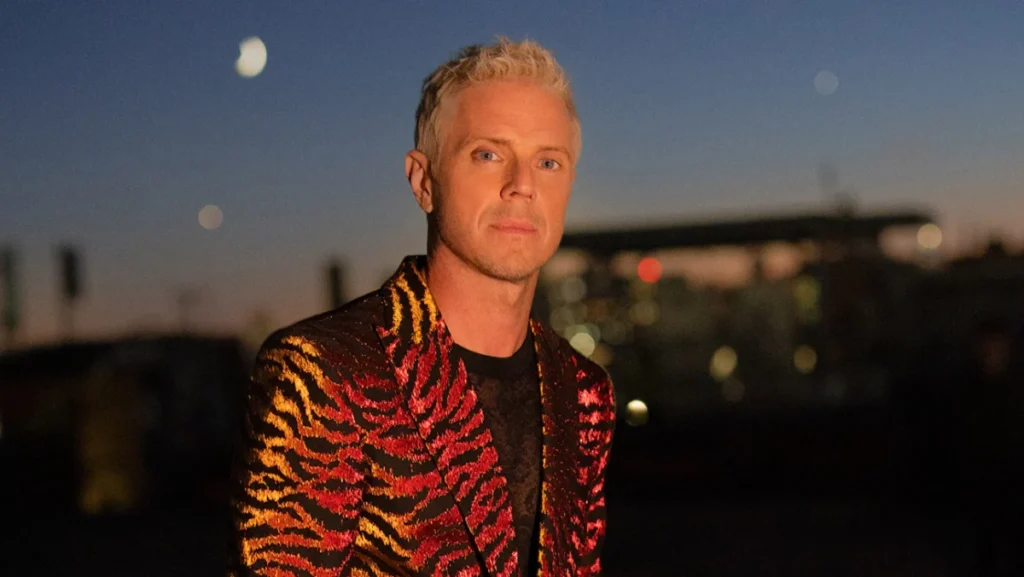

Scissor Sisters frontman Jake Shears has joined the production of Tinderbox, a feature film poised to illuminate one of the most devastating yet often overlooked tragedies in American LGBTQ+ history: the 1973 Up Stairs Lounge fire. Shears’ involvement as a producer, coupled with his contribution of music from his solo albums, signifies a powerful convergence of artistic talent and historical advocacy, aiming to bring this critical narrative to a broader audience. The project, which has long captivated Hollywood interest, is now moving forward under the direction of filmmakers Colby Holt and Sam Probst, promising a nuanced and deeply felt exploration of a pivotal moment in the fight for gay liberation.
The Up Stairs Lounge Fire: A Tragedy Shrouded in Silence
The Up Stairs Lounge fire, which occurred on June 24, 1973, in New Orleans, stands as a stark reminder of the intense homophobia and societal marginalization faced by the LGBTQ+ community during that era. Located on the second floor of a historic building at 141 Chartres Street in the French Quarter, the Up Stairs Lounge was a popular, albeit discreet, gay bar. On that fateful Sunday evening, as patrons gathered for a communal meal and to celebrate the end of New Orleans’ first Gay Pride Week, an arsonist ignited a fire that would claim the lives of 32 individuals and injure many more. It was, for over four decades, the deadliest mass murder of LGBTQ+ people in American history, a grim distinction it held until the Pulse Nightclub shooting in Orlando in 2016.
The fire’s immediate aftermath was characterized by an appalling lack of public sympathy and official indifference. Police investigations were perfunctory, with a prime suspect, a transient named Rodney P. Ritter who had been ejected from the bar earlier that evening, never formally charged despite confessing to friends. Ritter later died by suicide. The media coverage was minimal and often dismissive, frequently misgendering victims and employing homophobic slurs. Many religious leaders refused to conduct funerals for the victims, and some families refused to claim the bodies of their loved ones, fearing public exposure of their sexual orientation. This profound silence and societal rejection compounded the tragedy, effectively erasing the memory of the victims and the incident itself from mainstream historical accounts for generations. The horror of the event was not just in the loss of life, but in the subsequent systemic denial of dignity and remembrance.
Robert Fieseler’s Tinderbox: Reclaiming a Lost Narrative
The collective amnesia surrounding the Up Stairs Lounge fire began to lift significantly with the publication of Robert Fieseler’s meticulously researched 2018 book, Tinderbox: The Untold Story of the Up Stairs Lounge Fire and the Rise of Gay Liberation. Fieseler’s work provided the first comprehensive historical account of the tragedy, meticulously piecing together survivor testimonies, archival records, and sociological analysis to paint a vivid picture of the victims, their community, and the broader societal context. His book not only detailed the horrific events of that night but also explored how the fire, despite the initial suppression of its memory, ultimately fueled the burgeoning gay liberation movement in New Orleans and beyond. It highlighted the resilience of a community that, in the face of unimaginable loss and prejudice, found strength to demand recognition and justice. The book was critically acclaimed for its rigorous scholarship and its powerful contribution to LGBTQ+ historiography, earning a place as a finalist for the Pulitzer Prize in History.
Fieseler’s investigative efforts were crucial in recovering names, faces, and stories that had been buried by shame and societal prejudice. He delved into the lives of the victims, showcasing their diverse backgrounds, their hopes, and their struggles, transforming them from statistics into real people. This humanization was essential for an event that had been so dehumanized in its immediate wake. The book also provided crucial context for understanding the "Rise of Gay Liberation," demonstrating how the trauma galvanized activists and brought a renewed urgency to the calls for LGBTQ+ rights in a period still reeling from the Stonewall Uprising just four years prior.
Jake Shears’ Artistic and Producing Vision for Tinderbox
Jake Shears, widely recognized as the charismatic frontman of the Grammy-nominated band Scissor Sisters, brings a unique artistic sensibility and deep personal connection to the Tinderbox project. His involvement as a producer signifies more than just a name attached to a film; it represents a profound commitment to telling a story that resonates deeply with his own identity and artistic output. Shears is a prominent figure in the LGBTQ+ community, and his music, often characterized by its celebratory yet vulnerable exploration of queer themes, joy, and resilience, naturally aligns with the emotional landscape of the film.
Crucially, Shears will also lend music from his critically acclaimed solo albums, Jake Shears (2018) and B-Sides (2020), to the film’s soundtrack. This organic integration of his musical work arose from an serendipitous connection. Filmmakers Colby Holt and Sam Probst recounted that they were listening to Shears’ albums while simultaneously reading Fieseler’s Tinderbox. They discovered an unexpected synergy, noting, "The more we listened, the more we started to think that Jake’s songs and lyrics related to different characters and scenes in Robert’s book." This intuitive connection, they explained, felt almost fated, attributing it to a shared cultural ether of New Orleans, where both Shears’ music and Fieseler’s historical narrative were forged. "Jake and Robert are both New Orleanians, and we feel since these two works were created in this same city, during the same time period, they must have just been in the air together and somehow we picked up on the tune."
Shears’ music, with its blend of disco-infused exuberance and introspective lyricism, often touches upon themes of identity, community, loss, and the enduring spirit of queer life. Tracks from his albums could serve as poignant backdrops, enhancing the film’s emotional depth and historical authenticity. His artistic contributions are expected to not only underscore the tragedy but also celebrate the vibrant, often hidden, community that thrived within the Up Stairs Lounge, offering a sonic bridge between the past and present queer experience. His role as producer also ensures an authentic queer voice in the creative decisions, which is paramount for a story of this cultural significance.

The Filmmaking Team: Colby Holt, Sam Probst, and Rewind Artists
The adaptation of Tinderbox for the screen is being spearheaded by the filmmaking duo Colby Holt and Sam Probst, who will both write and direct the feature. Their previous work, including the independent horror film Ganymede, about a wrestler who develops a crush on his openly gay classmate, demonstrates their capacity to explore nuanced queer themes within compelling narratives. Ganymede‘s sensitive handling of young male identity and desire suggests that Holt and Probst possess the empathetic lens necessary to approach the delicate subject matter of the Up Stairs Lounge fire with the respect and gravity it demands. Their ability to craft character-driven stories that resonate emotionally will be crucial in translating Fieseler’s detailed historical account into a powerful cinematic experience.
Producing the film alongside Shears is Cory Thompson, through his company Rewind Artists. Thompson, known for his work on thrillers such as the 2024 film Barron’s Cove, articulated his commitment to projects that blend artistic ambition with cultural significance. "Tinderbox is exactly the kind of project we’re passionate about developing at Rewind Artists—stories that are both artistically ambitious and culturally significant," Thompson stated. He expressed profound admiration for Fieseler’s book and the vision presented by Holt and Probst. "Robert’s book is extraordinary, and from the moment Colby and Sam shared their vision for the adaptation, I knew this was a film we wanted to help bring to life. Jake’s involvement only strengthens an already incredible creative team, and we’re excited to continue building the project together." This endorsement from Thompson underscores the film’s potential to not only entertain but also to serve as an important cultural artifact.
The team’s collective experience, from Shears’ deep understanding of queer culture and music to Holt and Probst’s narrative acumen and Thompson’s production expertise, forms a robust foundation for bringing this challenging yet vital story to the screen. The long-standing "Hollywood interest" in the project, which has now found its footing, speaks to the inherent dramatic power and historical importance of the Up Stairs Lounge narrative.
Historical Context: The LGBTQ+ Struggle in America
To fully grasp the significance of Tinderbox, it is essential to contextualize the Up Stairs Lounge fire within the broader timeline of LGBTQ+ rights in America. Prior to the Stonewall Uprising of June 1969, queer life in the United States was largely relegated to the shadows. Laws criminalized same-sex relations, societal norms condemned homosexuality as a sin or mental illness, and discrimination was rampant in housing, employment, and public spaces. Gay bars, like the Up Stairs Lounge, often operated in a precarious legal and social grey area, serving as vital community hubs but also vulnerable targets for raids and violence.
The Stonewall Uprising marked a watershed moment, igniting the modern gay liberation movement. The patrons of the Stonewall Inn, predominantly drag queens, trans people, and gay youth of color, fought back against a police raid, sparking days of protests and galvanizing a new era of activism. By 1973, when the Up Stairs Lounge fire occurred, the movement was still in its nascent stages. While Pride parades were beginning to emerge and some activist groups had formed, widespread societal acceptance was decades away. The fire occurred in a climate where anti-LGBTQ+ sentiment was still pervasive, manifested in legislative discrimination, media ridicule, and acts of violence. The lack of public mourning and official response to the Up Stairs Lounge tragedy vividly illustrates how marginalized the community remained, even as it began to find its voice.
The period between 1973 and 2016, when the Pulse Nightclub shooting tragically claimed 49 lives, saw significant, albeit uneven, progress in LGBTQ+ rights. The AIDS epidemic of the 1980s and 90s, while devastating, also fostered a powerful sense of community and activism, leading to organizations like ACT UP. Legislative battles over "Don’t Ask, Don’t Tell," the Defense of Marriage Act (DOMA), and eventually, the landmark Supreme Court ruling for marriage equality in 2015, marked slow but steady gains. Yet, even with these advancements, the Pulse tragedy underscored the continued vulnerability of the LGBTQ+ community to hate-motivated violence. Tinderbox serves as a poignant reminder that the fight for safety, equality, and recognition is a long and ongoing struggle, rooted in historical events like the Up Stairs Lounge fire.
Broader Implications: Memory, Advocacy, and the Power of Storytelling
The cinematic adaptation of Tinderbox carries immense cultural and historical weight. Its production highlights the critical importance of preserving and disseminating LGBTQ+ history, particularly narratives that have been intentionally or inadvertently suppressed. For too long, the stories of marginalized communities have been omitted from mainstream historical accounts, leading to a diminished understanding of their struggles, contributions, and resilience. By bringing the Up Stairs Lounge fire to the screen, the film will serve as a powerful act of remembrance, honoring the victims and ensuring their lives and the circumstances of their deaths are not forgotten.
Furthermore, the project underscores the role of art, and specifically cinema, as a potent vehicle for social change and education. Film has a unique capacity to humanize historical events, evoke empathy, and spark crucial conversations about prejudice, discrimination, and the ongoing fight for human rights. By presenting this story to a global audience, Tinderbox has the potential to educate viewers about the historical realities of anti-LGBTQ+ violence and the enduring legacy of such tragedies. It can foster a deeper understanding of the importance of safe spaces, community solidarity, and the continuous need for vigilance against hate.
The involvement of queer artists like Jake Shears in telling queer stories is particularly significant. It ensures an authentic voice, a nuanced perspective, and a deep emotional resonance that might otherwise be missed. This authenticity is crucial for a story that demands sensitivity and respect for its subjects. Tinderbox is more than just a historical drama; it is a testament to the resilience of a community, a call for remembrance, and a powerful contribution to the ongoing dialogue about LGBTQ+ rights and historical recognition. As the project moves forward, it stands as a beacon for the power of storytelling to heal, educate, and ultimately, to inspire a more just and inclusive future.