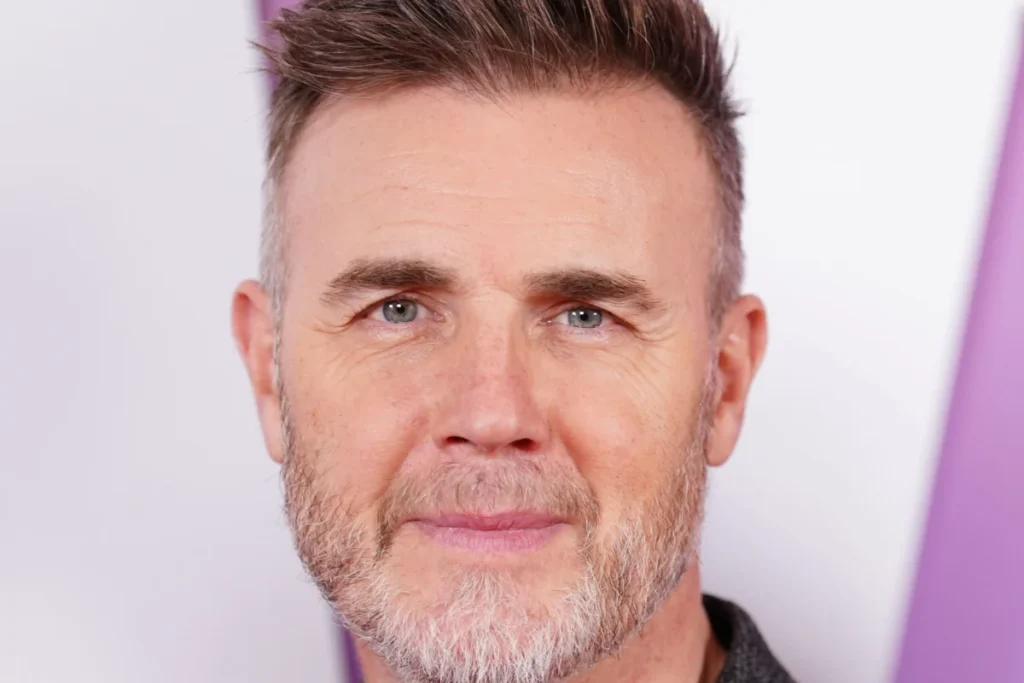

Take That frontman Gary Barlow has candidly revealed that the recently concluded "The Circus Live" tour, a reboot of their iconic 2009 production, marks its definitive end, citing the immense physical toll it takes on him at 55 years old. The curtain fell on the spectacular stadium tour in Dublin on Saturday night, bringing an end to a demanding run that saw Barlow, Howard Donald, and Mark Owen revive one of the most celebrated and ambitious live shows in pop history.
Barlow’s Candid Reflection on Physical Demands
In a reflective post shared on Instagram following the final performance, Barlow, now 55, conveyed a sense of finality that was distinct from previous tour conclusions. "And another tour comes to a close," he began, "Somehow, this one feels a little different. With the other tours, it’s always comforting to know there will almost definitely be a next time. But I’m pretty sure this tour won’t return." His words resonated deeply with fans and industry observers alike, signaling a significant moment in the band’s ongoing journey.
He elaborated on the personal challenge, drawing a stark comparison to the original run. "I was 38 when we originally did this show, and I have to say it’s been a whole other challenge doing it as a 55-year-old. I just can’t see a way I could physically do this show again," Barlow admitted. This statement underscores the rigorous nature of "The Circus Live," a production famed for its elaborate staging, intricate choreography, and high-energy performances that demand peak physical condition from its stars. The admission highlights a growing consideration for many long-standing artists navigating the demanding world of stadium tours as they mature.
Barlow concluded his poignant message with a touch of bittersweet sentiment: "So, it’s with an extremely heavy heart that I leave The Circus in my past. I got to run away with The Circus twice. Now I’m running towards our next exciting, brand new show." This hint at future endeavors, while closing the chapter on a beloved spectacle, offers a glimpse into Take That’s continued artistic evolution and their commitment to creating new material.
The Circus Live: A Phenomenon Revisited
"The Circus Live Summer 2026" tour was a triumphant return to a concept that redefined live pop concerts. The production was a maximalist feast for the senses, featuring an astounding array of performers including fire-breathers, towering stilt-walkers, whimsical clowns, agile acrobats, precise tap dancers, and, most famously, a colossal 30-foot-tall mechanical elephant named "Cuddles" that traversed the stage, captivating audiences with its sheer scale and artistry. Such a show requires not only immense logistical planning but also incredible stamina from the principal performers, who are at the heart of every elaborate sequence.

The 2026 revival tour commenced its stadium run at Southampton’s St Mary’s Stadium in May, before making its way across various iconic venues in the UK, culminating in its final bow in Dublin. The tour served as a powerful reminder of Take That’s enduring appeal and their reputation for delivering unparalleled live experiences. Supporting acts for the UK dates included the acclaimed Irish pop-rock band The Script, who themselves have a history with Take That, having opened for them during the original 2009 Circus tour, adding a layer of nostalgic continuity for long-time fans.
Historical Context: The Record-Breaking Original Circus Tour (2009)
The original "Circus Live" tour in 2009 was not merely a concert series; it was a cultural phenomenon that etched itself into UK music history. It broke records as the fastest-selling tour in history, a testament to Take That’s immense popularity and the anticipation surrounding their then-recent reunion. Within an astonishing five hours, over 600,000 tickets were snapped up by eager fans. By the tour’s conclusion, an incredible one million fans had attended the sell-out shows across the UK and Ireland, generating an estimated £40 million in revenue and solidifying the band’s status as one of the biggest live acts globally.
The success of the 2009 tour, which followed the hugely successful album The Circus, marked a pivotal moment in Take That’s second act. It proved that their reunion was not a fleeting moment of nostalgia but a powerful resurgence, capable of selling out the largest venues and delivering productions on par with, if not exceeding, international superstars. The scale and ambition of "The Circus" set a new benchmark for stadium concerts, inspiring subsequent elaborate stage designs and immersive experiences in the industry.
Take That’s Enduring Legacy and Evolution
Formed in 1990, Take That initially comprised Gary Barlow, Howard Donald, Mark Owen, Jason Orange, and Robbie Williams. They rapidly ascended to become one of the most successful boy bands in UK chart history, achieving 12 number-one singles on the Singles Chart and selling over 45 million records worldwide. Their initial run was marked by a string of pop anthems and an unparalleled connection with their fanbase, culminating in their dramatic split in 1996, which famously led to a helpline being set up for distraught fans.
The band’s resurgence began in 2005 with a documentary and a greatest hits album, followed by a triumphant reunion tour in 2006. This reunion, initially without Robbie Williams, proved immensely successful, leading to new material and further tours. Williams famously rejoined the band for their 2010 album Progress and subsequent "Progress Live" tour, which also became one of the fastest-selling tours in UK history. However, Williams’s involvement remained intermittent, and Jason Orange made the decision to depart the band in 2014, stating he no longer wished to commit to band life.
Since then, Take That has continued as a formidable trio, with Barlow, Donald, and Owen at the helm. Their ability to adapt, evolve, and maintain a loyal fanbase through various lineup changes speaks volumes about their musical talent, their connection with their audience, and their resilience in an ever-changing music industry. Their sustained success is a testament to their strong songwriting, particularly Barlow’s, and their commitment to delivering high-quality entertainment.
The Demands of Stadium Touring on Veteran Artists
Gary Barlow’s comments about the physical challenges of "The Circus Live" at 55 are a salient reminder of the intense demands placed on artists, particularly those engaged in large-scale stadium tours. These productions are not just about singing; they involve extensive choreography, rapid costume changes, navigating vast stages, and maintaining high energy levels for two to three hours, night after night, often across multiple continents. The physical regimen required for such a lifestyle is akin to that of an elite athlete, requiring constant training, discipline, and careful management of one’s health.
For artists who began their careers in their youth, the cumulative effect of decades of touring can take a significant toll. The relentless schedule, time zone changes, and the sheer physical exertion can lead to fatigue, injuries, and burnout. Barlow’s honesty opens a broader conversation about the sustainability of such physically demanding performances for veteran musicians. While audiences crave the nostalgia and spectacle of these iconic shows, artists must balance these desires with their own well-being and long-term career viability. Many artists in their 50s and 60s choose to adapt their touring formats, opting for shorter runs, more relaxed stage productions, or residency shows that reduce travel and physical strain.
Band Member Perspectives and Fan Reception
Howard Donald also shared his reflections on the tour, particularly after the London leg. Posting on Instagram, he thanked fans for their overwhelming support, highlighting the intensity of the performances: "Played to 200 thousand people over three dates at the London Stadium @westham in the blistering heat which was a challenge in itself! Undies were soaked and had to wrung out. Thank you for giving us the much needed energy and love to get us energised for the show." His remarks vividly illustrate the extreme conditions the band members faced, further validating Barlow’s sentiment about the tour’s physical toll. Donald’s message concluded with deep gratitude: "You are amazing London and we are amazed at the sheer scale of support after all these years! We will always do our best. The Circus will always be difficult to top and will be missed! Thank you from the bottom of our hearts!"
Mark Owen, though not as vocal on social media about the physical demands, consistently brings his unique energy and performance flair to the stage, integral to the band’s dynamic. The collective sentiment from the trio suggests a deep appreciation for the fan loyalty that has sustained them for over three decades.
Fan reactions to Barlow’s announcement have been a mixture of understanding and wistfulness. While many expressed sadness at the definitive end of "The Circus Live," there was also widespread admiration for the band’s dedication and the incredible performances they delivered. Social media platforms were flooded with messages of thanks, memories from the concerts, and expressions of excitement for what the future holds for Take That, reinforcing the powerful bond between the band and its audience. The sheer scale of support, even after all these years and lineup changes, speaks volumes about their enduring appeal.
The Future of Take That: New Horizons

Despite concluding a major legacy tour, Take That is far from slowing down. The band is set to release their 10th studio album later this year, signaling a renewed focus on new creative output. Pre-released tracks such as "You’re A Superstar" and "Sweet July" have already offered fans a taste of their evolving sound, suggesting a fresh direction while retaining their signature pop sensibilities. This move underscores Barlow’s closing remark about "running towards our next exciting, brand new show," indicating that while "The Circus" chapter is closed, the Take That story continues to unfold.
The release of new music often precedes new touring cycles, albeit perhaps in a different format. It is plausible that future tours might incorporate more intimate venues, less physically demanding stage productions, or a greater emphasis on their vast catalog of hits with a more relaxed presentation. This strategic shift would allow the band to continue engaging with their fanbase through live performances while respecting the physical limitations that come with age, ensuring their longevity in the industry. The upcoming album represents an exciting new phase, demonstrating their commitment to artistic growth beyond their celebrated catalogue.
Broader Impact and Implications
Gary Barlow’s declaration regarding "The Circus Live" carries broader implications for the music industry, particularly for legacy acts. It highlights the growing importance of sustainable touring models for artists who have dedicated decades to their craft. As the demographic of both artists and their audiences ages, there’s a natural evolution in what constitutes a viable and enjoyable touring experience for all involved. This could lead to more innovative concert formats, collaborations, and a re-evaluation of the "stadium spectacle" paradigm for certain artists.
Take That’s journey from teenage heartthrobs to enduring pop icons, navigating breakups, reunions, and lineup changes, serves as a remarkable case study in resilience and adaptation. Their ability to consistently deliver chart-topping music and sell-out tours, while maintaining a genuine connection with their audience, solidifies their position as one of the most significant British bands of their generation. The retirement of "The Circus Live" is not an end but a transition, paving the way for new creative expressions and continuing the extraordinary legacy of Take That. The unwavering support from millions of fans across generations underscores their unique cultural impact and their place in the pantheon of pop music legends.