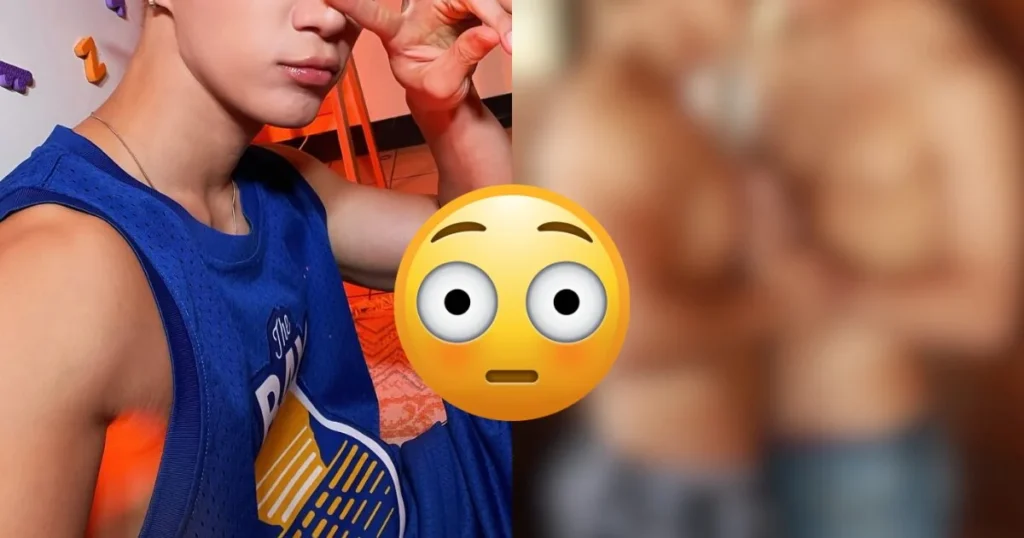

The landscape of the South Korean music industry is witnessing a significant shift as independent soloists increasingly push the boundaries of traditional idol archetypes. On June 26, the artist known as from20, formerly Raehwan of the K-pop group BIGSTAR, released his highly anticipated project, R-Rated. Accompanied by the music video for the title track, "Big Boy," the release has garnered substantial attention not only for its bold artistic direction and inclusive lyrical content but also for an unexpected real-world connection discovered by fans. A phone number featured within the music video’s visual graphics has been identified as a functional line for a gay voice dating service in North America, sparking a wave of discussion regarding the artist’s marketing strategy and his commitment to LGBTQ+ representation.
The Evolution of from20: From Idol Group Member to Independent Soloist
To understand the context of the R-Rated release, it is essential to trace the career trajectory of Kim Rae-hwan. Known professionally as from20, the artist first entered the public eye in 2012 as a member of BIGSTAR, a boy group formed by Brave Entertainment under the tutelage of the renowned producer Brave Brothers. During his tenure with BIGSTAR, Raehwan was recognized for his vocal prowess and songwriting capabilities. However, like many groups from mid-sized agencies, BIGSTAR faced challenges in maintaining consistent commercial momentum, eventually leading to a period of inactivity and the members’ departure from the agency.
Following his military service, Raehwan underwent a complete creative rebranding. Re-emerging as from20 in 2021, he signaled a departure from the polished, factory-standard idol image in favor of a more autonomous, retro-inspired aesthetic. Alongside fellow artist Hello Gloom (formerly Ungjae of the group IMFACT), he established "Way Better," an independent label and creative collective. This move allowed from20 to exercise full control over his discography, visual identity, and messaging—a level of freedom rarely afforded to performers within the major label system.
The Censorship of R-Rated and Broadcast Challenges
The lead-up to the release of R-Rated was marked by administrative hurdles that are common for provocative artists in the South Korean market. Before the album’s official launch, several tracks were submitted to major South Korean broadcasting networks—including KBS, MBC, and SBS—for review. These networks maintain strict guidelines regarding lyrics, themes, and imagery, often banning content deemed "unsuitable for broadcast" due to explicit language, sexual metaphors, or "socially sensitive" topics.
Reports emerged that approximately half of the songs on the R-Rated album were flagged and subsequently banned from television and radio broadcast. While such bans can limit an artist’s domestic promotional reach, they often serve as a "badge of honor" in the digital age, signaling to global audiences that the work is authentic, edgy, and un-sanitized. For from20, the R-Rated title was not merely a stylistic choice but a literal description of the content’s relationship with Korean media regulators.

"Big Boy": A Case Study in Inclusive Visual and Lyrical Representation
The title track "Big Boy" is a synth-pop anthem that draws heavily from 1980s New Wave and disco influences. While the production is nostalgic, the lyrical content is decidedly modern and inclusive. In a genre where artists often employ gender-neutral pronouns or vague romantic imagery to maintain a broad appeal, from20 chose a more direct approach.
The lyrics of "Big Boy" include the lines: "Big girls, you know you’re sexy / My gay boys, they love me, I like it." This overt acknowledgment of his LGBTQ+ fanbase is a rarity in the K-pop industry, which has historically remained conservative regarding queer identity. The music video further reinforces this message by featuring a diverse cast of individuals, moving away from the narrow beauty standards typically seen in mainstream idol productions. By positioning himself as an artist who embraces "big girls" and "gay boys" alike, from20 has solidified his reputation as a "Bisexual King"—a title affectionately bestowed upon him by fans on social media platforms like X (formerly Twitter) and Reddit.
The "1-800-BIG-BOYS" Incident: Accident or Intentional Marketing?
The most viral aspect of the "Big Boy" release involves a blink-and-you-miss-it graphic within the music video. During a segment designed to mimic a vintage late-night television advertisement, the screen displays a promotional call-to-action for "Big Boys" featuring the vanity phone number "1-800-BIG-BOYS."
In the United States and Canada, vanity numbers use the letters associated with digits on a standard telephone keypad. When translated, "1-800-BIG-BOYS" becomes 1-800-244-2697. Curious fans who dialed the number discovered that it was not a defunct line or a prop, but an active service. Upon calling, users are greeted by an automated voice recording for the "Hottest Gay Voice Dating" service in North America. The system offers callers the opportunity to connect with other men for voice-based dating and interaction, even providing a five-minute free trial for new members.
This discovery has prompted two prevailing theories within the music industry and fan circles:
- The "Easter Egg" Theory: Given from20’s explicit lyrics and the "R-Rated" theme of the album, some argue that the use of an actual gay dating hotline number was an intentional "Easter egg." In this view, the artist or his creative team at Way Better specifically sought out a number that aligned with the song’s themes of queer appreciation and adult content, serving as a subversive form of guerilla marketing.
- The "Prop Oversight" Theory: Conversely, some industry observers suggest the number may have been chosen for its phonetic fit with the song title without the production team verifying its real-world destination. This would not be the first time a phone number in a Korean production caused a stir; famously, the 2021 Netflix series Squid Game accidentally used a real person’s phone number, leading to thousands of prank calls for the unsuspecting owner. However, given that "1-800-BIG-BOYS" leads to a service that perfectly mirrors the lyrical themes of the song, many find the "oversight" explanation less plausible.
Cultural Context and the Risks of Real-World Numbers in Media
The integration of real-world contact information into fictional media carries significant legal and ethical considerations. In the United States, the "555" prefix is traditionally used in films and television to prevent viewers from calling private citizens. However, as independent artists seek to create immersive "worlds" for their music—often referred to as "lore"—the temptation to use functional websites or phone numbers has grown.

In the case of from20, the connection to a gay dating hotline has largely been met with amusement and praise from his international audience. It reinforces the "R-Rated" branding and aligns with the artist’s persona as an unfiltered, sex-positive performer. To date, neither Way Better nor from20 has issued a formal statement clarifying whether the number was an intentional inclusion. This silence has only fueled the viral nature of the discovery, as fans continue to share recordings of the hotline’s greeting on social media.
Broader Implications for the K-Pop Industry
The "Big Boy" release and the subsequent hotline discovery highlight a growing divide between the domestic Korean music market and the global K-pop audience. While Korean broadcasters continue to enforce strict standards that often marginalize queer-coded content, independent artists are finding immense success by leaning into those very themes for a global audience.
from20’s approach represents a new "blue ocean" strategy for former idols. By moving away from the pressure to achieve "Perfect All-Kills" on domestic charts like MelOn, artists like from20 and Hello Gloom are building sustainable careers based on niche, loyal, and diverse international fanbases. This demographic values authenticity and representation over the sanitized perfection of the traditional idol system.
Furthermore, the incident underscores the power of digital detectives within the K-pop fandom. The speed at which fans translated the vanity number and verified its contents demonstrates the high level of engagement that modern music videos must sustain. For independent labels with limited marketing budgets, creating these types of "viral moments" is an effective way to generate headlines that compete with the multi-million dollar promotional campaigns of "Big Four" agencies (HYBE, SM, YG, and JYP).
Conclusion: A New Era of Artistic Autonomy
As from20 continues to promote R-Rated, the "Big Boy" music video stands as a testament to his evolution from a structured group member to a boundary-pushing soloist. Whether the 1-800-BIG-BOYS hotline was a stroke of marketing genius or a fortuitous coincidence, it has served its purpose in cementing the album’s identity as a bold, adult-oriented project that refuses to shy away from its influences.
In an era where the lines between art, marketing, and digital reality are increasingly blurred, from20 has successfully navigated the complexities of independent production. By embracing themes that were once considered taboo in his home country, he has not only found his voice but has also provided a space for his diverse audience to feel seen and celebrated. As "Big Boy" continues to circulate online, it serves as a reminder that for the modern artist, being "R-Rated" is often the most direct path to being real.