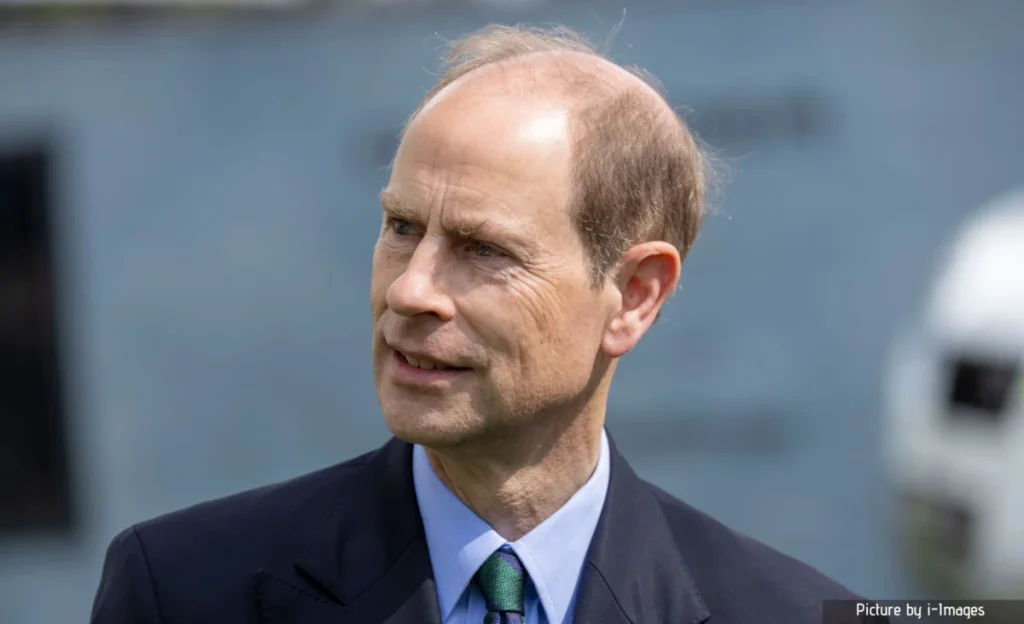

The Duke of Edinburgh joined Scotland’s newly elected Members of the Scottish Parliament (MSPs) at St Giles’ Cathedral in Edinburgh on Wednesday for the traditional Royal Kirking of Parliament, a venerable ceremony marking the commencement of a new parliamentary session. This ancient rite, held in the historic heart of Scotland’s capital, underscores the symbiotic relationship between the Crown and the nation’s legislative body, setting a tone of reflection and unity as Holyrood prepares for its inaugural sitting following last week’s keenly contested Scottish Parliament elections.
A Centuries-Old Tradition Unfolds
The Kirking of Parliament is an event steeped in history, its origins tracing back to the very establishment of parliamentary governance in Scotland. Traditionally, it is a service of thanksgiving and dedication, where elected representatives and members of the Royal Family gather to seek divine guidance and express a collective commitment to public service. This year’s ceremony, held within the awe-inspiring Gothic architecture of St Giles’ Cathedral on Edinburgh’s famed Royal Mile, saw Prince Edward, The Duke of Edinburgh, taking his place among the congregation. The cathedral, often referred to as the "High Kirk of Edinburgh," has been a focal point of Scottish religious and national life for centuries, its hallowed walls providing a fitting backdrop for such a significant occasion.
The service itself was a carefully orchestrated blend of solemnity and celebration, featuring traditional hymns, profound prayers, and uplifting choral performances that resonated beneath the cathedral’s magnificent vaulted ceilings. It brought together not only the newly elected and returning MSPs but also prominent faith leaders and a diverse array of representatives from across Scotland’s civic landscape, reinforcing the inclusive nature of the occasion. The presence of the Duke of Edinburgh, as a representative of the Sovereign, highlights the enduring constitutional link between the monarchy and the devolved Scottish Parliament.
A Moment of Reflection and Unity
The significance of the Kirking extends beyond its ceremonial pomp; it serves as a crucial moment for introspection and the reaffirmation of shared values. As politicians from various parties, often engaged in vigorous debate during election campaigns, convene in this sacred space, the Kirking encourages a shift in focus towards common purpose and the collective good of the Scottish people. The Moderator of the General Assembly of the Church of Scotland, the Right Reverend Rosie Frew, delivered a powerful sermon that encapsulated this sentiment.
Reverend Frew’s address centered on the core principles embodied in the Scottish Parliament’s ceremonial mace, a treasured gift from Queen Elizabeth II upon the Parliament’s reconvening in 1999. These guiding virtues – wisdom, justice, compassion, and integrity – were presented as essential compass points for the parliamentarians as they embark on their new term. She eloquently described the parliamentary term ahead as “a new beginning,” acknowledging the inherently “combative” nature of elections. However, she also emphasized the profound commonalities that unite politicians, irrespective of their party affiliations, particularly the shared commitment to public service. Reverend Frew’s message underscored that true public service lies in “serving the welfare of others” rather than seeking personal accolades or recognition.
Expanding Inclusivity in Worship
A notable aspect of this year’s Kirking ceremony was its embrace of broader spiritual representation. The service included a series of interfaith blessings for the Parliament, marking a significant milestone as it was the first time a pagan blessing was incorporated into the Kirking ceremony. This development reflects the evolving spiritual landscape of Scotland and the Parliament’s commitment to acknowledging and respecting the diverse beliefs within its constituency. Such gestures contribute to a more inclusive and representative form of national observance.
Presiding Officer Alison Johnstone, a key figure in the parliamentary proceedings, delivered one of the readings during the service. She later had the opportunity to converse with Prince Edward during a reception held in the adjacent Signet Library, a distinguished venue that provided a more intimate setting for dialogue and informal interaction following the formal service.
The Duke of Edinburgh’s Evolving Role
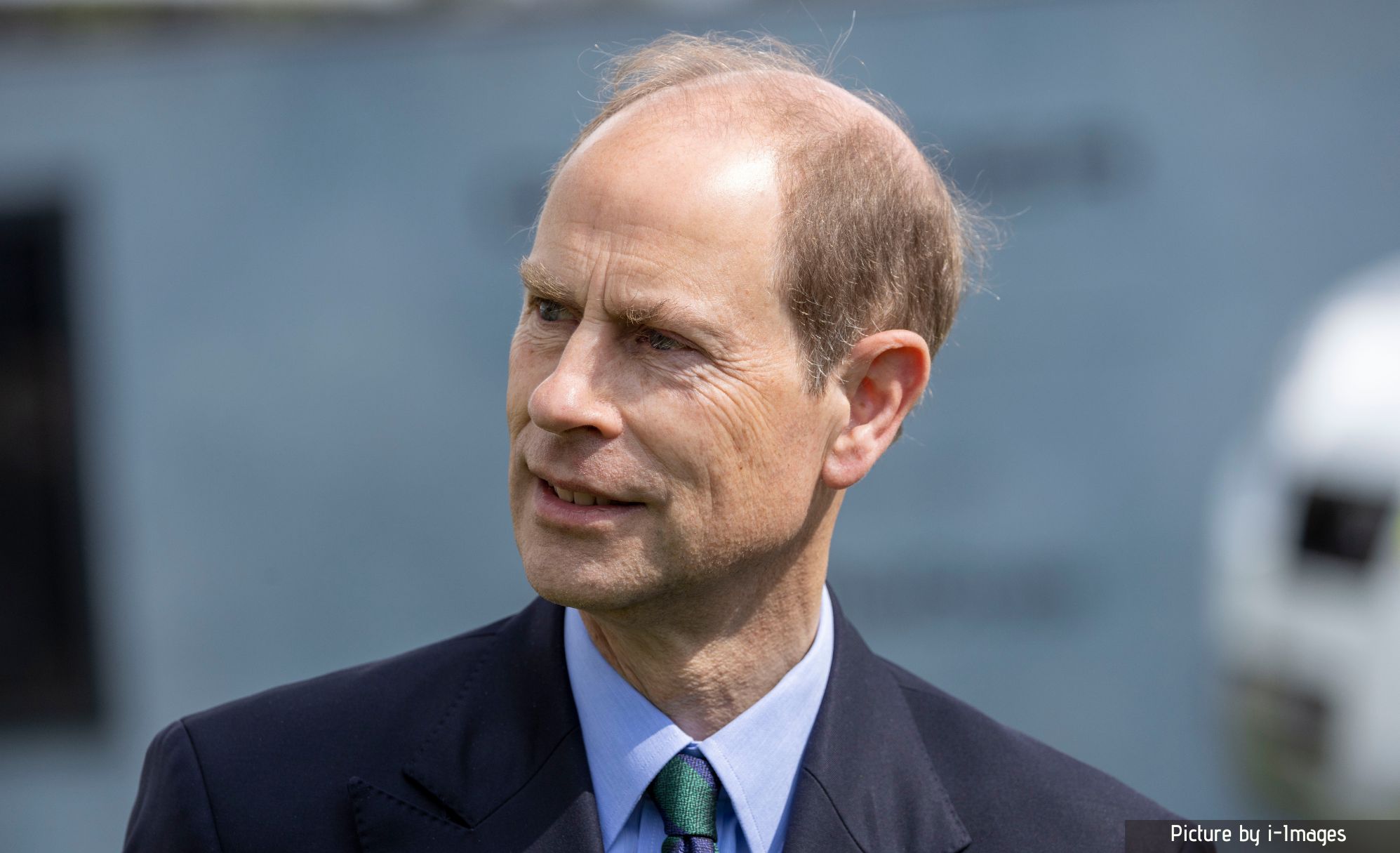
Prince Edward’s attendance at the Royal Kirking of Parliament is particularly noteworthy in the current context of the Royal Family. Since the accession of his brother, King Charles III, the Duke has increasingly undertaken a more prominent and visible role. He has become a frequent and trusted representative of the monarch at significant ceremonial and national events across the United Kingdom. In recent years, Prince Edward has emerged as one of the monarchy’s busiest working royals, undertaking a substantial number of engagements that underscore his dedication to royal duty and his commitment to supporting the Crown. His presence in Edinburgh signifies not only his personal support for the Scottish Parliament but also the continued importance placed on the monarchy’s engagement with the devolved institutions of the United Kingdom.
Background and Significance of the Kirking
The term "Kirking" itself is derived from the Scots word for church. Historically, the Kirking of Parliament was a formal occasion where the monarch would officially open a new parliamentary session with a church service. While the nature of the ceremony has evolved over time, its core purpose of seeking divine favour and blessing for the nation’s governance has remained constant. For the Scottish Parliament, which was re-established in 1999 after a 300-year hiatus, the Kirking ceremony holds particular symbolic weight, reinforcing its legitimacy and its connection to Scotland’s historical traditions.
The Scottish Parliament, or Holyrood as it is commonly known, operates under a system of proportional representation, leading to a diverse range of political parties represented within its chambers. The election cycle, which typically occurs every five years, culminates in the formation of a new government and the commencement of legislative work. The Kirking ceremony serves as a crucial punctuation mark between the electoral process and the commencement of parliamentary business, offering a moment for all involved to pause, reflect, and recommit to the ideals of public service.
The Significance of the Ceremonial Mace
The ceremonial mace of the Scottish Parliament is more than just an ornamental object; it is a potent symbol of parliamentary authority and tradition. Gifted by Queen Elizabeth II in 1999, it represents the continuity of Scottish parliamentary tradition and the enduring link between the Crown and the Parliament. The inscription of "wisdom, justice, compassion, and integrity" on the mace serves as a constant reminder to MSPs of the foundational principles that should guide their deliberations and actions. The mace is carried before the Presiding Officer and is present at all official parliamentary sittings, underscoring its central role in the Parliament’s proceedings.
Broader Implications and Analysis
Prince Edward’s participation in the Royal Kirking of Parliament carries several implications. Firstly, it reinforces the constitutional importance of the devolved Scottish Parliament and the monarchy’s continued role in the United Kingdom’s governance structure. In an era of evolving constitutional arrangements and ongoing discussions about the future of the Union, such visible engagements are significant. The Duke’s active role demonstrates a commitment to the unity of the United Kingdom and the functioning of its constituent parliaments.
Secondly, the Duke’s increasing prominence within the Royal Family signals a strategic redistribution of duties, allowing other senior royals to undertake vital public engagements. This ensures that the Crown remains a visible and active presence across the nation, supporting various institutions and communities. His extensive experience and consistent dedication to public service make him a credible and respected representative.
Finally, the inclusion of a pagan blessing in the Kirking ceremony reflects a broader societal trend towards greater religious pluralism and inclusivity. As Scotland’s demographic and spiritual landscape continues to diversify, its national institutions are increasingly reflecting this reality. This move, while potentially significant for some, underscores a commitment to acknowledging a wider spectrum of beliefs within the public sphere.
The Royal Kirking of Parliament, therefore, is not merely a relic of the past but a dynamic tradition that continues to adapt and hold relevance in contemporary Scotland. It serves as a powerful symbol of continuity, a call for unity, and a spiritual anchor for the nation’s political endeavours, with the presence of senior royals like the Duke of Edinburgh underscoring the enduring connection between the Crown and the Scottish people.