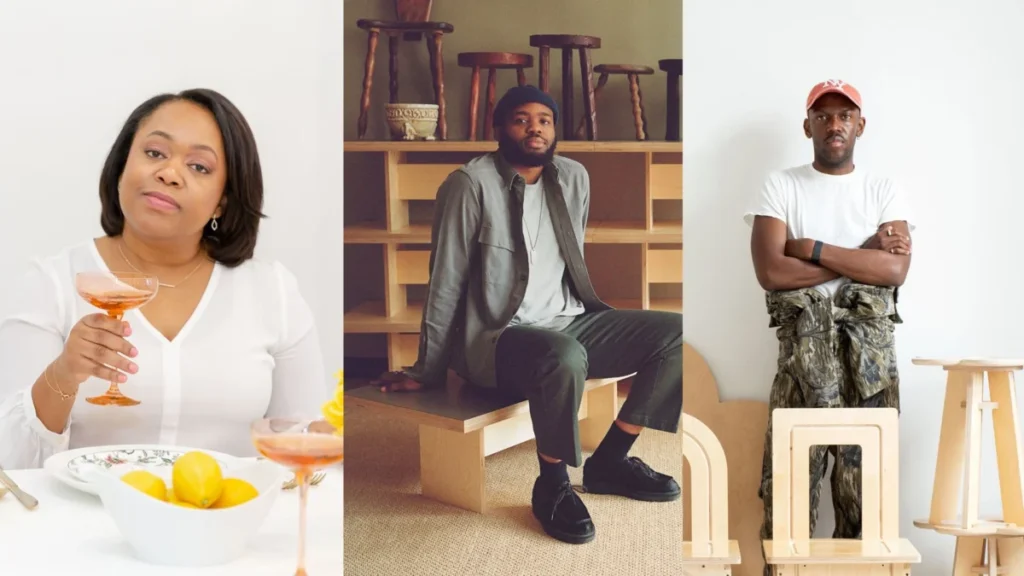

The landscape of interior design, fashion, and wellness is undergoing a significant transformation as consumers and major retailers alike prioritize the inclusion of historically underrepresented voices. For decades, Black creators and entrepreneurs have faced systemic barriers to entry in the global marketplace, ranging from limited access to capital to a lack of shelf space in mainstream retail outlets. However, initiatives such as the 15 Percent Pledge—a call for major retailers to dedicate at least 15% of their shelf space to Black-owned businesses—have catalyzed a shift in the industry. Today, a new generation of Black designers is redefining luxury, functionality, and cultural expression. This comprehensive guide explores the leading Black-owned brands across furniture, home decor, culinary arts, and beauty, analyzing their market impact and the cultural stories they weave into their products.
.jpeg)
The Evolution of Furniture and Structural Design
The furniture sector has seen a surge in Black-owned brands that successfully navigate the direct-to-consumer (D2C) model. One of the most prominent examples is Edloe Finch, founded by former NFL player Darryl Sharpton and his wife Jessica. Sharpton’s journey from a student-athlete at the University of Miami, where he sold furniture as a side hustle, to a professional athlete and eventually a design entrepreneur, exemplifies the multifaceted nature of modern Black entrepreneurship. Edloe Finch focuses on contemporary, high-quality homeware available exclusively online, effectively bypassing traditional gatekeepers.

Similarly, Albany Park, another venture by the Sharptons, addresses a specific gap in the market: the need for durable, low-cost, and stylish sectionals and sofas. Their mission emphasizes long-lasting construction and eco-friendly processes, avoiding harsh chemicals—a growing priority for health-conscious consumers. The success of these brands reflects a broader trend in the furniture industry toward transparency and sustainability.
.jpeg)
In the realm of functional art, Emmanuel Olunkwa, the editor of Pin-Up magazine, has made waves with his brand E&KO. His collection of plywood furniture, particularly the birchwood "Mini Table," challenges the boundaries between architecture and interior design. Olunkwa’s work is often praised for its playfulness and geometric simplicity, offering a fresh perspective on midcentury modern influences.
.jpeg)
Furthermore, collaborations between independent designers and established retail giants are becoming more frequent. Brigette Romanek, an AD100 designer known for her "California cool" aesthetic, recently collaborated with Crate & Barrel. Her collection features sculptural marble pieces and luxe daybeds that play with texture and silhouette, demonstrating how Black designers are increasingly influencing the aesthetic standards of mass-market luxury.

Artisanal Home Decor and the Power of Heritage
Home decor serves as a primary vehicle for cultural storytelling. Brands like Design Dua, founded by Coretta Owusu, utilize traditional handweaving techniques to create modern essentials. Owusu, a lawyer and advocate, launched the brand to celebrate West African craftsmanship. Their "Bilia" bassinets, crafted from natural elephant grass, are marketed as "Nature’s Bassinets," highlighting the intersection of indigenous knowledge and contemporary nursery design.
.jpeg)
Textiles also play a crucial role in this cultural dialogue. Hana Getachew’s Bolé Road Textiles brings a modern twist to traditional Ethiopian patterns. Based in New York but handwoven in Ethiopia, the brand’s pillows, rugs, and shower curtains offer a maximalist aesthetic that honors ancestral techniques. This model provides economic support to Ethiopian artisans while introducing high-quality, culturally significant textiles to the global market.
.jpeg)
Sustainability and environmental impact are central to the mission of Linoto, a brand specializing in high-quality linen bedding. Founded by Jason Evege, Linoto handcrafts its products in upstate New York using Italian and Belgian linen. By focusing on breathability and longevity, and ensuring that both products and packaging are free of chemicals and plastics, Linoto aligns itself with the "slow design" movement.
.jpeg)
In the fiber arts space, Candice Luter has gained recognition for her unique fusion of midcentury modern and Art Deco styles. Her signature fringe mirrors and fiber wall art provide a tactile, personality-driven element to interior spaces. Based in Iowa, Luter’s rise since 2020 underscores the power of social media and e-commerce in scaling artisanal businesses.
.jpeg)
Culinary Arts and the Global Flavor Profile
The culinary sector has seen Black entrepreneurs introducing complex, globally inspired flavors to a wider audience. Midunu Chocolates, founded by chef Selassie Atadika, is a prime example of "Afropolitan" luxury. Handcrafted in Ghana, these truffles feature West African spice blends, wild hibiscus, and coffee, challenging the Eurocentric dominance of the luxury chocolate market.
.jpeg)
In the beverage industry, celebrity influence is being used to highlight traditional craftsmanship. Issa Rae’s Viarae Prosecco DOC emphasizes crisp flavors and peach notes, designed for alfresco celebrations. This venture, along with others like Beyoncé’s SirDavis whiskey, demonstrates the diversification of Black celebrity portfolios into the spirits and wine categories, which have historically lacked Black representation at the executive and ownership levels.
.jpeg)
Wellness and nutrition are also being addressed by brands like Golde. Founded by Trinity Mouzon Wofford and Issey Kobori, Golde focuses on superfood-boosted essentials like matcha and turmeric lattes. Mouzon Wofford has been vocal about the challenges of being a young Black woman in the venture-backed wellness space, and her success in placing Golde on the shelves of major retailers like Target and Sephora is a significant milestone for the industry.
.jpeg)
Fragrance, Beauty, and the Luxury of Self-Care
The beauty industry has been a focal point of the Black-owned business movement, largely due to the "Black Beauty Effect"—the documented reality that Black consumers spend disproportionately more on beauty products while being historically underserved by mainstream brands. Pat McGrath Labs, founded by legendary makeup artist Pat McGrath, has become a multi-billion dollar entity, proving that Black-led luxury brands can achieve unparalleled global success.
.jpeg)
Fragrance is another area of growth. Moodeaux, founded by Brianna Arps in 2021, focuses on "clean" fragrances designed to influence the wearer’s mood. Their "Worthy" Eau de Parfum, with notes of lavender and dry musk, emphasizes a grounded, comforting ethos. Similarly, the Harlem Candle Company, founded by Teri Johnson, uses scent to tell the story of the Harlem Renaissance. Each candle is inspired by a cultural icon, such as the "Lady Day" candle, which pays homage to Billie Holiday’s signature gardenia.
.jpeg)
Haircare has also seen a revolution with brands like Pattern Beauty by Tracee Ellis Ross and Cécred by Beyoncé. These brands focus on the specific needs of textured hair, utilizing ingredients like extra virgin olive oil and eucalyptus. By centering the needs of the Black community, these brands have forced the broader beauty industry to reconsider its formulation and marketing strategies.
.jpeg)
Supporting Data and Economic Context
The growth of Black-owned businesses is not merely a cultural trend but an economic necessity. According to data from the U.S. Census Bureau, Black-owned businesses saw a significant increase in recent years, yet they still represent a small fraction of total business ownership. In the United States, Black people make up approximately 14% of the population, but Black-owned firms with employees represent only about 2.4% of all businesses.
.jpeg)
The "wealth gap" remains a significant hurdle. The Brookings Institution notes that the median net worth of white households is significantly higher than that of Black households, which limits the "friends and family" seed funding that many startups rely on. Therefore, consumer support and institutional partnerships (like those fostered by The Folklore Connect, founded by Amira Rasool) are vital for the scaling of these enterprises. The Folklore Connect acts as a B2B wholesale marketplace, helping diverse brands navigate sales technology and reach global retailers.
.jpeg)
A Chronology of Progress
The timeline of Black-owned business visibility has been marked by several key eras:
.jpeg)
- Pre-2000s: Black-owned businesses were largely relegated to niche markets or specific urban enclaves, with a few notable exceptions in the publishing and beauty sectors (e.g., Ebony, Johnson Products).
- 2000–2015: The rise of e-commerce allowed designers like Jason Evege (Linoto) and Hana Getachew (Bolé Road) to reach a national audience without relying on traditional retail distribution.
- 2020–Present: Following the global racial justice protests of 2020, there was a massive surge in "Buy Black" initiatives. This period saw the birth of the 15 Percent Pledge and a concerted effort by retailers like West Elm, Sephora, and Target to diversify their supplier bases.
Broader Impact and the Future of Design
The integration of Black-owned brands into the mainstream market has profound implications for the future of design. As Elizabeth (Dori) Tunstall explores in her book Decolonizing Design, the traditional design institution has long centered Western European aesthetics as the "universal" standard. By elevating Black creators, the industry is forced to engage with different cultural justice frameworks, centering BIPOC (Black, Indigenous, and People of Color) communities and their histories.
.jpeg)
This shift is visible in the curated selections of boutiques like Reparations Club in Los Angeles or Grounded Plants in Washington, D.C. These spaces are not just retail outlets; they are cultural hubs that prioritize mindfulness, community, and the "bookshelf wealth" of diverse literature.
.png)
In conclusion, shopping from Black-owned businesses is more than an act of conscious consumerism; it is a participation in a broader movement toward economic equity and cultural representation. From the contemporary furniture of Edloe Finch to the traditional craftsmanship of Design Dua and the high-fashion sensibilities of Wales Bonner, these brands offer a vision of a more inclusive and aesthetically rich future. As these creators continue to innovate and break barriers, they ensure that the stories and cultural perspectives of the Black diaspora remain a permanent and celebrated fixture in the global design landscape.