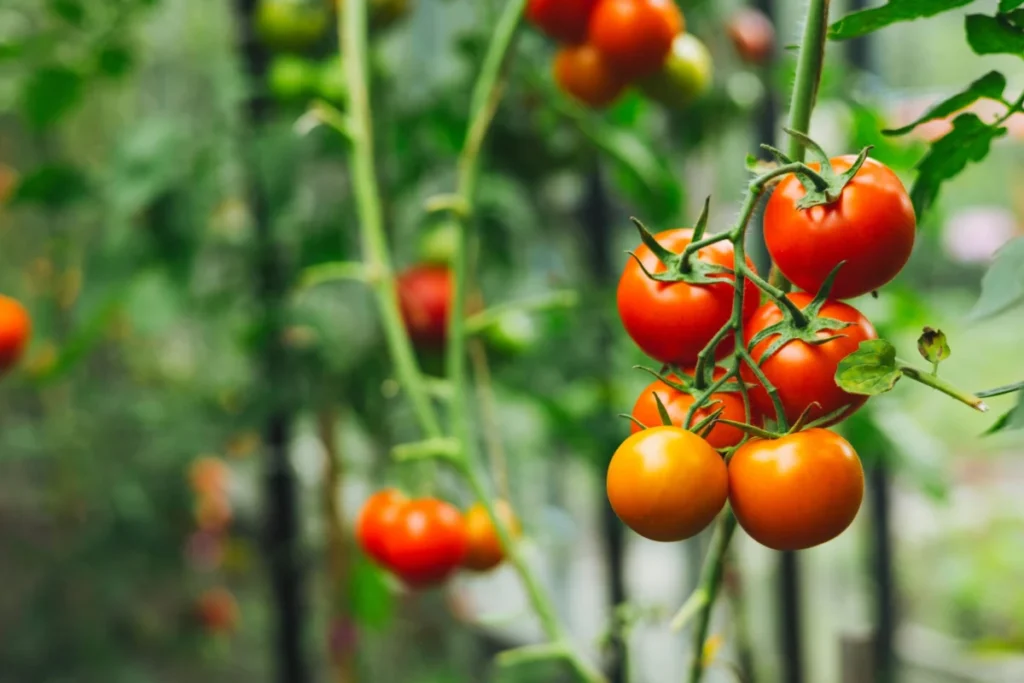

The Comprehensive Guide to Home Tomato Cultivation: From Seedling Management to Harvest Optimization is a fundamental resource for modern gardeners seeking to maximize the yield and quality of one of the world’s most popular home-grown crops. As global interest in food security and organic produce continues to rise, the tomato (Solanum lycopersicum) has emerged as the centerpiece of the "edible landscape" movement. Whether grown in expansive rural plots, suburban raised beds, or urban balcony containers, the success of a tomato harvest relies on a precise understanding of botanical classifications, soil chemistry, and environmental management. Industry experts, including landscape designer Amy Pallenberg and horticulture educator Bruce J. Black, emphasize that while tomatoes are resilient, achieving a professional-grade harvest requires a disciplined approach to cultivation.
The Botanical Divide: Understanding Tomato Classifications
A critical first step in tomato cultivation is the selection of the appropriate variety, a decision that dictates the space requirements and maintenance schedule for the entire growing season. Tomatoes are primarily categorized into two growth habits: determinate and indeterminate.
Determinate varieties, often referred to as "bush" tomatoes, are genetically programmed to grow to a compact height—typically three to four feet. According to Bruce J. Black of the University of Illinois Extension, these plants produce fruit on their growing tips, which effectively halts the plant’s vertical progression once the fruit has set. This predictable growth pattern makes determinate varieties, such as Roma and the Mountain series, ideal for gardeners with limited space or those utilizing containers.
Conversely, indeterminate varieties are vining plants that continue to grow and produce fruit along side branches throughout the entire growing season until the first frost. These plants can reach heights of eight to ten feet or more, requiring robust trellising systems. Popular heirlooms like Cherokee Purple and Brandywine fall into this category. While they require more intensive labor in terms of pruning and support, they are prized for their extended harvest window and complex flavor profiles.

The Cultivation Timeline: From Germination to Transplant
The chronology of a successful tomato season begins long before the last frost. For gardeners starting from seed, the process must commence in early spring, approximately six to eight weeks before the intended transplant date.
- Indoor Germination: Successful germination requires a controlled environment. Expert Amy Pallenberg notes that soil temperature is the most critical factor, with a minimum of 70 degrees Fahrenheit required for optimal sprouting. Utilizing a sterile germination mix rather than standard garden soil is essential to prevent "damping off," a fungal disease that can kill young seedlings.
- Seedling Development: Once sprouts emerge, they require intense light and consistent moisture. Pallenberg suggests using containers with high drainage, such as cardboard egg crates or specialized seed trays. A key strategy for building resilience is allowing the soil to dry slightly between waterings, which encourages the development of a robust root system.
- The Transplant Phase: Transitioning plants to the outdoors is a high-risk period. Gardeners must wait until the threat of frost has entirely passed and soil temperatures have stabilized. When transplanting, Pallenberg recommends a technique known as "deep planting." By pinching off the lower foliage and burying the stem six inches deeper than its previous soil level, the plant develops adventitious roots along the buried stem, doubling the root mass and significantly increasing the plant’s stability and nutrient uptake.
Optimizing the Growing Environment: Soil and Sun Requirements
Tomatoes are high-energy plants that demand specific environmental conditions to thrive. Professional standards dictate that tomato plants require a minimum of six to eight hours of full solar exposure daily. Without adequate sunlight, plants become "leggy" and fruit production is severely diminished.
Soil health is the next pillar of cultivation. According to research from the University of Georgia, the ideal soil pH for tomatoes ranges between 6.2 and 6.8. This slightly acidic environment ensures that essential micronutrients remain bioavailable to the plant.
Fertilization must be approached with scientific precision. While tomatoes are "heavy feeders," an overabundance of nitrogen can be detrimental. Bruce J. Black warns that excessive nitrogen promotes "vegetative growth over flowering and fruiting," resulting in lush green plants with very few tomatoes. A balanced fertilizer with an N-P-K (nitrogen-phosphorus-potassium) ratio under 10 is generally recommended. Furthermore, the addition of calcium—often through finely ground eggshells—is a standard preventative measure against blossom-end rot, a common physiological disorder.
Strategic Maintenance: Pruning and Support Systems
As the season progresses into the mid-summer months, maintenance shifts toward structural support and airflow management. Because tomato plants, particularly indeterminate varieties, can become heavy and unwieldy, staking is mandatory. High-quality options like Texas tomato cages provide the necessary rigidity for large plants, though traditional wooden stakes and twine remain effective for smaller-scale operations.

Pruning is another essential task for the serious gardener. Vining tomatoes produce "suckers," which are small shoots that emerge from the axil (the crotch where a leaf branch meets the main stem). If left unchecked, these suckers consume energy and create a dense canopy that restricts airflow. Pruning these suckers improves light penetration and reduces the risk of fungal diseases. Experts suggest thinning suckers once the plant is heavily loaded with flowers to balance growth with fruit production.
Biological Synergy: The Role of Companion Planting
Modern horticultural practices increasingly incorporate companion planting to manage pests and enhance pollination without the use of harsh chemicals. Amy Pallenberg highlights the efficacy of interplanting tomatoes with aromatic species:
- Basil and Alliums: These plants emit scents that act as natural deterrents for various insect pests.
- Marigolds: Often used in professional landscapes, marigolds attract pollinators while certain varieties can suppress harmful soil-borne nematodes.
- Nasturtiums: These act as a "trap crop," attracting aphids away from the tomato plants and onto themselves, where the pests can be more easily managed.
Troubleshooting Common Pathologies and Pests
Even with meticulous care, tomato plants are susceptible to environmental and biological stressors. One of the most visually striking threats is the tomato hornworm (Manduca quinquemaculata). These large green caterpillars can defoliate a plant in days. Bruce J. Black recommends a specialized scouting technique: using a handheld blacklight at night. The caterpillars fluoresce under ultraviolet light, making them easy to identify and remove. However, if a hornworm is found covered in small white cocoons, it should be left in place; these are the pupae of parasitic braconid wasps, which serve as a natural biological control.
Environmental issues like fruit cracking and blossom-end rot are typically linked to water management. Cracking occurs when a period of drought is followed by heavy rain or overwatering, causing the interior of the fruit to expand faster than the skin. Blossom-end rot, characterized by a leathery brown patch on the bottom of the fruit, is caused by localized calcium deficiency exacerbated by inconsistent soil moisture. Mulching is a highly recommended solution to stabilize soil moisture levels and protect the root zone from temperature fluctuations.
The Harvest: Timing and Post-Harvest Handling
The culmination of the growing season is the harvest, which generally occurs 60 to 100 days after transplanting, depending on the variety. For peak flavor and nutritional density, tomatoes should be harvested when they have reached full color and are firm to the touch.

Black notes that the highest quality fruit ripens when daily average temperatures hover around 75 degrees Fahrenheit. In extreme heat, tomatoes may soften and degrade prematurely, necessitating daily garden inspections. If frost is imminent or if fruit is splitting, tomatoes can be picked while still slightly immature and allowed to finish ripening on a room-temperature counter, away from direct sunlight.
Broader Impact and Economic Implications
The resurgence of home tomato cultivation reflects a broader shift in consumer behavior toward "hyper-local" food systems. The "Tomato Girl Summer" trend of 2023, while largely a social media aesthetic, underscored a genuine cultural movement toward domesticity, gardening, and artisanal food preservation.
Economically, the ability to grow and preserve tomatoes through canning and pickling offers households a buffer against food price inflation. Environmentally, home gardening reduces the carbon footprint associated with commercial agricultural transport and packaging. As climate patterns become more unpredictable, the mastery of home cultivation techniques serves as a vital tool for personal resilience and community sustainability.
In conclusion, growing tomatoes is a blend of botanical science and patient observation. By selecting the right varieties, maintaining soil health, and proactively managing pests and water, gardeners can transition from casual hobbyists to successful producers of high-quality, nutrient-dense food.