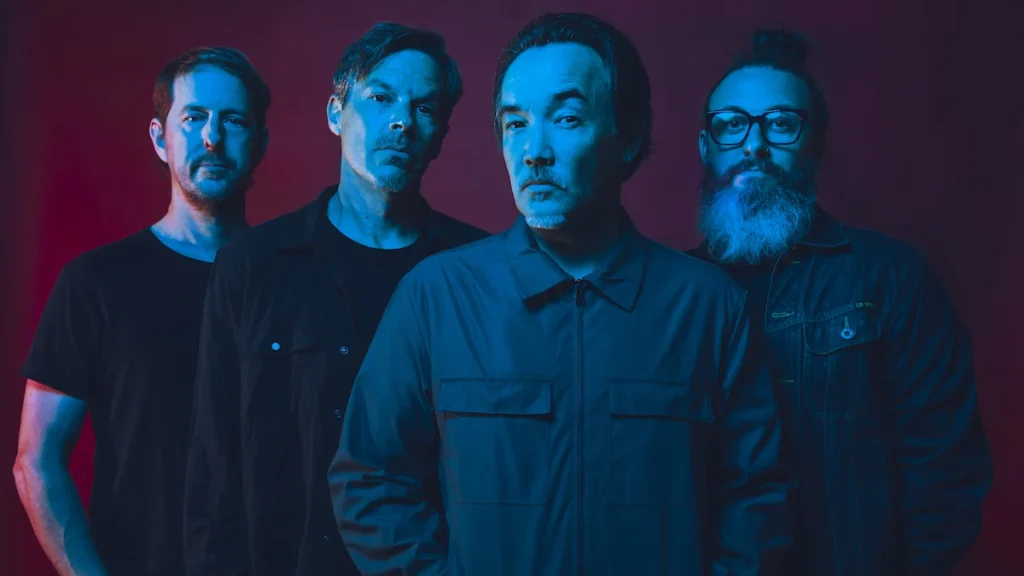

Hoobastank, the California-bred rock quartet, has marked its return to the music scene with "How Do You Sleep?," their first new single in eight years, signaling a distinct stylistic pivot back to the band’s foundational 1990s punk roots. The track, released today, June 20, 2026, presents a stark contrast to the melodic post-grunge and alternative rock for which the band gained widespread recognition in the early 2000s, most notably with their global hit "The Reason." This strategic re-engagement with their original sound has been met with significant interest from both long-time fans and industry observers, eager to assess the implications of this creative direction for the veteran group.
A Return to Aggressive Origins
While Hoobastank is most frequently associated with the ubiquitous 2003 ballad "The Reason" and the mainstream rock hit "Crawling the Dark" from their self-titled 2001 album, the band’s genesis tells a different story. Formed in Agoura Hills, California, in 1994, the group initially emerged as a ska-punk act, a subgenre popular in the Southern California music scene of the mid-1990s. This early incarnation, featuring frontman Doug Robb, guitarist Dan Estrin, bassist Markku Lappalainen (later replaced by Jesse Charland), and drummer Chris Hesse, honed a raw, energetic sound that garnered a local following before their eventual shift towards a more radio-friendly alternative rock style.
"How Do You Sleep?" serves as a powerful testament to this often-overlooked chapter of Hoobastank’s history. Produced by the acclaimed Howard Benson, known for his work with a diverse array of rock acts including My Chemical Romance, P.O.D., Papa Roach, and Skillet, the song eschews the polished production and anthemic choruses of their most famous tracks. Instead, it embraces a driving rhythm section, sharp guitar riffs, and a vocal delivery from Doug Robb that delves into a near-hardcore intensity, drawing comparisons to contemporaries like The Offspring and Sum 41. The sonic texture is grittier, faster, and more overtly aggressive than anything Hoobastank has released in decades, positioning it firmly within the contemporary punk revival while simultaneously honoring their own past.
Creative Renewal and Production Insights
The decision to revisit their punk origins was not made in isolation. Frontman Doug Robb articulated a sense of liberation regarding the new release, stating, "I feel good about releasing new music. It’s kind of like a creative ‘pressure valve’ has been opened." This sentiment suggests a conscious effort to break free from perceived stylistic constraints or expectations that may have accumulated over their extensive career. Robb further credited producer Howard Benson with facilitating this creative resurgence, noting, "Howard Benson’s enthusiasm was a big part of opening it for us. He gave us direction but also a lot more freedom than he may have previously."
Benson’s involvement is particularly significant. His extensive resume showcases an ability to craft impactful rock records across various subgenres, often bringing a sharp, commercial edge without sacrificing authenticity. For "How Do You Sleep?," Benson appears to have leveraged his experience to strip back Hoobastank’s sound, allowing the raw energy and punk ethos to shine through. This collaboration implies a deliberate choice by the band to explore sonic territories that resonate more deeply with their initial musical inclinations, potentially in response to a desire for artistic rejuvenation after a prolonged period of inactivity. The producer’s encouragement to experiment and diverge from their established sound indicates a collaborative environment focused on artistic exploration rather than commercial replication.
A Look Back: Hoobastank’s Chronology and Evolution
Hoobastank’s journey through the music industry has been marked by significant shifts in sound and commercial success.
- 1994-1999: The Ska-Punk Genesis: Formed in Agoura Hills, California, the band quickly became a fixture in the local Southern California scene, playing alongside bands that would define the burgeoning punk and alternative landscape. Their independent release, They Sure Don’t Make Basketball Shorts Like They Used To (1998), showcased their early ska-punk leanings and raw energy, attracting the attention of major labels.
- 2001: Mainstream Breakthrough with Hoobastank: Signing with Island Records, the band released their self-titled major-label debut. The album featured the breakout hit "Crawling in the Dark" and "Running Away," which propelled them into the alternative rock mainstream. This period saw a significant departure from their ska-punk roots towards a more accessible post-grunge and alternative rock sound, characterized by heavy guitar riffs and melodic vocal lines.
- 2003: The Global Phenomenon of The Reason: Their third studio album, The Reason, solidified their status as a global rock act. The album’s title track became an international sensation, peaking at No. 2 on the Billboard Hot 100 and No. 1 on the Modern Rock Tracks chart. "The Reason" transcended genre boundaries, becoming a ubiquitous ballad that garnered extensive radio play and critical attention, earning the band Grammy nominations and multi-platinum certifications worldwide. While an immense success, it also largely defined the band in the public consciousness, often overshadowing their broader discography.
- 2006-2018: Subsequent Releases and Shifting Soundscapes: Following The Reason, Hoobastank continued to release albums, including Every Man for Himself (2006), Fornever (2009), Fight or Flight (2012), and Push Pull (2018). These albums explored various facets of alternative rock, often incorporating pop sensibilities and more experimental elements, though none replicated the commercial impact of The Reason. The band maintained a loyal fanbase and continued to tour, navigating the evolving music landscape.
- 2018-2026: The Eight-Year Hiatus: After the release of Push Pull, Hoobastank entered a period of relative quiet, with no new music released for eight years. This hiatus, common for established bands, often provides an opportunity for introspection, artistic re-evaluation, and a fresh approach to songwriting. The return with "How Do You Sleep?" clearly demonstrates that this period was utilized to re-examine their core identity.
The Warped Tour Appearance and Live Impact
Adding to the significance of the single’s release, Hoobastank performed "How Do You Sleep?" live at the Vans Warped Tour in Washington, D.C., over the weekend preceding the official single launch. This performance venue is particularly symbolic, as the Vans Warped Tour historically served as a crucial platform for punk, pop-punk, and alternative bands throughout its nearly 25-year run. Playing a new, punk-infused track at such an iconic festival not only offered an immediate live debut but also symbolically reconnected the band with the very scene that fostered their early development. The audience reaction at Warped Tour would have provided immediate feedback on their new direction, indicating a confident embrace of their revitalized sound in a live setting. This strategic performance underscored the band’s commitment to their punk revival, choosing a stage that resonates deeply with the genre’s history and fanbase.
Touring with Staind: A Synergistic Pairing
"How Do You Sleep?" currently stands as a standalone single, with no immediate announcements regarding a forthcoming album. However, Hoobastank is set to embark on a significant tour as support for Staind’s Break the Cycle 25th-anniversary tour, commencing on September 8th in Atlanta. This pairing is noteworthy, as both bands rose to prominence in the late 1990s and early 2000s, sharing a similar era of alternative and nu-metal rock dominance. Staind’s Break the Cycle album, released in 2001, was a commercial powerhouse, known for its heavy yet melodic sound and introspective lyrics.
The tour provides Hoobastank with a prime opportunity to present their new material to a receptive audience, many of whom would be familiar with their older work but perhaps less aware of their punk origins. The synergy between the two bands, both veterans of the post-grunge and alternative rock landscape, could create a compelling live experience. For Hoobastank, it’s a chance to demonstrate the versatility of their catalog, seamlessly integrating the aggressive new single with their established hits, potentially showcasing a more dynamic and diverse live performance than fans might anticipate. The tour serves as a crucial platform for the band to gauge audience reaction to their updated sound and build momentum for any potential future album releases.
Broader Implications and Future Outlook
Hoobastank’s decision to pivot back to their punk roots with "How Do You Sleep?" carries several implications for their career trajectory and their place within the broader rock landscape.
Reinvention and Identity: For a band often defined by a single, massively successful ballad, this move represents a bold attempt at artistic reinvention. It allows Hoobastank to re-engage with a sound that predates their mainstream success, potentially attracting new listeners who appreciate contemporary punk and alternative rock, while also appealing to long-time fans who remember their earlier material. This could help them shed the "one-hit wonder" label in the eyes of some and solidify their identity as a diverse and evolving rock act.
Fan Base Dynamics: The reception among their existing fanbase will likely be diverse. Fans who gravitated towards the melodic rock of The Reason might find the new aggressive sound a departure, while those who followed the band from their ska-punk days or appreciate their heavier tracks will likely embrace it. The challenge for Hoobastank will be to bridge these segments of their audience, demonstrating that their evolution is authentic rather than a calculated shift.
Resurgence of Early 2000s Rock: This move also aligns with a broader trend of artists from the late 1990s and early 2000s either reuniting, releasing new material, or revisiting earlier styles. There’s a palpable nostalgia for the sounds of that era, and Hoobastank’s return with a track that channels their original energy taps into this cultural moment. It positions them not just as a legacy act but as one actively contributing to the contemporary rock dialogue.
Creative Freedom and Longevity: Doug Robb’s comments about creative freedom suggest that this new direction is internally driven and artistically satisfying. Such a mindset can be crucial for the long-term longevity of a band, allowing them to pursue music that genuinely excites them rather than conforming to past successes. If "How Do You Sleep?" is a precursor to a full-length album, it could signal a new chapter for Hoobastank, one characterized by a renewed sense of purpose and a more aggressive sonic palette.
As of now, the focus remains on "How Do You Sleep?" as a powerful statement piece. The accompanying official music video, released simultaneously with the single, offers a visual component to this sonic reintroduction, further cementing the band’s renewed aesthetic. Whether this single serves as a prelude to a comprehensive album or remains a standalone declaration of intent, it unequivocally marks a significant and assertive return for Hoobastank, boldly reclaiming their punk heritage and setting a new course for their future endeavors in the ever-evolving landscape of rock music. The journey from Agoura Hills ska-punk to global balladry and back to aggressive punk demonstrates a remarkable resilience and willingness to evolve, solidifying Hoobastank’s place as a dynamic force in alternative rock.