

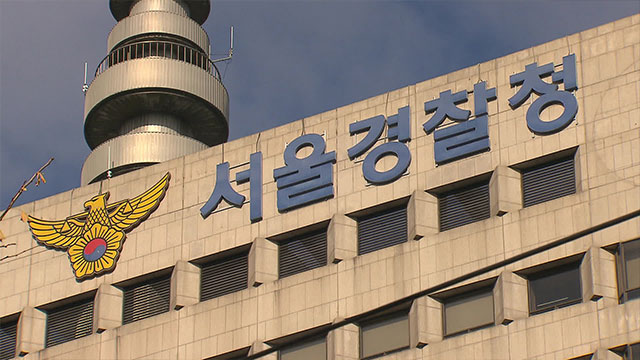
The Seoul Metropolitan Police Agency has officially forwarded a former professional tennis player and television personality, identified as a man in his 30s referred to as "Man A," to the prosecution on charges related to the non-consensual distribution of intimate video footage. The case, which has sent shockwaves through both the sporting and entertainment communities in South Korea, involves allegations that Man A shared sexually explicit videos of his then-girlfriend with a third party without her knowledge or consent. The referral to the prosecution, made without detention late last month, marks a significant step in a legal process that highlights the ongoing struggle against digital sex crimes in the country.
Detailed Allegations and Investigative Findings
According to reports from the Seoul Metropolitan Police and local media outlets, including Money Today, Man A is accused of violating the Act on Special Cases Concerning the Punishment of Sexual Crimes. The core of the prosecution’s case rests on the allegation that Man A repeatedly sent videos and photographs of himself having sexual intercourse with his then-girlfriend, "Woman B," to another individual, "Woman C." These incidents reportedly occurred multiple times over a period spanning from mid-2024 to April 2025.
Man A’s profile has added a layer of public interest to the case. A former athlete who competed for a corporate tennis team, he successfully transitioned into the public eye, appearing in various films and popular variety programs. This crossover appeal from the world of professional sports to mainstream media has made the allegations particularly damaging to his public image.
Furthermore, the investigation has hinted at a broader pattern of behavior. Police sources indicate that during the forensic examination of digital devices and the subsequent investigation, signs were discovered suggesting the existence of at least two additional victims beyond Woman B. While charges regarding these potential victims have not yet been formalized in the current referral, the possibility of a serial element to the offenses remains a point of concern for investigative authorities.

The Involvement of Woman C and the Legal Fallout
The recipient of the distributed materials, Woman C, has also found herself under intense legal and social scrutiny. Reports identify Woman C as the wife of a prominent YouTube content creator who was previously a member of a well-known singing duo. She is described as a long-time acquaintance of Man A.
Woman C was investigated and subsequently forwarded to the prosecution on charges of possessing or viewing filmed material distributed without the subject’s consent. Under South Korean law, the act of knowingly receiving and viewing such material is a punishable offense, reflecting the judiciary’s intent to curb the demand side of digital sex crimes. However, in a move that has sparked debate, prosecutors ultimately issued a suspended indictment against Woman C. A suspended indictment means that while the prosecutor believes a crime was committed, they have chosen not to bring the case to trial at this time, often citing factors such as the nature of the offense, the defendant’s motive, and whether it is a first-time violation.
The details regarding Woman C’s involvement are particularly controversial. Investigative reports suggest that upon receiving the intimate photos and videos, Woman C did not merely act as a passive recipient. Allegedly, she exchanged messages with Man A that included disparaging remarks about Woman B’s physical appearance and, in some instances, requested that Man A send additional explicit material.
In her defense, Woman C’s legal representatives and associates have claimed that she was caught off guard by Man A’s actions. Their statement asserted that Man A suddenly sent the videos to multiple individuals, including his own wife, and that Woman C was "flustered" and failed to react appropriately or stop the transmission in the heat of the moment. Furthermore, her side initially claimed she could not apologize to the victim because she did not know Woman B’s identity. This claim has been contested by reports confirming that Woman C had, in fact, already been in communication with Woman B prior to the legal escalation.
Chronology of the Case and Investigative Hurdles
The timeline of the case suggests a prolonged period of alleged misconduct followed by a complex investigative phase:

- Mid-2024 to April 2025: The period during which Man A is alleged to have distributed the non-consensual intimate footage to Woman C on multiple occasions.
- Early 2025: Initial reports or complaints likely reached law enforcement, leading to the commencement of a digital forensic investigation.
- May 2025: The Seoul Metropolitan Police Agency concludes its initial investigation into Man A and Woman C.
- Late May 2025: Man A is forwarded to the prosecution without detention. Woman C is also forwarded, eventually receiving a suspended indictment.
- June 14, 2025: The case becomes public through major media reporting, detailing the identities of the involved parties as public figures.
A significant point of contention in the legal proceedings thus far is the exclusion of "illegal filming" charges against Man A. While he is being prosecuted for the distribution of the material, the police did not find sufficient evidence to prove that the videos were recorded without Woman B’s initial consent. In South Korean law, a distinction is made between filming without consent and distributing material that may have been filmed with consent but shared without it. Both are criminal acts, but they carry different evidentiary requirements.
Woman B has reportedly expressed dissatisfaction with this limitation. She has since submitted additional evidence to the authorities, requesting a supplementary investigation into whether the filming itself was illicit and whether there were other instances of distribution or additional victims.
The Stance of the Accused
Man A has maintained a largely defensive posture. Reports indicate that he has not offered an apology to Woman B. When questioned about the allegations and the referral to the prosecution, Man A stated that he is currently "gathering materials and discussing the matter with a lawyer." His lack of contrition has been a focal point for critics who argue that public figures should be held to a higher standard of accountability, especially in cases involving the violation of personal privacy and sexual autonomy.
Legal Framework: Digital Sex Crimes in South Korea
This case is situated within a broader legal and societal context in South Korea, where "digital sex crimes" have become a matter of national emergency. The "Act on Special Cases Concerning the Punishment of Sexual Crimes" was significantly strengthened following the 2020 "Nth Room" scandal, which involved the widespread distribution of exploitative content via Telegram.
Under Article 14 of this Act:
- Illegal Filming: Anyone who takes photographs or videos of another person’s body against their will in a way that causes sexual shame or desire can face up to seven years in prison or a fine of up to 50 million won.
- Distribution: Even if the filming was done with consent, the subsequent distribution, sale, or public display of that material without the subject’s consent is punishable by the same penalties.
- Possession/Viewing: The 2020 amendments made it a crime to simply possess, purchase, store, or view such illegally distributed material, carrying a sentence of up to three years in prison.
The suspended indictment of Woman C highlights the discretionary power of the prosecution in these cases. While the law allows for the punishment of viewers, the court often weighs the "intent" and "degree of participation." Critics argue that a suspended indictment for someone who allegedly requested more material sends a weak message, while proponents of the decision might argue that her role was secondary to the distributor’s.
Broader Implications and Societal Impact
The involvement of a former athlete and a media personality underscores the pervasive nature of digital sex crimes, which can involve individuals from all walks of professional life. The case has reignited discussions on several fronts:
1. The "Secondary Victimization" of Complainants:
Woman B’s situation illustrates the challenges victims face when their private lives are exposed. The alleged disparagement of her body by Woman C in text messages is a textbook example of secondary victimization, where the victim suffers further emotional and social harm after the initial crime.
2. Accountability of Public Figures:
As Man A had a presence on television and in film, his actions have sparked a debate on the "moral qualifications" of celebrities. There is a growing call for the entertainment industry to implement stricter vetting processes and for broadcasting networks to permanently ban individuals convicted of digital sex crimes.
3. The Ethics of Digital Consumption:
The prosecution of Woman C serves as a stark reminder to the public that digital sex crimes are not just the fault of the uploader. By viewing or requesting such content, individuals participate in a cycle of exploitation. The legal focus on the "recipient" is a relatively new but crucial development in South Korean jurisprudence.

4. The Need for Supplementary Investigations:
The discovery of signs pointing to two additional victims suggests that the current charges against Man A may only be the tip of the iceberg. Legal experts suggest that if further victims are identified and choose to come forward, the charges against Man A could be upgraded to "habitual" offenses, which carry significantly harsher penalties.
Conclusion and Future Outlook
As the case moves to the prosecution, the focus will shift to whether the state will seek a formal trial and imprisonment for Man A. The supplementary evidence provided by Woman B will be critical in determining if the scope of the prosecution will expand to include illegal filming or additional counts of distribution.
This case serves as a high-profile test of South Korea’s resolve to prosecute digital sex crimes under its revised legal statutes. It highlights the intricate link between sports, celebrity culture, and the dark side of digital connectivity. As investigative authorities delve deeper into the forensic evidence, the public remains watchful, seeking justice for the victims and a clear signal that the non-consensual sharing of intimate material will meet with severe legal consequences, regardless of the perpetrator’s social standing.
The legal community will also be watching the handling of Woman C’s suspended indictment. Should new evidence emerge regarding her active solicitation of the videos, the prosecution may face pressure to reconsider its leniency. For now, the case stands as a grim reminder of the lasting trauma inflicted by digital betrayals and the arduous road to legal redress for survivors of non-consensual image distribution.