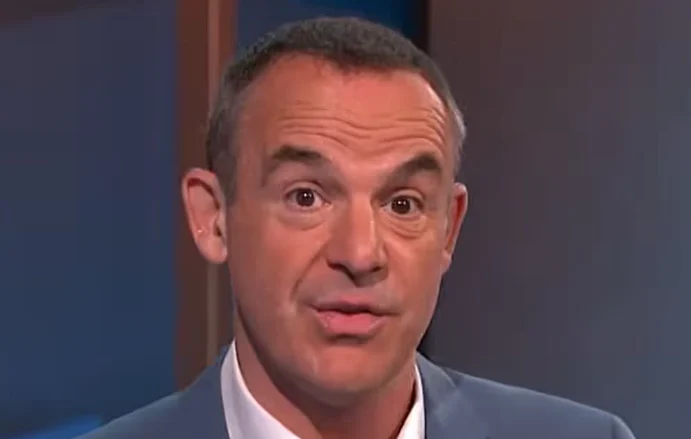

In a significant move aimed at alleviating the persistent financial pressures on households, the newly appointed Labour government, under Prime Minister Andy Burnham, has announced plans to cut Value Added Tax (VAT) on electricity bills by 4.8 per cent, effective from October 1. The government estimates this measure will translate into an annual saving of approximately £45 for a typical household. However, this policy has immediately drawn sharp criticism from consumer finance expert Martin Lewis, founder of MoneySavingExpert.com and a prominent voice on GMB and This Morning, who described the initiative as "very welcomed" but "not enough" to deliver a meaningful financial reprieve. Lewis has robustly argued that projected increases in the energy Price Cap would largely nullify any benefit, casting a shadow of doubt over the practical impact of the government’s much-touted intervention.
The Proposed VAT Cut and Government’s Rationale
Prime Minister Andy Burnham, on only his second day in office, positioned the VAT cut as a direct and immediate response to the ongoing cost of living crisis, fulfilling a key pledge made during Labour’s campaign. "I said I wanted to give people breathing space, and that’s what I’m announcing on my second day as Prime Minister," Burnham stated, emphasizing his commitment to "immediate action to cut taxes on energy bills, put more money in people’s pockets and bring back hope." The reduction in VAT from the standard 5 per cent on domestic energy bills to 0.2 per cent (effectively zero for most practical purposes) is intended to provide tangible relief, especially as households brace for the colder months and typically higher energy consumption. This policy reflects a broader political strategy by Labour to demonstrate proactive governance and a focus on everyday economic challenges faced by the electorate. The government plans to fund this tax cut, estimated to cost around £600 million annually over three years, by reprioritizing savings from existing departmental budgets, specifically by scrapping Sir Keir Starmer’s previously proposed digital ID project. This move underscores a shift in financial priorities, redirecting funds from long-term digital infrastructure projects to immediate consumer relief.
Martin Lewis’s Detailed Critique: A ‘Totem’ Not a Solution
Martin Lewis, renowned for his forensic analysis of consumer finance issues, wasted no time in dissecting the proposed VAT cut, delivering a pointed assessment that highlighted its potential inadequacy. His primary concern centers on the projected 3.1 per cent increase in the energy Price Cap, also set to take effect from October 1. Lewis warned that this anticipated rise would effectively "cancel out" the promised £45 annual saving. On a yearly basis, a 3.1 per cent increase in the Price Cap on a typical household bill amounts to more than £50, meaning the VAT saving would be "mostly eaten up" by the concurrent price hike.
In a video shared on X (formerly Twitter), Lewis elaborated on his analysis, noting that analysts were already deep into the assessment period for calculating the October Price Cap increase, making the 3.1 per cent forecast a highly likely estimate. He further illustrated the volatile nature of the energy market, stating, "Ten days ago the cheapest fix was 14 per cent less than the Price Cap, now it is eight per cent less as wholesale rates have jumped due to the Middle East conflict." This specific data point underscored his broader argument that geopolitical instability and the resulting fluctuations in wholesale energy costs pose a far greater threat to household budgets than any minor tax cut can mitigate.

Lewis acknowledged the symbolic value of the government’s action, conceding, "You are still saving compared to what you would’ve been if this cut hadn’t been made." However, he quickly tempered this by asserting, "but no-one is really going to feel very much change in their pocket from this. It isn’t a huge amount. So while I think it’s a good totem in practical terms, it isn’t enough to make you feel a change in energy bills." His critique suggests that while the gesture is politically commendable, its real-world impact on alleviating the severe financial strain on families will be negligible, potentially fostering a false sense of security rather than genuine "breathing space."
Understanding the Energy Price Cap and Market Dynamics
To fully grasp the implications of Lewis’s critique, it is essential to understand the mechanics of the energy Price Cap. Set by the energy regulator Ofgem, the Price Cap limits the maximum amount suppliers can charge per unit of gas and electricity for those on standard variable tariffs (SVTs). It is reviewed quarterly and influenced by a complex array of factors, predominantly wholesale energy prices, but also network costs, operating costs, and environmental levies.
The UK’s energy market has been profoundly affected by a confluence of global and domestic factors in recent years. The post-pandemic surge in demand, coupled with Russia’s invasion of Ukraine in early 2022, sent wholesale gas prices soaring to unprecedented levels. While prices have somewhat stabilized from their peaks, they remain significantly higher than pre-2021 levels. Geopolitical tensions, such as continued instability in the Middle East and the recent resumption of military action in the US-Iran war, introduce further volatility. These conflicts disrupt global oil and gas markets, leading to supply concerns and price spikes that directly impact the wholesale costs passed on to consumers via the Price Cap. Industry analysts currently forecast the energy price cap for a typical household to be £1,849 from October, but caution that renewed military conflicts could push this figure higher. This underlying market instability makes any modest saving from a VAT cut highly susceptible to being overshadowed by broader price movements.
Chronology of Key Developments:
- Early 2022: UK households grapple with soaring energy bills following global gas price hikes exacerbated by the conflict in Ukraine.
- Throughout 2022-2023: The Ofgem energy Price Cap undergoes significant fluctuations, reaching record highs and contributing to the severe cost of living crisis.
- Pre-Election Period: Labour, then in opposition, pledges to address rising energy costs, including exploring measures like VAT cuts or windfall taxes.
- Recent Weeks: Wholesale energy prices begin to show renewed upward pressure due to escalating geopolitical tensions, particularly in the Middle East.
- Day 2 of Andy Burnham’s Premiership: Prime Minister Burnham announces the 4.8 per cent VAT cut on electricity bills, effective October 1, as an immediate measure to provide "breathing space."
- Concurrent Forecasts: Industry analysts project a 3.1 per cent increase in the energy Price Cap, also effective October 1, largely driven by rising wholesale costs.
- Martin Lewis’s Reaction: Immediately criticizes the VAT cut as insufficient, warning that the Price Cap increase will negate most of the savings.
- Funding Mechanism: Government confirms the VAT cut will be funded by scrapping the digital ID project, estimated at £600 million annually.
- January Forecast: Further price hikes for the energy Price Cap are also forecast for January, indicating ongoing upward pressure on bills.
Broader Context: The Cost of Living Crisis and Government Interventions
The VAT cut announcement comes against a backdrop of a protracted cost of living crisis that has profoundly impacted millions of UK households. Inflation, while easing from its peaks, has eroded real wages, and rising costs across essentials like food, housing, and energy have stretched household budgets to breaking point. Previous government interventions, such as the Energy Price Guarantee and various cost of living payments, provided temporary relief but highlighted the scale of the challenge.

The Labour government’s decision to implement a VAT cut is reminiscent of similar calls made during the height of the crisis by various groups, including opposition parties and consumer advocates. While such measures are politically appealing for their direct impact on consumer bills, economists often debate their effectiveness compared to more targeted support mechanisms for vulnerable households. A universal VAT cut benefits all consumers, regardless of income, meaning wealthier households receive the same percentage reduction as those struggling to make ends meet.
The decision to scrap the digital ID project to fund the VAT cut also carries broader implications. While saving £600 million annually can fund the energy tax cut, it postpones or cancels a potentially significant infrastructure project aimed at modernizing public services and improving security. This highlights a trade-off: immediate financial relief versus long-term digital transformation. The economic analysis of such a decision involves weighing the immediate political and social benefits of easing consumer burdens against the future benefits and efficiencies that a robust digital ID system could have provided.
Reactions from Other Stakeholders and Future Outlook
Beyond Martin Lewis, reactions from other stakeholders are likely to be mixed. Consumer advocacy groups might welcome any reduction in bills but echo Lewis’s sentiment regarding its limited impact. Energy suppliers, while potentially facing administrative adjustments, would likely view the change as largely neutral to their bottom line, as the VAT is typically passed directly to the consumer. Opposition parties are poised to criticize the Labour government for presenting a "token gesture" that fails to address the root causes of high energy prices or provide substantial relief. They may argue that more comprehensive, structural reforms to the energy market or more generous targeted support are required.
The challenge for Prime Minister Burnham’s government will be to balance immediate relief measures with long-term energy policy. Relying solely on tax cuts or subsidies without addressing the fundamental issues of energy supply, infrastructure investment, and renewable energy transition risks creating a cycle of reactive policies. As global energy markets remain volatile and the UK strives to meet its net-zero targets, a holistic strategy that ensures energy security, affordability, and sustainability will be paramount. The VAT cut, while a clear signal of intent from the new administration, is just the first step in what promises to be a complex and ongoing battle against the rising cost of living and the unpredictable nature of global energy markets. The coming months will reveal whether this initial measure can indeed provide the "breathing space" promised or if it will simply be swallowed by the relentless tide of rising energy costs.