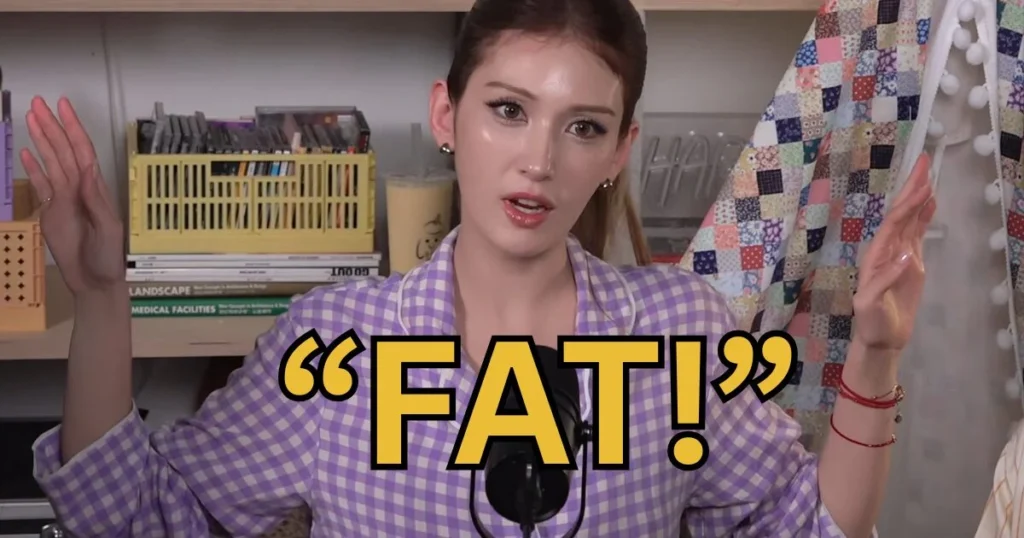

Jeon Somi, the prominent soloist and former member of the project group I.O.I, has become the center of a burgeoning controversy following the release of a promotional video featuring members of the rookie girl group MEOVV. The discourse centers on comments made by the "Fast Forward" singer regarding her personal weight management techniques, which many observers and health advocates have characterized as "toxic" and "harmful." During a segment intended to be a lighthearted exchange between a senior artist and her juniors, Somi revealed a method of self-discipline involving the use of negative labeling that has sparked a wider conversation about body image standards and the influence of established celebrities on younger performers and fans.
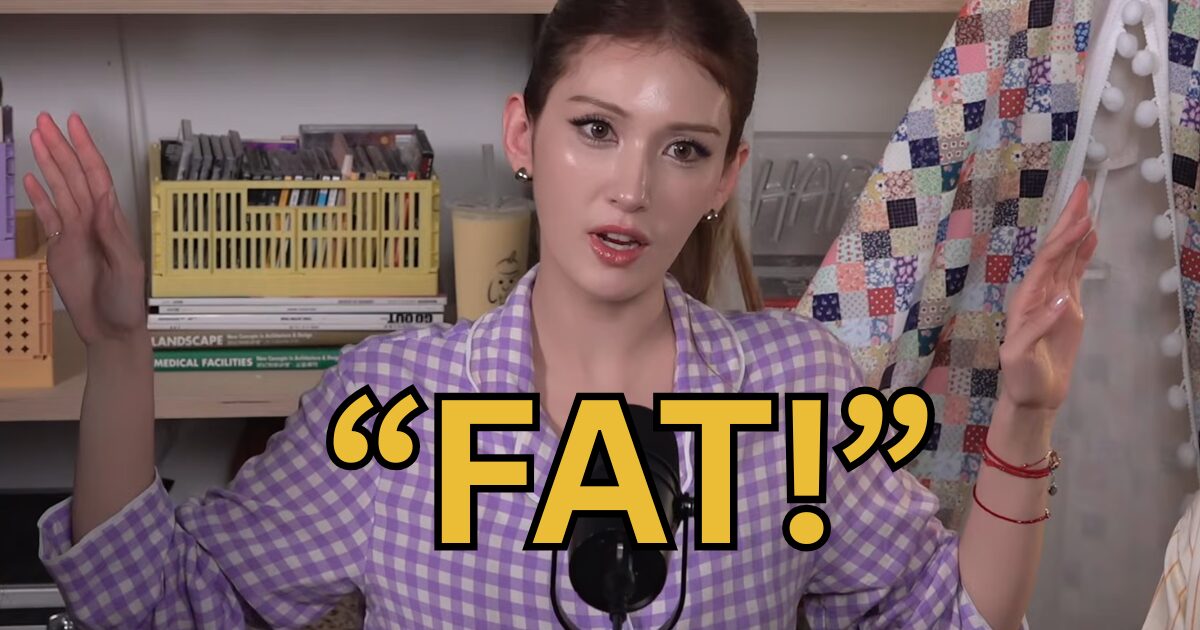
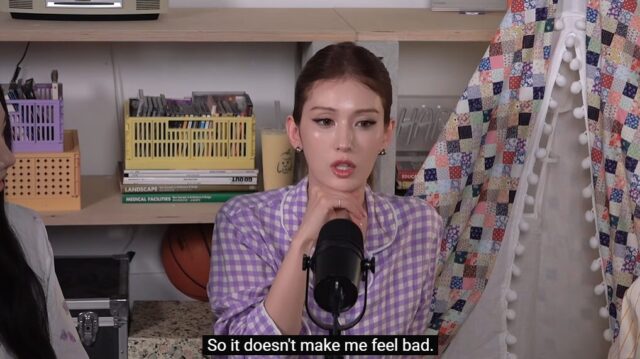
The incident occurred during a guest appearance by MEOVV members Gawon and Ella on Somi’s digital content. The atmosphere of the video was designed to mimic a comfortable "sleepover" or "girls’ talk" setting, a common format in K-pop variety content intended to foster a sense of intimacy between idols and their audience. However, the tone shifted when a viewer submitted a question asking for recommendations for snacks suitable for those currently on a diet. In response, Somi moved beyond suggesting nutritional alternatives, instead detailing a psychological tactic she employs to suppress her appetite and maintain her physique.
The Controversy: Sticky Notes and Self-Shaming
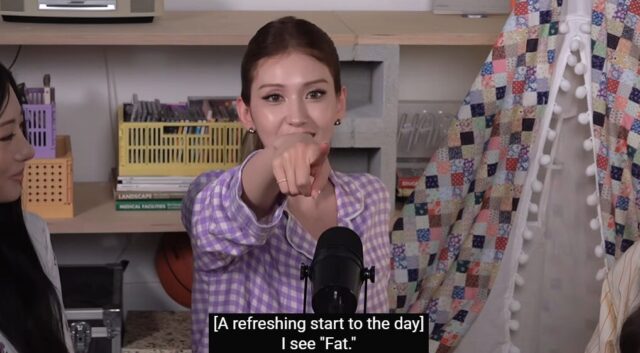
Somi explained to the rookie idols—Gawon and Ella, the latter of whom is a minor and has been in the public eye since childhood as a model—that her method involves writing the word "fat" on sticky notes and placing them in various locations throughout her living space. She specifically mentioned placing these notes on her refrigerator and other areas where she might be tempted to reach for food. According to Somi, these notes serve as a constant "warning sign" to help her exercise "self-control."

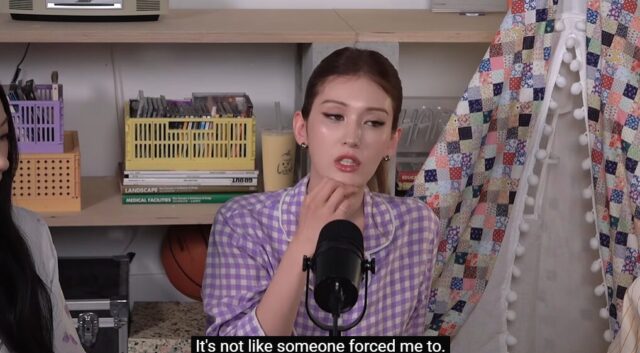
The singer clarified in the video that she was not forced into this behavior by her management, THE BLACK LABEL, but rather adopted it as a personal strategy. Despite this clarification, the admission immediately drew fire from international fans and social media users. The core of the criticism lies in the perception that such a technique promotes internalized fatphobia and utilizes self-shaming as a motivational tool. Critics argue that by labeling the natural presence of body fat or the act of eating as something to be feared or loathed, Somi is reinforcing a dangerous narrative surrounding weight and health.
Chronology of the Social Media Backlash
The video was published on June 14, 2026, and within hours, clips of the specific segment began circulating on X (formerly Twitter) and TikTok. The reaction was swift and predominantly negative. By the two-hour mark, several posts highlighting the comments had reached viral status, garnering thousands of retweets and sparking heated debates in the comments sections.

On X, users expressed concern not only for Somi’s own mental well-being but also for the influence her words might have on Gawon and Ella. One widely shared post noted the "disturbing" nature of admitting such a practice publicly, especially when addressed to a 17-year-old rookie idol. The user wrote, "I say this at the risk of sounding like an ahole, she could have kept this to herself instead of airing it out to a pot[ential] young & influential audience. If u wanna put ur health at risk to be skinny fine… but that’s disturbing to admit publicly."
Other netizens pointed out the contradiction between the "sleepover vibe" of the video and the "extremely toxic behavior" being discussed. The phrase "fatphobia" trended in K-pop circles as fans debated whether cultural differences justified the comments or if the promotion of such methods crossed a universal line regarding health and safety.

The Context of K-pop Beauty Standards
To understand the intensity of the reaction, one must look at the historical context of dieting within the South Korean entertainment industry. K-pop has long been criticized for its "extreme" beauty standards, which often demand that idols maintain weights that are significantly below the healthy BMI range for their height. Historically, idols have spoken about "paper cup diets," where all food for a day must fit into a small paper cup, or the "ice cube diet," where performers consume only ice to stave off hunger before a comeback.
Jeon Somi herself has been open about her weight in the past. During her "DUMB DUMB" promotions in 2021, she revealed she had dropped to 46kg (approximately 101 lbs) for her height of 172cm (5’8"). While she emphasized that she achieved this through healthy exercise and a structured diet, the revelation sparked concern among fans who felt such a low weight was unsustainable. In the years following, Somi has often been praised for her athletic physique, but this latest revelation suggests that the psychological pressure to remain "camera-ready" remains a significant factor in her daily life.

The controversy is further complicated by Somi’s role as a senior artist (sunbae) at THE BLACK LABEL. As a mentor figure to the members of MEOVV, her habits and advice carry significant weight. Industry analysts note that rookie idols are particularly vulnerable to the suggestions of their seniors, often viewing their success as a direct result of their lifestyle choices, including their dieting habits.
Psychological Implications and Expert Perspectives
While no official medical statement has been released regarding this specific incident, psychological studies on weight stigma and negative reinforcement suggest that Somi’s "sticky note" method aligns with behaviors that can lead to disordered eating. According to mental health experts, using shame-based triggers—such as labeling oneself or one’s environment with words like "fat"—can increase cortisol levels and lead to a negative body image.

Data from the National Eating Disorders Association (NEDA) indicates that weight-shaming does not actually lead to healthier outcomes; instead, it is a significant risk factor for the development of eating disorders and depression. In the context of a high-pressure industry like K-pop, where one’s appearance is tied to their professional viability, the stakes of such psychological tactics are even higher.
Furthermore, the impact on the audience cannot be understated. K-pop has a massive global demographic of teenagers and young adults. When an idol as influential as Somi—who has millions of followers on Instagram and YouTube—normalizes self-shaming, it can inadvertently validate similar behaviors among fans who may already be struggling with body dysmorphia.
Broader Impact on the Industry and Official Responses
As of the time of reporting, neither Jeon Somi nor THE BLACK LABEL has issued an official response or clarification regarding the comments. In the past, labels have occasionally edited or removed content that sparked significant public outcry, but the video in question remains accessible.
The incident has reignited calls for "idol wellness" programs and stricter regulations on how weight and dieting are discussed in media content. Some advocates suggest that entertainment companies should employ nutritionists and mental health professionals to vet variety show scripts and ensure that the advice being shared is scientifically sound and psychologically safe.
The backlash also highlights a growing divide between traditional Korean entertainment norms and the expectations of a globalized fan base. While the "tough love" approach to dieting has been a staple of K-pop training for decades, international fans are increasingly vocal about their refusal to accept these standards as "cultural differences." This shift in consumer sentiment is forcing agencies to reconsider the "behind-the-scenes" stories they choose to share.
Conclusion and Future Outlook
The controversy surrounding Jeon Somi’s dieting comments serves as a stark reminder of the persistent pressures faced by K-pop idols. While Somi’s intent may have been to share a candid "hack" for self-discipline, the public’s reaction underscores a significant concern for the health of both the performers and their impressionable audience.
As MEOVV continues their debut promotions, the industry will be watching closely to see if this incident prompts a change in how THE BLACK LABEL manages the public image and health narratives of its artists. For Somi, a performer known for her charisma and "cool" persona, this moment of "disturbing" honesty has created a rare rift with her fan base, one that may require more than a simple apology to mend. The ongoing debate emphasizes that in the modern era of entertainment, the responsibility of an idol extends beyond the stage and into the very real, often sensitive, realm of public health and body positivity.