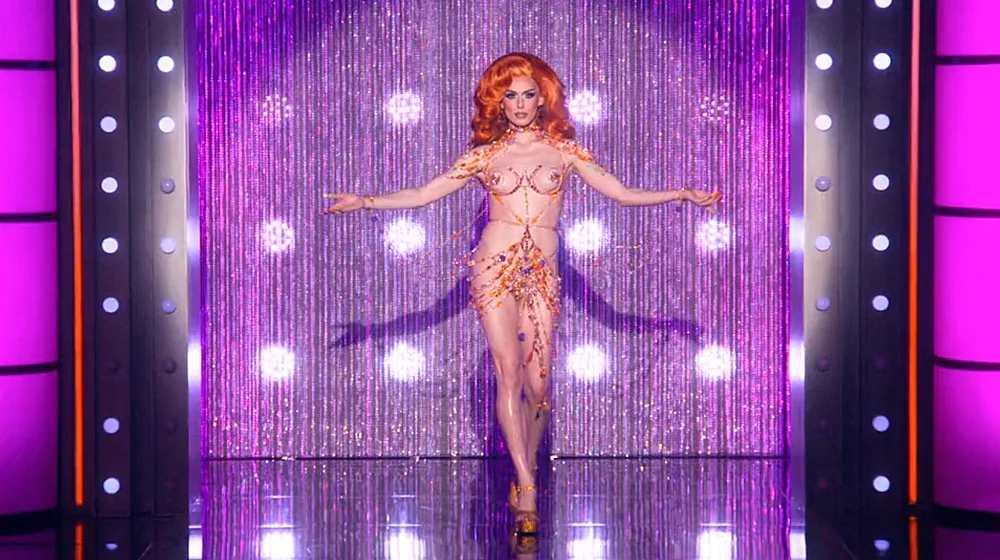

The seventh episode of RuPaul’s Drag Race All Stars Season 11 centered on a demanding creative hurdle for its third bracket of contestants: the Athletic Supporter Design Challenge. This installment of the long-running reality competition franchise required the participating queens to construct high-fashion "eleganza" looks using a primary medium of athletic gear, specifically jockstraps, mesh, and various sports-related materials. As the season progresses through its unique bracketed format, this episode served as a pivotal moment for both seasoned veterans and "Porkchop" queens—those eliminated early in their original seasons—to demonstrate their growth in garment construction, styling, and brand identity.

Main Facts and Challenge Overview
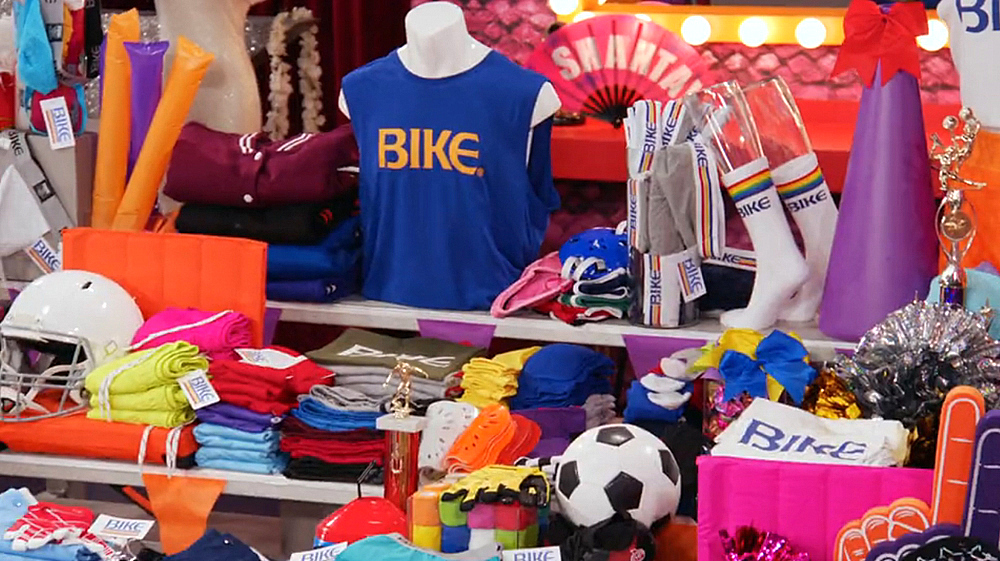
The "Athletic Supporter Design Challenge" is a variation of the classic "unconventional materials" challenge that has been a staple of the RuPaul’s Drag Race franchise since its inception in 2009. In this iteration, the "third shift" of the season’s cast was tasked with taking functional, masculine-coded athletic equipment and transforming it into feminine, high-concept drag. The challenge tests three specific skill sets: technical sewing ability, the capacity for innovative "proportionizing" (the art of using padding and garment shape to create a feminine silhouette), and the ability to maintain a distinct drag persona under high-pressure time constraints.
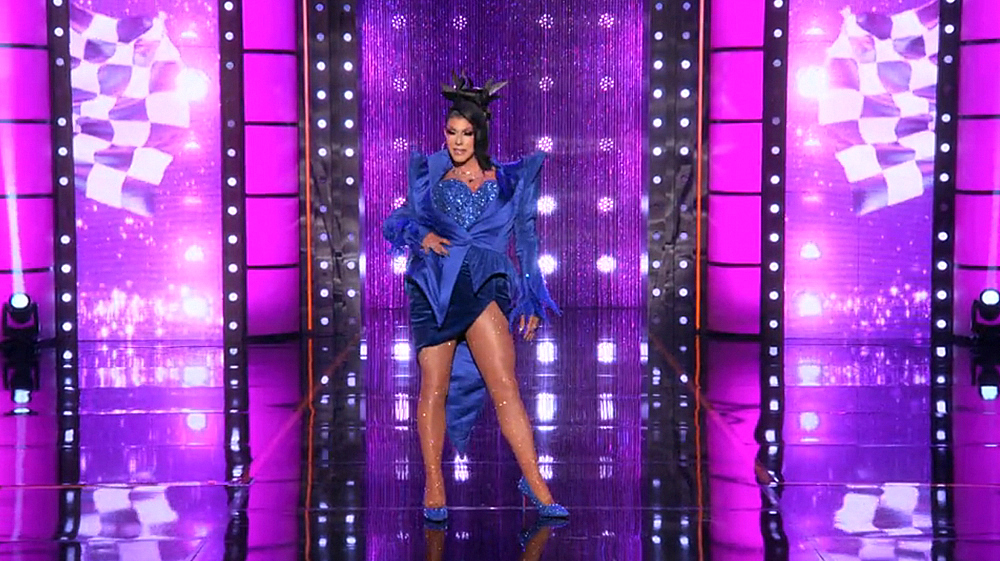
The episode followed a structured format, beginning with the introduction of the bracket, moving into the design and fabrication phase in the "Werk Room," and culminating in a runway presentation titled "Athletic Supporter Eleganza." The judging panel, led by RuPaul Charles and Michelle Visage, evaluated the looks based on construction quality, runway walk, and the "wow factor" of the transformation.
Chronology of the Episode
The episode’s timeline began with the entrance of the third bracket of queens, a group characterized by a mix of "shady" comedic personalities and high-stakes competitors. The initial segment involved a detailed explanation of the rules, which emphasized that the final garments must be constructed primarily from the provided athletic supplies.
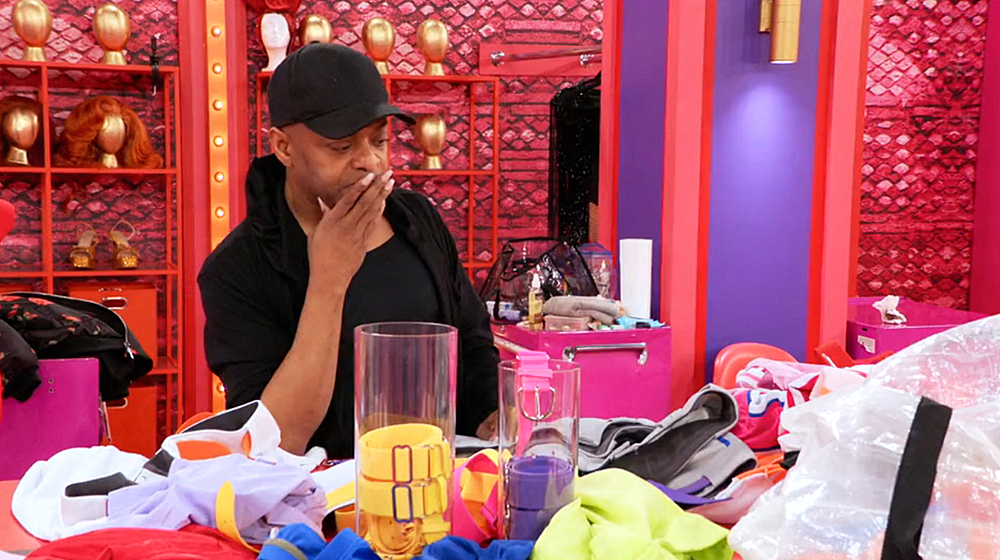
During the Werk Room fabrication phase, the narrative focused on the varying levels of technical proficiency among the contestants. While some queens expressed confidence in their design background, others struggled with the limitations of the materials. The mid-episode "mirror talk" provided essential background context, allowing queens to discuss their motivations for returning to the All Stars stage and their strategies for avoiding past mistakes.
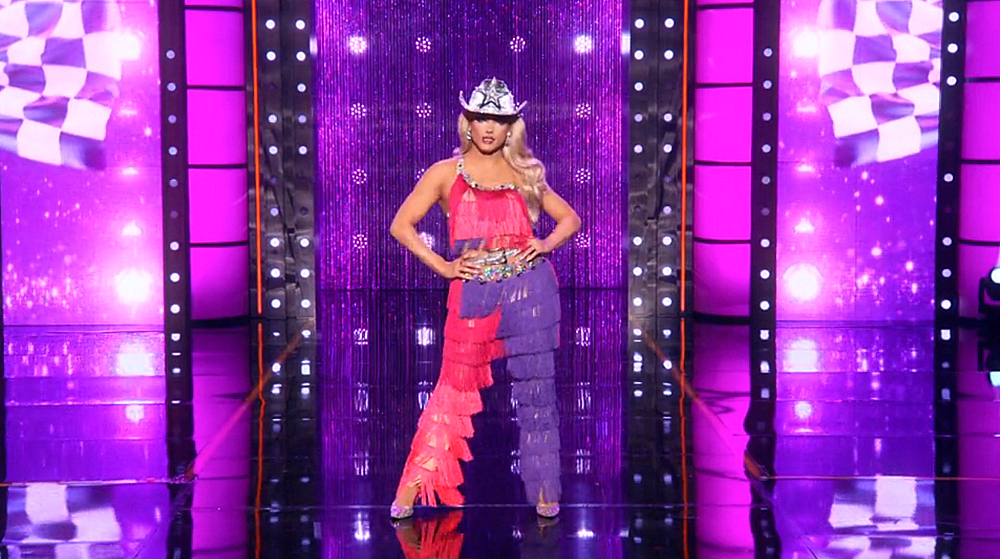
The climax of the episode occurred on the main stage during the runway show. The contestants presented their finished garments, followed by critiques from the judges. The episode concluded with a high-stakes "Lip Sync for the Win" between the two top-performing queens of the week, determining who would receive the weekly cash prize and potential strategic advantages for the remainder of the competition.
Detailed Analysis of Contestant Performances
Sam Star: Strategic Branding and Technical Excellence
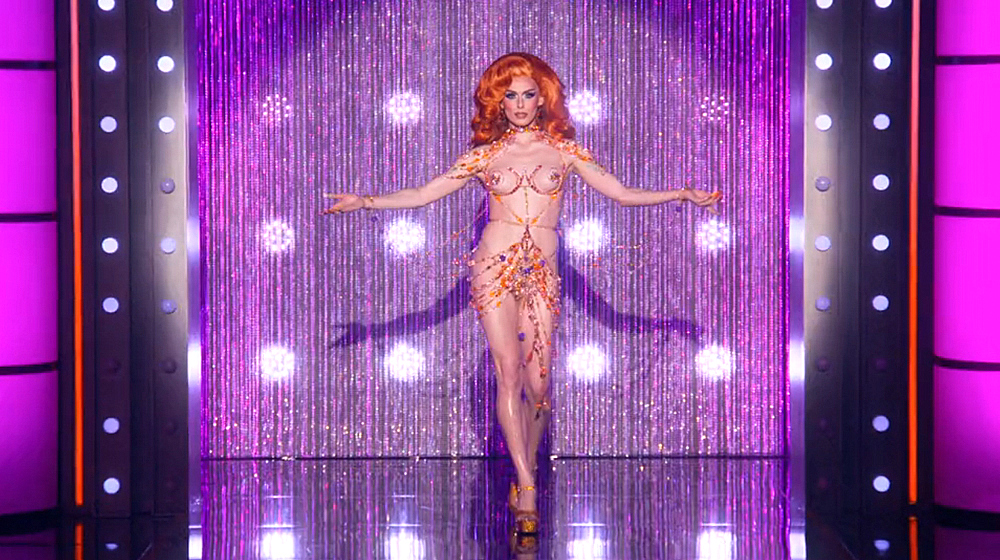
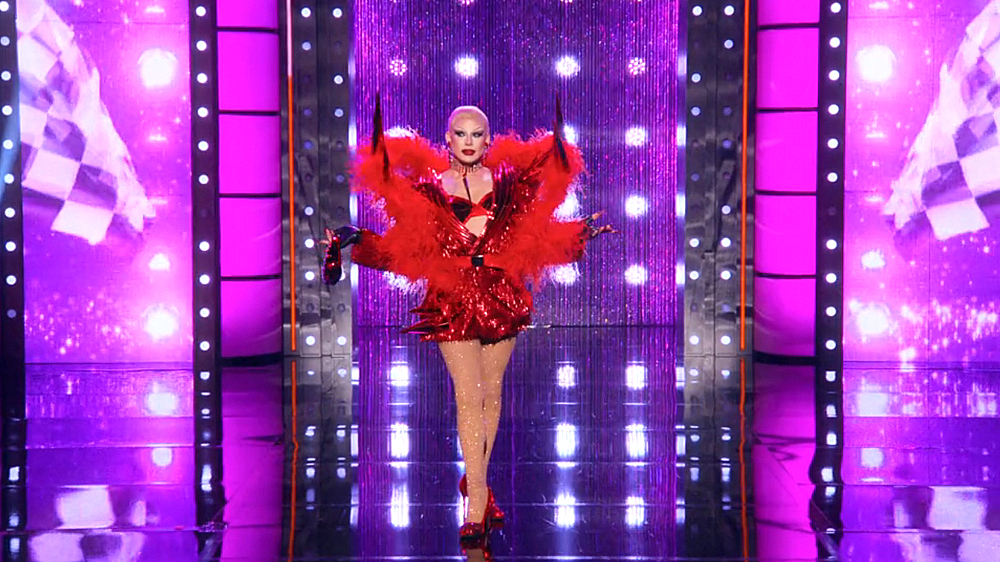
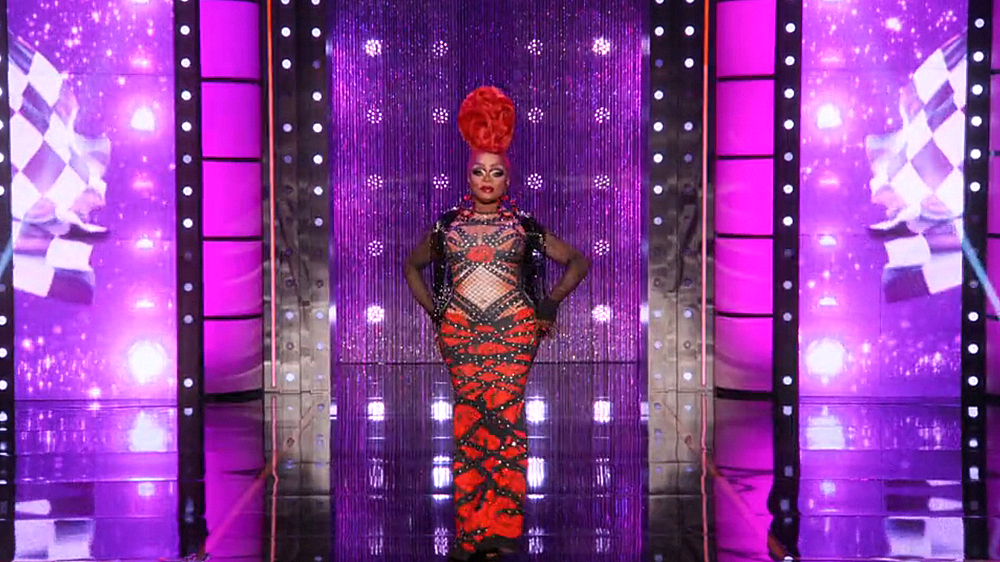
Sam Star emerged as a frontrunner during this episode, utilizing a strategy rooted in pageant-level polish and brand alignment. Her design incorporated the show’s signature color palette—pink, blue, and orange—effectively "dressing as the Werk Room." This move was analyzed by observers as a savvy way to appear synonymous with the franchise’s identity. Her garment, which drew comparisons to high-fashion labels like Moschino, showcased a level of construction that significantly outpaced her peers. The judges praised her for delivering a "full drag experience" that successfully navigated the transition from raw athletic materials to a cohesive, professional outfit.
Jasmine Kennedie: The Evolution of Body Drag
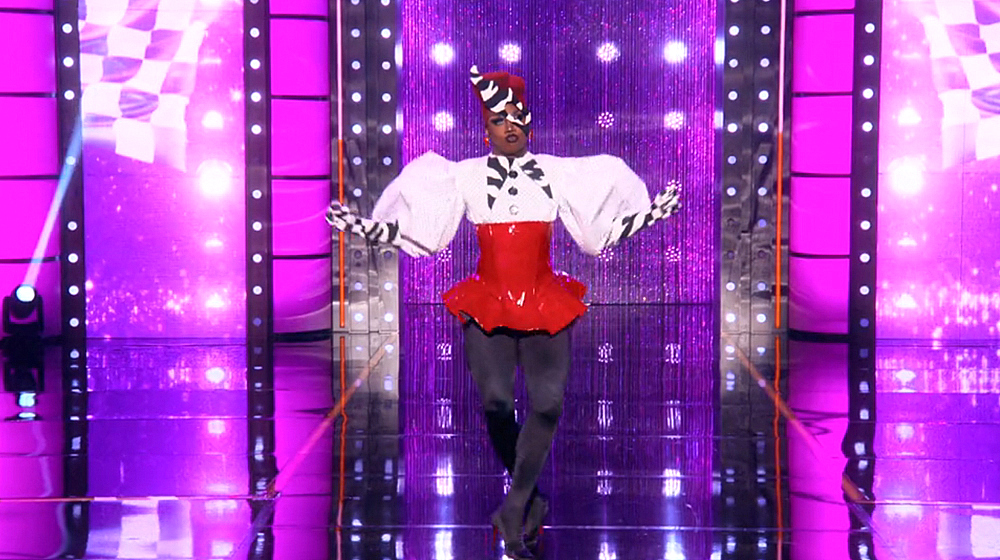
Jasmine Kennedie, known for her high-energy performances and "body-forward" aesthetic, utilized the athletic straps and mesh to create a look that emphasized her silhouette. In design challenges, "serving body" can often be a double-edged sword; while it highlights the contestant’s physical attributes, it can sometimes lack the architectural innovation the judges seek. However, Kennedie was credited with finding a creative way to arrange the structural elements of the jockstraps to create a modern, rhythmic look that felt intentional rather than haphazard.
Shuga Cain and the Challenge of Proportion
Shuga Cain’s performance highlighted the technical difficulties inherent in the design challenge. While her concept was noted for its humor and creativity, the execution suffered from issues with "proportionizing." In drag, the balance between the bust, waist, and hips is critical for creating a convincing illusion. Cain’s garment was also critiqued for its "raw edges," a common pitfall in design challenges where time is limited. Such technical flaws often differentiate the middle-of-the-pack contestants from the top tier in the All Stars format.
The "Porkchop" Redemption: Hershii Liqcour-Jeté
Hershii Liqcour-Jeté entered the challenge with significant pressure, having been an early exit in her original season. For "Porkchop" queens, the All Stars platform is a rare opportunity to overwrite a legacy of early failure. Liqcour-Jeté opted for a "full drag" approach, moving away from "pretty lady" looks to something more theatrical. While her shorts were noted as a weak point in the construction, her overall styling and presentation showed a marked improvement over her previous appearances, demonstrating the value of the All Stars experience in developing a queen’s professional kit.
Joey Jay and the "Shady" Narrative
Joey Jay provided much of the episode’s narrative tension through her "shady" commentary. While her bustier construction was deemed successful, her skirt choice was less well-received. In the context of reality television, the "shady queen" archetype serves a vital role in maintaining audience engagement, particularly in seasons with a non-elimination or point-based format where the stakes can sometimes feel lower to the viewer.
Supporting Data and Technical Context
Design challenges in RuPaul’s Drag Race are historically the highest-stakes episodes for contestants. According to data from previous seasons, queens who win design challenges have a 40% higher probability of reaching the grand finale. This is because these challenges prove that a contestant is not merely a performer who can buy expensive clothes, but a creative director capable of building a brand from scratch.
The use of "unconventional materials" adds a layer of difficulty that tests the limits of industrial sewing machines and adhesive techniques. Jockstraps and athletic mesh are notoriously difficult to work with because they are designed to be stretchy and durable, making them resistant to standard tailoring. Success in this challenge requires a deep understanding of "boning" (structural supports) and "rigging" (how a garment stays on the body during movement).
Official Responses and Judging Trends
The judging for Season 11 of All Stars has been noted by industry analysts for its relatively "soft" tone compared to earlier seasons of the main franchise. This shift is widely attributed to the "All Stars" recruitment model; the production requires a positive environment to entice high-profile queens to return and risk their reputations.
RuPaul and Michelle Visage focused their critiques on the "evolution" of the queens rather than harsh technical takedowns. For instance, while Shuga Cain’s raw edges might have resulted in a "bottom two" placement in Season 6, in the All Stars 11 context, the judges focused on the "fun" of her concept. This "positive reinforcement" judging style is a hallmark of modern All Stars, intended to celebrate the legacy of the performers while still identifying a clear winner for the week.
Broader Impact and Implications
The Athletic Supporter Design Challenge underscores the continuing evolution of drag as a mainstream art form that intersects with high fashion and athletic culture. By tasking queens with recontextualizing masculine athletic gear, the show continues to explore the fluidity of gendered symbols—a core theme of the queer experience.
For the contestants, the implications of this episode extend beyond the runway. Success in a design challenge often leads to lucrative collaborations with fashion brands and increased booking fees. For queens like Sam Star and Jasmine Kennedie, their top-tier performance in this episode solidifies their status as "threats" in the competition, likely influencing the strategic voting or point-allocation maneuvers of their fellow contestants in future episodes.
Furthermore, the episode highlights the resilience of the Drag Race format. Despite having aired hundreds of episodes across various international franchises, the "design challenge" remains a fan favorite because it provides a transparent look at the labor and craft behind the glamour. As the third bracket concludes its initial showing, the momentum of Season 11 suggests that the blend of technical skill, personality-driven "shade," and high-fashion aspiration continues to be a winning formula for the franchise.