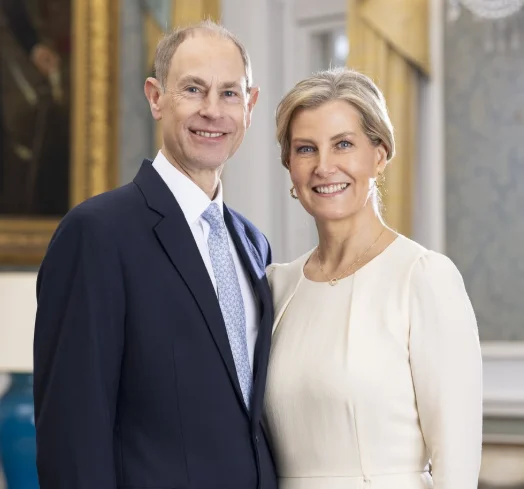

The Duke and Duchess of Edinburgh have concluded a multi-day official visit to Portugal, a trip marked by a deep engagement with historical ties and a forward-looking embrace of bilateral cooperation, yet one that has largely proceeded with a quiet dignity, eschewing widespread fanfare. The royal couple extended their sincere gratitude to the people of Portugal upon their departure, reflecting on a journey that underscored the enduring alliance between the United Kingdom and Portugal, an alliance boasting one of the world’s longest diplomatic histories.
A Royal Rendezvous with History: The Treaty of Windsor’s 640th Anniversary
The visit, which commenced on June 1st, provided the Duke and Duchess with a unique opportunity to immerse themselves in centuries of shared history, coinciding with the 640th anniversary of the pivotal Treaty of Windsor. This foundational agreement, signed in 1386, solidified the strategic partnership between England and Portugal, a bond forged not only through political expediency but also through personal union. The treaty’s origins are deeply rooted in a royal marriage: King João I of Portugal wed Philippa, a granddaughter of King Edward III of England. Philippa, who became Queen of Portugal, proved to be a formidable figure, recognized for her astute political acumen and diplomatic skill, laying the groundwork for centuries of amity.
Over six hundred years later, the responsibility of reaffirming this historic alliance fell to the Duke and Duchess of Edinburgh. Their official itinerary was carefully curated to highlight the multifaceted nature of the UK-Portuguese relationship, beginning with a significant event at the Portuguese National Archive. Here, Prince Edward and Sophie, Countess of Wessex, participated in the inauguration of an exhibition dedicated to the Treaty of Windsor. A centerpiece of this exhibition was the unprecedented display of the original English and Portuguese copies of the treaty, presented side-by-side for the first time since their signing in 1386, a visual testament to the document’s enduring legacy.
Engaging with the Heart of Portugal: Cultural Immersion and Public Service
Beyond the formal historical commemorations, the Duke and Duchess demonstrated a genuine desire to connect with the everyday life and culture of Portugal. Their visit included a charming interlude where they experienced Lisbon’s iconic tram system, a beloved and integral part of the city’s public transportation network. The Duke of Edinburgh appeared particularly enthused by the experience, visibly delighted when presented with a meticulously crafted model of one of these historic trams, a gesture that underscored the personal warmth of the reception they received.
A significant focus of both the Duke and Duchess’s philanthropic endeavors lies in their dedication to supporting young people. Prince Edward dedicated a portion of his visit to engaging with educational institutions, notably St. Julian’s School. During his time at the international school, he actively participated in activities, including a session of traditional Portuguese tile painting, and learned about the impactful work of CERCICA, an organization committed to empowering young people and adults with disabilities. This hands-on involvement reflects the couple’s long-standing commitment to inclusive education and support for vulnerable communities.
Championing Youth and Inclusivity: The Duke of Edinburgh’s Award and Paralympic Aspirations
Prince Edward’s role as President of the Duke of Edinburgh’s Award scheme naturally brought him into contact with the initiative’s activities in Portugal. He met with participants and leaders of the International Award in Lisbon, even lending a hand in pitching tents, a practical demonstration of his support. The Duke of Edinburgh’s Award has seen substantial growth in Portugal, with over 50 schools and colleges now actively participating, highlighting the global reach and enduring relevance of the program in fostering personal development and resilience among young people.
Furthermore, the Duke engaged with Portugal’s thriving Paralympic movement. He met with some of the nation’s leading Paralympians during a session focused on inclusive sports. His interest in the discipline of boccia, a sport in which Portugal has achieved significant international success, was evident as he was briefed on the strategies and dedication of the athletes. His interactions with members of the Portuguese Paralympic Committee underscored the UK’s commitment to fostering international cooperation in the realm of sport and disability inclusion.
Empowering Future Leaders and Advocating for Global Security: The Duchess of Edinburgh’s Initiatives
The Duchess of Edinburgh also championed initiatives aimed at empowering the next generation and addressing critical global issues. Her visit to the National Defence Institute provided a platform for her to engage with students participating in a model NATO exercise, an initiative spearheaded by the British Embassy Lisbon. This program, now in its fourth year, brings together young individuals from Portugal and the UK to simulate NATO’s North Atlantic Council, fostering diplomatic understanding and leadership skills. The Duchess delivered a keynote speech during this session, sharing her insights and experiences.
Bringing her considerable expertise and passion to the fore, the Duchess spoke on the vital topic of Women, Peace, and Security. Her work in this area is extensive, and she is a prominent advocate for the UK’s Preventing Sexual Violence in Conflict Initiative. Her address to the young participants at the model NATO exercise highlighted the interconnectedness of international relations, security, and gender equality, underscoring the importance of these issues in contemporary global diplomacy.
A Flourishing Bilateral Partnership: Aerospace, Defense, and Technological Innovation
The Duke and Duchess’s visit also touched upon the dynamic and evolving economic ties between the UK and Portugal, particularly in the high-tech aerospace sector. On their second day in Portugal, they visited TEKEVER, a leading UK-Portuguese aerospace company. This visit included a showcase of advanced flight technology, featuring a demonstration of an Unmanned Aircraft System (UAS) being assembled by a collaborative team from both nations. Such visits underscore the strength of bilateral trade and innovation, highlighting Portugal’s growing importance as a partner in cutting-edge technological development. This collaboration in the aerospace sector is indicative of a broader trend of deepening economic partnership, with the UK seeking to strengthen trade relations with key European allies post-Brexit.
Honoring the Past, Forging the Future: A Poignant Remembrance and Symbolic Gestures
The itinerary also included deeply symbolic moments of remembrance and respect for historical figures and national heritage. A visit to the Batalha Monastery, a UNESCO World Heritage site and a monument to Portuguese independence, saw the Duke of Edinburgh lay a wreath at the Tomb of the Unknown Soldier, a solemn tribute to the sacrifices of those who have served their nation.
Concurrently, the Duchess of Edinburgh paid her respects at the Tomb of King João I and Queen Philippa of Portugal, the very couple whose marriage had cemented the Treaty of Windsor. Her laying of flowers at their tomb served as a poignant acknowledgement of their historical significance and the enduring legacy of their union. The proximity of these visits highlighted the unified narrative of Anglo-Portuguese relations, from its medieval foundations to its modern manifestations.
A particularly moving encounter occurred at the Veterans Museum, located near the Batalha Monastery. Here, the Duke and Duchess viewed a preserved wreath laid at the Tomb of King João and Queen Philippa in 1957 by Queen Elizabeth II during her own visit to the Batalha Monastery. This artifact served as a tangible link to past royal visits and a powerful reminder of the continuity of the special relationship between the two countries.
A Farewell in Porto: Civic Honors and Culinary Traditions
The Duke and Duchess of Edinburgh’s visit concluded in the vibrant city of Porto, where they were warmly welcomed by Mayor Pedro Duarte and President of the Municipal Assembly Marta Massada. As a special honor, they were presented with the Keys to the City, a traditional symbol of civic recognition and welcome, signifying the deep respect and affection held for the royal couple and the enduring friendship between the two nations.
In Porto, Prince Edward revisited his commitment to the Duke of Edinburgh’s International Award, meeting with more students involved in the program at the British School. This visit held particular resonance as it mirrored the footsteps of his parents, Queen Elizabeth II and Prince Philip, both of whom had previously visited the institution. This continuity underscores the long-standing British presence and commitment to educational development in Portugal.
No visit to Portugal, particularly to Porto, would be complete without an appreciation for its most famous export: port wine. The Duke and Duchess visited the British Factory House, a historic hub of the port wine trade dating back to the 18th century, when it represented a lucrative business for London merchants. This visit provided a tangible connection to the economic history that has long bound the two nations.
The tour culminated at Porto Cathedral, the very church where King João I and Queen Philippa were married. The Duke and Duchess were given a tour of the magnificent cathedral, including its cloister, which was constructed in honor of the new queen and is adorned with Portugal’s iconic blue and white azulejo tiles. This final historical touch brought the visit full circle, echoing the initial focus on the royal couple who were instrumental in forging the Anglo-Portuguese alliance.
A Toast to Enduring Ties: A Traditional Ceremony and a Lasting Impression
As their visit drew to a close, Prince Edward and Sophie participated in a traditional ceremony at Graham’s Port Lodge, where they were invited to "christen" a barrel of port. This symbolic act, a time-honored tradition during royal visits, involved both throwing a glass of port over the barrel, a gesture that blesses the maturing wine. This final engagement served as a fitting metaphor for their visit – a blend of historical significance and contemporary engagement, reinforcing the enduring bonds between the United Kingdom and Portugal. The Duke and Duchess of Edinburgh’s understated yet impactful visit served as a powerful reminder of the deep historical roots and the vibrant future of this enduring diplomatic partnership. Their engagements, spanning from historical archives to modern technological enterprises and youth development programs, underscore a strategic and multifaceted approach to strengthening bilateral relations, ensuring that the alliance forged centuries ago continues to thrive in the 21st century.