

The Viral Incident and Performance Context
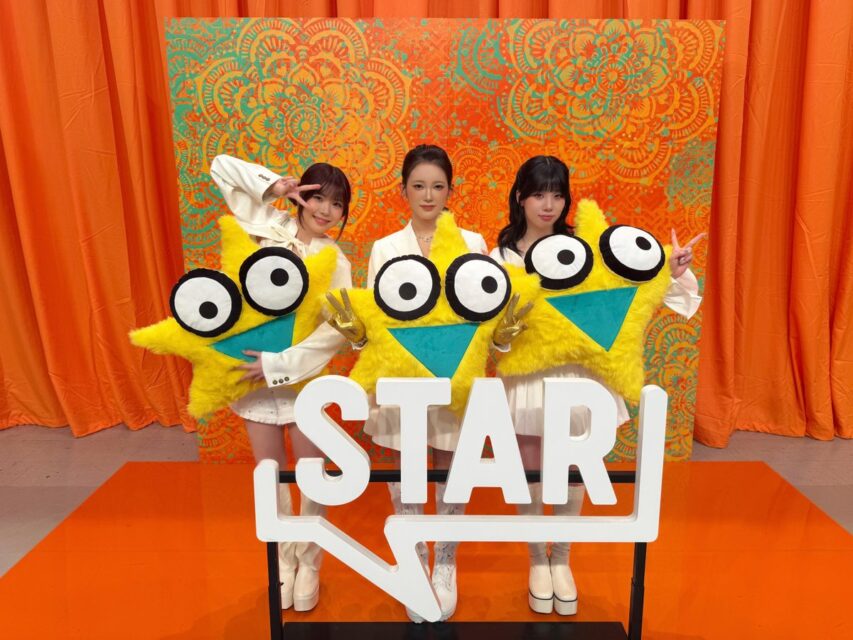
On May 28, 2026, ME:I members MiU, Ayane, and Tsuzumi took to the stage to perform a live rendition of "Golden." The song is widely regarded within the industry as a "vocalist’s nightmare" due to its expansive range, rapid-fire transitions between chest voice and falsetto, and a series of sustained high notes that require immense breath control. Almost immediately after the performance concluded, clips began to circulate on X (formerly Twitter) and TikTok, where the reception was markedly mixed, leaning toward the negative.
By May 30, 2026, the discussion reached a boiling point on theqoo, one of South Korea’s largest and most influential online communities. A post highlighting the performance’s perceived flaws quickly garnered tens of thousands of views and hundreds of comments. Users pointed to specific moments where the members appeared to struggle with pitch stability and harmonic alignment. One viral comment, translated from Japanese, described the performance as "broadcast accident level," a term used in the industry to describe a performance so technically flawed that it compromises the quality of the program.

A Detailed Chronology of Events
The controversy surrounding ME:I’s performance did not occur in a vacuum but followed a specific timeline of public exposure and subsequent backlash:
- May 28, 2026: ME:I performs the Japanese version of "Golden" during a scheduled broadcast. Initial fan reactions within the venue are supportive, but the raw audio from the live stream begins to draw scrutiny from online viewers.
- May 29, 2026: Short-form clips of the vocal "breaks" and pitch inconsistencies are isolated and shared across social media. International fans begin to debate the group’s readiness for such a demanding repertoire.
- May 30, 2026 (KST): The performance is picked up by Korean netizens on theqoo. The discussion shifts from general criticism to a deeper analysis of the group’s training and the decision-making process of their management company.
- Late May 2026: The discourse expands to include comparisons between J-pop and K-pop training standards, with ME:I serving as a case study for the challenges Japanese groups face when attempting to break into the highly competitive Korean market.
Technical Analysis of the Vocal Challenges
The song "Golden" is not a standard pop track; it is designed to be a showcase for elite vocalists. Industry experts note that the track’s difficulty lies in its bridge and final chorus, which require the singer to hit a series of "money notes" while maintaining a complex rhythmic pocket.
In the case of the ME:I performance, MiU, Ayane, and Tsuzumi—who were previously praised during their time on Produce 101 Japan for their vocal potential—seemed unable to maintain the necessary vocal support. Analysis of the audio suggests that the monitor levels or the acoustic environment of the stage may have contributed to the members’ inability to hear their own pitch, leading to the "off-key" sound that netizens criticized. However, for many Korean observers, these technical excuses do not mitigate what they perceive as a lack of fundamental preparation.

Netizen Reactions and Public Sentiment
The reactions on Korean forums have been characteristically blunt. Many commenters questioned why the group’s management would choose such a high-risk song for a live broadcast. "Who made them do this?" became a recurring sentiment, suggesting that the fault might lie more with the producers and A&R teams than with the performers themselves.
One top-rated comment on theqoo stated, "This is awful… the pitch is so off it’s broadcast accident level, right? Ever since the mass withdrawals, ME:I’s been a total mess, huh?" This comment refers to previous internal shifts within the group’s management and lineup, suggesting that the vocal performance is a symptom of larger organizational issues.
Conversely, a segment of the audience has come to the group’s defense. These supporters argue that the group showed immense courage by singing completely live without the safety net of a loud backing track or heavy post-production pitch correction—a rarity in modern televised performances. "At least they are singing live," one fan noted. "I would rather hear a group struggle while being real than watch a perfect lip-sync performance. ‘Golden’ is a song that even veteran singers struggle with."

Broader Implications for ME:I and the Industry
The viral nature of this "botched" performance highlights a growing trend in the K-pop and J-pop industries: the "Encore Critique" culture. In recent years, audiences have become increasingly obsessed with "raw" vocals, often using encore stages or live covers to judge an idol’s true talent. Groups like LE SSERAFIM and others have faced similar scrutiny, indicating that the standard for live singing is higher than it has been in over a decade.
For ME:I, this incident serves as a significant hurdle in their quest for "global group" status. As a product of the Produce 101 franchise, they are expected to meet the rigorous performance standards established by their predecessors like IZ*ONE and JO1. Failing to meet these expectations in the Korean market—a territory known for its uncompromising stance on technical skill—could hinder their ability to secure lucrative collaborations and domestic endorsements.
Official Response and Future Outlook
As of the time of writing, ME:I’s management agency has not issued a formal statement regarding the vocal criticism. Historically, agencies in these situations either remain silent to let the news cycle pass or release "practice room" versions of the song to prove the artists’ capabilities under better acoustic conditions.
Industry analysts suggest that the group may need to pivot their strategy. Instead of focusing on high-difficulty vocal covers that invite comparison to the industry’s top powerhouses, the group might benefit from repertoire that highlights their unique charms and performance energy.
Furthermore, this event underscores the risks of "vocal ambition." While attempting difficult songs can lead to legendary "viral" moments of success, the margin for error is razor-thin. For ME:I, the lesson learned from the "Golden" performance may be one of preparation and repertoire selection.
Conclusion
The controversy surrounding ME:I’s live cover of "Golden" reflects the complex intersection of fan expectations, technical difficulty, and the unforgiving nature of viral social media. While the performance has been labeled a failure by many in the Korean online community, it also opens up a broader conversation about the value of live performance in an era of digital perfection. Whether ME:I can use this moment as a catalyst for growth or if it will remain a stain on their early career remains to be seen. However, for now, the group continues to be a topic of intense discussion, proving that in the world of modern pop, even a "botched" performance can ensure that everyone is watching.