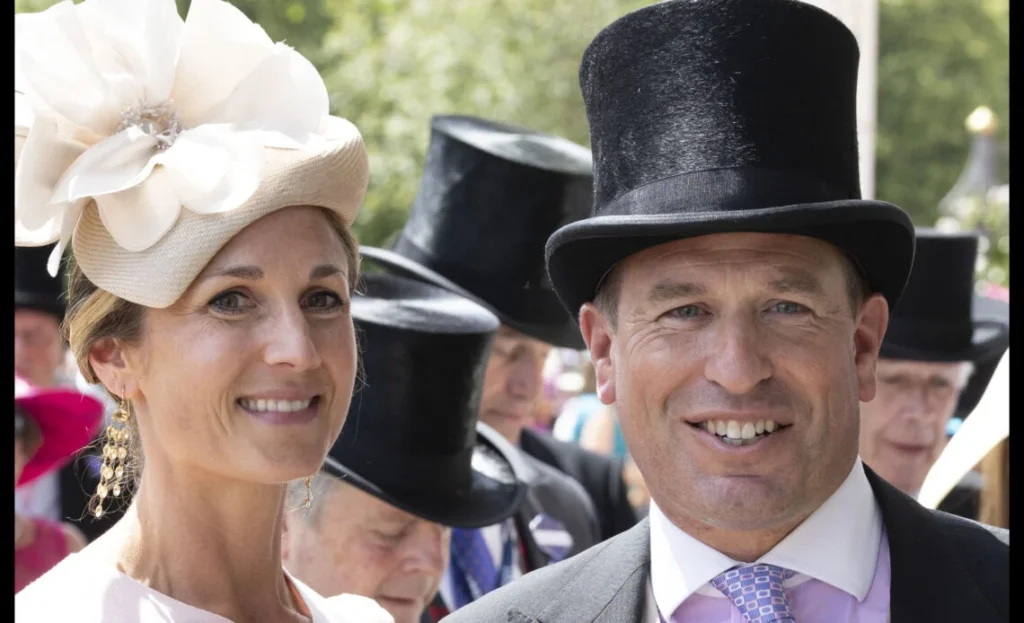

The impending wedding of Peter Phillips, eldest grandchild of the late Queen Elizabeth II, to NHS nurse Harriet Sperling is poised to become one of the most significant and anticipated royal family gatherings of the year. Scheduled for Saturday, June 6th, at All Saints Church in the picturesque Gloucestershire village of Kemble, the ceremony is expected to draw a substantial contingent of senior royals, including King Charles III and Queen Camilla. This union marks a notable moment for Phillips, who has largely navigated his life away from the intense public scrutiny that often accompanies royal connections, and for Sperling, who has steadily integrated into the fabric of the Royal Family.
The presence of the King and Queen at the nuptials underscores the importance of the occasion. This attendance will also place them in a unique position, as the wedding is set to conclude mere hours before they are scheduled to fulfill another longstanding royal tradition: attending Derby Day at Epsom Downs for the prestigious Betfred Derby. This logistical scheduling highlights the demanding public duties undertaken by the reigning monarch and his consort, even amidst personal family celebrations.
Further bolstering the anticipated attendance are reports suggesting that the Prince and Princess of Wales, William and Catherine, are also expected to grace the occasion. Their presence, potentially accompanied by their children, Prince George, Princess Charlotte, and Prince Louis, would add a significant dimension to the family reunion, offering a glimpse of the future generation of the monarchy. This would represent a rare public appearance for the younger royals at such a significant family event.
Other key members of the Royal Family anticipated to attend include Peter Phillips’ mother, Anne, the Princess Royal, and her husband, Sir Timothy Laurence. Zara Tindall, Peter’s sister, and her husband, former England rugby captain Mike Tindall, are also expected to be present, further cementing the intimate nature of the celebration amongst close relatives. While an official guest list remains unconfirmed, speculation also points towards the attendance of Prince Edward, Duke of Edinburgh, and his wife, Sophie, Duchess of Edinburgh, adding further weight to the roster of prominent royals.
The engagement of Peter Phillips and Harriet Sperling was announced last year, following the public confirmation of their relationship. Sperling, an NHS nurse, has become an increasingly visible figure alongside Phillips over the past two years. Her integration into royal circles has been marked by her attendance at several high-profile engagements, including the prestigious Royal Ascot and various charity events, signaling a warm reception from the family. This public progression of their relationship has been observed with interest, particularly given Phillips’ traditionally discreet profile.
Background and Chronology of the Union
Peter Phillips, born in 1977, is the elder child of Princess Anne and her first husband, Captain Mark Phillips. As the eldest grandchild of Queen Elizabeth II, he holds a unique position within the extended Royal Family. Unlike some of his cousins who have pursued prominent public roles, Phillips has maintained a career in the private sector, working in sports management and as a brand ambassador. His first marriage to Autumn Kelly, a Canadian management consultant, ended in divorce in 2021, and they share two daughters, Savannah and Isla.
The relationship between Peter Phillips and Harriet Sperling first gained public attention in 2024, approximately two years ago. Their subsequent engagement was confirmed, signaling a new chapter for Phillips. Sperling’s background as an NHS nurse offers a grounding contrast to the more traditional spheres often associated with royal partners, and her acceptance into the family has been noted as a positive development. Her presence at events like Royal Ascot, a traditional fixture in the royal calendar, alongside members of the Royal Family, has provided a visual testament to her growing closeness with the family.
The wedding date, June 6th, places it strategically within a busy period for the Royal Family. The proximity to Derby Day on June 6th, a traditional royal engagement, highlights the balancing act of personal and public duties. This specific date also carries historical significance, as June 6th, 1944, marked D-Day, though the wedding’s timing is likely coincidental rather than deliberately commemorative.
Supporting Data and Royal Family Dynamics
The Royal Family, while a close-knit unit, operates with a complex hierarchy and varying degrees of public engagement. Peter Phillips, despite his direct lineage to the monarch, has consistently opted for a more private existence. His wedding, therefore, represents an opportunity for a more intimate family celebration, distinct from the larger, state-sanctioned events.
The attendance of King Charles and Queen Camilla is particularly noteworthy. Having recently navigated their own health challenges, their continued public engagements, including this significant family wedding, demonstrate their commitment to both their constitutional duties and their familial responsibilities. Their presence serves as a powerful endorsement of the union and a signal of continuity within the monarchy.
The inclusion of the Prince and Princess of Wales, along with their children, would offer a rare insight into the younger generation of the Royal Family at such a gathering. Prince George, as second in line to the throne, and Princess Charlotte, a prominent young royal, are increasingly seen at public events. Prince Louis, while younger, has also made notable appearances. Their presence at an uncle’s wedding would underscore the familial bonds that underpin the institution.
Inferred Statements and Reactions
While official statements from the Palace regarding the guest list are typically limited to confirmations of attendance for working royals, the expected presence of senior members strongly suggests a unified family approach to celebrating this milestone. Inferred reactions from within the family are likely to be overwhelmingly positive, focusing on the happiness of Peter and Harriet. Princess Anne, as Peter’s mother, would undoubtedly be a central figure in the celebrations, her presence a testament to the enduring importance of family ties.
The discreet nature of Peter Phillips’ life has often been a point of quiet admiration. His ability to maintain a professional career and a private life while remaining a valued member of the Royal Family is a testament to his personal choices and the family’s respect for his privacy. Harriet Sperling’s integration into this world, without the inherent pressures of being born into royalty, speaks to her character and her ability to navigate the unique dynamics of the Royal Family.
Broader Impact and Implications
The wedding of Peter Phillips and Harriet Sperling, while a private affair for the family, inevitably carries a broader public interest. The gathering of so many senior royals serves as a reminder of the enduring appeal and structure of the British monarchy. It offers a moment of unity and celebration, showcasing the family’s ability to come together for significant personal events.
The contrast between the intimate ceremony and the public spectacle of Derby Day on the same day further illustrates the multifaceted nature of royal life. It highlights the dedication required to fulfill both personal commitments and public duties with grace and efficiency. For Peter Phillips, this wedding marks a significant personal milestone, a chance to celebrate his future with his loved ones, surrounded by the unique support system of the Royal Family. For Harriet Sperling, it signifies her formal acceptance into a world that, while familiar through her relationship with Peter, presents its own distinct set of protocols and public visibility.
However, the anticipated absence of the Duke and Duchess of Sussex from the ceremony is also a point of note. Their decision to step back from senior royal duties and reside in the United States has led to a more distant relationship with some members of the family. Their non-attendance, while perhaps not unexpected given their current circumstances, underscores the evolving dynamics within the extended Royal Family and the differing paths pursued by various members.
In conclusion, the wedding of Peter Phillips and Harriet Sperling promises to be an occasion of significant familial warmth and royal prominence. The convergence of King Charles, Queen Camilla, the Prince and Princess of Wales, and other key members of the Royal Family underscores the importance of this union and the enduring strength of familial bonds within the British monarchy. The event, while intimate in its intended scale, is set to capture considerable public attention, offering a glimpse into the personal lives of those at the heart of the Crown.