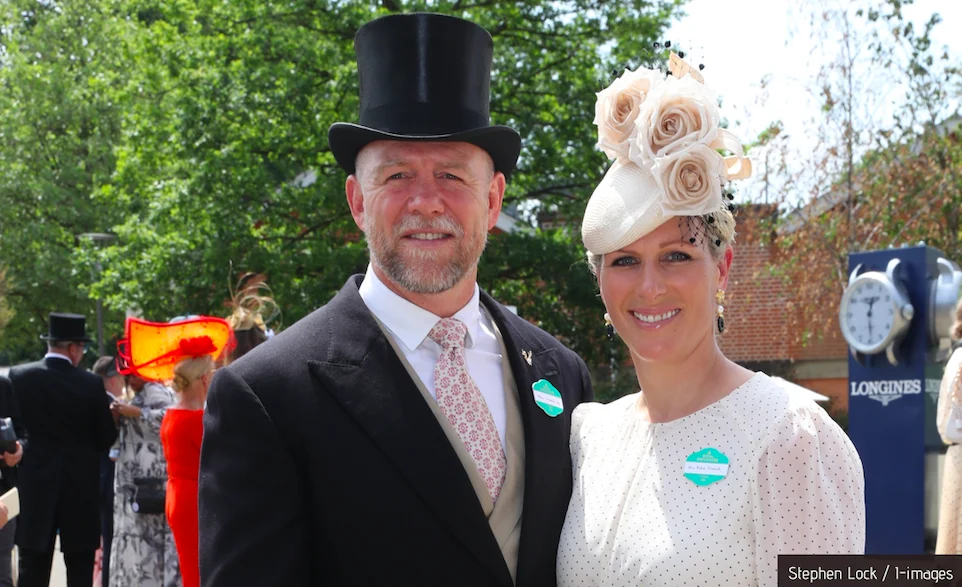

Mike Tindall, the former England rugby captain and husband of Zara Tindall, has offered a rare and candid glimpse into the behind-the-scenes realities of Royal Ascot’s famed carriage procession, describing the experience as potentially "a nightmare" when faced with the summer heat. Speaking on The Luxury Dispatch with Tom Chamberlin, Tindall, a regular attendee and son-in-law to the late Queen Elizabeth II, lifted the veil on the elaborate ceremonial tradition that marks the opening of each day at one of Britain’s most prestigious racing events.
The Enduring Spectacle of Royal Ascot
Royal Ascot, a tradition stretching back over three centuries to its founding by Queen Anne in 1711, remains a cornerstone of the British social and sporting calendar. More than just a horse racing event, it is a significant cultural phenomenon, blending sport with high fashion and a deep-rooted sense of tradition. The Royal Procession, a defining ceremonial centerpiece, has been a consistent feature since its formal introduction in 1825, showcasing the enduring connection between the British monarchy and the sport of racing. This daily spectacle sees members of the Royal Family travel in a procession of horse-drawn landaus from Windsor Great Park to the racecourse, a tradition that continues to captivate spectators and participants alike.
A Sweaty Affair Under the Sun
During his appearance, Tindall, speaking from Ascot Racecourse itself, provided a humorous yet telling account of the challenges posed by warm weather during the procession. "If it’s too hot, it’s a bit of a nightmare," he admitted, with a lighthearted tone. "The sweat is ongoing. Don’t take the hat off, or it’s like a pool of water drops out." This candid remark highlights the less glamorous reality of adhering to the event’s famously strict dress code, which mandates top hats and morning dress for gentlemen in the Royal Enclosure, regardless of the mercury’s rise. The immaculately presented attire, while contributing to the event’s prestige, can become a significant source of discomfort during prolonged periods of intense summer heat.
Despite these potential sartorial challenges, Tindall emphasized the profound significance of the tradition. He articulated a deep appreciation for the historical continuity it represents, stating, "That British history, that is the history we are trying to continue. The Royal Procession down the course. It’s still a standalone feature of what happens at Royal Ascot." This sentiment underscores the importance of the procession not merely as a social engagement but as a living embodiment of British heritage and the Royal Family’s long-standing patronage of horse racing.
The Journey of the Royal Procession
Tindall detailed the multi-stage journey that participants undertake before the grand entrance onto the racecourse. The day begins with the Royals being transported in a fleet of historic state cars, often vintage models that add to the event’s historical gravitas. These vehicles convey the participants to the perimeter of Windsor Great Park, the starting point for the iconic carriage ride.
"You jump in cars, the fleet of cars they use are very old, historical, good old-fashioned sort of cars, state cars, and they take you to the edge of the Great Park," Tindall explained. From there, the transition is made to the ornate horse-drawn landaus, which then embark on the scenic route. The carriage ride itself is described as lasting approximately twenty minutes from its commencement to its conclusion. This segment of the journey offers a more intimate and traditional mode of transport, allowing for a connection with the historical aspects of the event.
A Touching Encounter with Young Patriotism
A particularly cherished moment for Tindall, and indeed for many involved in the procession, occurs before the carriages even reach the racecourse proper. As the procession winds its way through the park, local schoolchildren are typically brought out to witness the spectacle. Armed with Union flags, these children create a vibrant and patriotic scene, enthusiastically waving as the Royal carriages pass by.
"They always let the children out and wave their British flags," Tindall recounted, painting a picture of a heartwarming intersection of tradition and community engagement. This interaction serves as a reminder of the procession’s broader social significance, connecting the Royal Family with the local populace and fostering a sense of national pride among the younger generation.
The Grand Entrance
The culmination of the procession is the dramatic entry onto the racecourse. As the landaus turn onto the iconic "straight mile" of Ascot, the national anthem begins to play, signaling the official start of the day’s racing and ceremonies. Tindall described this moment with palpable emotion: "You turn on to the track down the middle of the course, and the anthem starts – it’s quite special." This synchronized arrival, accompanied by the stirring strains of the national anthem, creates a powerful and moving spectacle, resonating with historical import and ceremonial grandeur.
Royal Family’s Enduring Presence at Ascot
Mike Tindall and Zara Tindall have become increasingly prominent figures at Royal Ascot in recent years. Their consistent attendance in the Royal Enclosure, coupled with their visible closeness to senior members of the Royal Family, has drawn considerable attention. This year’s Royal Ascot meeting, scheduled to run from June 16th to June 20th, was expected to see a robust presence from various members of the Royal Family throughout the week, reinforcing the event’s status as a key fixture in their annual calendar.
The Significance of Tradition in a Modern World
The Royal Procession at Ascot is more than just a display of pomp and circumstance; it is a tangible link to the past, meticulously preserved for modern audiences. Its continuation, despite the potential for discomfort and the evolving nature of society, speaks volumes about the enduring appeal of tradition and the monarchy’s role in national life. The fact that individuals like Mike Tindall, who are directly involved, speak of its "special" nature, even while acknowledging its challenges, underscores its deep cultural resonance.
The procession also serves as a powerful marketing tool for Royal Ascot itself, drawing global attention and reinforcing its image as a premier event steeped in heritage. The meticulous organization, the historical vehicles, the formal attire, and the synchronized movements all contribute to an experience that is both visually stunning and deeply symbolic.
Analyzing the Implications
The ongoing commitment to traditions like the Royal Procession can be seen as a strategic choice by the Royal Family and event organizers. In an era where institutions are constantly scrutinized, the preservation of such time-honored rituals can foster a sense of stability and continuity, connecting contemporary Britons with their historical narrative. For Royal Ascot, it solidifies its unique identity and distinguishes it from other sporting events.
However, the candid admission of discomfort, even if made humorously, also provides a humanizing element. It reminds observers that behind the polished facade of royal tradition, real people are participating, navigating the demands of formal occasions. This balance between regal ceremony and relatable human experience can enhance public engagement and understanding. The Royal Family’s continued patronage, as highlighted by Tindall’s participation and the expected attendance of other royals, signals a strong endorsement of British heritage and the equestrian world, reinforcing the symbiotic relationship that has existed for centuries. The event, therefore, remains a potent symbol of national identity, sporting excellence, and the enduring allure of royal tradition.