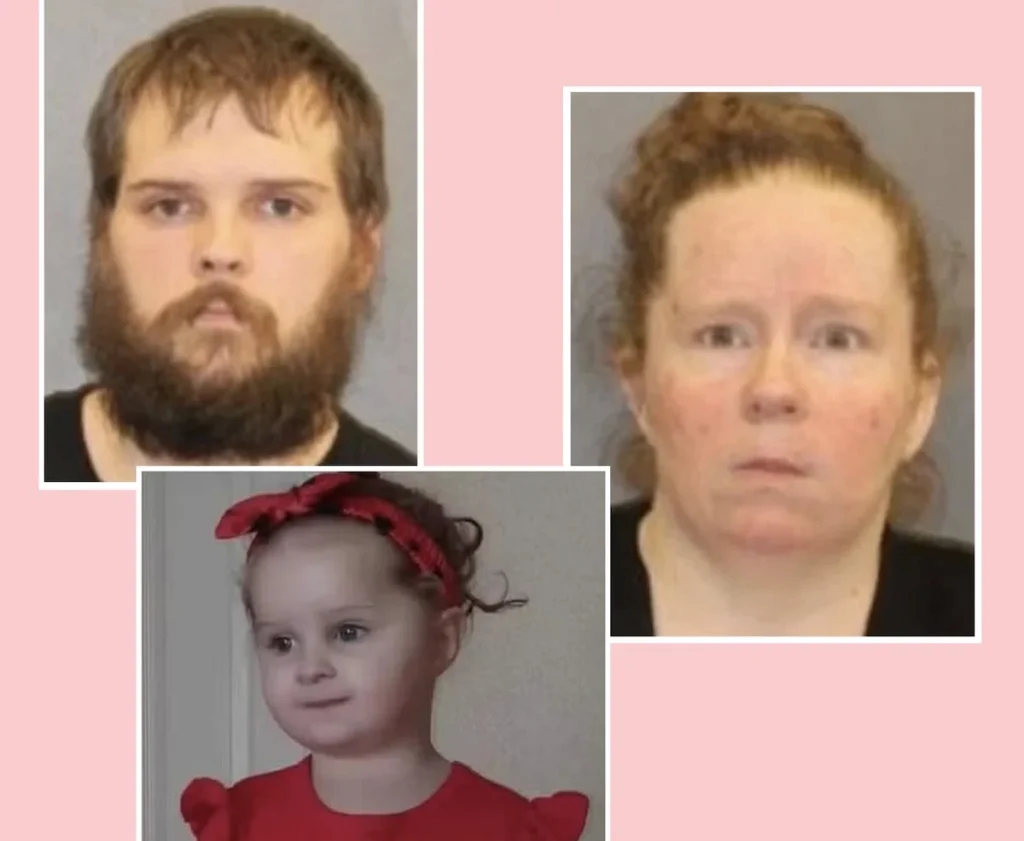

A New York couple, Matthew and Samantha Dylewski, have been sentenced to the maximum prison term of 16 months to four years after pleading guilty to criminally negligent homicide in connection with the tragic death of their 3-year-old daughter, Joycelynn Dylewski. The devastating case, which exposed appalling conditions of neglect and suffering, has ignited a fierce debate over child welfare laws in New York State and prompted legislative efforts to increase penalties for similar offenses.
The Initial Discovery and Immediate Aftermath
The tragic events unfolded in February 2025, when the Saratoga County Sheriff’s Office responded to an emergency call from the Dylewski family’s home in the village of Corinth, a small community nestled in upstate New York. Reports indicated that their young daughter, Joycelynn, was experiencing severe respiratory distress and was unable to breathe. Emergency medical personnel swiftly transported the critically ill child to a local hospital, where, despite the best efforts of medical staff, she succumbed to her condition shortly after arrival. Her death marked the beginning of a harrowing investigation that would uncover a disturbing pattern of chronic neglect and unimaginable suffering.
Unraveling the Horrific Details of Neglect
As investigators from the Saratoga County Sheriff’s Office delved deeper into the circumstances surrounding Joycelynn’s untimely death, the initial medical observations quickly escalated into a full-scale criminal inquiry. What began as a response to a medical emergency soon revealed a much darker reality. According to statements released by New York State Senator Jim Tedisco, a prominent voice in the subsequent advocacy for child welfare reform, Joycelynn’s death was ultimately ruled a homicide, directly attributed to complications arising from "acute and chronic neglect."
The detailed findings from the investigation painted a grim picture of the child’s final months. Authorities documented a litany of severe health issues and deplorable living conditions that collectively contributed to her demise. Among the most shocking revelations were reports of Joycelynn suffering from severely matted hair, a clear indicator of prolonged lack of basic hygiene. Furthermore, the home environment itself was described as "filthy," raising immediate concerns about sanitation and the general well-being of any child residing there.
Perhaps most disturbing was the discovery of a severe lice infestation that, according to investigators, had gone untreated for weeks, possibly even months. This extreme and prolonged infestation led to a critical level of anemia in the young girl, a condition that significantly weakened her system and compromised her ability to fight off illness. Anemia, a deficiency in red blood cells or hemoglobin, can be life-threatening, especially in young children, leading to fatigue, weakness, and, in severe cases, organ failure. The fact that this condition stemmed directly from untreated parasitic infestation underscores the profound level of neglect Joycelynn endured.
Beyond the visible signs of neglect, medical examinations revealed further evidence of severe health deprivation. Joycelynn’s teeth were found to be badly decayed, indicating a complete absence of dental care for an extended period. Investigators also determined that she had not received any form of professional medical attention for more than ten months leading up to her death. This prolonged lack of healthcare meant that any underlying conditions or developing complications went unchecked and untreated, further exacerbating her deteriorating health.
Adding another layer of complexity and concern to the case was the detection of clonidine in Joycelynn’s system. Clonidine is a prescription medication typically used to treat high blood pressure, ADHD, and certain pain conditions. Critically, authorities confirmed that the medication had not been prescribed to Joycelynn, raising questions about how it entered her system and the potential role it played in her final hours. Misuse or accidental ingestion of clonidine, particularly in young children, can lead to serious side effects, including sedation, respiratory depression, and a dangerous drop in blood pressure.
The Legal Proceedings and Sentencing
Following the extensive investigation, Matthew and Samantha Dylewski were initially charged with multiple counts of endangering the welfare of a child. However, in a development that often occurs in complex criminal cases, these charges were later dropped as part of a plea agreement. Both parents ultimately pleaded guilty to criminally negligent homicide, a charge that in New York State applies when a person causes the death of another through criminal negligence, defined as failing to perceive a substantial and unjustifiable risk that death will occur. This risk must be of such a nature and degree that failure to perceive it constitutes a gross deviation from the standard of care that a reasonable person would observe in the situation.
During the sentencing hearing, the judge presiding over the case delivered powerful and emotionally charged statements, underscoring the gravity of the Dylewskis’ actions and the profound impact of their neglect. The judge did not mince words when describing the conditions uncovered by investigators, unequivocally labeling the family’s home as "deplorable and unsuitable for any child to be living in." This judicial condemnation highlighted the extreme nature of the neglect and the abject failure of the parents to provide even the most basic necessities for their child.
Matthew Dylewski addressed the court before receiving his sentence, expressing remorse for his daughter’s death. According to reports from CBS 6 News, he stated, "I wish it was me that died to this day." Despite this expression of anguish, the judge made it abundantly clear where the ultimate responsibility lay. As reported by WNYT, the judge sternly reminded Matthew, "Your entire job and it’s a gift to have a child. Your entire job was to keep her safe." This statement powerfully encapsulated the fundamental duty of parenthood and the egregious breach of that duty in Joycelynn’s case.
The judge also delivered another poignant statement, emphasizing the lifelong burden the parents would carry. According to News10 ABC, the court added, "You will have to live with this loss for the rest of your life. This was completely preventable, and it’s unconscionable." These words underscored the tragic irony that Joycelynn’s death was not an unavoidable accident but a direct consequence of parental negligence, a loss that could have been entirely averted with proper care and attention.
Impact on Surviving Children
Beyond Joycelynn, Matthew and Samantha Dylewski are also parents to four other children. The revelations of neglect and the subsequent criminal proceedings have had a profound and immediate impact on these surviving siblings. CBS 6 News reported that the four children have been removed from their parents’ custody and are now living with relatives. Furthermore, a protective order has been issued, preventing any contact between the children and their parents. This measure is standard in cases where severe child abuse or neglect has been substantiated, prioritizing the safety and well-being of the vulnerable children. The long-term psychological and emotional effects of such an experience on these children will undoubtedly require extensive support and care.
Legislative Response: "Joycelynn’s Law"
The heartbreaking circumstances of Joycelynn Dylewski’s death have not only shocked the community but have also served as a catalyst for a significant legislative push in New York State. Senator Jim Tedisco, along with other local lawmakers, has become a leading advocate for a proposed bill known as "Joycelynn’s Law." This critical piece of legislation aims to address what proponents view as a severe inadequacy in current New York State law regarding penalties for criminally negligent homicide involving a child.
Under existing statutes, criminally negligent homicide, even when it results in the death of a child, carries a maximum sentence of 16 months to four years in prison, as seen in the Dylewski case. Advocates for Joycelynn’s Law argue that this sentence is far too lenient, failing to adequately reflect the severity of the crime and the profound loss of a young life due to parental neglect. The proposed legislation seeks to significantly increase the maximum penalty for criminally negligent homicide involving a child, raising potential sentences to between 20 years and life in prison.
The rationale behind Joycelynn’s Law is multifaceted. Firstly, it aims to provide a more fitting punitive measure for parents or guardians whose gross negligence leads to the death of a child. Proponents believe that harsher penalties would serve as a stronger deterrent, compelling individuals to uphold their fundamental responsibility to protect and care for their offspring. Secondly, the law seeks to provide a greater sense of justice for the victims and their communities, ensuring that the legal system adequately recognizes the gravity of child neglect fatalities. Lastly, it aims to send a clear message about the state’s commitment to child welfare and its intolerance for such egregious failures of parental duty. The legislative process for Joycelynn’s Law will involve committee hearings, debates, and votes in both houses of the New York State legislature, and its passage would represent a significant shift in how child neglect fatalities are prosecuted and punished.
Broader Context: Child Neglect in New York and the U.S.
Joycelynn Dylewski’s tragic death is a stark reminder of the pervasive issue of child neglect and abuse, both within New York State and across the United States. According to the U.S. Department of Health and Human Services, neglect is consistently the most common form of child maltreatment, accounting for approximately three-quarters of all substantiated cases. While physical abuse often garners more media attention, chronic neglect can be equally, if not more, damaging, leading to severe physical and developmental impairments, and in the most tragic instances, death.
In New York State, child protective services (CPS) agencies investigate tens of thousands of reports of suspected child abuse and neglect annually. These agencies are mandated by law to respond to allegations, assess the safety of children, and intervene when necessary. However, the sheer volume of cases, coupled with resource constraints and the inherent difficulties in detecting neglect, particularly when it is chronic and hidden behind closed doors, presents significant challenges. The Dylewski case highlights the critical importance of community vigilance and the willingness of individuals to report suspected neglect, as external intervention is often the only way to safeguard children in such environments.
The medical details of Joycelynn’s case also shed light on specific health risks associated with severe neglect. Untreated lice infestations, while often perceived as a minor nuisance, can lead to severe complications like anemia, as observed in Joycelynn. This occurs due to chronic blood loss from persistent scratching and the feeding habits of the parasites. Similarly, severe dental decay in young children is not merely an aesthetic issue but can lead to infections, pain, malnutrition, and other systemic health problems. The presence of unprescribed medication further underscores the chaotic and dangerous environment Joycelynn was forced to inhabit.
The Role of Child Protective Services and Community Vigilance
The Dylewski case implicitly raises questions about the effectiveness of child protective systems. While the specific history of CPS involvement with the Dylewski family is not detailed in public reports, such cases invariably prompt a review of how and when interventions occur. Child Protective Services in New York State operates under the mandate to protect children from abuse and neglect. This involves receiving reports from mandated reporters (such as teachers, doctors, and law enforcement) and the general public, investigating these reports, and, if necessary, implementing services to support families or, in severe cases, removing children from dangerous environments.
The challenge for CPS lies in distinguishing between poverty-related struggles and criminal neglect, ensuring timely and effective intervention, and managing a high caseload. The tragic outcome for Joycelynn underscores the critical role of community members in reporting suspected abuse or neglect. Neighbors, relatives, or even casual observers who notice signs of distress, malnourishment, or severe lack of hygiene in a child are often the first line of defense. The Childhelp National Child Abuse Hotline (1-800-4-A-Child) and similar resources exist precisely for this purpose, offering a confidential avenue for reporting concerns and potentially preventing future tragedies.
Conclusion and Outlook
The sentencing of Matthew and Samantha Dylewski marks a somber conclusion to the legal proceedings surrounding Joycelynn’s death, yet it simultaneously ignites a new chapter in the ongoing fight for child welfare. The judicial pronouncements, the parents’ expressions of remorse, and the grim details of the investigation collectively serve as a powerful testament to the devastating consequences of parental neglect.
The proposed "Joycelynn’s Law" represents a proactive response to this tragedy, aiming to strengthen legal protections for children and ensure that justice is served more robustly in cases of fatal neglect. Its potential passage would signify a societal reaffirmation of the paramount importance of safeguarding the most vulnerable members of the community. As the public grapples with the details of this heartbreaking story, the enduring message is clear: the responsibility for a child’s safety and well-being rests fundamentally with their caregivers, and society has a collective obligation to remain vigilant and intervene when that sacred trust is broken. The memory of Joycelynn Dylewski will undoubtedly serve as a poignant reminder of the lives lost to neglect and the urgent need for continued advocacy and action to protect all children.