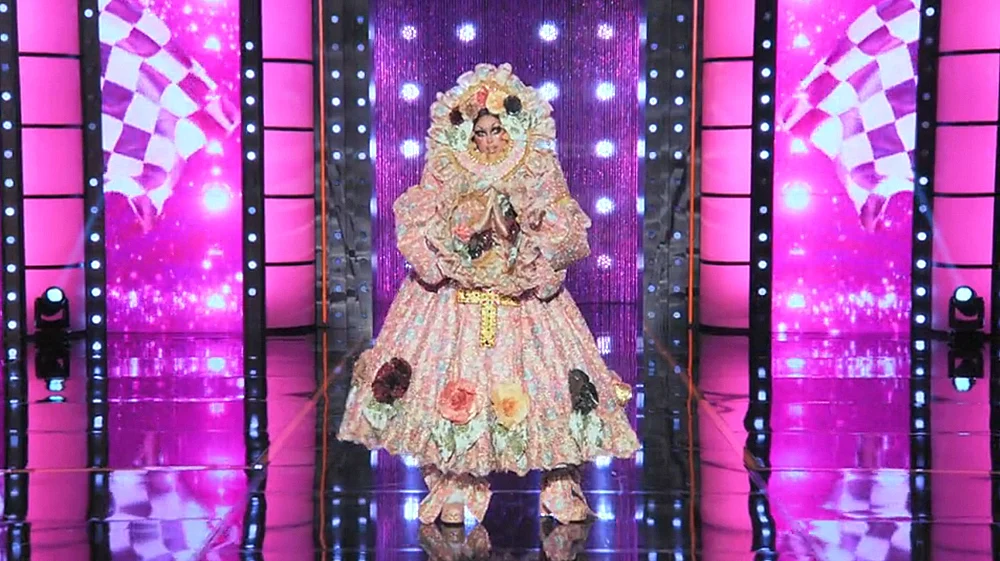

The fourth episode of RuPaul’s Drag Race All Stars Season 11, titled Duets: It Takes Two, marked a pivotal moment in the competition’s experimental bracket-style format. As the "middle bracket" of contestants made their highly anticipated entrance into the Werk Room, the episode highlighted both the enduring charisma of the franchise’s veterans and the growing structural fatigue associated with its current competitive iteration. This installment focused on the introduction of six returning queens, a complex duet performance challenge, and a runway theme that tested the boundaries between high fashion and literal interpretation. While the episode delivered the high-energy spectacle synonymous with the World of Wonder production, it also invited critical discourse regarding the efficacy of the season’s pacing and the repetitiveness of its narrative beats.
The Re-Introduction of the Middle Bracket
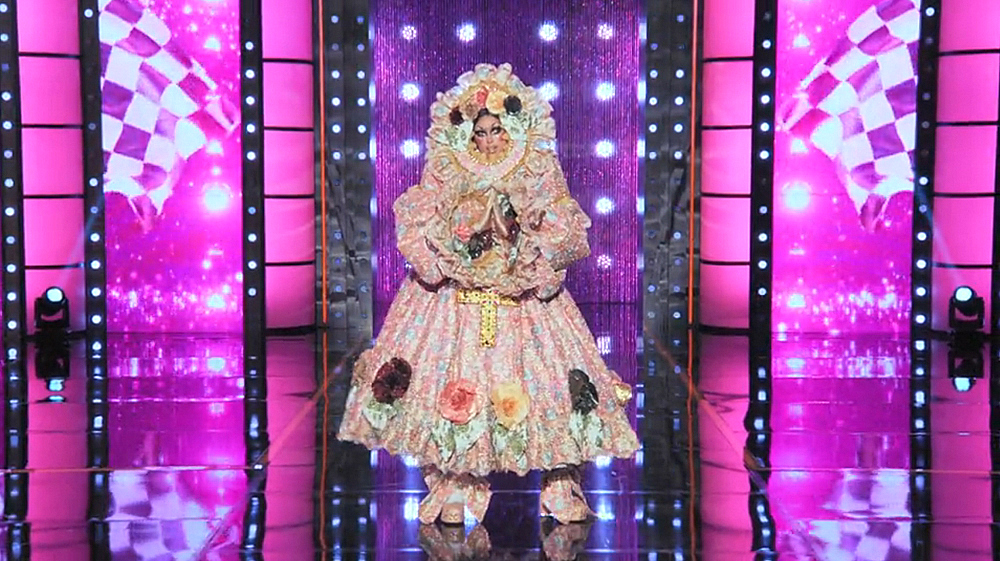
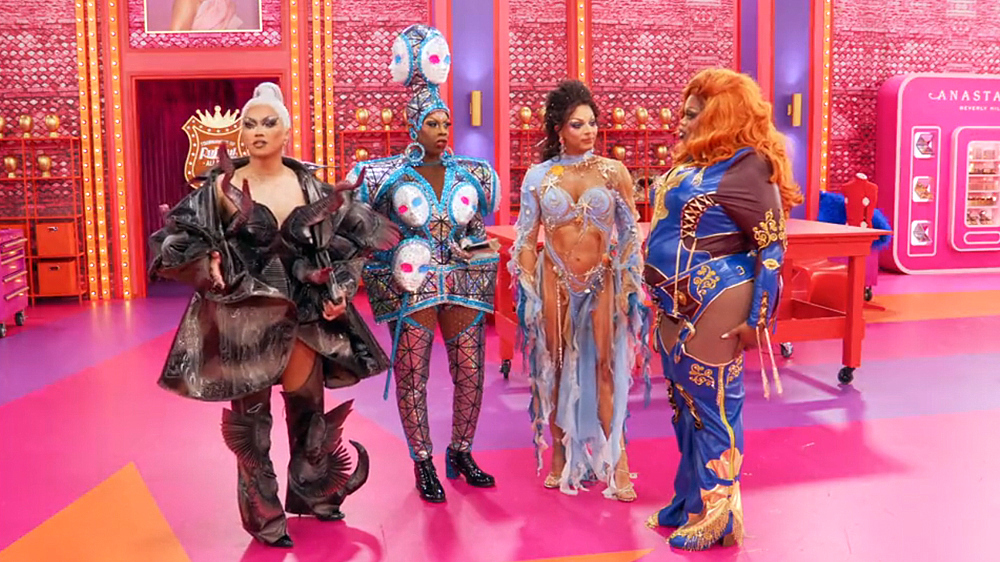
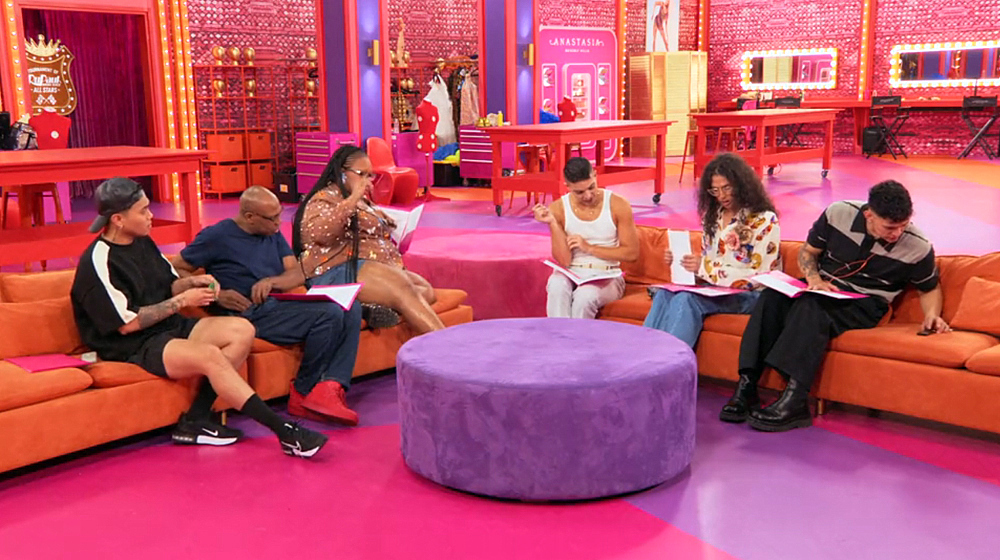
The episode commenced with the arrival of the second group of All Stars, a diverse assembly of talent spanning several seasons of the original series. The entrance of Crystal Methyd, Salina EsTitties, Vivacious, April Carrión, Aura Mayari, and Silky Nutmeg Ganache provided a snapshot of the franchise’s evolution. Crystal Methyd, a finalist from Season 12, maintained her signature "weird girl" aesthetic, presenting an over-the-top ensemble that signaled her intent to deviate from traditional pageant standards. This was contrasted by the arrival of Vivacious, a Season 6 legend and NYC club kid icon. Vivacious’s return was framed through the lens of her lasting cultural impact, specifically the iconographic status of "Ornacia," the mannequin head that became a viral sensation during her original tenure.
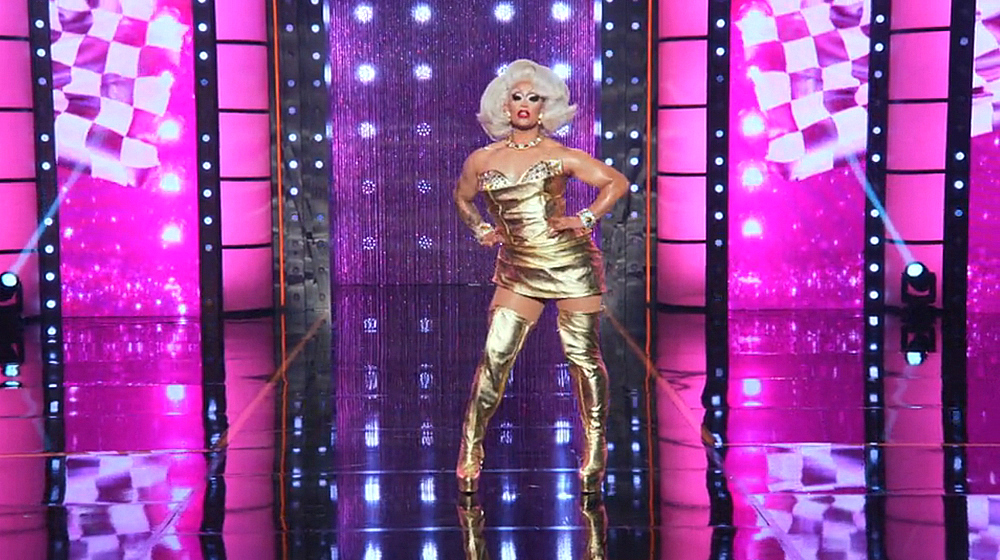
The casting strategy for this bracket appeared to prioritize personality and performance diversity. Salina EsTitties and Silky Nutmeg Ganache provided the "loud," high-energy personas necessary for reality television friction, while April Carrión and Aura Mayari represented the polished, aesthetic-driven side of the craft. However, the re-introduction phase also highlighted a recurring issue within the All Stars sub-franchise: the varying degrees of "memorability" among contestants. Production utilized extended montage sequences to remind viewers of the competitive histories of April Carrión and Aura Mayari, suggesting that for some, All Stars Season 11 serves as a crucial platform for brand rehabilitation and re-exposure.
Analysis of the Bracket Format and Production Fatigue
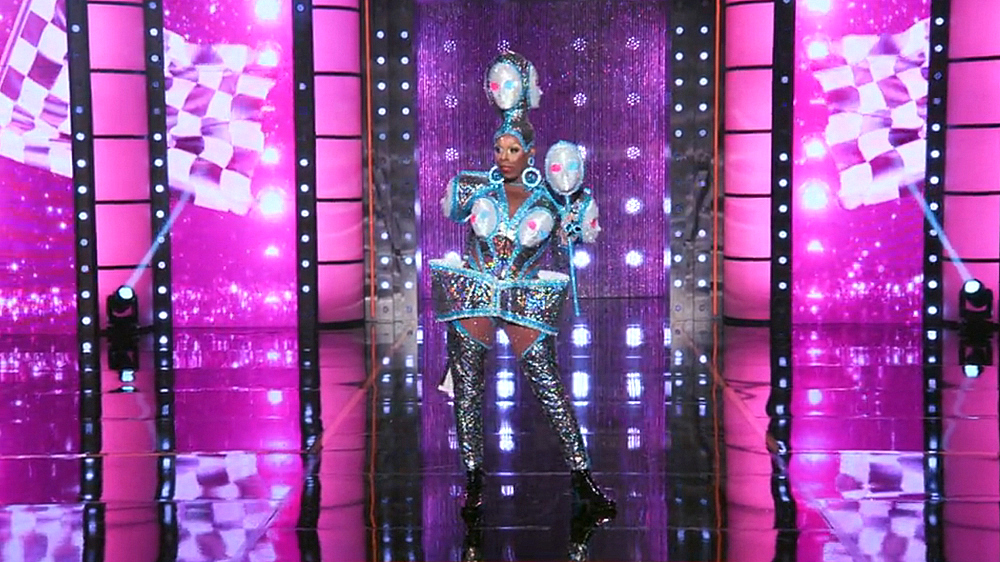
A significant portion of the episode’s critical reception centered on the "bracket format." Unlike traditional seasons where the entire cast interacts from the outset, Season 11 has opted to segment the queens into groups. This structural choice has led to a sense of narrative redundancy. Viewers observed the middle bracket engage in the same "sisterly" reunions and strategic alliance discussions that characterized the first two episodes with the previous group.
From a journalistic and media-analysis perspective, this format appears to be an attempt by production to extend the season’s longevity while managing a large cast. However, the result is a perceived lack of stakes. The conversations regarding "points" and "alliances" have become a staple of the All Stars brand, yet in this episode, they felt formulaic. Industry analysts suggest that as the Drag Race franchise continues to expand globally, the flagship U.S. All Stars series faces the challenge of maintaining freshness in a market saturated with drag content. The "stale" nature of these interactions indicates a potential disconnect between production’s desire for drama and the audience’s desire for organic competitive evolution.
The Duet Challenge: Skill Disparities and Strategic Conflict
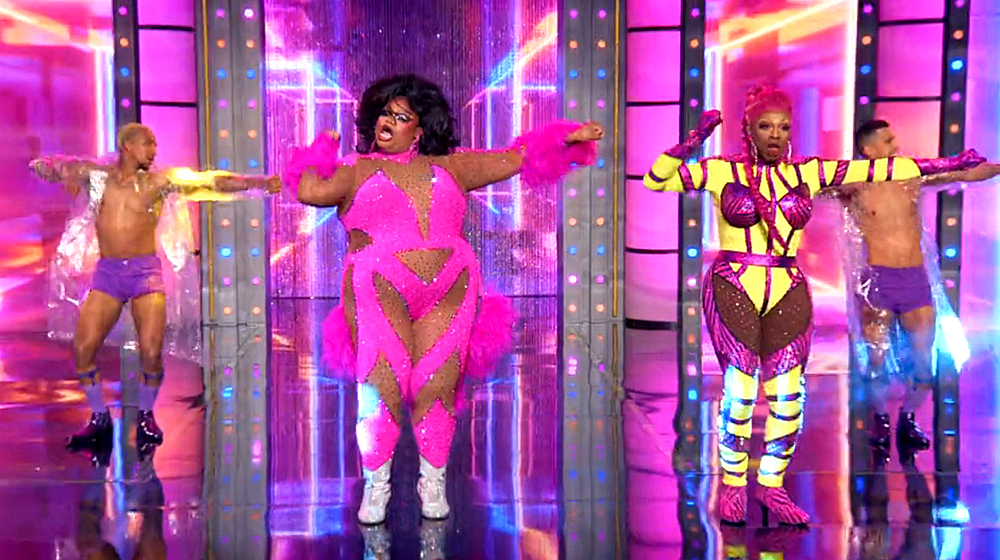
The central challenge of Episode 4 required the queens to pair up for musical duets. This "It Takes Two" concept was designed to test both performance chemistry and technical vocal ability. The pairing process immediately introduced tension, as the queens were required to negotiate over a limited selection of songs.
The pairings were as follows:
- Silky Nutmeg Ganache and Vivacious: A pairing of two high-energy, though stylistically different, performers.
- Salina EsTitties and April Carrión: A duo that faced immediate hurdles due to April’s self-admitted lack of vocal training.
- Crystal Methyd and Aura Mayari: A combination of camp-driven quirk and contemporary K-pop-influenced performance style.
The conflict arose primarily during the song selection phase. Salina EsTitties, a capable singer, found herself at a disadvantage when paired with April Carrión, who struggled with the melodic requirements of their assigned track. This highlighted a recurring theme in Drag Race challenges: the "skills gap." When a performance-based challenge requires a specific talent—such as singing—the bracket format can lead to lopsided results if the talent is not evenly distributed across the pairs. Aura Mayari and Crystal Methyd emerged as the most cohesive unit, largely because Crystal’s high-energy "antics" complemented Aura’s legitimate vocal strength and choreography.
The "Butter" Runway: Aesthetic Interpretation and Criticism
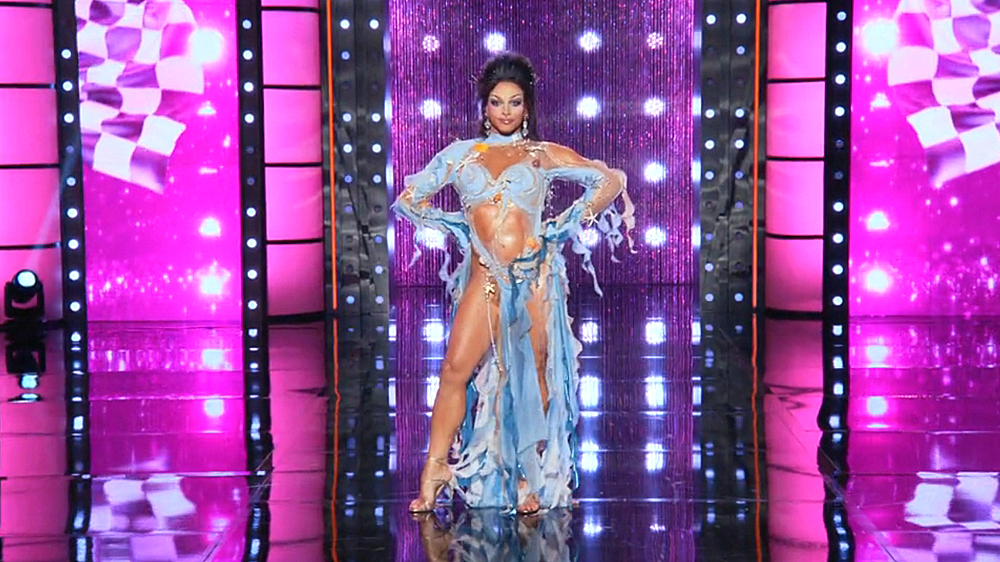
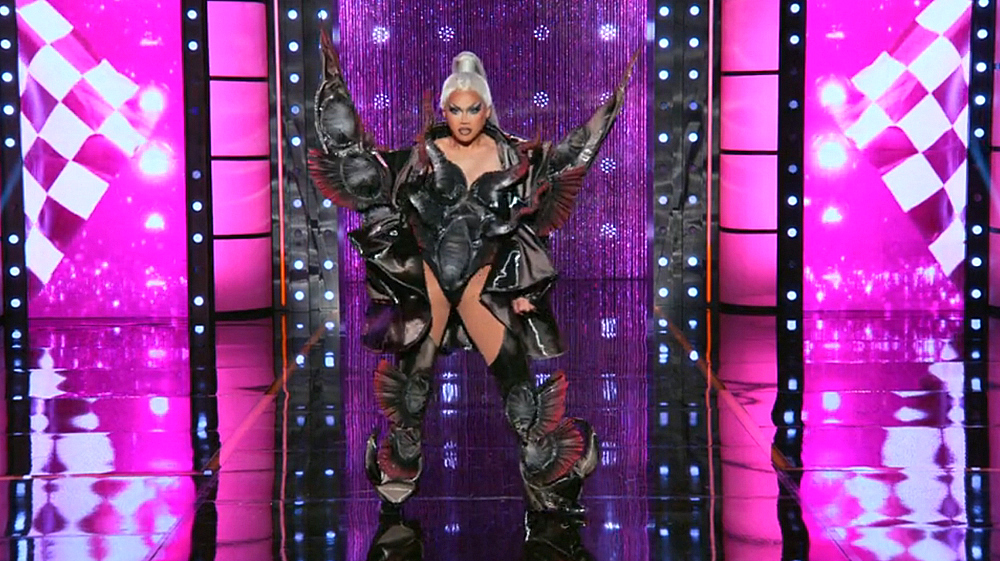
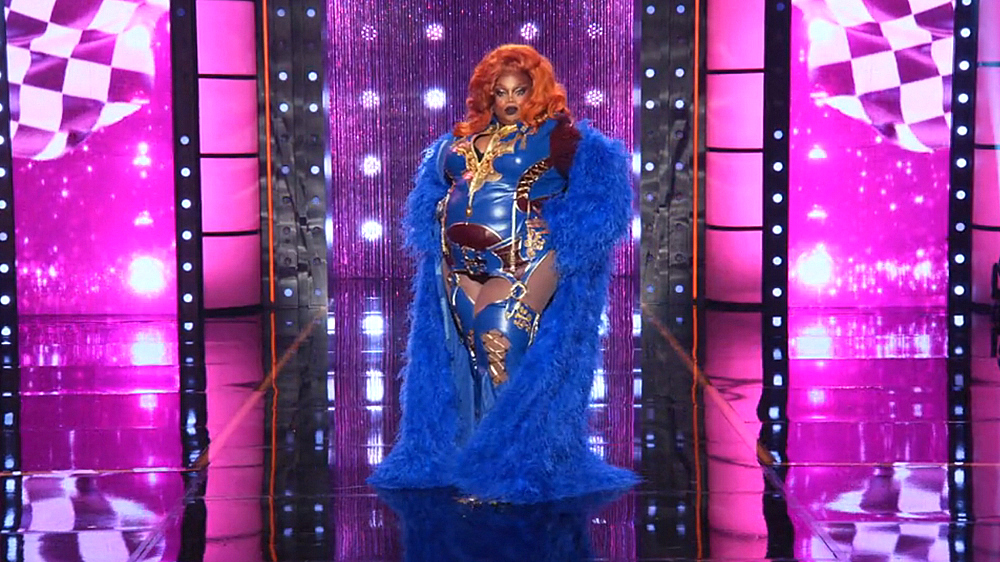
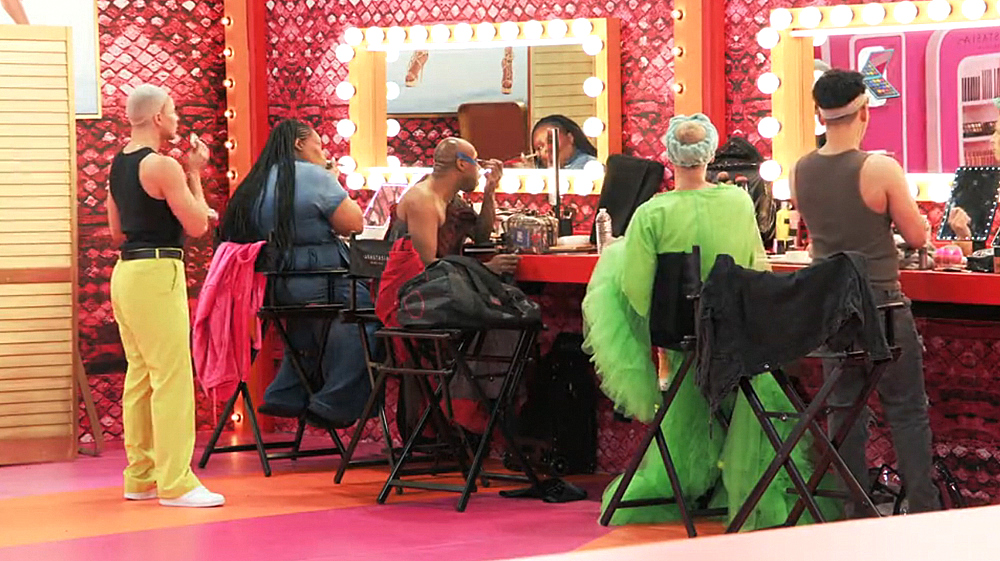
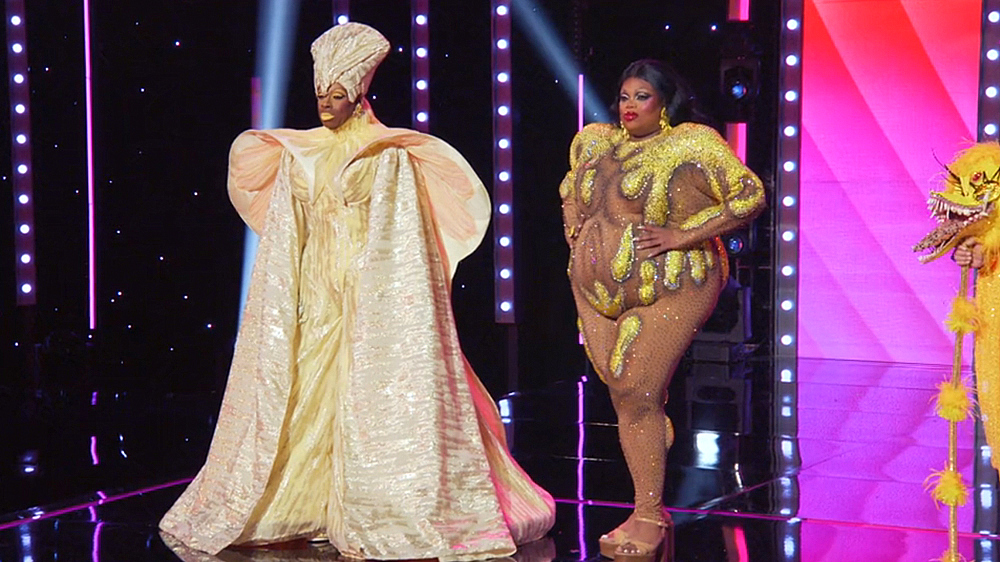
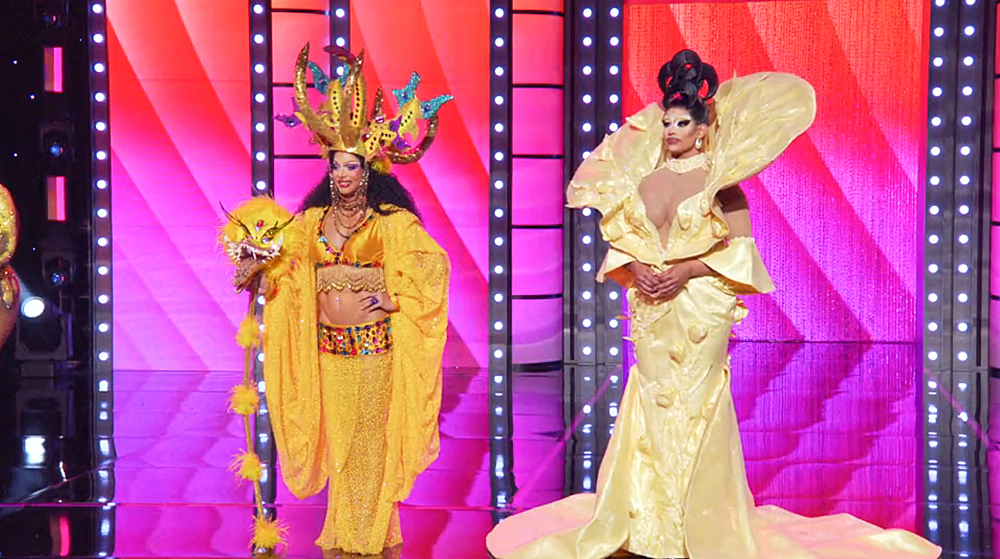
The runway theme for the evening was "Butter," a prompt that requested the queens to incorporate the color yellow or literal interpretations of the dairy product into their haute couture. The results were a mix of literalism and creative evasion.
- Crystal Methyd: Received the highest praise for a look that balanced high camp with high fashion. Her ensemble was noted for its "weirdness," a trait that the judging panel, led by RuPaul and Michelle Visage, continues to reward as the show moves away from traditional glamour.
- Silky Nutmeg Ganache: Embodied the theme literally, featuring a polished costume topped with a "stick of butter" headpiece. While the look was praised for its boldness, it faced minor technical criticism regarding the stability of the headpiece.
- Vivacious: Presented a gorgeous, regal yellow ensemble, though Michelle Visage noted that her makeup style remained rooted in an older "club kid" tradition that can occasionally read as "clownish" under modern high-definition studio lighting.
- April Carrión, Salina EsTitties, and Aura Mayari: Generally opted for aesthetic beauty over thematic literalism. Their gowns were predominantly yellow but lacked the conceptual depth seen in Crystal or Silky’s presentations.
The runway segment underscored a broader trend in the 2020s era of Drag Race: the professionalization of drag aesthetics. Most contestants now arrive with wardrobes designed by established fashion houses, raising the "barrier to entry" for newer or less-financed queens.
The Lip Sync and Final Verdict
The episode culminated in a head-to-head lip sync between Crystal Methyd and Aura Mayari. This choice by the judges reflected the duo’s dominance in the challenge. Aura Mayari provided a technically proficient performance, utilizing her background in dance and vocal performance. However, Crystal Methyd’s victory was attributed to her "camp sensibility" and her ability to capture the attention of RuPaul through comedic timing and unpredictable movement.
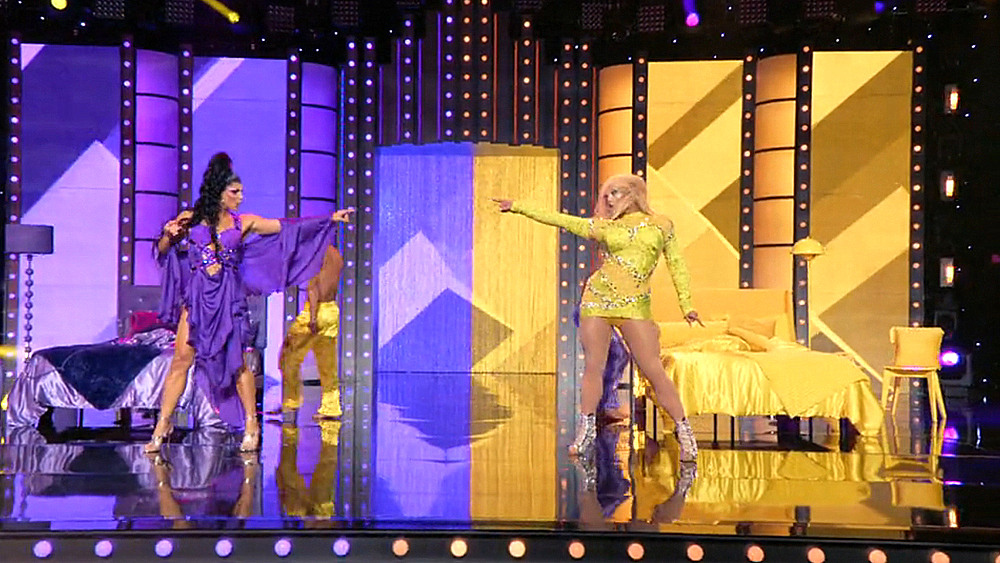
Crystal Methyd’s win sets a specific tone for the middle bracket, suggesting that personality and "stepped-up" pussy (a colloquialism for elevated drag excellence) will be the primary metrics for success in this segment of the competition. The episode concluded with a teaser of the fallout in the Werk Room, particularly regarding Silky Nutmeg Ganache’s reaction to the judging, hinting at the interpersonal volatility that remains the show’s narrative engine.

Broader Impact and Industry Context
As RuPaul’s Drag Race All Stars Season 11 progresses, it continues to serve as a significant economic and cultural driver for the LGBTQ+ entertainment sector. The franchise has moved beyond a mere reality competition to become a global launchpad for multi-media careers. However, the critical consensus surrounding Episode 4 suggests that the "All Stars" formula may require a significant overhaul to maintain its prestige.
The shift to streaming platforms like Paramount+ has allowed for longer episodes and more "behind-the-scenes" content in the Werk Room, but it also demands more substantial storytelling to keep subscribers engaged. The reliance on familiar tropes—such as the "legacy queen" narrative for Vivacious or the "redemption arc" for Silky—is a safe bet for production, but as the source material indicates, it can lead to a sense of "checked out" production values if not balanced with genuine innovation.
In conclusion, "Duets: It Takes Two" was a competent, if predictable, entry in the Drag Race canon. It successfully re-introduced a group of talented performers to the main stage, provided moments of high-fashion excellence, and established the competitive hierarchy for the weeks to come. Yet, it also served as a reminder that even the most successful franchises must guard against the stagnation that comes with a "business as usual" approach to reality television production. For the queens of the middle bracket, the challenge remains: they must not only compete against each other but also against the audience’s burgeoning sense of format fatigue.