
A Shifting Landscape for Independent Cinema
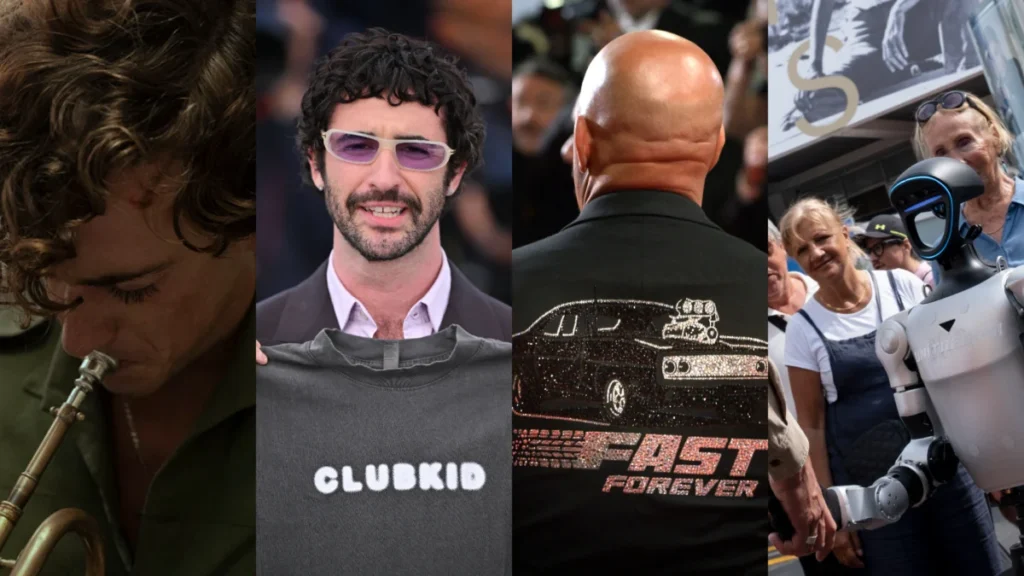
Historically, Cannes has been a vital launchpad for independent cinema, offering critical acclaim and international distribution opportunities that can make or break a film. In 2026, this role was amplified, as the indie sector took center stage, both by design and by the retreat of larger players. The festival’s official selection highlighted a vibrant, if financially precarious, independent spirit. Films like "The Black Ball," a competition favorite lauded for its gritty realism and innovative narrative structure, exemplified the kind of bold storytelling thriving outside the studio system. Director Jordan Firstsman, known for his experimental work like "Club Kid," further underscored this trend, representing a new wave of filmmakers leveraging agile production methods and unconventional distribution strategies.
The evolution of the indie ecosystem has been a long and arduous journey. Over the past decade, independent filmmakers have grappled with shrinking traditional funding avenues, the dominance of streaming giants, and an increasingly fragmented audience. However, 2026 marked a critical turning point where new models began to solidify. Data presented at the concurrent Cannes Market indicated that while average budgets for independent features had decreased by an estimated 15% since 2020, the number of independent productions had seen a surprising 8% increase year-over-year. This surge was attributed to the proliferation of micro-funding platforms, decentralized autonomous organizations (DAOs) in film financing, and a growing emphasis on direct-to-audience distribution models via specialized streaming services and even blockchain-enabled platforms. Filmmakers, no longer solely reliant on traditional distributors, are now more empowered to retain intellectual property and directly engage with their niche audiences globally.

Speaking at a panel on "The Future of Indie Film," veteran producer Anya Sharma noted, "Cannes 2026 showcased not just films, but a new ethos. It’s about resilience, innovation, and a collective refusal to let the art die. We’re seeing a return to the roots of independent filmmaking, where creativity trumps commercial pressures, and audiences are actively seeking out unique voices." This sentiment was echoed by many, suggesting a renewed sense of purpose and community within the indie circuit, even as financial hurdles remain significant.
The Studios’ Strategic Retreat
One of the most striking observations at Cannes 2026 was the conspicuous absence of major Hollywood studio tentpoles in the main competition and even in prominent out-of-competition slots. While Vin Diesel made an appearance for a special retrospective screening of "The Fast and The Furious," it felt more like a nostalgic nod to a bygone era of studio festival dominance rather than a preview of new, high-profile studio releases. This phenomenon is not entirely new but has accelerated significantly in recent years.
The reasons for this studio retreat are multifaceted. Primarily, major studios have increasingly prioritized their proprietary streaming platforms, opting to debut their most anticipated titles directly to subscribers or with highly controlled, limited theatrical releases. The massive marketing spend required for a Cannes launch, coupled with the potential for mixed reviews impacting a film’s global rollout, has become a less attractive proposition. Internal studio analyses, according to industry sources, indicate that the return on investment for a major festival splash has diminished, particularly for films designed for broad, global audiences who are increasingly platform-agnostic.

According to a market report published during the festival, major studios’ direct festival engagement, encompassing submissions to main competitions and significant market presence, had declined by over 40% globally since 2022. "The studios are playing a different game now," explained cinema economist Dr. Laurent Dubois. "Their focus is on ecosystem retention and direct audience capture. Cannes, while prestigious, no longer fits neatly into every blockbuster’s meticulously planned release schedule. The economics have shifted dramatically, making the traditional festival circuit a less essential cog in their marketing machine."
This shift has profound implications for Cannes and other major festivals. While it undoubtedly clears space for independent and international cinema, it also raises questions about the festival’s overall profile and its ability to attract the global media attention that once fueled its legendary glamour. Festival director Iris Moreau, in a press conference, acknowledged the changing dynamics but maintained an optimistic outlook. "Cannes has always adapted," she stated. "Our mission is to celebrate cinema in all its forms. If the studios choose different avenues, we will continue to champion the boldest, most innovative storytelling, regardless of budget or origin. This allows us to sharpen our focus on artistic merit and discovery."
The Uneasy Embrace of AI
Perhaps the most potent "signal" emanating from Cannes 2026 was the pervasive, albeit often uncomfortable, conversation surrounding artificial intelligence. The presence of a sophisticated humanoid robot on the Croisette, engaging with festival-goers and even conducting brief interviews, served as a potent symbol of AI’s increasing integration into the industry. This wasn’t merely a futuristic novelty; AI was a central topic in market discussions, production panels, and even whispered critiques of certain films.

The industry’s embrace of AI is best described as "uneasy" because it simultaneously promises unprecedented efficiencies and creative possibilities while raising profound ethical, economic, and existential questions. On the one hand, AI tools are revolutionizing pre-production through script analysis, character development, and virtual location scouting. During production, AI-driven technologies are enabling hyper-realistic digital humans, de-aging actors seamlessly, and generating complex visual effects with unprecedented speed and cost-effectiveness. Post-production workflows are being streamlined by AI in editing, color grading, and even sound design. Marketing departments are leveraging AI for hyper-targeted advertising campaigns and predictive analytics for audience engagement.
However, the rapid advancement of AI has also ignited significant anxieties. Concerns about job displacement across various crafts—from writers and actors to VFX artists and editors—were palpable. The ethical implications of deepfakes, copyright issues surrounding AI-generated content, and the potential erosion of human creativity were hotly debated. A "Manifesto for Human-Centric Cinema in the Age of AI" was even circulated among filmmakers and critics, advocating for strict guidelines and protections for human artists.
"AI is a tool, not a replacement for the human spirit," asserted acclaimed director Leo Chen during a highly anticipated panel. "But we must be vigilant. We need clear frameworks, ethical boundaries, and a commitment to ensuring that technology serves art, not the other way around. Cannes provides the perfect forum for these difficult but necessary conversations." Indeed, several films in the festival were rumored to have employed AI in subtle ways, from enhancing background actors to refining musical scores, sparking a quiet debate among critics about authenticity and authorship. A recent survey from the International Guild of Filmmakers, shared at the festival, indicated that while 70% of professionals believe AI will be "transformative" for the industry, nearly 60% expressed "significant concern" about its impact on employment and creative control.
Broader Impact and Future Implications

Cannes 2026 served as a powerful barometer for the fundamental restructuring of the global film industry. The confluence of these three major trends – the flourishing but fragile indie scene, the strategic withdrawal of studios, and the omnipresent shadow and promise of AI – paints a complex picture for the future of cinema.
The festival’s role as a marketplace for independent films and a platform for emerging talent has undeniably been strengthened by the studio retreat. This could lead to a more diverse and artistically daring cinematic landscape, less beholden to commercial imperatives. However, it also places greater pressure on festivals to secure robust distribution deals for these films, lest they get lost in an increasingly crowded global market. The challenge for Cannes and similar festivals will be to maintain their prestige and market relevance without the traditional draw of Hollywood glamour, evolving instead into essential hubs for artistic discovery and industry networking for the global independent community.
The shifting power dynamics mean that traditional gatekeepers are losing some of their sway. Filmmakers, especially independent ones, are gaining more agency over their creative output and distribution, fostering a more direct relationship with their audiences. This decentralization, while exciting, also brings new challenges in terms of market fragmentation and the sheer volume of content.
Ultimately, Cannes 2026 reaffirmed the festival’s enduring importance not just as a celebration of film, but as a crucial forum for confronting the industry’s most pressing challenges and opportunities. The quiet on the surface belied a deeper, more profound dialogue about the very essence of cinema in the 21st century. The signals were clear: the industry is in a state of profound flux, driven by technological innovation, evolving economic models, and a renewed emphasis on diverse, independent voices. How these fault lines continue to shift will define the cinematic landscape for decades to come, and Cannes will undoubtedly remain a vital vantage point from which to observe these transformations.