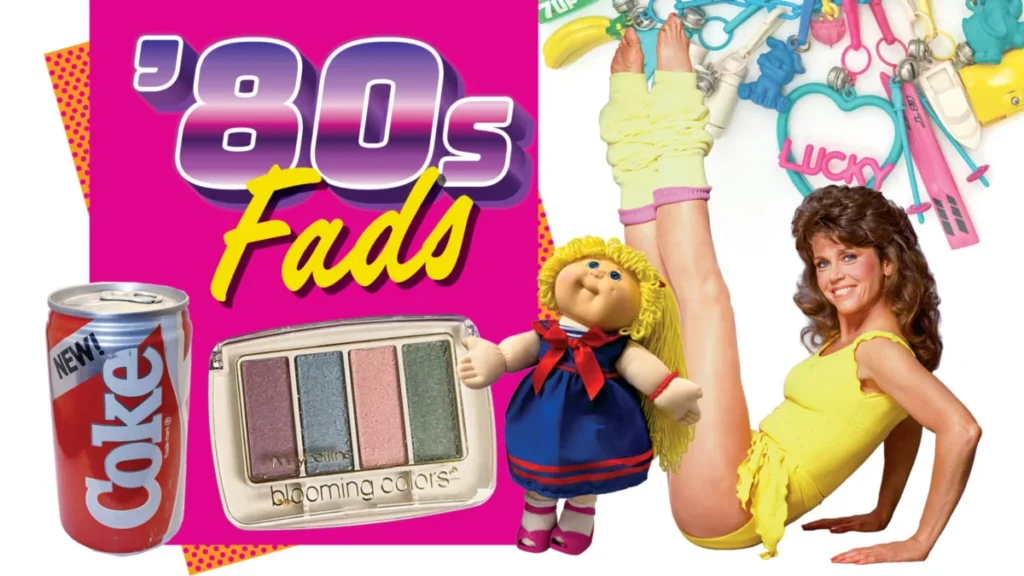

The 1980s, a decade often characterized by its vibrant energy and distinctive cultural shifts, left an indelible mark on popular consciousness. While significant advancements in medicine, technology, and global politics shaped the era, the enduring legacy of the 1980s is perhaps most vividly preserved in its unique and often whimsical fads. These cultural phenomena, ranging from fashion statements and musical trends to technological innovations and recreational activities, offer a fascinating lens through which to understand the decade’s spirit of optimism, experimentation, and a certain playful excess. Examining these fads reveals not only a nostalgic reflection of the past but also provides insights into broader societal trends and the underlying currents of change that defined the era.
The Visual Landscape: Fashion and Personal Expression
The fashion of the 1980s was a bold declaration of individuality, often characterized by bright colors, exaggerated silhouettes, and a fusion of athletic wear with everyday attire. Shoulder pads, a defining feature of the era, lent a powerful and assertive look to both men’s and women’s clothing, mirroring the increasing visibility of women in the professional sphere. This trend, which began to gain traction in the late 1970s, reached its zenith in the 1980s, with designers and retailers embracing the exaggerated silhouette. For instance, the rise of power dressing saw women donning tailored suits with broad shoulders, often paired with vibrant blouses and statement jewelry, a visual manifestation of their growing presence in the corporate world.
The influence of music and television played a pivotal role in shaping these sartorial choices. Pop icons like Madonna, with her layered necklaces, lace gloves, and ripped leggings, popularized a punk-inspired, yet undeniably mainstream, aesthetic. The rise of MTV in 1981 provided a global platform for artists to showcase their visual style, directly influencing millions of young viewers. Similarly, television shows like "Miami Vice" introduced pastel suits and casual yet stylish ensembles that became widely emulated. The popularity of aerobics and fitness culture also seeped into daily fashion, leading to the widespread adoption of brightly colored leotards, leg warmers, and athletic shoes as everyday wear. Brands like Nike and Reebok experienced unprecedented growth during this period, as their sneakers transitioned from athletic gear to essential fashion items.
The Sound of the Eighties: Music and its Cultural Resonance
The 1980s was a golden age for popular music, characterized by an eclectic mix of genres that dominated the airwaves and charts. Synth-pop, new wave, and glam metal all found significant followings, driven by innovative use of synthesizers, drum machines, and elaborate music videos. The emergence of MTV fundamentally altered the music industry, transforming artists into visual icons and music videos into an art form. The impact of MTV cannot be overstated; it provided a crucial marketing tool and cultural touchstone for the decade. By 1985, MTV was reaching over 30 million homes in the United States alone, and its influence extended globally.
Key artists like Michael Jackson, with his groundbreaking album "Thriller" (1982) – which became the best-selling album of all time – revolutionized music production and visual presentation. His iconic dance moves and music videos set new standards for the industry. Madonna, as mentioned, not only influenced fashion but also pushed boundaries with her provocative lyrics and evolving image. Other influential acts included Duran Duran, whose sophisticated visual style and catchy synth-pop defined the new romantic movement; Bon Jovi and Guns N’ Roses, who brought a more accessible and anthemic sound to the hard rock scene; and Prince, a singular artist whose genre-bending music and flamboyant persona captivated audiences worldwide. The decade also saw the rise of hip-hop, which, while still a nascent genre in the early 80s, began to gain mainstream traction with artists like Run-DMC and Public Enemy, laying the groundwork for its future dominance.
Technological Innovations and Recreational Pursuits
The 1980s witnessed a surge in accessible technology that permeated daily life and spawned new forms of entertainment. The personal computer, once a niche item, began to enter homes, albeit in its early, often cumbersome forms. Companies like Apple and IBM played a significant role in this democratization of computing. By the mid-1980s, personal computer sales in the US were in the millions annually, signaling a fundamental shift in how people interacted with information and technology.
Video games evolved from simple arcade experiences to sophisticated home entertainment systems. The Atari 2600, which had gained popularity in the late 1970s, continued to be a dominant force, but the decade also saw the introduction of the Nintendo Entertainment System (NES) in 1985, which revitalized the home video game market after a significant industry crash in 1983. Games like "Super Mario Bros." and "The Legend of Zelda" became cultural phenomena, captivating a generation and establishing franchises that continue to thrive today.
Beyond digital entertainment, other recreational fads captured the public’s imagination. The Rubik’s Cube, a deceptively simple-looking puzzle invented in 1974, exploded in popularity in the early 1980s, selling over 100 million units by 1983. Its appeal lay in its intellectual challenge and vibrant, tactile nature. Similarly, the Cabbage Patch Kids dolls, with their unique names and adoption certificates, became a national craze, leading to widespread shortages and even riots in toy stores during the holiday seasons of 1983 and 1984. These toys tapped into a desire for personalized connection and collectible items, reflecting a broader consumer trend.
The Rise of the "Walkman" and Portable Media
One of the most significant technological fads of the 1980s was the portable music player, most notably Sony’s Walkman, introduced in 1979. This device revolutionized how people consumed music, allowing them to take their favorite tunes with them anywhere. The Walkman, along with its competitors, became a symbol of personal freedom and mobility. By the mid-1980s, hundreds of millions of these portable cassette players had been sold worldwide. The ability to create personalized mixtapes from radio broadcasts or existing albums further cemented the Walkman’s appeal, fostering a sense of individual curation and ownership of musical experience. This portability also influenced fashion, with many sporting headphones as a visible accessory, signifying their engagement with their personal soundtrack.
Enduring Legacies and Cultural Impact
The fads of the 1980s, while sometimes viewed through a lens of kitsch or excess, were more than just fleeting trends. They reflected a society undergoing significant technological, economic, and social transformations. The bold fashion choices mirrored a burgeoning confidence and a desire for self-expression. The music scene, fueled by new technologies and visual mediums, fostered a global interconnectedness and provided anthems for a generation. The embrace of new technologies, from personal computers to video games, laid the groundwork for the digital age we inhabit today.
Furthermore, the popularity of certain toys and collectibles like Cabbage Patch Kids and the Rubik’s Cube speaks to a desire for tangible engagement and personalized experiences in an increasingly mediated world. These fads were not merely superficial; they were deeply intertwined with the cultural zeitgeist, influencing not only what people wore, listened to, or played with, but also how they perceived themselves and their place in the world. The lasting appeal of 1980s culture, evident in its continued presence in film, fashion, and music, underscores the profound and multifaceted impact of its memorable fads. The decade’s boldness, its embrace of innovation, and its unique brand of exuberance continue to resonate, making it a period that remains both fascinating to study and enjoyable to recall. The cultural artifacts of the 1980s serve as a vibrant testament to a decade that dared to be different and, in doing so, left an indelible imprint on the modern world.