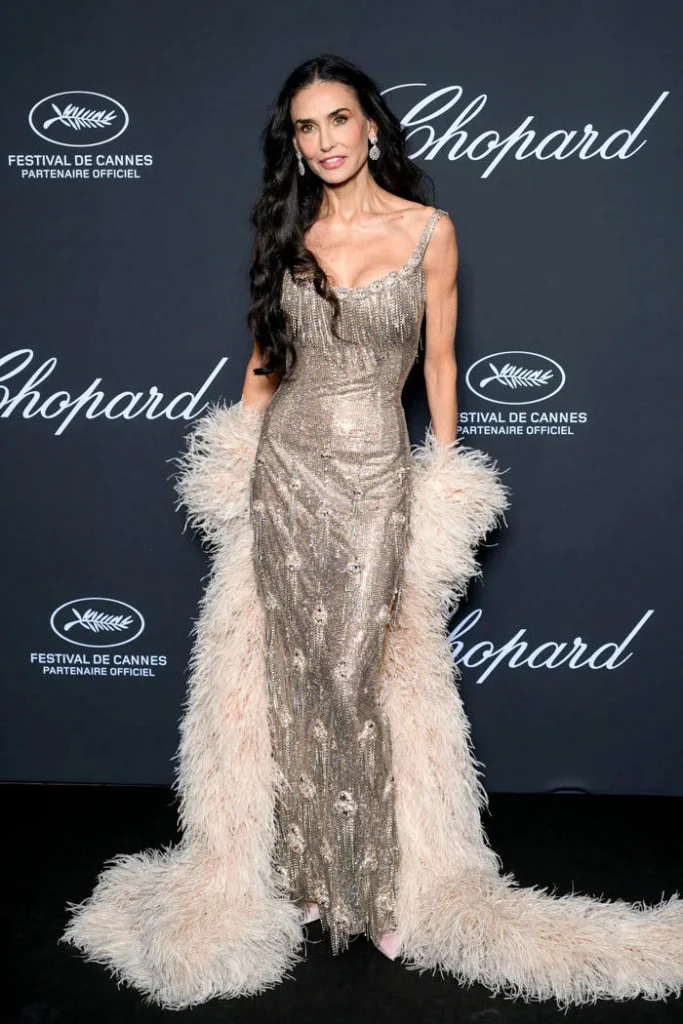

The 79th annual Cannes Film Festival continued its tradition of blending cinematic excellence with high-fashion spectacle during the Trophée Chopard Ceremony, an event that has become a cornerstone of the festival’s second week. Held at the iconic Hotel Martinez, the ceremony serves a dual purpose: celebrating the ascent of young acting talent and showcasing the latest high-jewelry collections from Chopard, the festival’s official partner since 1998. The 2026 edition of the Trophée Chopard highlighted a diverse array of international stars, ranging from industry veterans to the next generation of "it" girls and leading men, all while reinforcing the symbiotic relationship between the luxury goods sector and the global film industry.
The Significance of the Trophée Chopard in the Cannes Calendar
Since its inception in 2001 by Caroline Scheufele, Co-President and Artistic Director of Chopard, the Trophée Chopard has sought to recognize two rising stars—one male and one female—who have demonstrated exceptional potential in the preceding year. The award is traditionally presented by a "Godmother" or "Godfather," a legendary figure in cinema whose presence underscores the passing of the torch to the new generation. Past honorees have included future Academy Award winners and nominees such as Marion Cotillard, Florence Pugh, and Léa Seydoux, making the ceremony a highly scrutinized predictor of long-term career longevity.
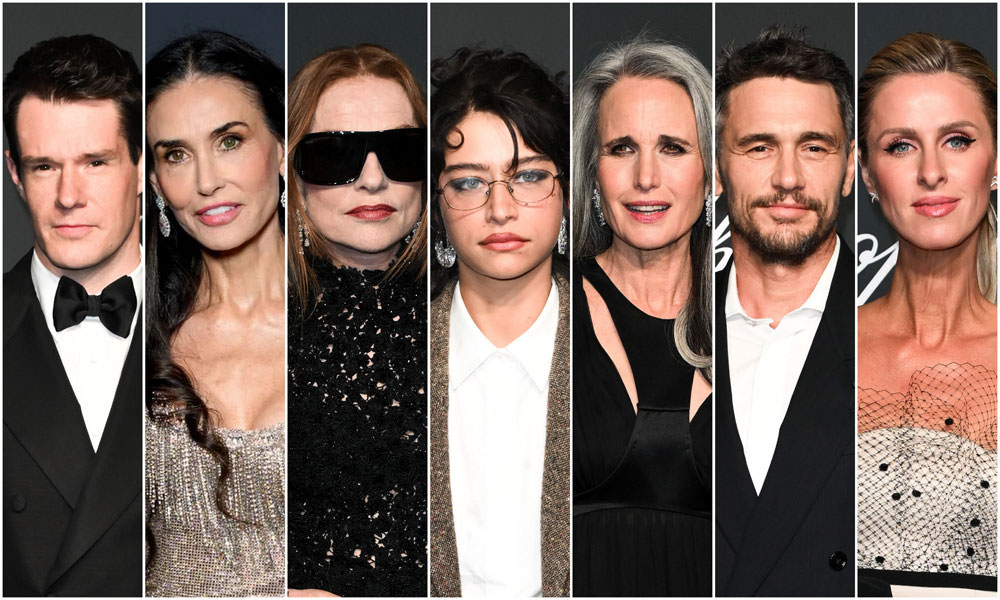
In 2026, the atmosphere at the Martinez was one of refined elegance, as Chopard unveiled pieces from its latest Red Carpet Collection. The collection, often inspired by nature or the "Seventh Art" itself, utilized ethically sourced gemstones and Fairmined-certified gold, a testament to the brand’s "Journey to Sustainable Luxury" initiative launched in 2013. For the attendees, the red carpet was not merely an entrance but a curated gallery of couture and high jewelry, where every silhouette was designed to accentuate the brilliance of the Chopard diamonds and emeralds on loan.
Chronology of the 2026 Ceremony
The evening commenced at 8:00 PM CET with the arrival of guests on a specially commissioned Chopard-themed carpet. Unlike the main Palais des Festivals steps, the Trophée Chopard red carpet offers a more intimate setting, allowing photographers to capture the intricate details of the attendees’ attire.
By 9:30 PM, the formal dinner began in the hotel’s Grand Ballroom. The menu, designed by Michelin-starred chefs, emphasized Mediterranean flavors, aligning with the festival’s French Riviera heritage. At 10:45 PM, the presentation of the trophies took place. The 2026 ceremony saw veteran actress Demi Moore take the stage as the evening’s Godmother. Her role was pivotal, as she presented the awards to this year’s recipients, Odessa A’zion and Connor Swindells, both of whom have seen a meteoric rise in prestige television and independent cinema over the last 24 months.
The night concluded with an after-party on the Chopard Rooftop, where the winners celebrated alongside industry power players, fashion designers, and fellow actors. This transition from a formal awards ceremony to a high-energy social event is a hallmark of the Cannes experience, facilitating the networking that often leads to future film collaborations.
A Detailed Analysis of the 2026 Red Carpet Profiles
The 2026 ceremony was notable for its shift toward structural experimentation and a return to "Old Hollywood" glamour with modern twists. Several key figures stood out for their fashion choices, which served to communicate their current standing within the industry hierarchy.
Demi Moore in Tamara Ralph Couture
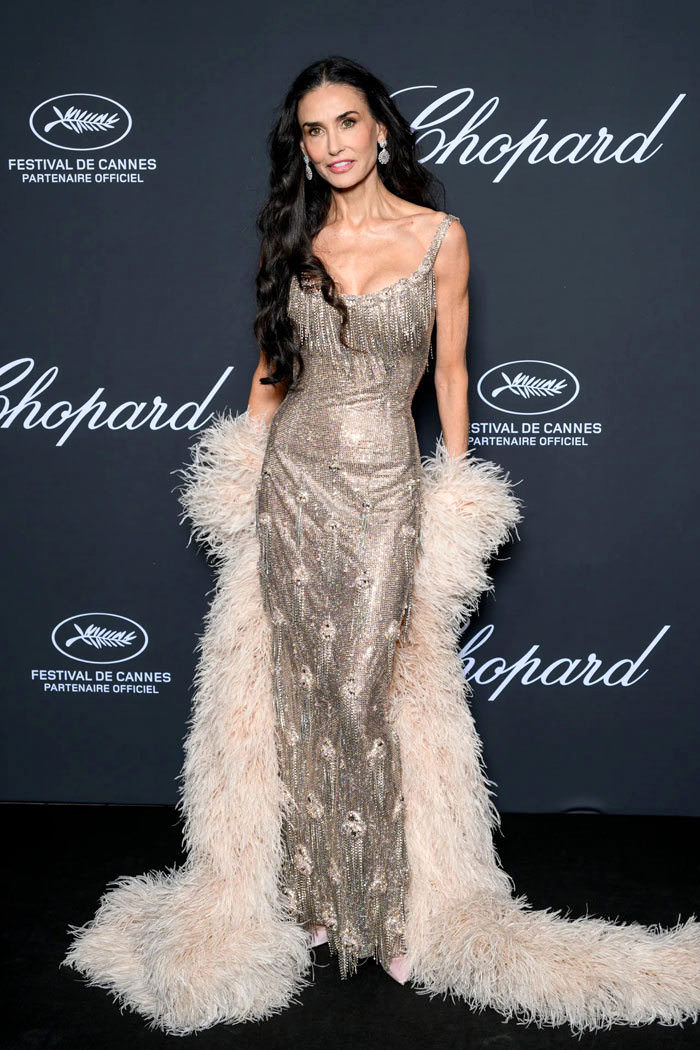
As the evening’s Godmother, Demi Moore leaned into a high-octane aesthetic that commanded attention. Wearing a custom creation by Tamara Ralph Couture, Moore’s look was a masterclass in architectural draping. The gown featured sharp, sculptural elements that framed her silhouette, providing a sophisticated backdrop for the Chopard high-jewelry suite she wore. Industry analysts noted that Moore’s choice of an independent female-led couture house reflected a broader trend of veteran actresses supporting niche luxury brands that prioritize craftsmanship over mass-market visibility.
Odessa A’zion in Dior
Recipient of the female Trophée Chopard, Odessa A’zion arrived in a Dior ensemble that balanced the brand’s traditional femininity with a youthful, slightly subversive edge. The look, characterized by a contemporary cut that included a calculated midriff exposure, sparked discussion regarding the evolution of formalwear for Gen Z icons. While some traditionalists found the departure from standard evening gowns daring, fashion historians pointed out that Dior has a long history of adapting to the "youthquakes" of various eras. The inclusion of heavy Chopard jewels provided the necessary gravitas to ground the modern silhouette.
Connor Swindells in Prada
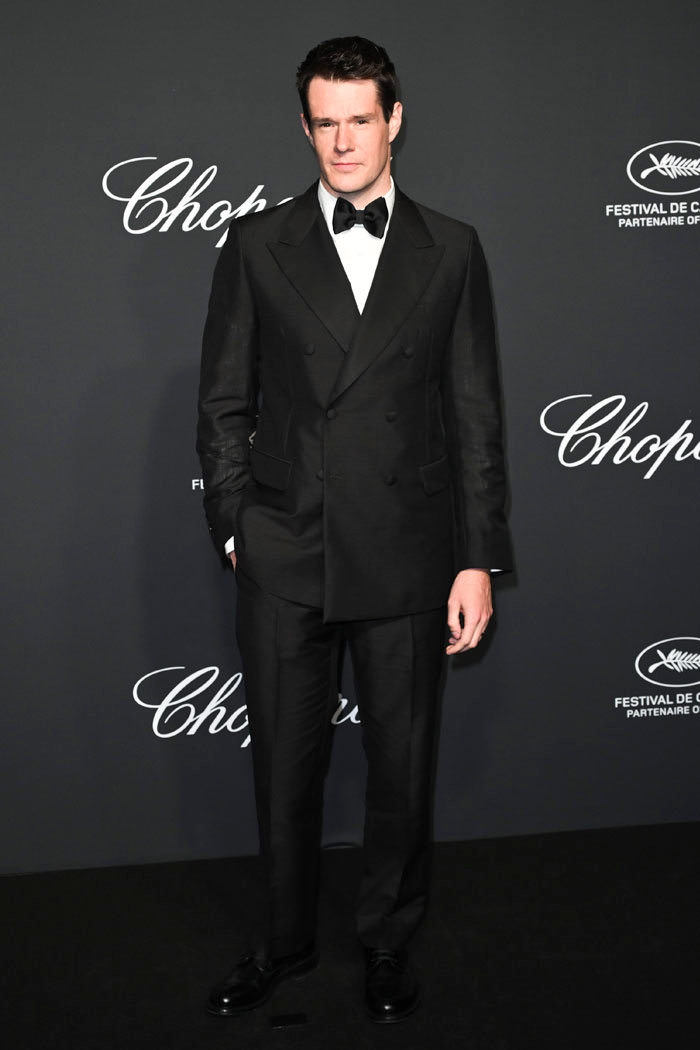
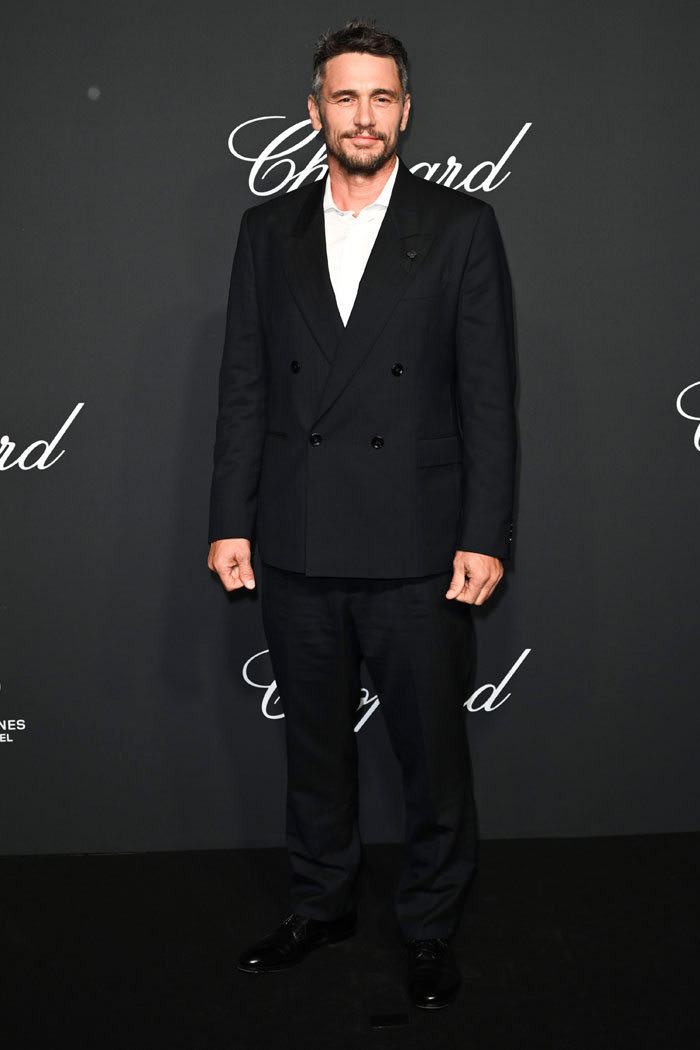
The male recipient, Connor Swindells, opted for the understated precision of Prada. His tuxedo followed the brand’s signature minimalist approach, focusing on fit and textile quality rather than ornamental flourishes. In an era where male red-carpet fashion often veers into the avant-garde, Swindells’ adherence to classic tailoring was seen as a strategic move, positioning him as a serious leading man with timeless appeal.
Isabelle Huppert in Gucci
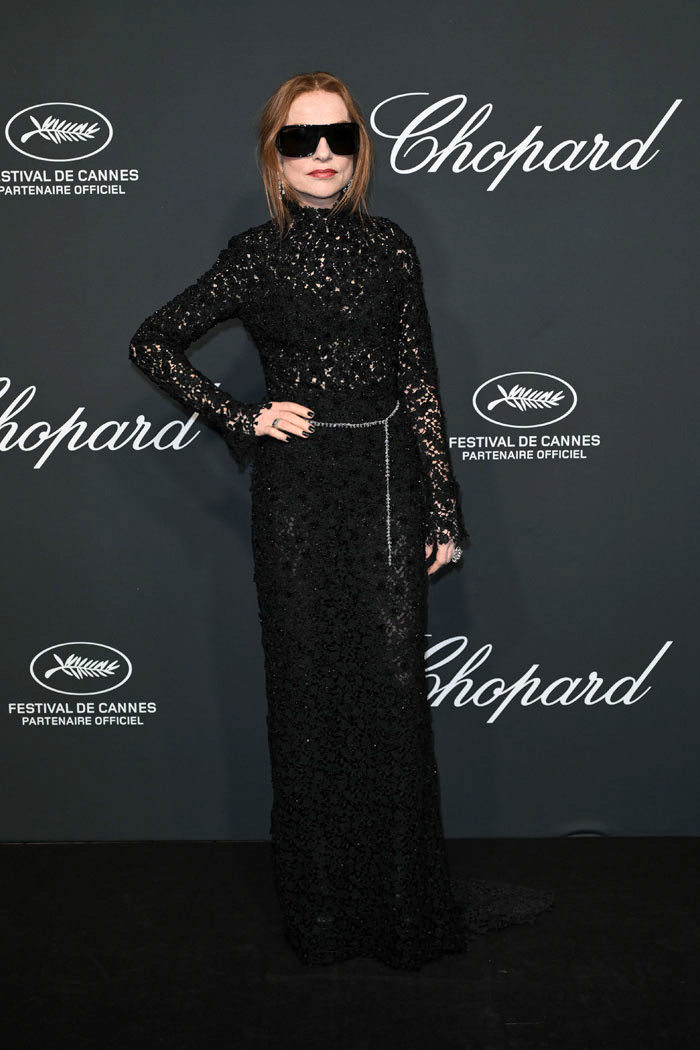
Isabelle Huppert, a perennial fixture at Cannes and a frequent collaborator with the house of Gucci, chose a look that challenged conventional evening aesthetics. Known for her fearless approach to fashion, Huppert paired her gown with oversized eyewear, a move that some critics found jarring but others lauded as a quintessential "Huppert" statement of autonomy and intellectualism. Her look integrated a unique jewelry-as-clothing element, with a necklace-belt hybrid that highlighted Chopard’s ability to innovate beyond standard pendants.
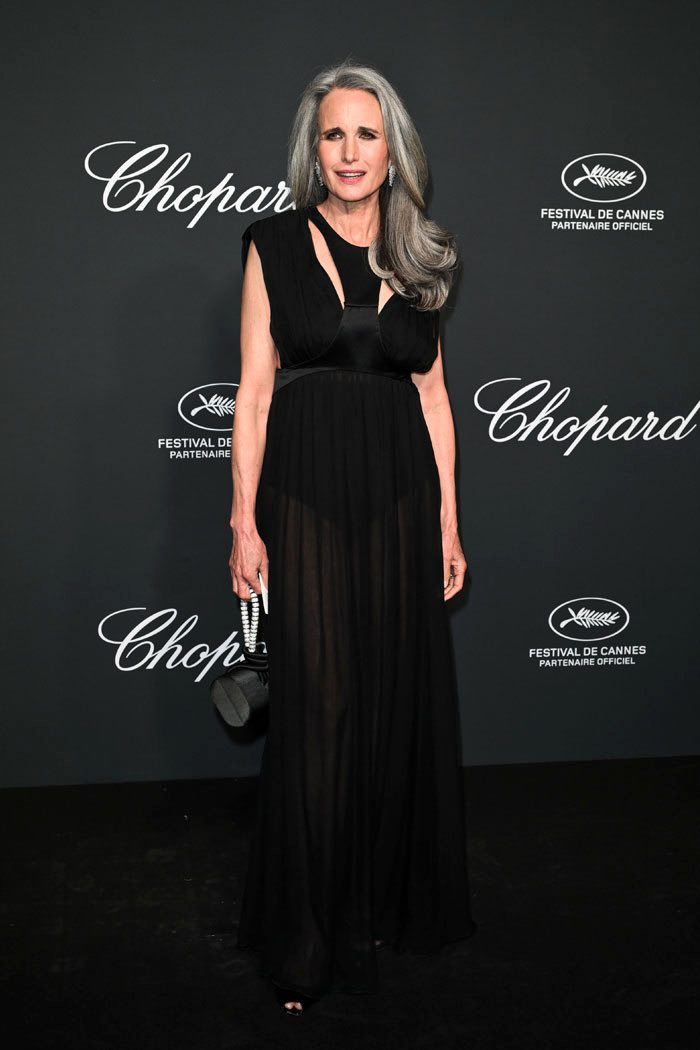
Andie MacDowell
The veteran actress and L’Oréal Paris ambassador brought a sense of classic grace to the event. While her ensemble was noted for its more somber tones, it allowed her natural features and the brilliance of her Chopard accessories to take center stage. Her presence served as a reminder of the festival’s multi-generational reach, bridging the gap between the legends of the 1990s and the newcomers of the 2020s.
Economic and Cultural Implications
The Trophée Chopard is more than a talent search; it is a vital component of the "Cannes Economy." The festival is estimated to generate over €200 million for the local economy each year, and luxury sponsorships account for a significant portion of the media value. For a brand like Chopard, the ceremony provides a platform for "celebrity placement," which is arguably the most effective form of marketing in the luxury sector. The images of Moore, Huppert, and A’zion wearing Chopard pieces are disseminated globally within minutes, creating an aspirational link between the brand and the prestige of international cinema.
Furthermore, the 2026 ceremony underscored the increasing importance of the "Red Carpet Rundown" as a journalistic sub-genre. Digital engagement metrics show that fashion coverage of the Trophée Chopard often outperforms reviews of the films themselves in terms of social media reach. This has led to a more calculated approach by talent agencies and stylists, who view these events as critical "brand-building" opportunities for their clients.
Supporting Data and Industry Trends
Data from the 2025-2026 fashion cycle indicates a 15% increase in the use of archival or "vintage-inspired" looks on major red carpets, a trend reflected in the 2026 Chopard ceremony. Additionally, the shift toward sustainable luxury has become a non-negotiable for younger stars. According to a 2026 luxury consumer report, 68% of Gen Z consumers are more likely to support brands that demonstrate ethical sourcing, a metric that Chopard has capitalized on through its transparent supply chain for the Trophée Chopard statues and the jewelry worn by the winners.
The trophy itself, a silver film strip coated in 18-carat gold, is hand-crafted in Chopard’s Geneva workshops. Each trophy requires over 30 hours of labor, emphasizing the "haute" nature of the award. The 2026 edition saw a slight redesign of the base, utilizing sustainable marble to further align with the festival’s increasing focus on environmental responsibility.
Broader Impact and Conclusion
The Trophée Chopard Ceremony at the 2026 Cannes Film Festival reaffirmed its status as an indispensable intersection of art, commerce, and glamour. By honoring Odessa A’zion and Connor Swindells, the festival continues to look toward the future, ensuring that the legacy of cinema is carried forward by individuals who are as comfortable in front of a camera as they are on a high-fashion stage.
As the 79th edition of the festival draws toward its conclusion with the awarding of the Palme d’Or, the Trophée Chopard remains a highlight for its ability to distill the essence of Cannes into a single evening: the celebration of beauty, the recognition of talent, and the enduring power of the image. For the stars involved, the night was a career milestone; for the brands, a marketing triumph; and for the public, a glimpse into the evolving standards of global excellence. In the high-stakes world of the French Riviera, the Trophée Chopard proved once again that while films may compete for prizes, the red carpet remains the ultimate theater of influence.