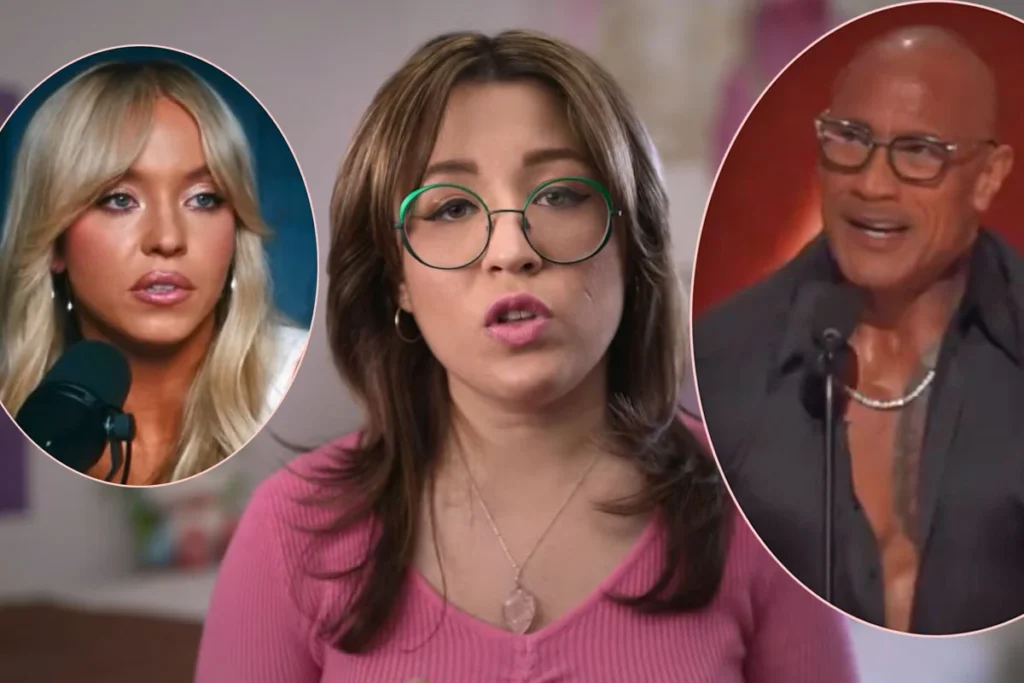

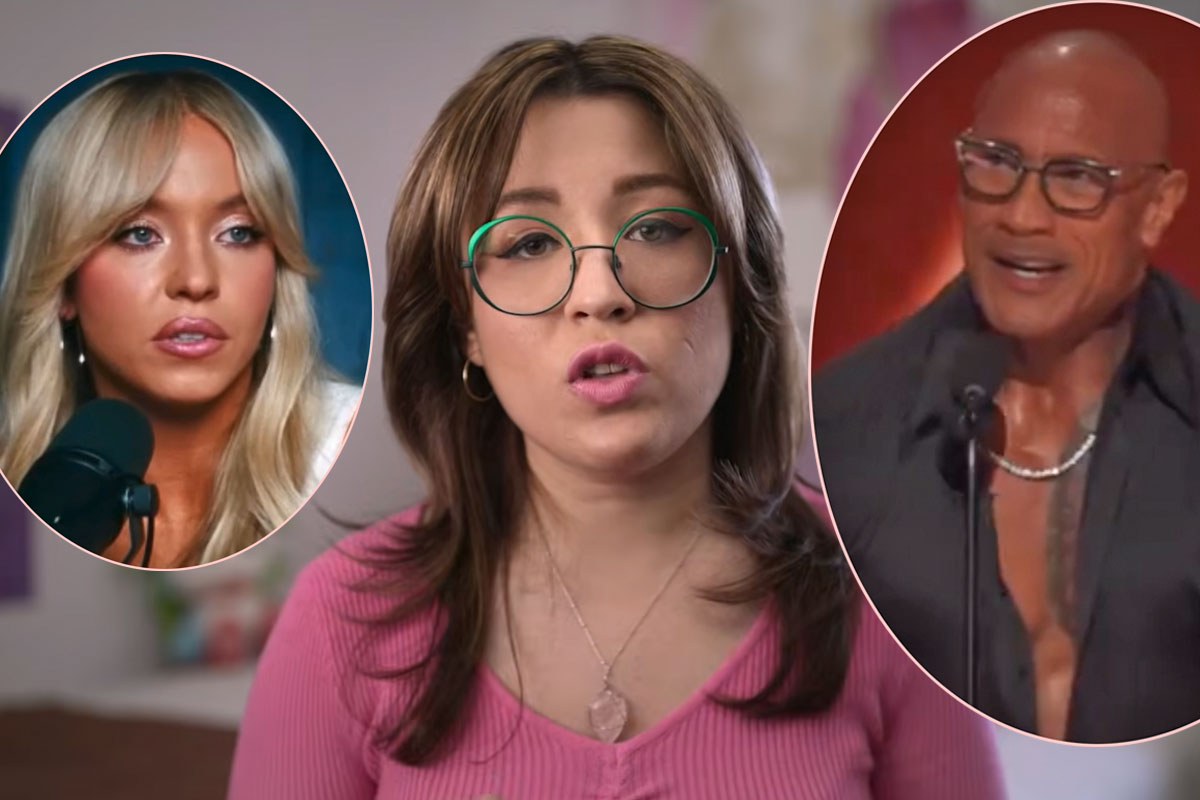
Reality television personality and autism advocate Dani Bowman has publicly criticized the recent, casual use of the derogatory term "R-word" in popular culture, specifically citing instances in HBO’s acclaimed drama Euphoria and during Netflix’s Roast of Kevin Hart, featuring Dwayne "The Rock" Johnson. Bowman, a prominent voice from Love on the Spectrum and an individual on the autism spectrum, articulated her profound disappointment and concern over the re-emergence of language that has historically been used to marginalize and dehumanize neurodiverse individuals. Her statements underscore a broader conversation about media responsibility and the ongoing fight for inclusive language.
Bowman voiced her strong disapproval in an interview over the weekend, asserting, "We worked too hard for inclusion and acceptance to normalize the ‘R-word’ again. As someone on the Autism spectrum, it’s honestly painful to watch this language become socially acceptable in pop culture." She emphasized that the term has been employed for decades as a tool for bullying, humiliation, and dehumanization, and its resurgence, whether for perceived edginess or humor, represents a significant regression rather than progress. "We spent years trying to educate people that these words hurt real human beings. And representation means nothing if respect disappears the second people think it’s trendy to mock disability again," Bowman added, highlighting the disconnect between increased representation of neurodiverse individuals and the casual use of harmful slurs.
The "Euphoria" Controversy: A Pattern of Concerning Language
The use of the R-word in Euphoria has drawn particular scrutiny, with reports indicating its appearance in four out of five episodes of the show’s currently released third season. The most recent instance involved actress Sydney Sweeney’s character, further amplifying concerns among disability advocates and viewers. Euphoria, known for its gritty portrayal of adolescent life and its significant influence on youth culture, faces heightened responsibility regarding the language it normalizes.
Katy Neas, CEO of The Arc of the United States, a leading advocacy organization for people with intellectual and developmental disabilities (IDD), reinforced Bowman’s concerns in an op-ed published earlier this week. Neas articulated that Euphoria‘s integration of the R-word into ordinary dialogue week after week transcends mere reflection of culture; it actively shapes it. "That’s just the start of the real harm Euphoria overlooks by treating the R-word like casual slang. Some people will say this is just how people talk now. That’s exactly the problem. Pop culture helps decide what’s normal enough to repeat. When Euphoria folds the R-word into ordinary dialogue week after week, it’s not just reflecting culture, it’s helping to shape it," Neas wrote, stressing the powerful role of media in influencing societal norms and language usage. This perspective highlights that while artistic expression is vital, it carries an ethical obligation, especially when dealing with historically oppressive language. The repetition of such a slur, even within a fictional narrative, risks re-legitimizing it in everyday discourse, eroding years of advocacy work aimed at its eradication.
Dwayne "The Rock" Johnson’s Incident at the "Roast of Kevin Hart"
Beyond Euphoria, the R-word also made an unwelcome appearance during Netflix’s Roast of Kevin Hart, delivered by global superstar Dwayne "The Rock" Johnson. During his set, Johnson aimed a joke at NBA star Draymond Green, incorporating the slur in a segment that quickly circulated across social media platforms.
Bowman addressed this incident directly, stating, "I respect Dwayne Johnson and everything he’s accomplished, but using the R-word even in a joke or skit is disappointing. Words like that have a real impact because they’ve been used for years to mock and tear down people with disabilities and neurodiverse individuals." She further elaborated, "We’ve made a lot of progress when it comes to inclusion and awareness, so seeing that kind of language come back into mainstream entertainment feels like a step backward. Comedy can still be funny without targeting a community that has fought hard to be respected."
The specific segment involved Johnson saying, "Draymond is in the house, my guy! Hey, Draymond, that’s your name, right? That’s my boy. I was thinking about this, you know, of all the cool-ass Black names you could have, that is the laziest fking Black name I’ve ever heard. Because all you did was put a D in front of Raymond. Yeah. It’s fking [R-word]. And on top of all that, your [R-word] name, your team got bounced from the playoffs. So, so, I’m just saying, because you’re my boy and I love you, maybe it’s time to retire. I’m sorry, to dretire." The inclusion of the slur, even in a comedic context, sparked immediate backlash from disability advocates and concerned viewers who argue that intent does not negate impact when it comes to historically oppressive language.
Historical Context and the Fight for Respectful Language
The term "R-word" refers to "retarded" or "retard," words that originated in the medical field in the late 19th and early 20th centuries to describe individuals with intellectual disabilities, or "mental retardation." Initially intended as a clinical descriptor, the term gradually became a derogatory slur, used to mock, insult, and marginalize individuals with disabilities. Its widespread adoption as an insult in popular culture and everyday language stripped it of any medical neutrality and imbued it with a deeply hurtful connotation.
The campaign to "Spread the Word to End the Word" was launched in 2009 by Special Olympics and Best Buddies, aiming to retire the word from common usage and promote inclusive language. This global initiative has garnered significant support from individuals, educational institutions, and public figures, advocating for the adoption of respectful terminology such as "intellectual disability" or "developmental disability." The campaign highlights the power of language to shape perceptions and foster either inclusion or exclusion.
In 2010, Rosa’s Law was signed into U.S. federal law, officially replacing "mental retardation" with "intellectual disability" in federal health, education, and labor statutes. This legislative change was a monumental step, reflecting a national commitment to more respectful and accurate language. The law, named after Rosa Marcellino, a young girl with Down syndrome whose family advocated for the change, symbolized a broader societal shift away from outdated and offensive terminology. Despite these legislative and advocacy efforts, the re-emergence of the R-word in mainstream media demonstrates the persistent challenge in fully eradicating its use.
The Impact on Neurodiverse Communities
For individuals on the autism spectrum and those with other neurodevelopmental differences, the casual use of the R-word is not merely an inconvenience; it is a direct attack on their dignity and worth. As Bowman articulated, the word has been weaponized for decades to bully and dehumanize. Its reappearance in popular shows like Euphoria and during high-profile events like celebrity roasts can invalidate years of advocacy, education, and personal struggles for acceptance.
The harmful impact extends beyond individual hurt; it reinforces negative stereotypes and prejudices that can lead to discrimination in education, employment, and social interactions. When influential media platforms normalize such language, it sends a message that these slurs are acceptable, potentially eroding the progress made in fostering a more inclusive society. Neurodiverse individuals and their families often face significant challenges, and the media’s role in promoting respectful language is crucial for creating environments where they feel valued and understood.
Media Responsibility and Ethical Considerations
The incidents involving Euphoria and Dwayne Johnson highlight the immense power and responsibility of media creators and personalities. Pop culture does not merely reflect society; it actively shapes it, influencing norms, values, and language. Producers, writers, actors, and public figures hold a significant platform, and their choices in language can have far-reaching consequences.
For television shows, especially those watched by large, impressionable audiences, the decision to include or exclude certain language must be weighed against its potential societal impact. While artistic freedom is often invoked, the ethical considerations surrounding harmful language, particularly that which targets marginalized communities, cannot be ignored. Similarly, comedians and public figures performing in widely broadcast events have a responsibility to be mindful of the broader implications of their jokes. Humor, while a powerful tool, should not come at the expense of perpetuating harmful stereotypes or normalizing slurs that cause real pain.
The absence of immediate public apologies or statements from HBO, Netflix, or Dwayne Johnson regarding these specific instances further complicates the issue. While these entities have generally promoted diversity and inclusion, the lack of direct accountability for the use of the R-word in their content or by their talent can be perceived as an oversight or a tacit endorsement, undermining broader efforts towards inclusivity.
Broader Implications and the Path Forward
Dani Bowman’s courageous stance serves as a crucial reminder that the fight for respectful language and true inclusion is ongoing. Her voice, as an individual with lived experience on the autism spectrum, carries significant weight and brings an essential perspective to the forefront of this debate. The incidents in Euphoria and at the Roast of Kevin Hart are not isolated occurrences but symptoms of a larger societal challenge: the need for continuous vigilance against the erosion of inclusive language and the normalization of derogatory terms.
The path forward requires a multi-faceted approach. Media companies must implement stricter guidelines regarding the use of slurs and engage with disability advocacy groups for consultation. Content creators need to prioritize ethical considerations alongside artistic vision. Public figures must understand the profound impact of their words and choose them thoughtfully, even in comedic settings. And audiences must continue to speak out, challenging harmful language and demanding greater accountability from the entertainment industry.
Ultimately, the goal is not censorship, but thoughtful engagement and a commitment to fostering a culture where all individuals, regardless of their neurodiversity or disability, are treated with dignity and respect. As Dani Bowman powerfully articulated, true progress means ensuring that representation is matched by genuine respect, and that harmful language is unequivocally relegated to the past.
For those interested in learning more about autism and people’s lived experiences, The Autistic Self Advocacy Network (ASAN) offers valuable resources and insights into neurodiversity and advocacy.