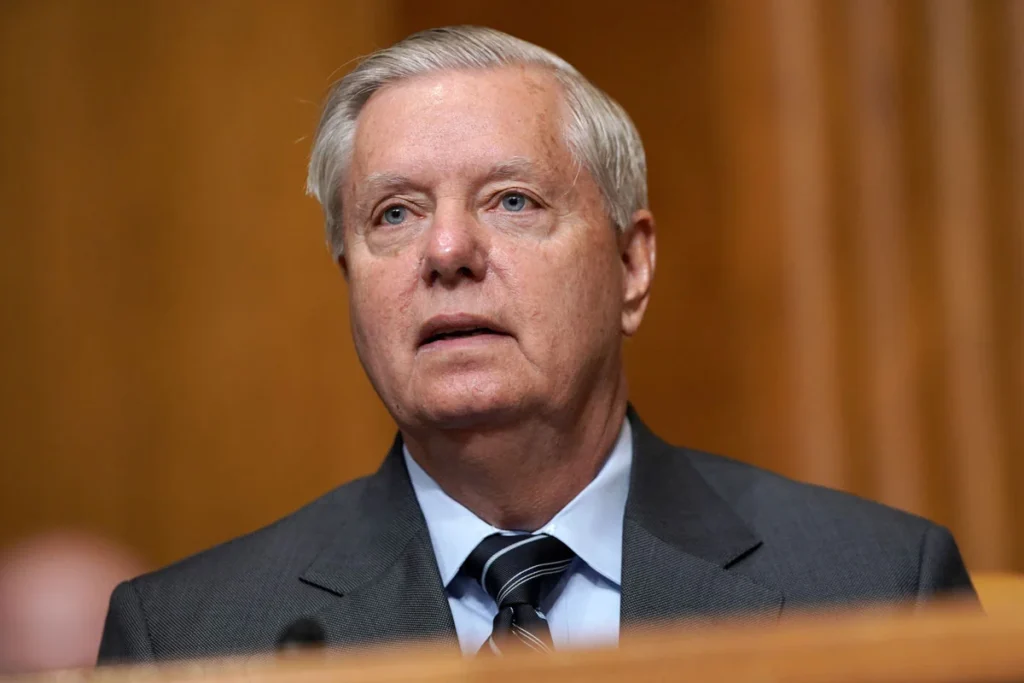

The unexpected passing of Senator Lindsey Graham, a prominent figure in American politics, has been met with shock and sorrow across the nation. His office announced on Saturday night that the South Carolina Senator died at the age of 71 following a "brief and sudden illness." Subsequent reports and the release of 911 dispatch audio have begun to shed light on the urgent circumstances surrounding his final hours, revealing a frantic effort by emergency services to respond to a reported cardiac arrest at his Washington, D.C. home.
The Emergency Call: A Race Against Time Unfolds
On Sunday morning, a day after the initial announcement, CNN obtained crucial audio from Broadcastify, detailing the frantic 911 response. The recording captures the intensity and urgency of the situation as first responders were dispatched to Senator Graham’s residence. The call, placed by an unidentified individual, initiated a high-stakes emergency protocol for a suspected cardiac arrest, a critical medical event that demands immediate intervention.
According to the dispatch audio, the caller, who was en route to Senator Graham’s home from Baltimore, Maryland, informed emergency operators that they believed the front door would be unlocked. This initial piece of information, however, proved to be inaccurate, adding a layer of complexity and a momentary but critical delay to the unfolding emergency. The New York Post later reported that the door was, in fact, dead-bolted, presenting an unforeseen obstacle for paramedics and emergency personnel rushing to provide life-saving aid.
Approximately 25 minutes after the initial 911 call was placed, emergency responders on the scene relayed an update: cardiopulmonary resuscitation (CPR) was actively in progress for a male patient experiencing cardiac arrest. This update underscored the severity of the situation and the immediate, hands-on efforts being made to revive the Senator. Following these intense efforts, Senator Graham was transported to George Washington University Hospital, a leading medical institution known for its critical care and emergency services, where he was pronounced deceased.
Understanding Cardiac Arrest: A Medical Perspective
Cardiac arrest is a sudden and complete cessation of heart activity, leading to an immediate loss of consciousness and collapse. It is distinct from a heart attack, though a heart attack can sometimes trigger cardiac arrest. In cardiac arrest, the heart’s electrical system malfunctions, causing it to stop pumping blood effectively to the brain and other vital organs. Without immediate intervention, brain damage and death can occur rapidly. Survival rates are significantly higher when CPR is initiated within the first few minutes, coupled with the use of a defibrillator. The rapid response time of emergency medical services (EMS) is paramount in such scenarios, making any delay, even a minor one like a locked door, potentially critical. Data from the American Heart Association indicates that for every minute defibrillation is delayed, the chance of survival decreases by 7-10 percent. The approximately 25 minutes from the initial call to the report of CPR in progress highlights the challenging timeline faced by emergency personnel, even under optimal conditions.
A Distinguished Career in Public Service: The Legacy of Lindsey Graham
Lindsey Olin Graham, born on July 9, 1955, in Central, South Carolina, dedicated over three decades of his life to public service. A graduate of the University of South Carolina, he earned both his Bachelor of Arts and Juris Doctor degrees. His career began in the United States Air Force, where he served as a judge advocate, a role that saw him deployed overseas. He continued his military service in the Air Force Reserve and later the Air National Guard, retiring as a colonel in 2015.
Graham’s political journey commenced in 1992 when he was elected to the South Carolina House of Representatives. He served one term before successfully running for the U.S. House of Representatives in 1994, representing South Carolina’s 3rd congressional district. In 2002, he was elected to the U.S. Senate, where he served continuously until his death.
Throughout his tenure in the Senate, Graham became known for his hawkish foreign policy views, his strong support for the military, and his often-vocal opinions on national security matters. He served on several influential committees, including the Senate Judiciary Committee, the Senate Armed Services Committee, and the Senate Budget Committee, eventually chairing the Judiciary Committee from 2019 to 2021. His political career was marked by a willingness to engage across the aisle, though he remained a staunch conservative. He was a prominent voice on issues ranging from judicial appointments and immigration reform to national defense and international relations, earning a reputation as a formidable debater and an influential legislator. His unexpected death leaves a significant void in the Republican party and the Senate at large.
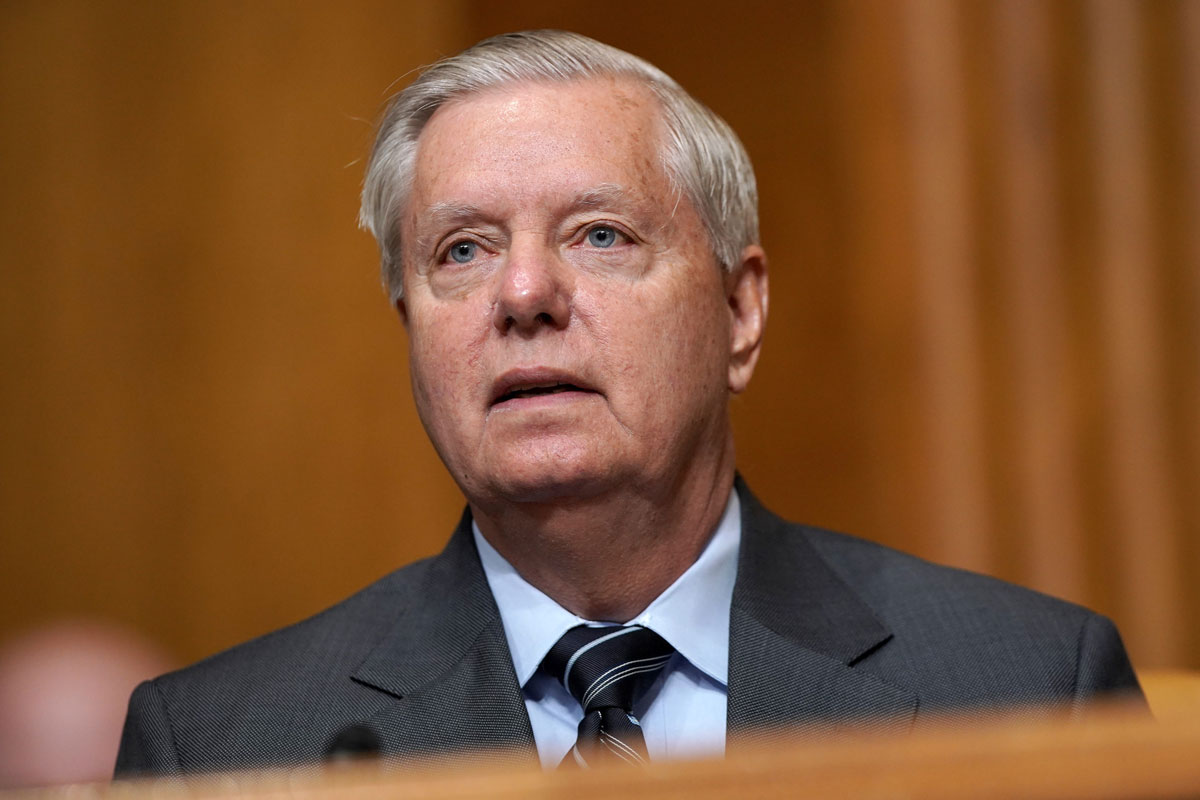
Timeline of a Tragic Event: From Call to Hospitalization
The timeline surrounding Senator Graham’s death paints a picture of a rapidly deteriorating medical situation that escalated quickly:
- Saturday Night (Unspecified Time): Senator Graham’s office releases a statement announcing his unexpected passing due to a "brief and sudden illness." This is the initial public notification of his death.
- Saturday Night (Prior to Announcement): An unidentified caller places a 911 call reporting a medical emergency, specifically chest pain and cardiac arrest, at Senator Graham’s Washington, D.C. residence. The caller indicates they are driving from Baltimore and believes the front door is unlocked.
- Initial EMS Dispatch: Emergency medical services are immediately dispatched to the Senator’s home, initiating a high-priority response given the nature of the reported cardiac event.
- Arrival at Residence: First responders arrive at the location, but encounter a dead-bolted door, contrary to the information provided by the 911 caller. This causes a momentary, but crucial, delay in accessing the Senator.
- Approximately 25 Minutes Post-Call: After gaining entry, emergency personnel report that CPR is in progress for a male patient experiencing cardiac arrest. This indicates that resuscitation efforts were underway at the scene.
- Transport to Hospital: Senator Graham is swiftly transported by ambulance to George Washington University Hospital, a major medical center equipped for critical emergencies.
- Pronouncement of Death: Despite the efforts of medical professionals, Senator Lindsey Graham is pronounced deceased at George Washington University Hospital.
- Sunday Morning: CNN obtains and releases audio from Broadcastify detailing the 911 dispatch, providing the first public insight into the immediate circumstances of the emergency response.
Official Responses and Tributes Pour In
The news of Senator Graham’s death prompted an immediate outpouring of grief and condolences from across the political spectrum, both domestically and internationally.
The White House released a statement from the President, expressing profound sadness at the loss of a dedicated public servant. "Senator Lindsey Graham was a tireless advocate for the people of South Carolina and a respected voice on the global stage," the statement read. "His commitment to national security and his willingness to work across the aisle, even in challenging times, will be deeply missed. Our thoughts are with his family, staff, and the entire state of South Carolina during this difficult time."
The Senate Majority Leader lauded Graham’s legislative acumen and his fierce dedication to his principles. "Lindsey was a friend, a colleague, and a formidable force in the Senate," the Majority Leader stated. "He approached every challenge with conviction and courage. His contributions to our nation’s defense and justice system leave an indelible mark. The Senate mourns the loss of one of its most unique and impactful members."
The Senate Minority Leader also issued a statement, acknowledging Graham’s distinctive role. "While we often found ourselves on opposite sides of policy debates, there was no denying Senator Graham’s passion for public service and his love for his country," the Minority Leader commented. "He was a tenacious debater and a deeply committed Senator. My heartfelt condolences go out to his loved ones."
Numerous individual senators, representatives, and state officials took to social media and official channels to share their tributes, reflecting on personal interactions, shared legislative battles, and Graham’s enduring presence in Washington. Many highlighted his often-unpredictable political positions and his ability to maintain friendships even with those he vehemently disagreed with politically. International leaders and diplomatic figures, particularly from countries with whom Graham had forged strong relationships through his work on foreign policy and defense, also conveyed their sympathies, recognizing his significant role in shaping U.S. foreign relations.
Broader Impact and Implications
Senator Graham’s sudden death has immediate and long-term implications for the United States Senate and the broader political landscape.
- Senate Vacancy and Succession: Under South Carolina law, the Governor typically has the authority to appoint a successor to fill a U.S. Senate vacancy until a special election can be held. This appointment would be a significant decision, potentially impacting the delicate balance of power in the Senate, especially if the Senate’s partisan composition is close. The timing of the special election would depend on state statutes, but it would undoubtedly become a focal point of state and national political attention.
- Committee Leadership: As a senior member and former chair of key committees like Judiciary and Armed Services, Graham’s absence creates significant shifts in committee leadership and dynamics. Other senior Republican senators will likely vie for his influential committee slots, potentially leading to a reshuffling of responsibilities and priorities within the party’s legislative agenda.
- Legislative Agenda: Graham was a prominent voice on a range of issues, including national security, judicial appointments, and budget matters. His unique perspectives and ability to occasionally bridge partisan divides will be missed in ongoing legislative debates. His absence could alter the trajectory of certain bills or discussions where his input was particularly influential.
- Republican Party Dynamics: Graham was a complex figure within the Republican Party, often aligning closely with conservative principles but also demonstrating a pragmatic streak. His passing removes a distinctive voice from the party, potentially influencing internal debates and the party’s overall strategic direction, particularly regarding foreign policy and judicial strategy.
- Public Discourse: As a frequent presence on cable news and a vocal commentator on national events, Graham played a significant role in public discourse. His absence will be felt in the media landscape, and the void left by his strong opinions and rhetorical style will be noticeable.
The unexpected departure of a figure as prominent and long-serving as Senator Lindsey Graham marks a significant moment in American politics. While the immediate focus remains on the tragic circumstances of his passing and the outpouring of condolences, the coming weeks and months will undoubtedly reveal the full extent of his legacy and the political ripple effects of his absence. His career, marked by dedication to service and an unwavering commitment to his convictions, will be remembered as a testament to a life lived in the arena of public debate and national leadership.