
The grueling physical and mental demands placed upon prominent K-pop idols during peak promotional cycles have once again come under intense scrutiny following a candid discussion between veteran performers. On October 1, 2021, an episode titled “Fox’s Devil, Senior Junho Appears” was published on the YouTube channel Ch117, featuring an in-depth conversation between 2PM’s Lee Junho and TWICE’s Sana. The dialogue shed light on the extreme schedules historically endured by top-tier Korean pop acts, particularly during the high-pressure year-end broadcasting season. During the broadcast, both artists recounted periods of profound sleep deprivation, demanding travel schedules, and near-total memory loss resulting from exhaustion, offering a rare and sobering glimpse into the hidden costs of international entertainment success.
The conversation commenced when TWICE member Sana brought up historical accounts of 2PM’s workload, specifically inquiring about a rumor that the group had gone an entire week without lying down on a bed. Junho quickly corrected the timeline, stating that the period of continuous displacement actually lasted for approximately twelve days. The discussion soon expanded into a comprehensive breakdown of the logistical nightmares that define the final weeks of the calendar year for high-profile Korean musical acts.
Understanding the Chronology of Year-End Broadcasting Madness
To comprehend the severity of the schedule described by Junho, one must examine the operational structure of South Korea’s major terrestrial and cable broadcasting networks during the month of December. The year-end music festival circuit traditionally centers around three primary televised mega-events: the KBS Gayo Daechukje, the MBC Gayo Daejejeon, and the SBS Gayo Daejeon. Historically, these live broadcast productions have been scheduled in close succession, frequently taking place on December 29, 30, and 31.
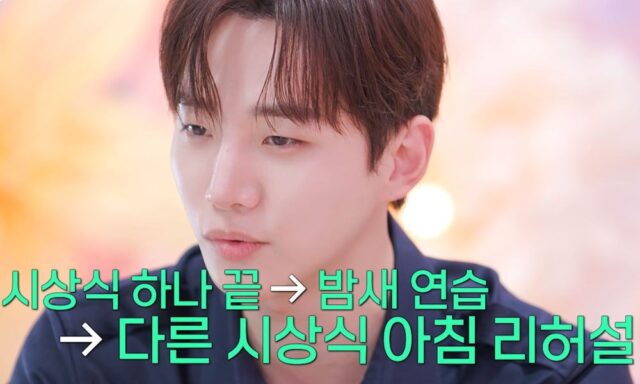
According to Junho, the pressure intensified immediately following the conclusion of the first major broadcast. Artists were required to transition instantly from live performances into all-night practice sessions to prepare for subsequent stages. This was followed by early morning rehearsals, technical sound checks, live broadcasts, and subsequent returns to the practice room. Compounding this demanding cycle were commercial film shoots, corporate appearances, travel across various provincial venues via automobile, and mandatory recording sessions in music production studios. Junho noted that the relentless pacing resulted in a severe deficit of autobiographical memory for that specific timeframe, with the artists operating purely on autonomic routines.
The Phenomenon of Amnesia Induced by Sleep Deprivation
One of the most striking revelations from the interview involved a disconnect between creative output and cognitive awareness. Sana noted that she had previously heard stories of 2PM achieving a number-one hit single on domestic music charts without the members even possessing the conscious memory of recording the track. Junho confirmed this account, detailing an incident where the group was transiting between broadcast obligations and stopped briefly at a highway rest area.
While resting, the members heard a newly released song playing over the speakers featuring their own vocal performances. Initially confused, the members questioned the origin of the recording before realizing that the track was indeed their own work, which had simultaneously climbed to the top of the music charts. Junho explained that sleep was restricted entirely to the confines of moving vehicles. Upon immediate entry into a van or car, the members would lose consciousness instantly, waking up only upon arrival at a schedule or their residence, where they would briefly wash up before the cycle repeated.
Hygiene, Maintenance, and the Physical Toll on Idols
The conversation subsequently turned to personal hygiene and physical maintenance under extreme time constraints, a topic that has historically drawn significant public interest and debate regarding industry standards. When Junho queried whether TWICE had experienced similar hardships, Sana shocked viewers by detailing the extreme measures the girl group had to take to meet broadcast deadlines.
Sana revealed that during their most intense promotional pushes, members were occasionally unable to properly wash or completely remove heavy stage makeup for periods lasting up to three days. Due to the rapid turnaround between evening music programs and early morning flights or overseas schedules, artists would frequently remove only the base layers of cosmetics, leaving the remaining stage makeup intact. Furthermore, members would board commercial flights wearing the exact performance stage outfits they had worn during live broadcasts, washing only when absolute logistical windows permitted.
Junho expressed immediate empathy, confirming that 2PM had faced nearly identical conditions. He noted that despite being drenched in sweat from high-energy choreography, the members had no choice but to remain in their performance attire due to a complete absence of downtime.
Broader Industry Implications and Changing Standards
The candid admissions by Junho and Sana highlight a historical era of K-pop management characterized by hyper-intensive scheduling and aggressive promotional strategies. During the late 2000s and 2010s, the rapid globalization of Hallyu (the Korean Wave) created an unprecedented demand for content, leading management agencies to maximize artist availability across television, radio, and international markets.
In recent years, however, the entertainment industry has faced mounting pressure from labor advocates, fans, and the artists themselves to prioritize mental and physical health. Regulatory changes, increased awareness of occupational burnout, and updated corporate governance policies within major entertainment agencies—including JYP Entertainment, which houses both 2PM and TWICE—have led to more structured rest periods, mandatory health checks, and a reevaluation of year-end broadcasting commitments.
While contemporary K-pop idols continue to manage rigorous global touring schedules and promotional obligations, the explicit normalization of multi-day sleep deprivation and unhygienic living conditions described by Junho and Sana is increasingly viewed as an unsustainable practice of the past. The resurfacing of these anecdotes serves as both an acknowledgment of the immense sacrifices made by first- and second-generation Hallyu pioneers and a reminder of the ongoing evolution required to safeguard the well-being of performers in the modern entertainment landscape.