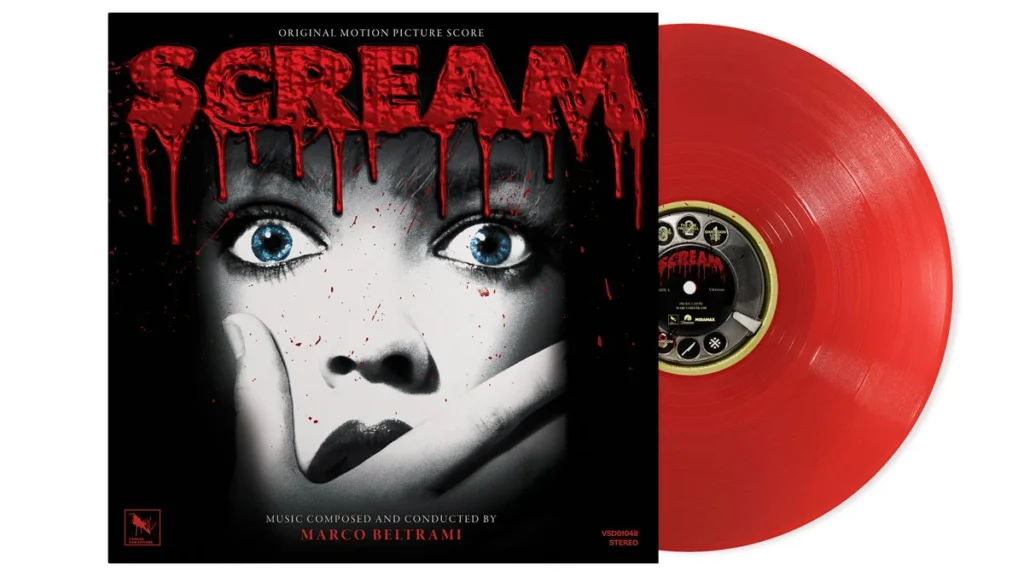

The horror landscape of cinema is set to commemorate a landmark occasion: the 30th anniversary of Wes Craven’s seminal slasher film, Scream. To honor three decades since its genre-redefining debut, a deluxe reissue of composer Marco Beltrami’s original score for the movie is now available for pre-order on vinyl. This highly anticipated release offers fans and collectors a tangible piece of cinematic history, underscoring the enduring legacy of a film that fundamentally altered the trajectory of modern horror and the career of a celebrated film composer.
The announcement of this special edition comes on the heels of the Scream franchise’s remarkable sustained success, exemplified by the recent robust box office performance of Scream 7. This continued vitality demonstrates the series’ extraordinary resilience, often likened to Ghostface’s seemingly endless lives within the narrative. The original Scream, released in 1996, was not merely a horror film; it was a cultural phenomenon that blended terrifying suspense with sharp, self-aware meta-commentary, revitalizing a genre often dismissed as stagnant. Its influence continues to reverberate through contemporary horror, making this 30th-anniversary vinyl release a significant event for cinephiles and music enthusiasts alike.
The Genesis of a Modern Horror Classic: Scream (1996)
When Scream first hit theaters on December 20, 1996, it did so against a backdrop of declining interest in traditional slasher films. The genre, which had thrived in the late 1970s and 1980s with franchises like Halloween, Friday the 13th, and A Nightmare on Elm Street, had become formulaic and, by the mid-90s, largely exhausted. Director Wes Craven, a master of horror himself, and screenwriter Kevin Williamson, however, had a different vision. Williamson’s script, originally titled Scary Movie, was a meticulously crafted love letter to horror tropes, simultaneously embracing and subverting them. It featured characters who were acutely aware of horror movie clichés, discussing "rules" necessary to survive a slasher film, only to see those rules brutally broken.
The film’s opening sequence, featuring Drew Barrymore as Casey Becker, remains one of the most iconic and shocking in cinema history. Her character, prominently featured in promotional materials, was brutally murdered within the first 15 minutes, a deliberate subversion of audience expectations. This audacious move set the tone for the entire film, signaling that no character was safe and no convention sacred. The financial success was immediate and impressive; Scream grossed over $173 million worldwide on a modest budget of $15 million, effectively reigniting the slasher genre and spawning a new wave of self-aware horror films. More importantly, it established a blueprint for horror that emphasized intelligence, character development, and a deeper engagement with the genre’s own history.
Marco Beltrami’s Breakthrough Score: The Sound of Fear
Integral to Scream‘s groundbreaking impact was Marco Beltrami’s original score. A relatively unknown composer at the time, Scream marked his debut in major studio filmmaking, and he seized the opportunity to create a sonic landscape that was both terrifying and distinct. Prior to Scream, Beltrami had honed his craft in independent films, but his work on Craven’s film catapulted him into the mainstream. His score for Scream eschewed the reliance on synthesizers that had characterized much of 80s horror, opting instead for a more traditional, orchestral approach, albeit one infused with contemporary textures and psychological depth.
Beltrami’s score masterfully oscillates between moments of excruciating tension and melancholic introspection. Tracks like "Sidney’s Lament" provide a haunting underscore to the protagonist’s trauma, reflecting the emotional weight beneath the slasher violence. Conversely, pieces like "Red Right Hand," though technically a Nick Cave and the Bad Seeds song featured prominently in the film, became synonymous with the ominous presence of Ghostface, its dark, bluesy vibe perfectly complementing the film’s sinister atmosphere. Beltrami’s original compositions, however, provided the backbone of the film’s suspense, employing dissonant strings, sharp percussive hits, and unsettling vocalizations to create an atmosphere of constant dread. His innovative use of orchestral elements combined with modern sound design laid a foundation for many horror scores that followed, proving that a film’s musical accompaniment could be as sophisticated and impactful as its visual storytelling. His work on Scream not only earned him critical acclaim but also solidified his position as one of Hollywood’s most sought-after composers, leading to a prolific career scoring numerous blockbusters and critically acclaimed films across various genres.
The Deluxe Vinyl Reissue: A Collector’s Dream
The 30th-anniversary vinyl reissue promises to be a collector’s prized possession. According to the official release, "the original 14-track album returns to vinyl in a collectible ‘blood-soaked’ sleeve featuring an iconic image of Drew Barrymore as Casey Becker in the film’s unforgettable opening scene." This specific design choice is a deliberate nod to the film’s most shocking and memorable moment, encapsulating its subversive spirit. The "blood-soaked" aesthetic is likely to be achieved through a unique splatter or opaque red vinyl pressing, a common and highly desirable feature in modern soundtrack reissues.
All versions of the soundtrack, including the special "Woodsboro Bloodbath" Red edition, are slated for release on August 28th, 2026. This precise date allows fans ample time to secure their copies via pre-order, which is already live on platforms like Amazon. The demand for such a release is anticipated to be high, given the film’s enduring popularity and the surging interest in vinyl records. The "Woodsboro Bloodbath" edition, with its evocative name, suggests a striking visual presentation that will undoubtedly stand out in any vinyl collection, making it a must-have for dedicated fans of the franchise and film score collectors.
The Resurgence of Physical Media and Nostalgia
The decision to release Beltrami’s score on vinyl for Scream‘s 30th anniversary is indicative of a broader trend: the resurgence of physical media, particularly vinyl records and specialized home video formats. In an increasingly digital world, physical releases offer a tangible connection to beloved works of art. Vinyl sales have seen a dramatic increase over the past decade, with enthusiasts appreciating the ritual of playing records, the warmth of analog sound, and the artistry of album packaging. For film scores, vinyl provides an opportunity to appreciate the music as a standalone artistic achievement, often accompanied by stunning artwork and liner notes that enhance the overall experience.
This trend extends beyond audio, as evidenced by the concurrent release of a new 4K SteelBook version of Scream 4, which is also available now. SteelBooks, known for their premium metallic casing and exclusive artwork, cater to collectors who value high-quality presentations of their favorite films. These releases tap into a powerful vein of nostalgia, allowing fans to revisit classic films and their scores in formats that feel both premium and personal. For Scream, a franchise deeply embedded in the cultural consciousness, these physical reissues serve as both a celebration of its past and a testament to its ongoing relevance. They cater not just to original fans but also to newer generations discovering the series, offering them a curated, high-quality experience that digital streaming often lacks.
The Scream Franchise: A History of Perseverance
The Scream franchise has proven remarkably adaptable and enduring, a testament to the strength of its original concept. Following the 1996 original, sequels Scream 2 (1997) and Scream 3 (2000) continued the story of Sidney Prescott (Neve Campbell), Gale Weathers (Courteney Cox), and Dewey Riley (David Arquette), further exploring the meta-narrative and the escalating body count. While Scream 3 was initially seen by many as a concluding chapter, Scream 4 arrived in 2011, attempting to refresh the formula for a new generation while bringing back the beloved original cast and Wes Craven to direct.
After a hiatus, the franchise was successfully rebooted with Scream (2022), often referred to as Scream 5, which introduced a new generation of protagonists alongside the returning veterans. This film, directed by Matt Bettinelli-Olpin and Tyler Gillett, proved to be a critical and commercial success, earning over $137 million worldwide on a $24 million budget. It was praised for its respectful homage to Craven’s legacy while forging its own path. Its direct sequel, Scream VI (2023), saw the characters relocate to New York City, breaking box office records for the franchise with over $168 million globally, demonstrating that the appetite for Ghostface’s reign of terror remained as strong as ever. The recent box office success of Scream 7, though specific figures are not yet public for a future release, further solidifies the franchise’s place as a cornerstone of modern horror, showcasing its ability to continuously reinvent itself while retaining its core identity. This longevity is a rare feat in Hollywood, especially for a horror series, and speaks volumes about the quality of the original film and its enduring appeal.
Broader Implications: The Legacy of Film Scores and Horror’s Evolution
The 30th-anniversary celebration of Scream and the reissue of Marco Beltrami’s score on vinyl highlight several broader implications for cinema and its associated arts. Firstly, it underscores the critical role of film scores in shaping audience experience and cementing a film’s place in popular culture. Beltrami’s work for Scream is a prime example of how music can elevate a genre film, providing emotional depth and psychological nuance that transcends simple jump scares. His influence is palpable in many subsequent horror scores, demonstrating how Scream not only reinvented the visual language of horror but also its sonic identity.
Secondly, the continuous success of the Scream franchise, particularly its recent installments, offers a case study in how beloved intellectual properties can be revitalized for contemporary audiences. By balancing nostalgia with fresh perspectives, new creative teams have managed to keep Ghostface relevant, proving that smart, character-driven horror can still draw massive crowds. This ongoing success has implications for other dormant franchises, suggesting a path forward that honors the past while embracing innovation.
Finally, the flourishing market for deluxe physical media editions like the Scream vinyl and the Scream 4 4K SteelBook indicates a resilient segment of the entertainment industry that values quality, collectibility, and a deeper engagement with content. In an age dominated by streaming, these physical artifacts serve as cultural touchstones, offering fans a tangible connection to the films and music that have shaped their lives. The 30th anniversary of Scream is not just a commemoration of a film; it is a celebration of its profound impact on horror, its musical legacy, and its enduring power to thrill and entertain generations of moviegoers.