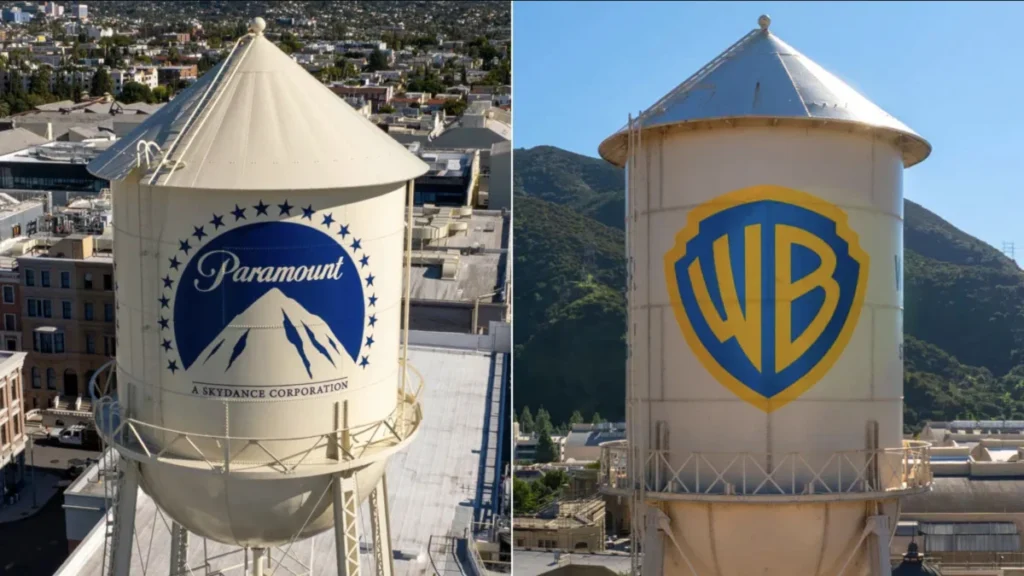

The United Kingdom government has signaled its intent to critically examine the proposed $110 billion acquisition of Warner Bros. Discovery by Paramount (through its Skydance Media arm), citing significant concerns over media plurality and competition within the UK market. This potential intervention marks a crucial juncture for one of the largest media mergers in recent memory, indicating that despite a recent green light from U.S. regulators, the path to finalization remains fraught with international scrutiny.
On Tuesday, June 30th, British Secretary of State for Culture, Media and Sport, Lisa Nandy, formally notified Parliament of her department’s preliminary decision. In a written statement, Nandy declared, "My Department has today written to the current and proposed owners of Warner Bros Discovery on my behalf to inform them that I am minded to intervene" in the proposed takeover. This declaration sets in motion a formal process that could lead to a thorough investigation and potentially impose conditions on the deal or even block aspects of it from proceeding in the UK.
The Basis for Intervention: Plurality and Competition
Secretary Nandy’s primary concerns revolve around "sufficient plurality" of views and control of media in the UK, alongside the potential "impact this may have on competition" if the sale were to be finalized as currently structured. The UK media landscape is already a complex ecosystem, and a merger of this magnitude would consolidate an array of influential platforms and content generators under a single corporate umbrella.
The combined portfolios of Paramount and Warner Bros. Discovery in the UK are extensive and diverse. Paramount’s assets include Channel 5 (a major terrestrial broadcaster), Nickelodeon (a popular children’s entertainment channel), and the streaming service Paramount+. Warner Bros. Discovery, on the other hand, operates TNT Sports (a significant player in sports broadcasting, previously BT Sport), Cartoon Network, CNN International (a global news powerhouse), and the streaming service HBO Max. The amalgamation of these entities, spanning free-to-air television, pay-TV channels, sports rights, news, children’s content, and two major streaming platforms, raises legitimate questions about the concentration of media power.
"Sufficient plurality" in the UK refers to the diverse range of voices, viewpoints, and ownership structures necessary to ensure a healthy democratic discourse and prevent any single entity from gaining undue influence over public opinion or cultural narrative. Regulators assess whether a merger could lead to a significant reduction in the number of independent editorial voices or control over platforms that disseminate news and information. Competition concerns, meanwhile, focus on potential market dominance, which could lead to reduced choice for consumers, stifle innovation, and potentially increase prices for content or subscriptions.
The UK Regulatory Framework
The UK’s media regulatory environment is robust, designed to protect public interest through legislation like the Enterprise Act 2002. This act empowers the Secretary of State to intervene in mergers on specific public interest grounds, including media plurality. Typically, the Secretary of State works in conjunction with independent bodies such as the Competition and Markets Authority (CMA) and Ofcom, the communications regulator.
Ofcom’s role often involves assessing the media plurality aspects, while the CMA focuses on broader competition impacts. Should Nandy decide to formally intervene, she would likely request preliminary investigations by both these bodies. These investigations would delve into market share, consumer impact, advertising implications, and the potential for reduced choice across various media sectors. The findings from these preliminary probes would then inform a decision on whether to proceed with a more in-depth "Phase 2" inquiry, which could last several months and involve extensive data gathering and stakeholder consultation.
The UK has a history of scrutinizing major media deals. For instance, the proposed takeover of Sky by 21st Century Fox faced significant regulatory hurdles, primarily due to concerns over media plurality, before being ultimately outbid by Comcast. This precedent underscores the seriousness with which the UK government approaches media consolidation.
A Detailed Timeline of the Mega-Merger
The journey towards this mega-merger has been complex, marked by shifting allegiances and intense competition.
- December [Year – 1]: David Ellison’s Skydance Media, backed by private equity firms, publicly emerges as a serious contender for Warner Bros. Discovery. This move was initially seen as a bold challenge, as other major players, including Netflix, had been rumored to be in the running for a strategic partnership or acquisition. Ellison, CEO of Paramount, stated his company was better suited to acquire Warner, emphasizing complementary assets and a shared vision for content creation and distribution.
- February [Year]: Paramount’s bid, reportedly valued at $110 billion, officially wins out over other proposals. The news sent ripples through the entertainment industry, heralding the potential creation of a new global media behemoth. The deal was structured to combine Paramount’s vast content library and streaming infrastructure with Warner Bros. Discovery’s iconic film studios, television networks, and extensive intellectual property.
- Mid-June [Year]: The U.S. Department of Justice’s antitrust division announces its approval of Paramount’s takeover of Warner Bros. Discovery. This approval was a significant milestone, suggesting that U.S. federal regulators did not find sufficient grounds to block the merger on antitrust concerns at the national level. However, the DoJ’s review typically focuses on domestic market competition, which may differ from the broader public interest criteria considered by international regulators.
- Ongoing U.S. State-Level Scrutiny: Despite federal approval, the deal continues to face potential challenges within the United States. Several state attorneys general, notably those from California and New York, have expressed concerns and are reportedly exploring their own antitrust lawsuits. This multi-layered regulatory oversight highlights the widespread apprehension about the concentration of power in the rapidly evolving media landscape.
- Tuesday, June 30th [Year]: UK Secretary of State Lisa Nandy makes her "minded to intervene" statement to Parliament, officially bringing the UK into the regulatory spotlight for the deal. This move underscores the sovereign right of each nation to assess the impact of global mergers on its domestic market.
- July 6th [Year]: Paramount and Warner Bros. Discovery are given a deadline to respond to Secretary Nandy’s proposed intervention. Their response will be critical in shaping the immediate next steps of the UK’s regulatory process. They will likely need to present compelling arguments for why the merger would not harm plurality or competition, or potentially offer concessions.
Broader Implications and Industry Context
The potential UK intervention is not an isolated event but rather a reflection of a global trend towards increased scrutiny of mega-mergers, particularly in the tech and media sectors. The digital age has accelerated consolidation, with companies seeking scale to compete in a highly fragmented and capital-intensive streaming market.
The motivations behind the Paramount-Warner Bros. Discovery deal are clear: to create a content powerhouse capable of challenging market leaders like Netflix, Disney+, and Amazon Prime Video. A combined entity would boast an unparalleled library of films, TV shows, and sports rights, allowing for greater economies of scale in production, distribution, and subscriber acquisition. Synergies in operations and a reduction in redundant infrastructure are also key drivers for such a substantial transaction.
However, critics argue that such consolidation ultimately harms consumers. Fewer major players could lead to reduced innovation, less diverse content offerings, and potentially higher subscription fees as competition diminishes. For content creators, a smaller pool of major buyers could mean less bargaining power and fewer avenues for distribution.
Potential Responses from Stakeholders
In the wake of Nandy’s statement, reactions from various stakeholders are anticipated:
- Paramount and Warner Bros. Discovery: The merging entities are expected to issue a robust defense of their proposed deal, emphasizing the benefits to consumers through an expanded content library, technological innovation, and potentially more competitive pricing. They may highlight their commitment to the UK market, including investment in local content production and job creation. It is also possible they might proactively offer concessions, such as divesting certain assets or committing to specific editorial independence guidelines for news outlets, to appease regulators.
- Industry Analysts: Many analysts will likely view this as a standard, albeit significant, hurdle for a cross-border deal of this magnitude. While some may see it as a potential deal-breaker in its current form, others might predict a successful navigation through the regulatory process, albeit with potential delays and modifications. The financial markets will closely watch the companies’ responses and the subsequent actions of the UK government.
- Consumer Advocacy Groups: These groups are likely to welcome the intervention, seeing it as a necessary safeguard against media monopolies. They will advocate for measures that ensure consumer choice, protect journalistic independence, and prevent price gouging.
- Trade Unions and Employees: Concerns might be raised regarding potential job losses due to synergy-driven redundancies or the impact on local content commissioning and production budgets within the UK.
Looking Ahead: The Path to Resolution
Secretary Nandy has explicitly stated that she has "not taken a final decision on intervention at this stage." This leaves the door open for Paramount and Warner Bros. Discovery to present their case and potentially influence her ultimate determination. Should Nandy decide to proceed with a formal intervention, the next steps would involve drafting legislation to enable this and formally requesting the aforementioned preliminary investigations by UK media regulators.
The results of these initial investigations would then form the basis for Nandy’s decision on whether to launch a more thorough, Phase 2 inquiry. Such an inquiry could lead to mandates requiring Paramount to alter the deal significantly to garner UK regulatory approval. These alterations could range from the divestiture of certain channels or streaming services to behavioral remedies ensuring fair access for competitors or guarantees on local content production.
The UK’s stance sends a clear message that global media giants cannot assume automatic approval for their consolidation strategies, especially when those strategies impact national media plurality and competitive landscapes. The coming weeks, particularly leading up to the July 6th deadline, will be crucial in determining the fate of this monumental merger within one of the world’s most significant media markets. The outcome will not only shape the future of Paramount and Warner Bros. Discovery but also potentially set precedents for how international media consolidation is evaluated and regulated globally.