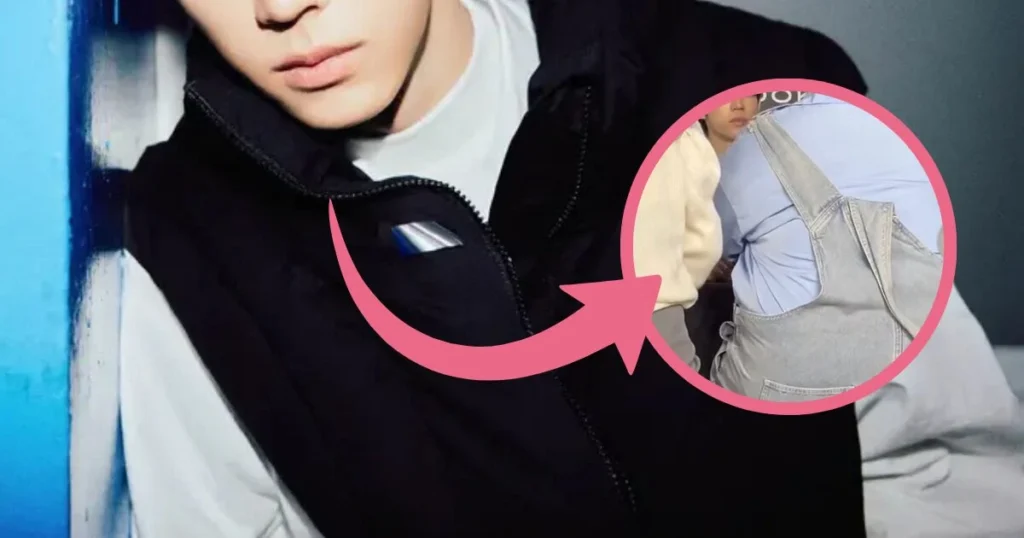

The digital landscape of the K-pop industry is frequently characterized by rapid-fire information exchange, where a single image or video clip can dictate the public perception of an artist within seconds. On April 16, 2026, Dohoon, a prominent member of the rookie boy group TWS, became the subject of such a phenomenon when a social media post began circulating on X (formerly Twitter). The post, which featured a low-resolution screenshot of Dohoon during a fan-signing event, suggested that the idol was reacting with shock or disgust toward a fan’s physical appearance. However, the subsequent defense mounted by the group’s global fanbase has highlighted the dangers of "selective framing" and the persistent issue of body-shaming within online idol communities.
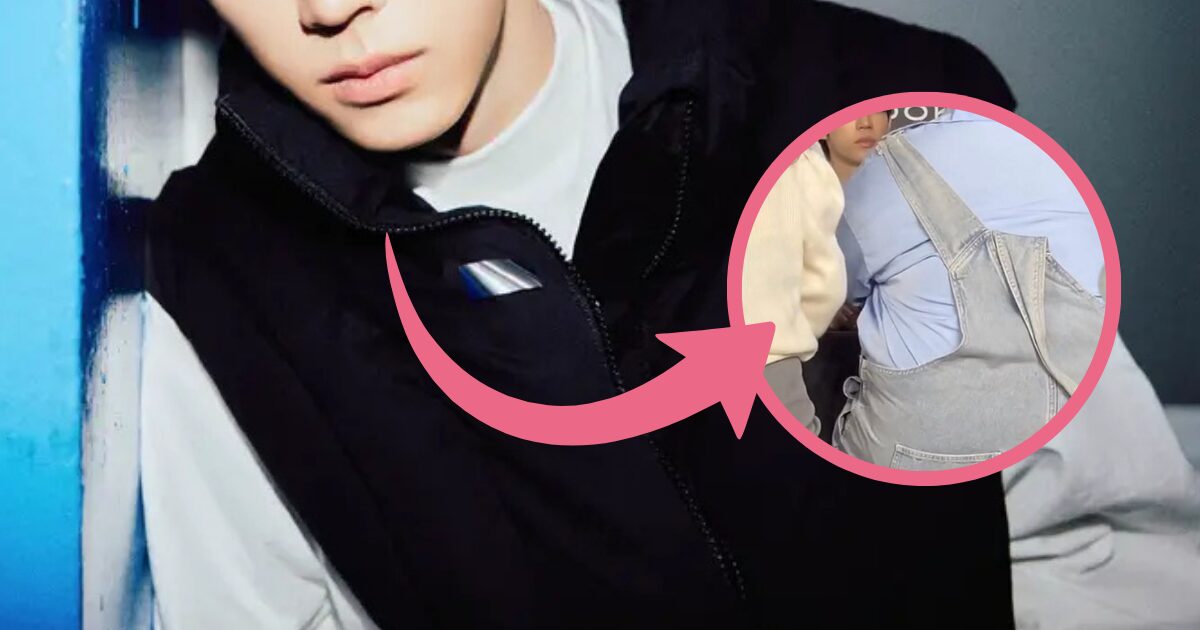
The controversy began when an anonymous user posted a screenshot of Dohoon looking intently at a fan seated across from him. The caption accompanying the image used derogatory language, mocking the fan’s weight and interpreting Dohoon’s facial expression as one of disbelief. The original poster (OP) claimed that the idol’s face was an "unbelievable expression" and suggested that the fan looked like they could "eat him in one bite." This post quickly garnered significant engagement, sparking a wave of both malicious commentary and immediate pushback from observers who questioned the authenticity of the narrative being presented.
Contextual Background of the Event and TWS
To understand the weight of these allegations, it is necessary to examine the context of the event and the artist involved. TWS, an acronym for "Twenty-Four Seven with Us," is a six-member boy group under Pledis Entertainment, a subsidiary of HYBE. Since their debut in early 2024, the group has seen a meteoric rise in popularity, largely driven by their "boyhood pop" concept and the massive success of their debut single, "Plot Twist." As a rookie group, the members are under constant public scrutiny, particularly during fan-signing events, which are designed to facilitate intimate, one-on-one interactions between idols and their supporters.
The specific interaction in question appears to have taken place during a fan-signing event for a previous promotional cycle. While TWS is currently preparing for a new album release scheduled for April 27, 2026, the footage used in the viral post was identified by fans as archival material. In the K-pop industry, fan-signs are highly controlled environments where fans purchase multiple copies of albums for a chance to speak with the artists. These events are recorded by hundreds of cameras, including "fansites" (dedicated photographers) and the fans themselves, meaning that most interactions are documented from multiple angles.
The Anatomy of the Viral Allegation
The viral tweet utilized a common tactic in online misinformation known as "evil editing" or malicious screencapping. By taking a single frame out of a multi-minute video, the original poster was able to freeze a transitory facial expression and assign it a specific, negative meaning. In this case, the frame captured Dohoon with wide eyes and a neutral mouth, which the OP interpreted as a reaction to the fan’s body size.
This type of content often thrives in "anti-fan" circles or among "trolls" who seek to damage an idol’s reputation or incite "fan wars" between different group supporters. The inclusion of body-shaming language directed at the fan further intensified the situation, as it shifted the focus from the idol’s behavior to an attack on a private individual who had paid to attend the event.
Chronology of the Fan Defense and Counter-Evidence
The timeline of the incident shows a rapid response from the TWS fandom, known as "42" (SAI). Within hours of the original post gaining traction on April 16, fans began locating the original video source to provide the necessary context.
- Initial Post (April 16, 2026): The derogatory tweet is published, gaining several thousand retweets and likes.
- Fact-Checking Phase (April 16–17, 2026): Fans identify the specific fan-sign event and locate the full video clip of the interaction between Dohoon and the fan in question.
- Deployment of Counter-Evidence (April 17, 2026): Multiple high-definition videos are uploaded to X and other platforms. These videos show the full duration of the conversation, revealing that Dohoon was smiling, nodding, and listening intently to the fan.
- Community Consensus (April 18, 2026): The narrative shifts as the majority of the K-pop community condemns the original poster for bullying and misinformation. International fans join the defense, translating the context for a global audience.
The full video evidence demonstrated that the "shocked" expression was actually a moment of focused listening. Fans pointed out that Dohoon is known for his "sparkle eyes"—a habit of maintaining intense, curious eye contact with whoever is speaking to him. This is often viewed as a sign of respect and active engagement in Korean culture, particularly in the professional context of an idol-fan interaction.
Analysis of Idol Behavior and Professional Standards
In the K-pop industry, idols undergo rigorous training that includes "media training" and etiquette lessons. The likelihood of a rookie idol from a major agency like Pledis Entertainment openly displaying disgust toward a fan is statistically low, given the professional repercussions such an action would entail. Fan-sign events are crucial for "brand loyalty," and idols are coached to be as welcoming and attentive as possible.

Observers noted that Dohoon’s behavior in the full video was consistent with his established public persona. Fans shared various other clips of the idol interacting with fans of diverse backgrounds, noting that his "intense gaze" is a recurring trait. One fan stated, "Dohoon is known as a person who, when interacting directly, will stare into the eyes of the person he is talking to intently with eyes full of sparkle and curiosity."
The Impact of Body-Shaming in K-Pop Spaces
This incident highlights a darker side of the K-pop fandom: the use of fans’ physical appearances as ammunition for online vitriol. The original tweet did not just target Dohoon; it used a fan’s body as a prop to create a "meme" or a "hit tweet." This behavior has been widely condemned by human rights advocates and digital ethics experts, who argue that private individuals should not be subjected to public ridicule simply for being in the vicinity of a celebrity.
The defense mounted by fans was two-fold: they defended Dohoon’s character and also stood up for the fan who was being bullied. Comments such as "You guys are just bullies and fat-shaming" and "Bodyshamers go to hell" became prevalent in the quote-retweets of the original post. This reflects a growing trend in modern fandoms where "stans" (dedicated fans) are becoming more vocal against toxic behaviors like body-shaming and cyberbullying.
Official Responses and Artist Protection
As of the time of this report, Pledis Entertainment has not issued a specific statement regarding this particular tweet. However, the agency, along with its parent company HYBE, has a well-documented history of taking legal action against malicious posts, defamation, and the spread of false information. Their standard policy involves regular monitoring of social media platforms and filing criminal complaints against users who cross legal boundaries in their harassment of artists.
The "Notice on Legal Proceedings" is a common fixture on the fan communication platform Weverse, where agencies warn that they will not settle with individuals who engage in malicious slander. While agencies rarely respond to every individual tweet, the high visibility of this incident may prompt internal reviews or a general warning to protect the members of TWS as they approach their April comeback.
Broader Implications for Media Literacy
The Dohoon incident serves as a case study in the importance of media literacy within digital communities. The ease with which a single, out-of-context screenshot can be used to construct a false narrative is a systemic issue on platforms like X. It underscores the necessity for consumers of online content to seek out original sources before forming judgments.
Furthermore, it illustrates the power of collective action. In this instance, the "SAI" fandom functioned as a decentralized fact-checking organization. By utilizing their collective memory and archives of group content, they were able to debunk a viral lie in less than 48 hours. This proactive defense is becoming a standard part of the "fan experience" in the 2020s, where protecting an idol’s image often involves technical research and cross-platform information sharing.
Conclusion
The controversy surrounding TWS member Dohoon appears to be a clear instance of malicious framing designed to incite negativity. Through the rapid dissemination of the full video footage, the group’s supporters have effectively countered the narrative of "disgust" with evidence of "attentiveness." While the original post caused temporary friction, the long-term result has been a reinforcement of Dohoon’s reputation as an engaged and respectful rookie idol.
As TWS prepares for their upcoming release on April 27, the focus of the fandom has shifted back to promotional activities. However, the incident remains a stark reminder of the volatility of online fame and the persistent need for vigilance against cyberbullying and the manipulation of digital media. For the K-pop industry at large, it reinforces the value of the "full context" in an era where the "single frame" often speaks the loudest.