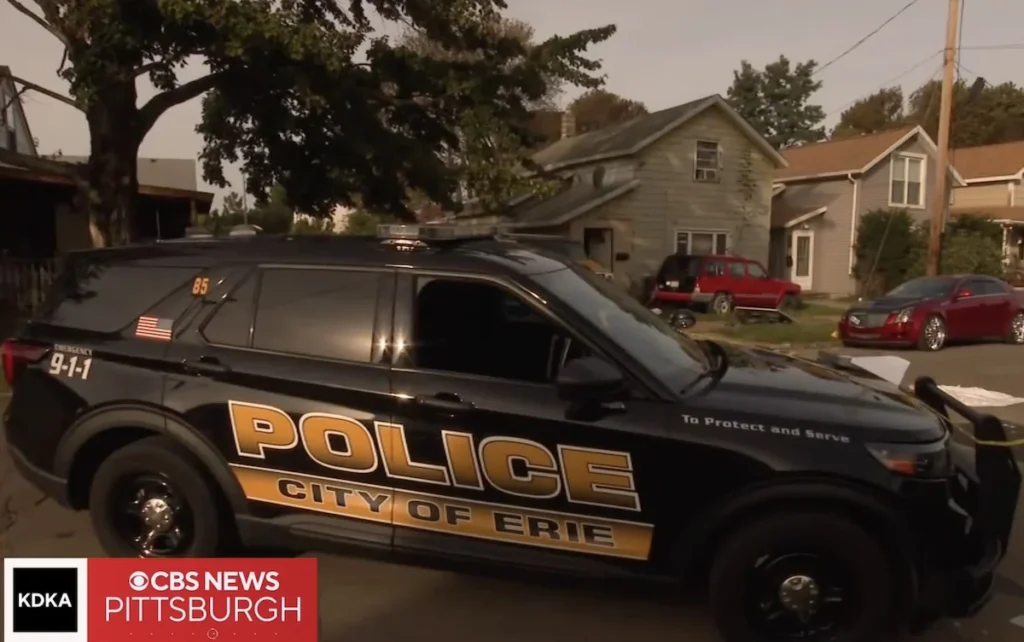

The quiet residential neighborhood near 7th and Perry Streets in Erie, Pennsylvania, became the site of a profound tragedy this past Friday, as a mass shooting claimed the lives of nine individuals, including two children. The incident, which unfolded late in the afternoon, has left the local community in a state of shock and mourning while law enforcement officials initiate a comprehensive investigation into the circumstances of the violence.
Chronology of the Incident
According to preliminary reports provided by local law enforcement and eyewitness testimony, the sequence of events began at approximately 5:00 p.m. on Friday. Witnesses in the Perry Street area observed an unidentified male discharging a firearm in the street. Reports indicate that two women were fatally struck outside before the assailant moved toward a nearby residential property.
Law enforcement personnel arrived on the scene shortly after the initial reports were made. Upon entry and subsequent investigation of the home, authorities discovered additional victims inside. By the time officers had secured the perimeter, nine individuals had succumbed to their injuries. The suspected shooter was also discovered deceased within the residence, with police confirming that the individual died from an apparent self-inflicted gunshot wound.
Erie Police Chief Rick Lorah clarified during a press briefing that all casualties occurred prior to the arrival of law enforcement. The sounds of percussive blasts heard by neighbors during the police response were identified as flash-bang devices utilized by tactical units to safely enter and secure the premises. Chief Lorah emphasized that no further shots were fired by the suspect once police reached the scene, effectively containing the immediate threat to the public.
Official Statements and Preliminary Investigation
The magnitude of the event has elicited responses from both local and state leadership. In a public address, Chief Lorah expressed the difficulty of addressing such a loss, stating, "There are no words that can adequately express the magnitude of the loss of life here. Out of respect for the victims and their loved ones, I will not discuss the specific details of what our officers encountered today." He added that investigators are currently working to establish the circumstances of the incident, stressing that the department would avoid speculation regarding a motive to protect the integrity of the ongoing investigation.
Mayor Daria Devlin and the City of Erie issued a joint statement shortly after the containment of the scene to address public safety concerns. The statement offered condolences to the families of the victims while confirming that there was no ongoing threat to the residents of Erie. Governor Josh Shapiro also weighed in on the tragedy early Saturday morning, pledging the full support of his administration to the Erie community. "My heart breaks for this family," the Governor stated. "Lori and I are praying for their loved ones and the entire Erie community."
As of Saturday afternoon, the specific identities of the victims and the perpetrator have not been publicly disclosed, pending notification of next of kin and the formal completion of the initial evidence collection phase.
Contextualizing Mass Violence in Pennsylvania
The incident in Erie joins a somber list of mass casualty events that have impacted the United States in recent years. While the specific motive behind this tragedy remains under investigation, experts in criminal justice often look to established patterns to understand the broader implications of such events.
Mass shootings, defined by the FBI and various research organizations as incidents in which four or more victims are killed, excluding the perpetrator, have seen fluctuating trends over the past decade. Data from the Gun Violence Archive suggests that community-level mass shootings—those occurring in residential settings—often involve domestic or interpersonal disputes. Unlike public mass shootings, which are sometimes motivated by ideological or political grievances, events occurring within private residences are frequently linked to crises involving family members or acquaintances.
The presence of children among the victims elevates the severity of this tragedy, as incidents involving minors are statistically less frequent in mass casualty events. According to longitudinal studies by the American Public Health Association, the impact of gun violence on children creates long-term psychological ripples within the community, necessitating extensive mental health support and social services for the survivors and those living in the immediate vicinity of the crime.
Implications for Public Safety and Community Health
The tragedy in Erie raises critical questions regarding the prevalence of firearms and the efficacy of intervention strategies in domestic settings. Public health experts have long advocated for a multi-faceted approach to preventing violence, emphasizing the importance of "red flag" laws, increased access to mental health services, and community-based violence intervention programs.
In the wake of this event, the City of Erie faces the difficult process of recovery. When a community experiences a sudden, high-profile incident of violence, the psychological toll is often immediate and widespread. Urban planners and local government officials often coordinate with local mental health professionals to provide trauma-informed care to residents. This includes establishing temporary support centers and providing resources for families grappling with the loss of multiple generations within a single household.
Furthermore, the investigation into this case will likely focus on the perpetrator’s history, looking for indicators that might have alerted the community or authorities to the potential for violence. Such retrospective analyses are common in the wake of mass shootings, as they assist in refining threat assessment protocols and improving communication between social services, mental health providers, and law enforcement agencies.
Moving Forward
As the investigation continues, the Erie Police Department is expected to provide further updates to the public. The focus remains on establishing a clear narrative of the events that transpired on Perry Street. The complexity of the crime scene and the number of victims involved suggest that a full forensic investigation could take several days, if not weeks.
For those impacted by this tragedy or experiencing secondary trauma, local and national resources remain available. The Disaster Distress Helpline, managed by the Substance Abuse and Mental Health Services Administration (SAMHSA), provides 24/7 support for those affected by mass violence. Similarly, organizations like the National Domestic Violence Hotline provide specialized support for individuals concerned about potential domestic instability.
The City of Erie has remained unified in its response, with local leaders emphasizing solidarity during this period of grief. While the legal and forensic processes will continue to unfold, the primary concern for the city administration is the restoration of public confidence and the provision of adequate support to the survivors. The loss of nine individuals—including the youngest victims—will undoubtedly leave a permanent mark on the city, serving as a reminder of the fragility of community safety and the importance of continued vigilance in identifying and addressing the precursors to violence.
As the community prepares for the upcoming week, the focus will shift from the immediate containment of the crime scene to the long-term process of healing and remembrance. The investigation continues, and further details are expected to emerge from the scheduled briefings by the city and law enforcement.