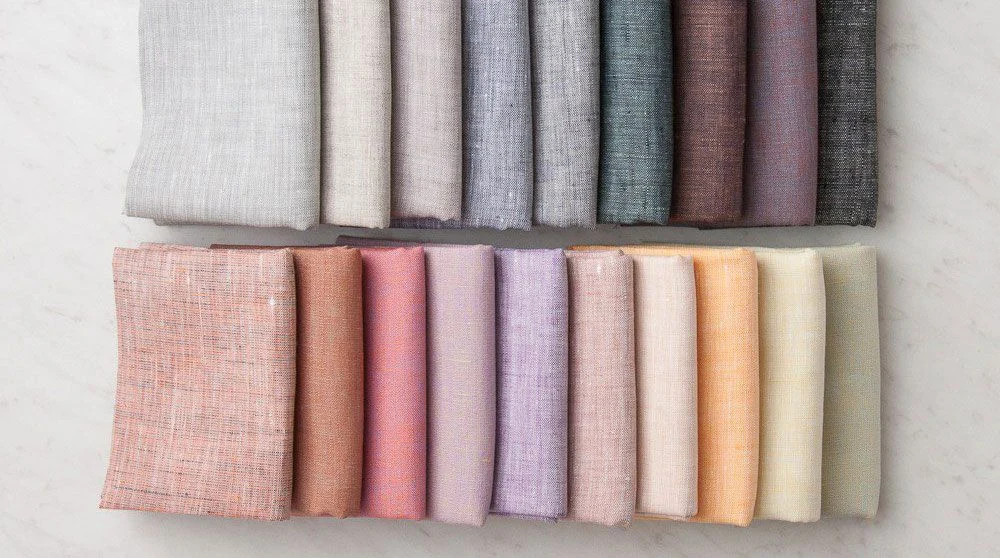

The interior design industry is currently witnessing a significant shift in how materials are sourced, as the traditional "trade-only" barriers continue to erode in favor of digital accessibility. For decades, the procurement of high-end upholstery, drapery, and decorative textiles was a process guarded by professional designers and exclusive showrooms. However, the rise of sophisticated e-commerce platforms has democratized the market, allowing homeowners and DIY enthusiasts to access the same premium weaves, artist-designed prints, and heritage patterns that were once reserved for industry insiders. This transition is not merely a matter of convenience; it represents a broader movement toward personalized home environments where fabric serves as the primary narrator of a room’s aesthetic story.
The Evolution of the Digital Textile Marketplace
The chronology of the fabric industry reveals a steady march toward consumer empowerment. In the pre-digital era, sourcing fabric required a physical visit to local retailers or, for those seeking luxury options, the hiring of a licensed professional with access to design centers like the D&D Building in New York or the Pacific Design Center in Los Angeles. The early 2000s saw the emergence of niche marketplaces like Etsy and Spoonflower, which introduced the concept of supporting independent artists and finding one-of-a-kind vintage remnants.
By 2020, the global pandemic acted as a catalyst for the industry’s digital transformation. As homeowners turned their attention to renovation and "nesting" during lockdowns, the demand for high-quality textiles surged. Retailers responded by refining their online interfaces, offering virtual consultations, and providing detailed specifications—such as rub counts and lightfastness ratings—that were previously only discussed in trade meetings. Today, the online fabric market is a multi-billion dollar segment of the larger home furnishings industry, characterized by a mix of massive marketplaces, boutique artist studios, and legacy design houses.
Marketplace Leaders and the Rise of Independent Creators
Among the most influential players in the digital space is Spoonflower. Established as a marketplace-style library, it hosts patterns from thousands of independent artists. The platform’s significance was highlighted recently at the Fenimore Lane summit, hosted by designer Ariel Okin, where designs by Danika Herrick were showcased in high-profile tenting installations. Spoonflower’s model allows consumers to choose a print and then select the base fabric—ranging from organic cotton to heavy upholstery velvet—effectively tailoring the product to the specific technical requirements of the project.
Similarly, Etsy remains a vital resource for those seeking discontinued vintage textiles or artisanal block prints. The platform facilitates a direct connection between the consumer and the creator, often allowing for bespoke modifications to print scales or color palettes. This level of customization has become a hallmark of the modern textile market, where the "standardized" look is increasingly eschewed in favor of individual expression.
Boutique Artist Collections and Curated Aesthetics
A growing segment of the market is occupied by individual artists and designers who have transitioned from service-based design to product-based e-commerce. Rebecca Atwood is a primary example of this trend. Her textiles, known for their painterly and soothing palettes, offer a fine-art approach to home decor. Her collection spans 100% European linens to intricate embroideries, appealing to a demographic that values the "hand-painted" look over mass-produced geometric patterns.
In the realm of traditional and "Grandmillennial" aesthetics, Mrs. Alice has carved out a significant niche. Originally known for tableware and "tablescaping," the brand has expanded into romantic florals, chinoiserie-inspired designs, and playful ikats. This expansion reflects a broader trend where lifestyle brands leverage their existing aesthetic authority to enter the textile space. Other notable designer-led brands include Caitlin Wilson, whose youthful and exuberant patterns are frequently cited as top choices for children’s rooms and high-energy spaces, and the Los Angeles-based duo Nickey Kehoe, who offer heirloom-inspired fabrics that provide an instant sense of history and patina.
The Democratization of Trade-Only Resources
Perhaps the most disruptive change in the industry is the emergence of platforms that grant public access to "trade-only" brands. LA Design Concepts and DecoratorsBest serve as digital bridges to the world’s most prestigious textile houses. Through these sites, consumers can purchase fabrics from Pierre Frey, Kravet, Schumacher, and Scalamandré without maintaining a professional trade account.
This shift has profound implications for the professional design community. While some designers initially feared that such access would devalue their services, many have found that it allows them to focus on high-level spatial planning and project management rather than simple procurement. For the consumer, it means the ability to invest in "hero" fabrics—luxurious, high-cost materials used sparingly to anchor a room’s design scheme—at competitive prices, often with the benefit of online discounts.
Heritage Brands and the Persistence of Historical Design
Despite the influx of new digital-first brands, heritage houses continue to thrive by leveraging their historical archives. Morris & Co., which produces the iconic Arts and Crafts-era designs of William Morris, remains a staple for those seeking botanical and nature-heavy scenes. The brand’s enduring popularity—spanning over a century—speaks to a persistent desire for "slow design" and historical authenticity.
Similarly, the Helsinki-based Marimekko and Stockholm’s Svenskt Tenn represent the peak of Scandinavian textile design. Marimekko’s graphic, color-forward "Unikko" poppy print and Svenskt Tenn’s whimsical Josef Frank patterns are frequently used by designers to create focal points in minimalist interiors. These brands have successfully transitioned to the digital age by maintaining the integrity of their original hand-printed designs while making them available to a global audience.
Performance Textiles and the Shift Toward Durability
A critical factor in the growth of online fabric sales is the advancement of performance technology. Brands like Ballard Designs and Serena & Lily have integrated Sunbrella and other "inside-out" fabrics into their core offerings. These textiles are engineered to resist staining, fading, and pilling, making high-end design practical for households with children or pets.
The rise of performance fabrics has shifted the consumer’s focus from purely aesthetic considerations to a balance of form and function. Retailers like Tonic Living have capitalized on this by providing expert care teams to help customers choose materials that can withstand high-traffic use. The availability of these durable, "performance-grade" materials online has empowered DIYers to reupholster their own furniture with the confidence that the results will last for years.
Market Analysis: The Socio-Economic Drivers of DIY Upholstery
The surge in fabric sourcing is also tied to the rising costs of new furniture and a growing interest in sustainability. As the "fast furniture" industry faces criticism for its environmental impact, many consumers are opting to "upcycle" existing pieces. Reupholstering a high-quality vintage sofa in a premium fabric from a source like Folio Fabrics or GreenRow is often seen as a more sustainable and soul-satisfying alternative to buying a mass-produced replacement.
Furthermore, the "maker movement" has seen a resurgence. Platforms like Pepper Home have simplified the custom drapery process, but they also sell fabric by the yard for those who wish to sew their own pillows or window treatments. This "semi-custom" approach allows for a high-end look at a fraction of the cost of full-service interior design.
Implications for the Future of Interior Design
The expansion of the online fabric market suggests a future where the home is an ongoing project rather than a static finished product. With the ability to order samples and yardage at the click of a button, homeowners are more likely to experiment with seasonal refreshes—swapping out drapes or updating throw pillows to reflect changing trends or moods.
Industry analysts predict that the next phase of this evolution will involve augmented reality (AR) tools that allow consumers to see how a specific fabric print will look on their own furniture before they commit to a purchase. As these technologies become more integrated into the e-commerce experience, the line between professional design tools and consumer resources will continue to blur.
In conclusion, the current landscape of online fabric retail offers unprecedented variety, ranging from the $13-per-yard Americana homespun of Etsy to the $400-per-yard luxury velvets of heritage European houses. Whether the goal is a minor DIY project or a full-scale home renovation, the digital marketplace has ensured that the "narrator" of the room is now more accessible than ever before, allowing for a more diverse and personalized expression of home design across all budgets and aesthetics.