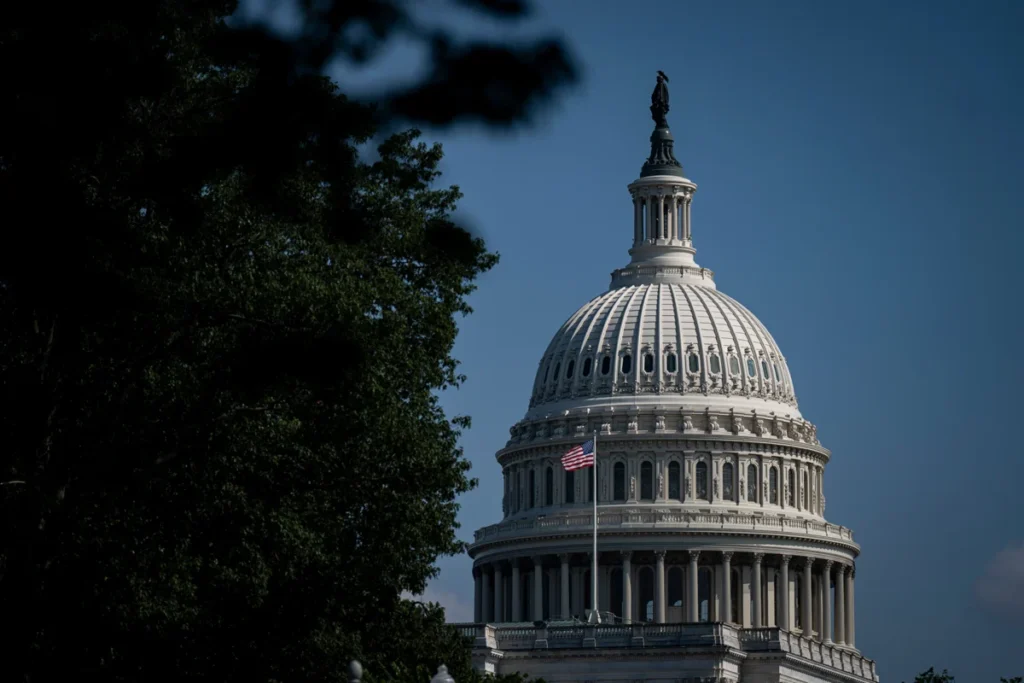

As the 119th Congress gets underway in Washington, D.C., lawmakers are confronted with a broad spectrum of federal legislation that could fundamentally reshape the modern music business. From foundational songwriting rights and royalty structures to live event ticketing transparency and tourism incentives, the policy choices made on Capitol Hill will resonate across every corner of the entertainment ecosystem. To help stakeholders navigate this intricate legislative landscape, industry monitor Billboard has launched a comprehensive, ongoing tracker cataloging every pending bill capable of influencing artists, major and independent record labels, streaming platforms, concert promoters, and music consumers alike.
The stakes for the creative economy are exceptionally high. The American music industry is a multi-billion-dollar economic engine supporting hundreds of thousands of jobs, ranging from touring crews and venue staff to songwriters, producers, and tech developers. Legislative adjustments to copyright laws, antitrust regulations, and digital licensing frameworks can instantly alter profit margins and creative freedoms. Consequently, Washington has become a critical battleground where industry trade groups, corporate giants, and grassroots artist coalitions continually lobby to protect their respective interests.
Bipartisan Momentum and Industry-Wide Advocacy
A defining characteristic of the legislative push during the 119th Congress is the notable degree of bipartisan cooperation. While gridlock frequently immobilizes Capitol Hill on broad macroeconomic and social issues, lawmakers from both sides of the aisle have frequently found common ground on specific copyright, consumer protection, and creator-compensation initiatives.
Major trade organizations have mobilized significant resources to champion these legislative priorities. The Recording Academy—the organization behind the Grammy Awards—alongside the Recording Industry Association of America (RIAA), has actively endorsed a significant slate of proposed bills. Concurrently, powerful corporate stakeholders, including major record label conglomerates (Universal Music Group, Sony Music Entertainment, and Warner Music Group) and live entertainment titan Live Nation Entertainment, have maintained a robust presence in Washington. Independent artist coalitions and songwriter advocacy groups, such as the Songwriters Guild of America and MusicAnswers, are also making their voices heard, ensuring that the perspectives of creators at all levels are represented in committee rooms.
Navigating the Labyrinthine Legislative Process
For observers outside the Beltway, tracking federal legislation can be a daunting endeavor. The path from a preliminary concept to the Oval Office desk is deliberately methodical, designed to test the viability and constitutional soundness of proposed laws.
Typically, a bill begins when a member of Congress introduces the text in either the House of Representatives or the Senate, where it is assigned an identifying number. Many legislative initiatives are introduced repeatedly across multiple consecutive sessions of Congress before gaining enough momentum to clear both chambers. Once introduced, the bill is referred to specialized committees—such as the House Judiciary Committee or the Senate Commerce, Science, and Transportation Committee—where experts, industry representatives, and government officials testify during hearings.
If a committee approves a bill, often after introducing amendments and revisions, it advances to the full floor of the House or Senate for debate and a formal vote. Because identical versions of a bill must pass both chambers before moving forward, legislative leaders frequently have to reconcile differences between House and Senate drafts through a conference committee. Only after a harmonized version successfully passes both the House and the Senate does the legislation finally reach the president, who can sign it into law or issue a veto. Billboard’s tracking initiative is designed to demystify this multi-step labyrinth, providing stakeholders with clear, up-to-date summaries of where each critical bill stands in the legislative pipeline.
Key Areas of Legislative Focus in the 119th Congress
While the exact roster of bills fluctuates as new proposals are drafted and older ones stall, several core thematic areas consistently dominate the music industry’s federal legislative agenda:
1. Songwriting, Publishing, and Fair Compensation
In the streaming era, songwriters and music publishers have long argued that compensation structures fail to reflect the economic realities of digital consumption. Pending legislation frequently targets antiquated statutory licensing rates and mechanical royalty frameworks managed by regulatory bodies like the Copyright Royalty Board (CRB). Lawmakers are continually pressed to reform rules that govern how digital service providers compensate the creators of underlying musical compositions, striving to ensure fair market value in an era dominated by on-demand audio streaming.
2. Live Events, Ticketing Transparency, and Consumer Protections
The live entertainment sector has faced intense public scrutiny following high-profile ticketing controversies, system crashes, and skyrocketing secondary market prices. Bills targeting the live performance sector often focus on sweeping ticketing transparency mandates. These proposals seek to curb deceptive marketing practices, force upfront disclosure of all mandatory fees and service charges, crack down on speculative ticketing, and combat the unauthorized deployment of automated bot software that exploits genuine fans.
3. Emerging Technologies and Artificial Intelligence
The rapid proliferation of generative artificial intelligence (AI) has introduced an unprecedented wave of disruption to the creative industries. During the 119th Congress, lawmakers are under immense pressure to establish clear federal guardrails regarding the unauthorized cloning of an artist’s voice, likeness, and stylistic identity—often referred to in policy debates as "deepfakes." Bills addressing these concerns seek to update federal copyright and publicity rights, providing artists and labels with robust legal recourse against platforms and developers that exploit generative models without authorization or compensation.
4. Preservation, Tourism, and Cultural Heritage
Beyond commerce, federal legislation frequently addresses the preservation of American musical heritage and the economic viability of regional music tourism. Proposals supporting cultural grants, regional music hubs, and tax incentives for historic recording studios and performance venues remain vital to maintaining the geographic diversity of the nation’s rich sonic landscape.
Fact-Based Analysis of Broader Implications
The ultimate passage or defeat of the bills monitored by Billboard will have profound structural implications for the global entertainment marketplace. From an economic perspective, regulatory adjustments regarding AI and copyright protection will dictate investor confidence in music catalogs and publishing assets. If lawmakers successfully pass robust anti-AI impersonation legislation, it could establish a global regulatory benchmark, encouraging international jurisdictions to adopt similarly stringent intellectual property safeguards.
Conversely, aggressive ticketing reforms could reshape the operational models of major primary ticket vendors and secondary marketplaces, fundamentally altering how consumers interact with live event pricing. While consumer advocacy groups generally applaud transparency measures, primary promoters and venues continue to navigate delicate compliance frameworks to avoid unintended disruptions to secondary market liquidity.
Ongoing Updates and Future Outlook
As the 119th Congress progresses through its scheduled sessions, Billboard’s legislative tracker will remain an essential resource for monitoring committee markups, floor votes, and newly introduced measures. By centralizing these complex developments, the industry tracking initiative offers a transparent, real-time window into how federal policy will shape the future of music creation, distribution, and live performance for years to come. Stakeholders, artists, and fans alike can anticipate regular updates as bills navigate the arduous journey from conceptual drafts to potential federal law.