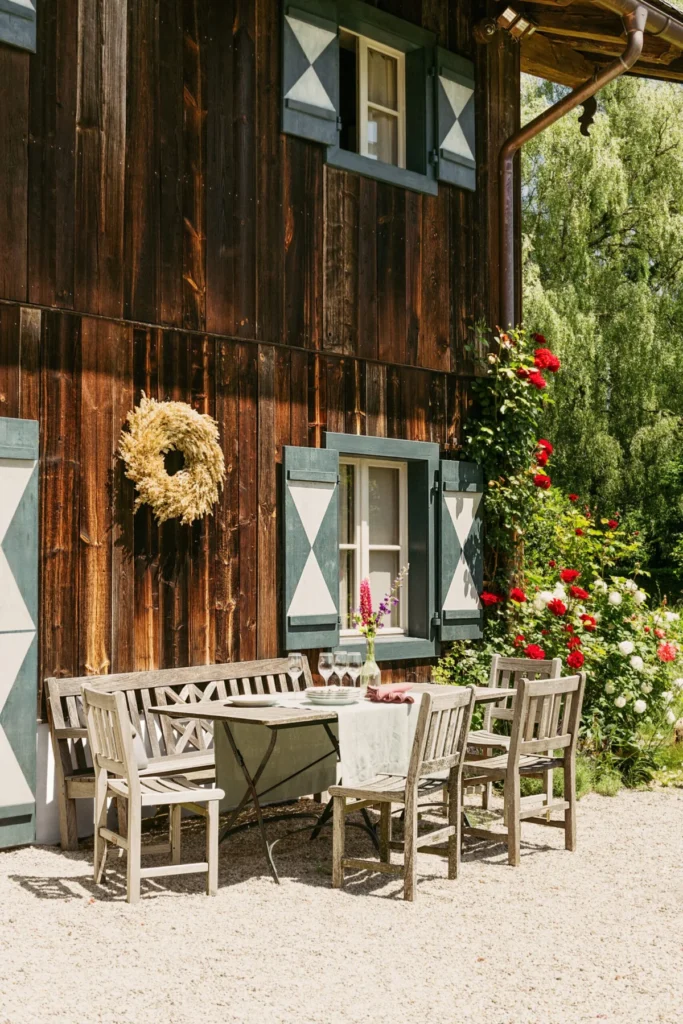

As the northern hemisphere shifts into the autumnal equinox, the seasonal transition provides a distinct impetus for homeowners to pivot their interior and exterior design aesthetics. The move toward cooler weather marks a historical shift in residential decor, where the focus migrates from the vibrant, airy floral arrangements of spring and summer toward the rich, earthy textures associated with the harvest. Among the most enduring traditions in seasonal home ornamentation is the installation of the fall wreath—a practice that serves both as an architectural accent and a symbolic gesture of hospitality.

The practice of hanging wreaths, which traces its origins back to ancient Greco-Roman traditions and later evolved into a symbol of seasonal celebration, has seen a resurgence in contemporary interior design. Modern market data suggests that the demand for decorative botanical elements spikes significantly between late September and mid-November, as consumers prepare their homes for the holiday cycle, beginning with Thanksgiving. This year, the industry has observed a notable trend toward "evergreen" botanical designs—faux, dried, or preserved arrangements that offer longevity beyond the fleeting weeks of the harvest season.
The Evolution of Seasonal Foliage Trends
Historically, the wreath served as a symbol of unity and continuity. In the context of autumn, the materials utilized have evolved from simple evergreen branches to complex assemblages of dried wheat, pheasant feathers, preserved magnolias, and high-fidelity artificial components. The modern shift toward sustainability and durability has led manufacturers to refine the construction of faux botanicals, making them nearly indistinguishable from their live counterparts.
.jpeg)
Interior designers frequently advocate for the strategic placement of these pieces, noting that the traditional front-door display is merely the beginning of their potential utility. Wreaths are increasingly utilized as focal points above fireplace mantels, as architectural breaks on expansive, bare walls, or as centerpieces for dining tables, where they frame seasonal harvest displays. By bringing these elements indoors, homeowners not only extend the lifespan of the decor by protecting it from harsh exterior elements like wind and precipitation but also integrate the colors of the season—ranging from deep burgundy and muted gold to dried sage and rustic cream—directly into their primary living spaces.
Market Analysis and Consumer Preferences
The current market for fall decor is characterized by a high degree of variety, reflecting a shift in consumer preference toward personalization. According to home goods retailers, there is a measurable increase in the demand for "farmhouse-leaning" designs, such as the Joss & Main Artificial Farmhouse Harvest Wreath. These pieces, which often combine synthetic long grasses, wheat, and varied berry clusters, are prioritized for their versatility. The ability to choose from a wide array of colorways—such as dark green, white, or traditional burgundy—allows for a more nuanced integration into existing interior palettes, moving away from the stereotypical "orange-and-gold" aesthetic that once dominated the category.
.jpeg)
For those who prioritize authenticity, the demand for live or preserved botanicals remains robust. The Crate & Barrel Live Magnolia Wreath represents a premium segment of this market. Unlike fresh-cut flowers that undergo rapid senescence, magnolia leaves possess a waxy cuticle that allows them to dry gracefully over time, maintaining structural integrity and aesthetic appeal throughout the entire autumn season. This "slow-drying" process is highly valued by consumers who prefer natural materials that age with the season.
Chronology of Seasonal Decor Installation
The timeline for seasonal decorating has accelerated in recent years. Retail analysts indicate that the "fall creep"—the phenomenon where autumn decor appears in residential spaces earlier each year—now begins as early as late August. This timeline typically follows a three-stage progression:
.jpeg)
- The Transition (Late August to Mid-September): Focus is on subtle, neutral, and early-harvest elements. Dried basils, light-toned grasses, and green-dominant foliage are popular during this period, as they mirror the end-of-summer landscape.
- The Peak (Late September to Late October): The focus shifts to bold, high-contrast colors. Burgundy, deep amber, and vibrant berry tones become the standard, often paired with heavier textures like pinecones or dark wood elements.
- The Harvest/Holiday Bridge (November): Decor becomes more thematic, incorporating elements that align with Thanksgiving gatherings. Pheasant feathers, dried grains, and metallic accents often appear during this final phase, providing a sophisticated backdrop for holiday hospitality.
Materiality and Longevity: A Technical Perspective
The durability of a wreath is largely determined by its construction materials. Fabric-based faux foliage on plastic stems, such as the Balsam Hill Burgundy Leaves Wreath, offers the longest shelf life, often surviving years of storage if kept in climate-controlled environments. Designers recommend the use of dedicated wreath bags or airtight containers to prevent dust accumulation and the crushing of delicate elements.
Conversely, preserved botanicals, such as the Terrain Preserved Maple & Ammobium Wreath, require more specific environmental conditions. These items, while beautiful and authentic, are susceptible to UV degradation. Experts advise keeping such wreaths under a covered porch or away from direct, harsh sunlight to maintain the integrity of their preserved pigments. For interiors, they serve as excellent textural additions, provided they are kept away from heat sources like radiators or fireplaces, which can accelerate the brittleness of the dried materials.
.jpeg)
The Role of Color Theory in Modern Design
While traditional autumn palettes rely heavily on high-saturation oranges and browns, there is a clear trend toward more sophisticated, unexpected color schemes. The Crate & Barrel Faux Chili Berry Wreath, for example, utilizes chartreuse leaves paired with pink and burgundy berries. This design choice reflects a broader shift toward "modern rustic" or "bohemian" aesthetics, where the goal is to introduce color depth without relying on the clichéd motifs of the past.
Neutrality also plays a significant role. The Joss & Main Pip Spring Grapevine Berry Wreath highlights the value of cream and beige tones, which offer a clean, minimalist look. This allows the consumer to adapt the wreath for various occasions simply by adding accessories, such as a velvet ribbon in a specific holiday color, thereby extending the utility of the item beyond the traditional November window.
.jpeg)
Broader Impact and Industry Implications
The rise in specialized wreath design has implications for the broader home goods industry. As consumers become more discerning, the pressure on manufacturers to produce high-quality, realistic, and environmentally conscious products increases. There is a growing movement toward the use of biodegradable or recycled materials in wreath bases, as well as a push for "evergreen" designs that prevent the waste associated with single-season, disposable decor.
Furthermore, the wreath has become a significant touchpoint in the "hospitality economy." With the rise of social media-driven home styling, the front entryway is increasingly viewed as an extension of a host’s personality. A well-curated wreath is seen as a signaling device, indicating that a household is prepared for the influx of holiday guests. This has turned the simple act of door ornamentation into a competitive design activity, driving innovation in textures—from the woodland-inspired pinecones of Annie Selke’s collection to the elegant, structural dried stalks found in Williams Sonoma’s pheasant feather arrangements.

Conclusion: Sustaining the Tradition
As the season matures, the choice of a wreath remains an essential, if subtle, component of domestic life. Whether one chooses the gothic, dramatic impact of deep burgundy, the rustic charm of natural pinecones, or the understated elegance of dried basil, the common denominator is the desire to create a sense of place. By understanding the material properties, the appropriate placement for longevity, and the evolving trends in color and texture, homeowners can curate a space that is not only festive but deeply personal. As the air turns crisp and the days grow shorter, these botanical displays offer a constant reminder of the season’s cycle, welcoming both the inhabitants and their guests into a home prepared for the quiet, reflective warmth of the months ahead.