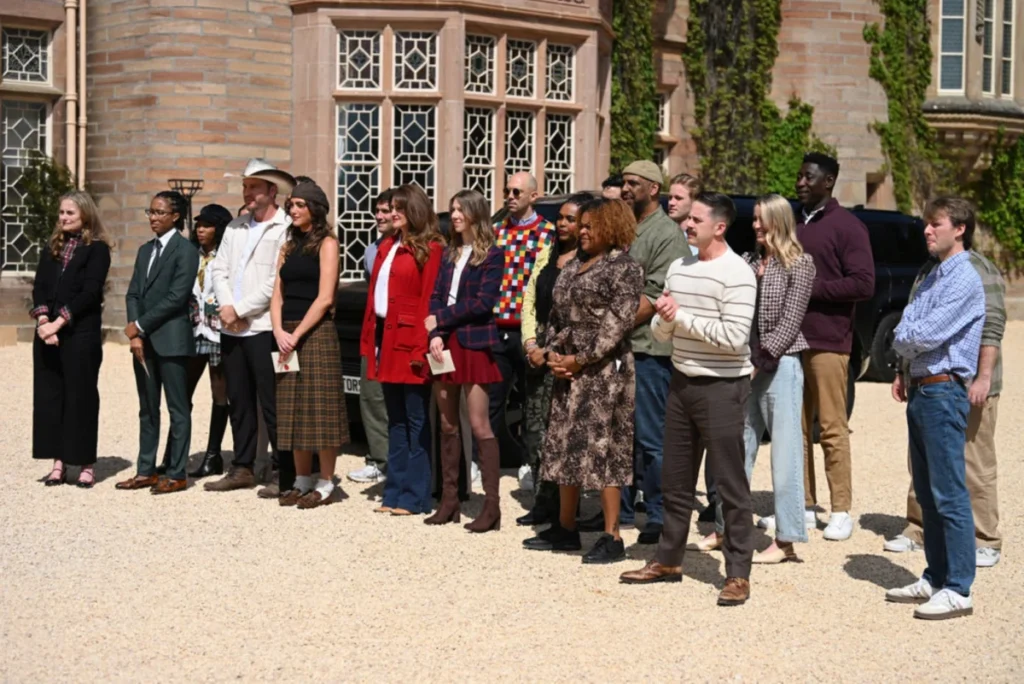

The global phenomenon of psychological deception has returned to the Scottish Highlands, but with a significant shift in the demographic landscape. Departing from the established tradition of featuring reality television veterans and pop-culture icons, the latest iteration of the franchise, titled The Traitors: New Blood, has pivoted toward an ensemble cast of twenty-two civilians. Stripped of their past televised personas and pre-existing rivalries, these contestants enter the castle on equal footing, vying for a grand prize pot that can reach a maximum of $250,000. Under the meticulous stewardship of host Alan Cumming, the series continues to explore the intricate dynamics of social deduction, paranoia, and the ethical dilemmas inherent in a game where betrayal is the only path to victory.
The fundamental mechanics of the competition remain tethered to the original format: a group of Faithfuls must identify and banish a group of covert Traitors before the game concludes. Should the Faithfuls successfully eliminate all Traitors, they share the accumulated prize money. Conversely, if a Traitor successfully evades detection until the final banishment, they secure the entirety of the pot for themselves. This season, however, introduces a strategic incentive: for every Traitor identified and removed from the castle, an additional $15,000 is injected into the potential prize total, intensifying the pressure on the Faithfuls to maintain a high rate of accuracy in their accusations.
A Fresh Slate in the Highlands
The production has placed a premium on the "New Blood" concept, ensuring that no contestant enters the game with the strategic advantage of shared history. The cast comprises a diverse array of professionals, including Abbey Benjamin, Abby Lee, Arisa Thomas, Ben McDonnell, Clyde Moser, Jay Vinnedge, Joe Vanella, Katie Fites, Kim Daily, Kriste Lewis, Logan Smith, Madeline Kostopulos, Mark Zgoda, Michael Foote, Morgan Cook, Niyyah Hayes, Shane Beatty, Sherry Kuehl, Tomica Adams, Victor Vollbrechthausen, Wyatt Gillespie, and former professional athlete Xavier Scruggs.
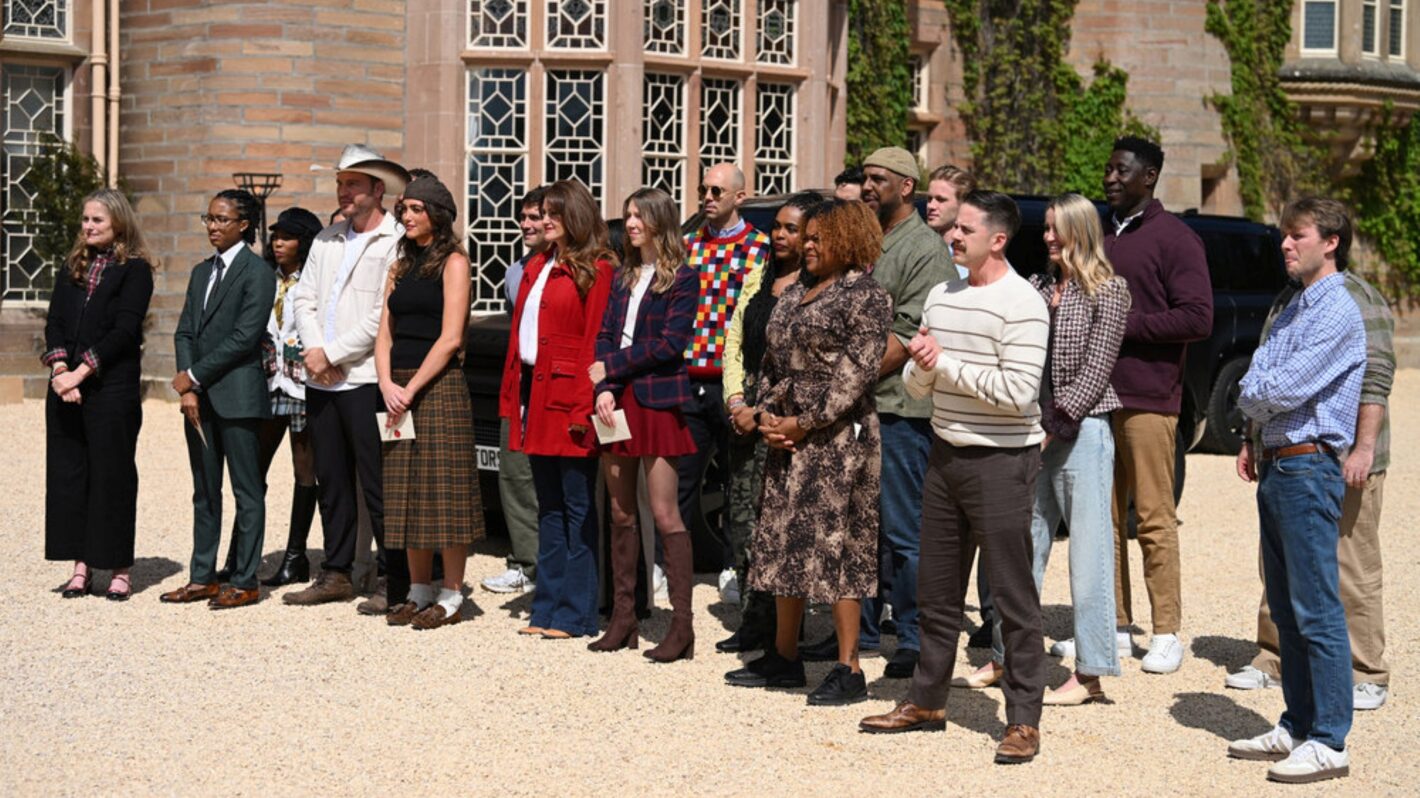
The inaugural episode was marked by a ceremonial opening led by James and Oliver Phelps, known for their work in the Harry Potter franchise. Their presence underscored the grandeur of the Scottish setting and signaled the beginning of a high-stakes environment where the isolation of the Highlands serves to amplify the interpersonal friction. Following the introductions, Cumming immediately set the tone of the season, tasking the participants with their first physical challenge—a water-based search for hidden treasure chests.
Chronology of the Initial Deception
The game commenced with a swift and calculated selection process. Joe, a professional funeral director, and Tomica, a commercial airline pilot, were designated as the initial Traitors. Their professional backgrounds—one accustomed to the somber nature of finality and the other to the high-pressure precision of aviation—offered a unique psychological profile for the roles.
As the first episode unfolded, the contestants engaged in a rigorous series of physical trials. Three participants—Victor, a business executive; Madeline, a construction manager; and Abby L, an astrophysicist—successfully secured immunity shields, protecting them from the impending "murder" phase. The initial challenge, which involved recovering submerged chests and decoding a sequence to unlock the "Captain’s Safe," successfully banked $50,000 for the prize pot, setting an optimistic pace for the group.
However, the tone darkened when Cumming introduced a new variable: the "recruit-or-liquidate" protocol. The two initial Traitors were tasked with selecting two Faithfuls to undergo a 24-hour evaluation period. At the conclusion of this period, one would be inducted into the circle of Traitors, while the other would be systematically eliminated from the competition.
Escalation and First Casualties
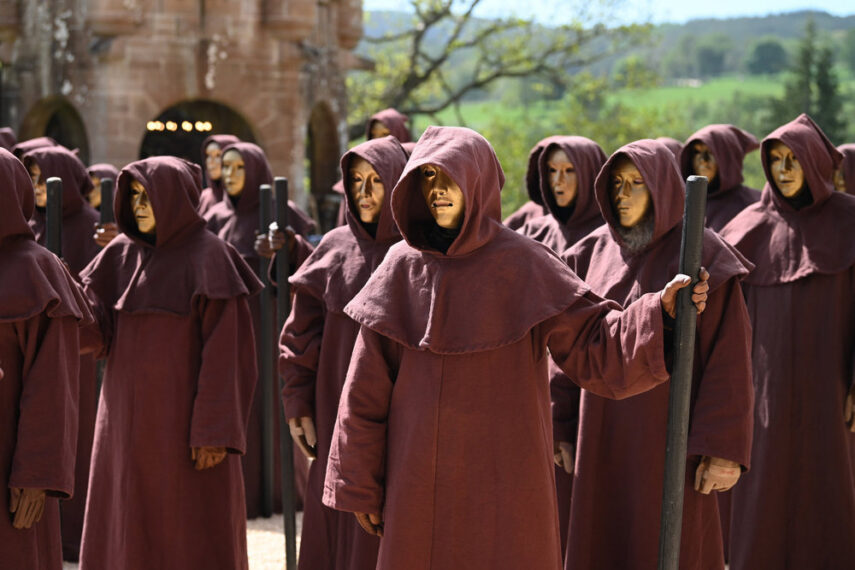
By the second episode, the social fabric of the castle had begun to unravel. The recruitment process concluded with Xavier and Katie being identified as the primary candidates for the Traitor inner circle. During this interim, the first major casualty occurred: Kim, a lawyer from Houston, was the victim of the first murder, an event punctuated by the imagery of a coffin being sent down the river—a grim nod to the dramatic flair of the production.
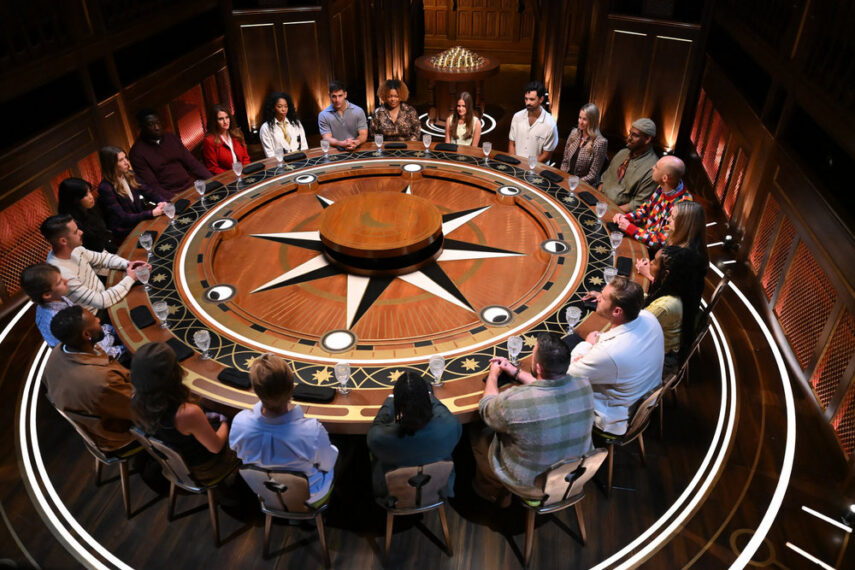
The first banishment ceremony of the season was particularly volatile. Suspicion fell heavily on Madeline and Victor, who had become inseparable during their time in the castle. Their close proximity, coupled with Madeline’s inadvertent admission of feeling guilty for her voting choices, provided the catalyst for a mob mentality. Madeline was ultimately banished by a landslide vote of 13, despite her protestations of being a Faithful. The scrutiny placed on Victor and Madeline serves as a case study in how social cliques are viewed with immediate suspicion in this format, often leading to the premature exit of participants who simply sought companionship rather than conspiracy.
Strategic Implications and The Role of the Accomplice
The introduction of the "Accomplice Traitor" task added a layer of logistical stress to the game. Xavier and Katie were required to infiltrate the castle library to secure death warrants concealed within copies of Dostoevsky’s Crime and Punishment. The task, which required them to deliver these warrants to the Traitors in the turret under the cover of darkness, highlighted the logistical vulnerability of the Traitors. Should they have failed, they would have faced immediate removal, a twist that forces players to balance the necessity of the mission with the preservation of their anonymity.
This mechanic emphasizes the inherent risks of the Traitor role. While they hold the power of elimination, their reliance on accomplices to execute administrative tasks exposes them to potential discovery. For the audience and the remaining participants, these moments of vulnerability are crucial, as they provide the only physical evidence of the Traitors’ secret operations.
Analytical Overview of Game Dynamics
The shift to a cast of non-celebrities has fundamentally changed the internal politics of the show. In previous iterations, celebrity participants often brought pre-existing public personas that influenced how they were perceived by others. In New Blood, the absence of these external biases forces participants to rely entirely on body language, verbal consistency, and strategic deduction.
The data from the first two episodes suggests that the "Faithful" majority is currently operating with a high level of volatility. The overwhelming vote against Madeline indicates a lack of cohesive strategy, as the group acted on emotional intuition rather than concrete evidence. Furthermore, the selection of the first two Traitors—a funeral director and a pilot—suggests a production preference for individuals who possess a calm demeanor and the ability to compartmentalize high-stress information.
The financial incentive structure also plays a significant role in the contestants’ behavior. Because the prize pot is partially dependent on the successful identification of Traitors, the group is incentivized to banish members, even if those members are actually Faithful. This creates a "false positive" paradox: the more the Faithfuls attempt to maximize the prize money, the higher the likelihood they will eliminate their own allies, thereby thinning their own ranks and making it easier for the remaining Traitors to dominate the end-game.
Official Stance and Future Projections
While the network has not released specific ratings for the debut, the move to an all-civilian cast is viewed by media analysts as a strategic effort to revitalize the franchise by returning to its roots as a social experiment. By removing the fame factor, the producers have essentially "reset" the difficulty level of the game.
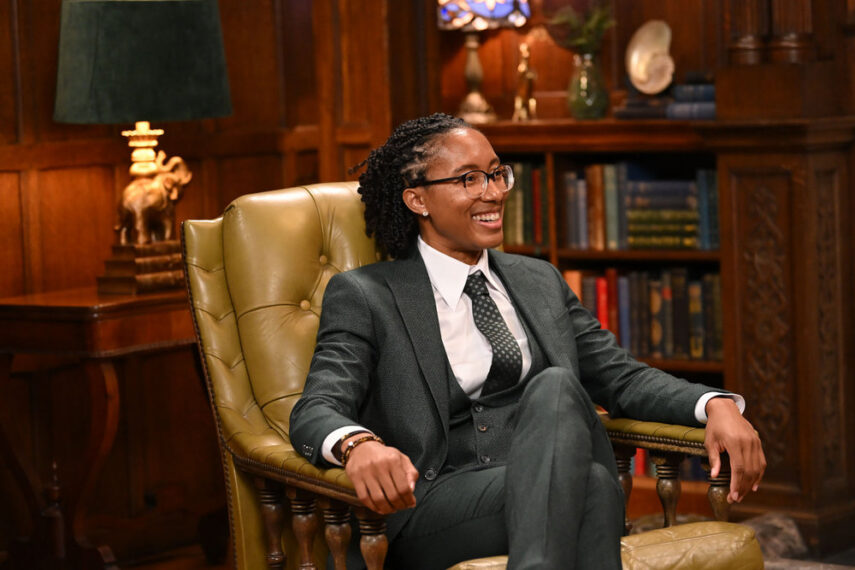
The upcoming episodes are expected to focus on the tension between the newly expanded group of Traitors and the remaining Faithfuls. With the murder of a lawyer having already established that professional backgrounds are not a safeguard against elimination, the remaining players are increasingly adopting more guarded strategies. The "New Blood" label is not merely a marketing term; it reflects a genuine, albeit ruthless, attempt to see how ordinary individuals navigate a environment defined by institutionalized distrust.
As the season progresses, the challenge for the remaining cast members will be to manage the "paranoia loop"—the tendency for the Faithfuls to suspect anyone who displays leadership or social influence. If the current trend of reactive, emotional voting continues, the Traitors will likely maintain control of the game with minimal effort. Conversely, if a group of analytical players can emerge to track voting patterns and shield movements, the power dynamic could shift rapidly.
The success of The Traitors: New Blood will likely be measured by the ability of these unknown players to provide the same level of narrative complexity as their celebrity predecessors. With the prize pot potentially reaching $250,000, the stakes remain high, and the psychological toll on the participants is only expected to increase as the circle of trust continues to shrink. Fans and observers alike remain focused on the next Thursday broadcast, which promises to reveal the identity of the next individual to be removed from the Scottish Highlands, whether by the hand of the Traitors or the collective vote of the group.