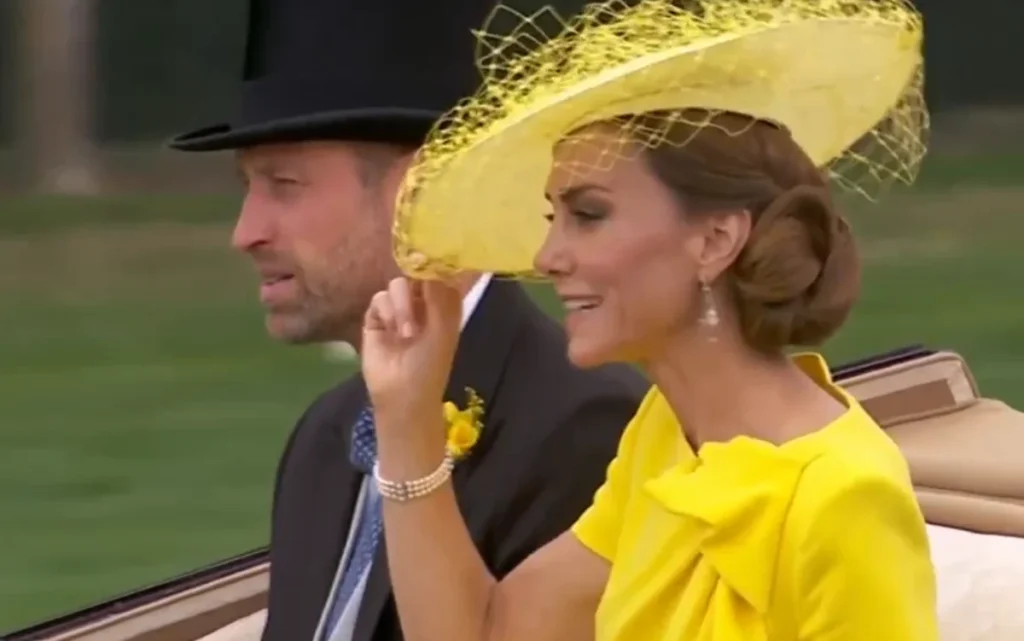

The Princess of Wales made a highly anticipated and celebrated return to Royal Ascot on Wednesday, participating in the iconic Royal Procession alongside the Prince of Wales for the first time in three years. Her presence marked a significant and welcome moment for both the Royal Family and the thousands of racegoers gathered at the Berkshire racecourse, signifying a personal milestone in her ongoing recovery.
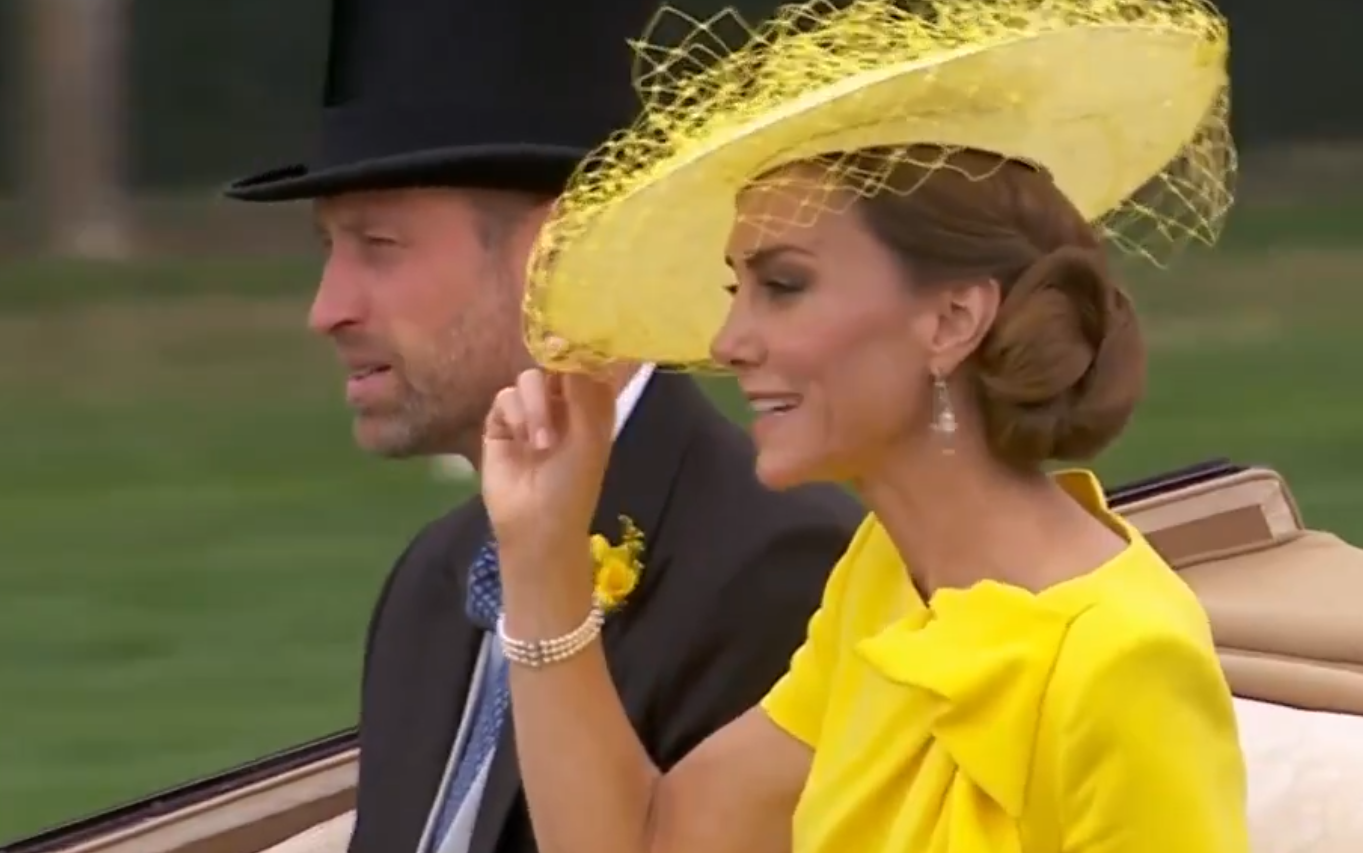
Catherine, who last graced the prestigious event in 2023, was a prominent figure in the second carriage of the traditional procession. She rode with Prince William, sharing the carriage with the Duke and Duchess of Richmond and Gordon, as the nation’s elite gathered for one of the most significant events on the British sporting and social calendar. The procession, a cornerstone of Royal Ascot since its inception, wound its way down the course, drawing enthusiastic cheers and applause from spectators eager to catch a glimpse of the Royal attendees.
This year’s attendance by the Princess of Wales held particular poignancy, following her absence from the 2024 meeting as she underwent treatment for cancer. Her health journey has been a subject of widespread public interest and support, making her reappearance at such a prominent royal engagement a symbol of her improving health and renewed engagement with public duties.
It is worth recalling the confusion that surrounded the Princess’s potential attendance at last year’s Royal Ascot. Her name had appeared in the official programme, leading to considerable concern when she ultimately did not arrive. Kensington Palace subsequently clarified that the Princess had never intended to attend that year and that her absence had always been anticipated as she prioritized her recovery. This year’s confirmed participation, therefore, served to dispel any lingering uncertainty and offered a clear indication of her progress.
The Princess’s return was undeniably one of the standout moments of the second day of the royal meeting. As the procession made its deliberate journey along the Berkshire straight, spectators lining the railings eagerly cranched for a view of the future Queen. The atmosphere was palpable, a blend of sporting anticipation and royal admiration, as the procession unfolded just moments before the first races commenced.
The Grandeur of the Royal Procession
The Royal Procession itself is a spectacle steeped in history and tradition, setting the tone for each day of the Royal Ascot meeting. It has been a cherished fixture since 1825, a visual representation of the Royal Family’s enduring connection to this historic sporting event.
This year, the procession was led, as is customary, by His Majesty The King and Her Majesty The Queen. They occupied the first carriage, accompanied by Lady Sarah Chatto and her husband, Daniel Chatto, underscoring the close familial ties within the Royal Family and their shared appreciation for the event.
Following the King and Queen, the second carriage carried the Prince and Princess of Wales, their presence drawing significant attention. As previously noted, they were accompanied by the Duke and Duchess of Richmond and Gordon, who are significant figures within the aristocratic circles often associated with Royal Ascot.
The subsequent carriages continued to showcase a distinguished assembly of individuals. The third carriage featured Rory Stewart and his wife, alongside Lady Sarah Keswick and the Marchioness of Lansdowne, further illustrating the blend of esteemed guests who partake in this royal tradition. The fourth carriage was dedicated to prominent figures within the racing world, with leading trainers William Haggas and John Gosden present, accompanied by their wives, Maureen Haggas and Rachel Hood. This inclusion highlights the integral role of the racing community in the Royal Ascot experience.
Royal Ascot: A Legacy of Tradition and Spectacle
Royal Ascot is far more than just a series of horse races; it is a quintessentially British institution that blends sporting excellence with high fashion and social prominence. Held annually in June, the five-day event attracts not only the crème de la crème of the racing world but also members of the Royal Family, aristocrats, celebrities, and thousands of racegoers from all walks of life.
The origins of Royal Ascot can be traced back to 1711 when Queen Anne founded the racecourse. The Royal Meeting, as it is often referred to, was established in 1807. The Royal Procession, a tradition that formally commenced in 1825, has since become an integral part of the event’s identity. Each day, the monarch and their guests travel from Windsor Castle along the Royal Mile to the racecourse, a journey that has become synonymous with the opening of the Royal Meeting.
The event is renowned for its stringent dress code, particularly within the Royal Enclosure, where gentlemen are expected to wear suits and ties, and ladies are encouraged to wear hats. This sartorial elegance contributes significantly to the unique atmosphere of Royal Ascot, transforming it into a vibrant display of fashion alongside the equestrian drama.
A Symbol of Resilience and Duty
The Princess of Wales’s return to Royal Ascot is a powerful statement of her resilience and her unwavering commitment to her public duties. Her decision to participate in the Royal Procession, a highly visible and demanding engagement, demonstrates a significant step forward in her recovery and her readiness to resume her royal responsibilities.
Her previous attendance at Royal Ascot in 2023 saw her and Prince William celebrating a significant victory with jockey Frankie Dettori aboard horse Courage Mon Ami. This joyful memory from just last year underscores the personal significance of her return, moving from a moment of shared triumph to one of personal fortitude and public re-emergence.
The public’s enduring affection and support for the Princess of Wales have been evident throughout her period of treatment. Her return to such a prominent public event is likely to be met with widespread warmth and encouragement, reinforcing her connection with the public and her role as a key figure within the modern monarchy.
Supporting Data and Context
- Attendance Figures: Royal Ascot typically attracts an average of around 300,000 visitors over the five days, with significant crowds present for key events like the Royal Procession.
- Economic Impact: The event is a major economic driver for the region, generating substantial revenue through hospitality, tourism, and betting.
- Racing Prestige: Royal Ascot hosts some of the most prestigious Group 1 races in the flat racing calendar, attracting top horses and jockeys from around the globe. Races like the Ascot Gold Cup, the St James’s Palace Stakes, and the Coronation Stakes are highly anticipated by racing enthusiasts.
- Historical Significance: The Royal Meeting has been a constant presence in the British sporting landscape for centuries, weathering historical events and societal changes, always maintaining its status as a pinnacle of equestrian sport and royal engagement.
Broader Implications and Future Engagements
The Princess of Wales’s return to public duties, marked by her appearance at Royal Ascot, signals a positive trajectory for her health and her ability to undertake royal engagements. This appearance is likely to be followed by a gradual increase in her public profile, as she continues to regain her strength and re-engage with her patronages and official duties.
Her renewed visibility will be of significant importance to the Royal Family, particularly as they navigate a period of evolving roles and responsibilities. The Princess is a highly popular and influential member of the monarchy, and her active participation is crucial in maintaining public engagement and support for the institution.
The Royal Family’s continued presence at Royal Ascot also serves to reinforce the enduring relationship between the monarchy and the sport of horse racing, a connection that dates back centuries. This tradition, upheld by successive monarchs, highlights the cultural significance of both the Royal Family and equestrian sports in Britain.
As the Princess of Wales continues her recovery and reintegrates into public life, her presence at events like Royal Ascot will be closely observed, not just for their sporting and social significance, but as indicators of her personal well-being and her continued dedication to serving the nation. Her return, steeped in tradition and personal triumph, offers a welcome symbol of hope and continuity.