
The String Shelving System, a cornerstone of midcentury Scandinavian design, continues to serve as a primary solution for homeowners and renters seeking to balance aesthetic minimalism with structural permanence. Originally conceived in 1949 by Swedish architect Nisse Strinning and his wife, Kajsa Strinning, the system has transitioned from a localized solution for Swedish households into a global design icon. Often compared to Dieter Rams’ Vitsoe 606 Universal Shelving System, the String system offers a distinct approach to modularity, utilizing lightweight wire panels and customizable shelving units that cater to a variety of interior styles and spatial constraints.

While the market for modular shelving has expanded significantly in the 21st century, the String system remains a preferred choice for those navigating the challenges of "commitment furniture"—pieces that require wall-mounting and significant financial investment but offer the flexibility to evolve with the user. This review examines the system’s historical significance, its logistical requirements, and its practical application in contemporary living spaces, particularly within the context of urban environments where square footage is at a premium.
The 1949 Origins and Evolution of a Design Icon
The String Shelving System was born out of a specific functional need identified by the Swedish publishing house Bonnier. In 1949, the firm launched a competition seeking a bookshelf design that was affordable, easy to ship, and simple to assemble. The Strinnings’ winning entry addressed these criteria through a revolutionary design: a set of ladder-like wire side panels that could be easily mounted to a wall, supporting shelves that clicked into place without the need for complex joinery.

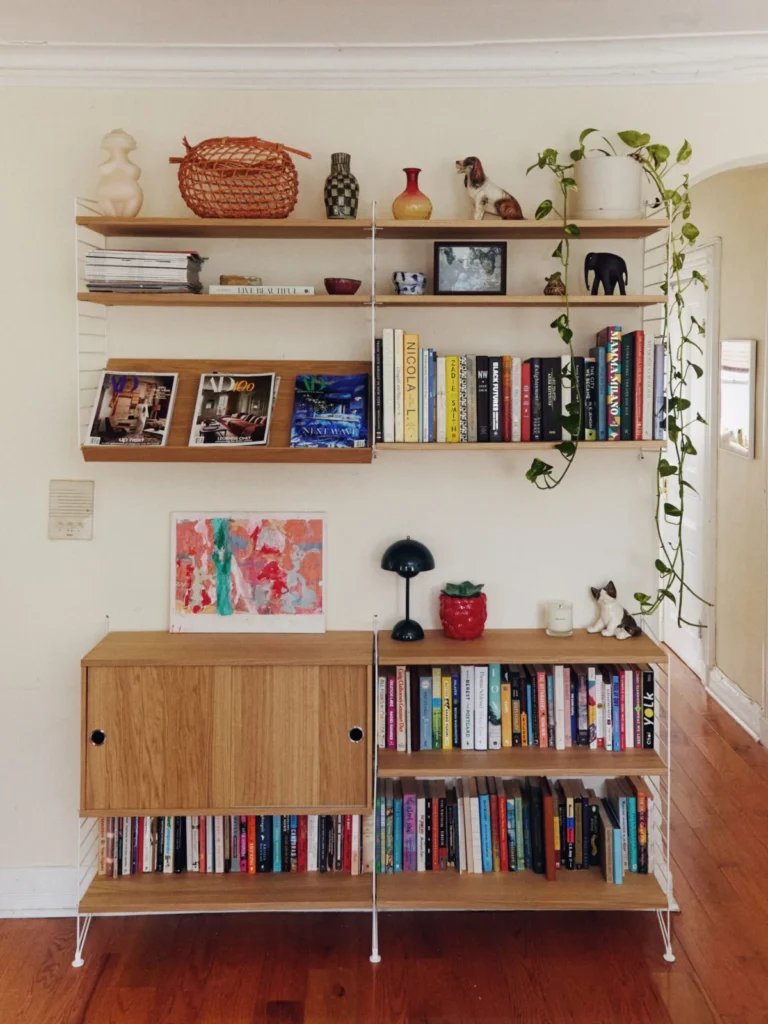
Following its debut, the system became a staple of 1950s and 60s European interior design. It was notably utilized in the United Nations headquarters in New York, cementing its status as a symbol of modern functionalism. After a period of decreased production toward the end of the 20th century, the brand was revitalized in 2004 under the leadership of Peter Erlandsson and Pär Josefsson. Since then, the product line has expanded to include the "String Pocket"—a smaller, pre-packaged version of the system—and a wide array of specialized components such as slanted magazine racks, work desks, and cabinets with sliding doors.
Logistical Analysis: Delivery and Assembly Requirements
The logistical experience of acquiring a String system reflects its industrial design roots. Components are typically shipped as flat-packed units, a method pioneered by the Strinnings long before it became the industry standard for furniture retailers like IKEA. Each component, from the wire floor or wall panels to the individual shelves and cabinets, arrives in separate packaging.

For the modern consumer, the weight of the materials is a primary consideration. While the wire panels are relatively lightweight, the shelves themselves are constructed from high-density particleboard finished with a wood veneer (such as oak, walnut, or ash) or a lacquered MDF. This density ensures a high weight-bearing capacity but adds significant heft during the delivery process. For residents in multi-story walk-up apartments, the modular nature of the packaging allows for easier transport than a traditional, fully assembled bookcase.
The setup of a String system is categorized as an intermediate-level task. The system’s hallmark is its minimalist mounting hardware; each wire panel is secured to the wall via a single screw at each corner. However, the precision required for a multi-unit configuration necessitates careful measurement. Professional installers and experienced DIY users often describe the assembly as a "Tetris-like" process, requiring the alignment of multiple panels to ensure the shelves remain perfectly level. In pre-war buildings or apartments with uneven wall surfaces, this process can become more complex, occasionally requiring the use of wall anchors or professional handyman services to ensure long-term stability.

Materiality and Structural Integrity
One of the most frequently cited concerns regarding modular wall-mounted furniture is its ability to support heavy loads, such as extensive book collections. The String system addresses this through its "ladder" panel design, which distributes weight vertically across the wire struts. Unlike floating shelves, which rely solely on internal brackets and wall tension, the String system’s weight is supported by the integrated structure of the side panels.
The system’s versatility is further enhanced by its range of finishes. Consumers can choose between classic metal panels in white, black, or grey, or opt for more contemporary finishes like beige or brown. The shelving units are available in various materials, including:
.png)
- Veneered Wood: Providing a warm, organic feel suitable for living rooms and bedrooms.
- Lacquered MDF: Offering a sleek, uniform look for modern offices or kitchens.
- Perforated Metal: Ideal for high-moisture environments like bathrooms or outdoor spaces (specifically the String Outdoor range).
In practice, the system has proven to be exceptionally sturdy. Users report that once properly anchored, the shelves show no signs of sagging even under the weight of oversized art books or audio equipment. The inclusion of specialized components, such as cabinets with sliding doors, allows for the concealment of less aesthetic household items, while slanted shelves provide a dedicated space for displaying periodicals.
Market Positioning and Pricing Data
The String system occupies a mid-to-high-tier position in the furniture market. Pricing is highly variable based on the complexity of the configuration.

- Entry-Level: A single String Pocket unit, which includes two panels and three shelves, typically starts around $160–$200.
- Mid-Range: A basic wall-mounted unit consisting of two panels and three standard shelves from retailers like Design Within Reach (DWR) starts at approximately $350.
- Large Configurations: A comprehensive living room or home office setup—incorporating multiple floor-to-ceiling panels, cabinets, and specialized shelving—can range from $2,500 to over $5,000.
Industry analysts note that while the initial cost is higher than "fast furniture" alternatives, the system’s value proposition lies in its longevity. Because the components have remained standardized since 1949, a consumer can purchase a small unit today and continue to add compatible parts decades later. This "investment furniture" model appeals to a demographic that prioritizes sustainability and long-term utility over disposability.
Impact on Modern Urban Living
The resurgence of the String system coincides with the global trend toward smaller living spaces and the rise of the "home office" culture. Its wall-mounted nature is particularly advantageous in apartments with limited square footage, as it utilizes vertical space without encroaching on floor area.

Interior designers frequently recommend the system for its ability to "disappear" into a room. The thin wire panels do not create the visual bulk associated with traditional wooden bookshelves, allowing light to pass through the unit and maintaining a sense of openness in cramped quarters. Furthermore, the ability to mix open shelving with closed cabinets allows users to curate their displays, showcasing decorative objects and lighting while hiding functional clutter.
Broader Implications and Design Legacy
The String Shelving System represents a successful intersection of 20th-century functionalism and 21st-century consumer needs. Its enduring popularity suggests a shift in consumer behavior toward modularity and customization. By allowing the user to act as the designer, String Furniture has fostered a sense of personal connection to the product that few mass-produced items achieve.

From a sustainability perspective, the system’s modularity contributes to a circular economy. Components are easily disassembled, moved, and reconfigured for different homes, reducing the likelihood of the furniture being discarded during a move. As urban dwellers continue to seek storage solutions that are both flexible and aesthetically refined, the String system is likely to remain a benchmark for modular design.
In conclusion, the String Shelving System is more than a storage solution; it is a versatile tool for interior organization. Its historical pedigree, combined with its robust construction and timeless aesthetic, justifies its status as a premier choice for those looking to invest in their living environment. Whether used to house a vast library or to create a minimalist workspace, the system offers a reliable and stylish framework that adapts to the changing rhythms of modern life.