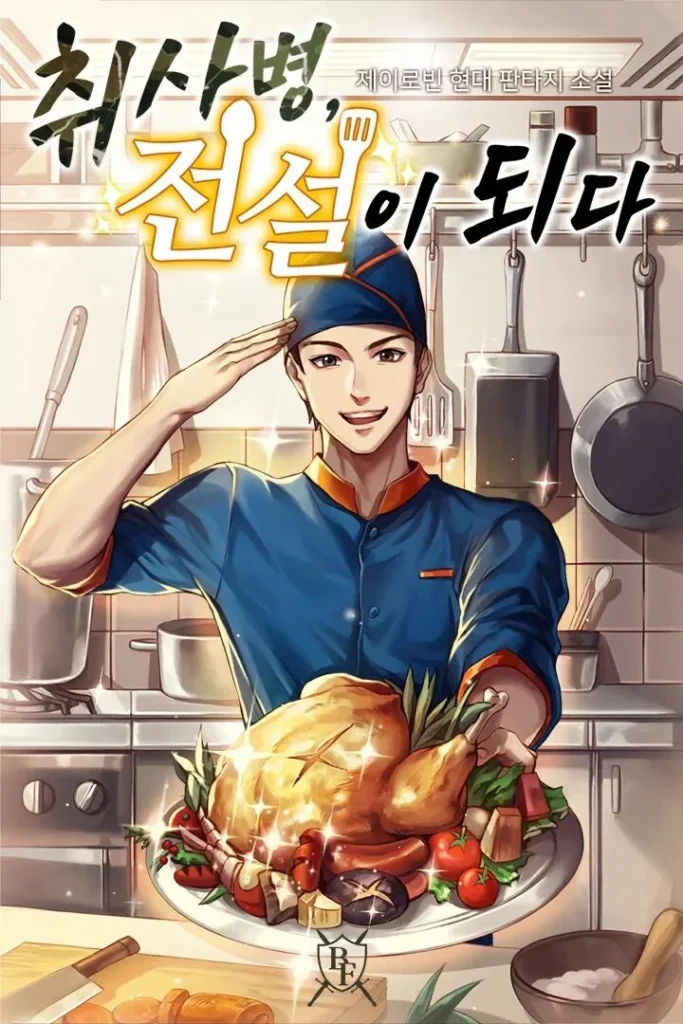

The South Korean entertainment industry has long been a powerhouse of "One Source Multi-Use" (OSMU) strategies, where a single intellectual property (IP) is leveraged across various platforms, including web novels, webtoons, and television dramas. A recent and striking example of this economic synergy was highlighted by author J Robin, also known as Oh Jong Pil, who recently shared the significant financial windfall resulting from the television adaptation of his original web novel, The Legend of Kitchen Soldier. The series, which premiered on the domestic streaming giant TVING, stars Wanna One member-turned-actor Park Jihoon and has catalyzed a massive surge in the consumption of the original source material, leading to a single-month royalty settlement of approximately ₩88.0 million KRW (roughly $57,600 USD) for the novel alone.
This revelation by J Robin serves as a rare and transparent look into the revenue streams available to original content creators in the digital age. While the initial sale of adaptation rights—the "video adaptation rights fee"—is often the most discussed aspect of such deals, J Robin’s experience underscores that the true financial benefit often lies in the secondary surge of interest in the original novel and its subsequent webtoon adaptation. The author noted that while the novel’s royalties were substantial, the settlement for the webtoon version, which was still being finalized at the time of his announcement, is expected to be even larger due to the higher monetization rates and broader visual appeal of the medium.
The Convergence of Star Power and Storytelling
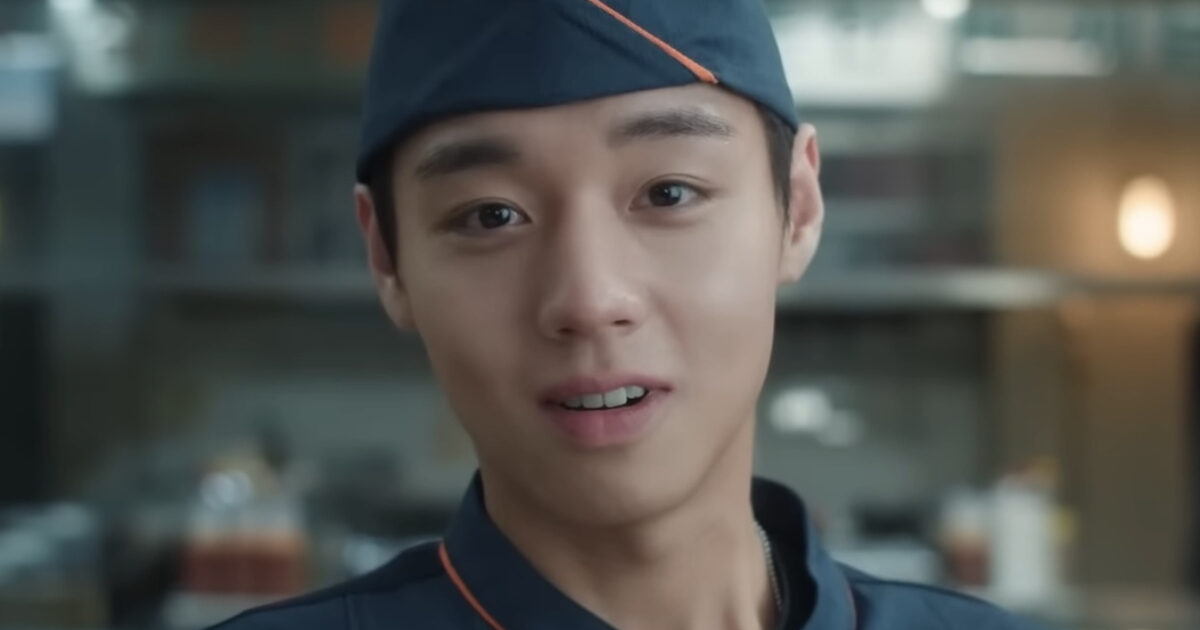
The success of The Legend of Kitchen Soldier cannot be viewed in isolation from its lead actor, Park Jihoon. Since transitioning from a career as a K-Pop idol in the globally renowned group Wanna One to a serious actor, Park has built a reputation for delivering high-performance roles. His recent involvement in the hit film The King’s Warden, which earned him the moniker of a "ten-million actor" (referring to the elite group of actors whose films surpass ten million domestic admissions), provided a massive promotional tailwind for the TVING series.
J Robin acknowledged this "Park Jihoon effect," noting that the buzz surrounding the actor’s cinematic success naturally migrated to the drama. In the competitive landscape of South Korean streaming, having a lead actor with a proven track record and a dedicated global fanbase is often the deciding factor in whether an adaptation will successfully drive viewers back to the original source material. For J Robin, this meant that a work originally published as a web novel was suddenly exposed to a massive new audience of drama viewers who were eager to explore the world of the "Kitchen Soldier" in its original, more detailed format.
A Strategic Divergence: Drama vs. Original Work
One of the more nuanced reasons J Robin cited for the spike in novel sales was the creative direction taken by the drama’s production team. It is common in K-Drama adaptations for the screenplay to deviate from the source material to better suit the pacing of television or to introduce new subplots. In the case of The Legend of Kitchen Soldier, the drama and the original novel reportedly took different paths in their narrative progression.

Rather than alienating the audience, this divergence created a sense of curiosity among viewers. Fans of the show began purchasing the web novel to compare the two versions and to discover the "true" ending or character backstories that were omitted or altered in the TVING version. This phenomenon highlights a growing trend in the IP industry where adaptations serve as high-budget marketing tools for the original text. By offering a different experience, the drama encouraged a "double-dip" consumption pattern, where the audience pays for the streaming subscription and then pays again to read the original story on platforms like KakaoPage or Naver Series.
The Economic Ecosystem of Web Novels and Webtoons
To provide context for J Robin’s ₩88.0 million KRW payday, it is necessary to understand the broader economic structure of the South Korean web content market. Creators in this space do not rely on a single paycheck; instead, they benefit from a multi-layered revenue model. This includes:
- Novel Royalties: Direct sales of chapters or volumes on digital platforms.
- Webtoon Royalties: Revenue generated from the illustrated version of the story, which often has a higher price point and broader international reach.
- Advertising Revenue: Commissions from ads displayed alongside the content.
- Lecture Fees: Successful authors are frequently invited to speak at universities or creative writing academies. J Robin noted that his lecture fees increased fivefold following the drama’s success.
- Adaptation Rights: The upfront fee paid by production companies to secure the rights to film the story.
J Robin’s decision to go public with these figures was motivated by a desire to dispel the myth that original authors are often exploited or underpaid when their works become hits. He emphasized that the "trickle-down" effect of a successful drama creates a virtuous cycle that benefits the creator across all their income streams. The visibility provided by a major streaming platform like TVING elevates the author’s brand, making their future works more valuable and their current portfolio more profitable.

The Role of Anti-Piracy Measures
Another critical factor in the recent surge of legitimate earnings for authors like J Robin is the intensified crackdown on illegal webtoon and web novel distribution sites. For years, the South Korean creative industry has struggled with piracy platforms that host copyrighted content for free, siphoning off billions of won in potential revenue.
The author observed that the timing of the drama’s release coincided with a period of heavy government and industry pressure on these illegal sites. As major piracy hubs were shuttered or blocked, readers were forced back to official platforms. This shift, combined with the excitement surrounding the drama, ensured that the increased demand for The Legend of Kitchen Soldier translated into actual sales for the author rather than being lost to black-market consumption. This highlights the importance of legal infrastructure in protecting the livelihoods of digital creators.
Chronology of a Hit: From Screen to Page
The Legend of Kitchen Soldier concluded its television run on June 16, 2026, receiving favorable reviews for its unique blend of military life and culinary comedy. The plot follows a military cook who utilizes "quest windows"—a trope common in "LitRPG" (Literary Role-Playing Game) web novels—to master the art of cooking while serving his mandatory military duty.

The timeline of its success can be traced as follows:
- Original Publication: The web novel gains a dedicated following on digital platforms, leading to a webtoon adaptation.
- Production Announcement: TVING announces the live-action series starring Park Jihoon, immediately boosting the novel’s ranking on sales charts.
- Broadcast Period: As the drama airs, real-time engagement on social media and fan forums drives "curiosity purchases" of the novel and webtoon.
- Post-Broadcast Peak: Following the finale, the author receives the royalty settlement, confirming the massive scale of the "drama effect."
Broader Implications for the K-Content Industry
The case of J Robin and The Legend of Kitchen Soldier serves as a blueprint for the future of the K-Content industry. It proves that the value of an IP is not just in its initial popularity, but in its versatility. As global streaming platforms continue to hunt for proven stories, the demand for high-quality web novels will only increase.
Furthermore, J Robin’s transparency regarding his earnings provides a significant morale boost for aspiring writers in the "snack culture" era. It demonstrates that the web novel industry has matured into a legitimate and highly lucrative career path, provided the creator can navigate the complexities of multi-platform distribution.
The success of this adaptation also reinforces TVING’s position in the domestic market. By investing in local IPs and top-tier talent like Park Jihoon, domestic streamers are finding ways to compete with global giants like Netflix. They are not just selling a subscription; they are anchoring an entire ecosystem of digital content that supports authors, illustrators, and actors alike.
In conclusion, J Robin’s "happier days" are a testament to the power of a well-executed adaptation. The ₩88.0 million KRW settlement is more than just a paycheck; it is a symbol of the shifting dynamics in the entertainment world, where the original creator remains at the heart of a multi-million dollar industry. As the lines between different media formats continue to blur, the success of The Legend of Kitchen Soldier will likely be remembered as a landmark moment for the economic empowerment of digital storytellers in South Korea.