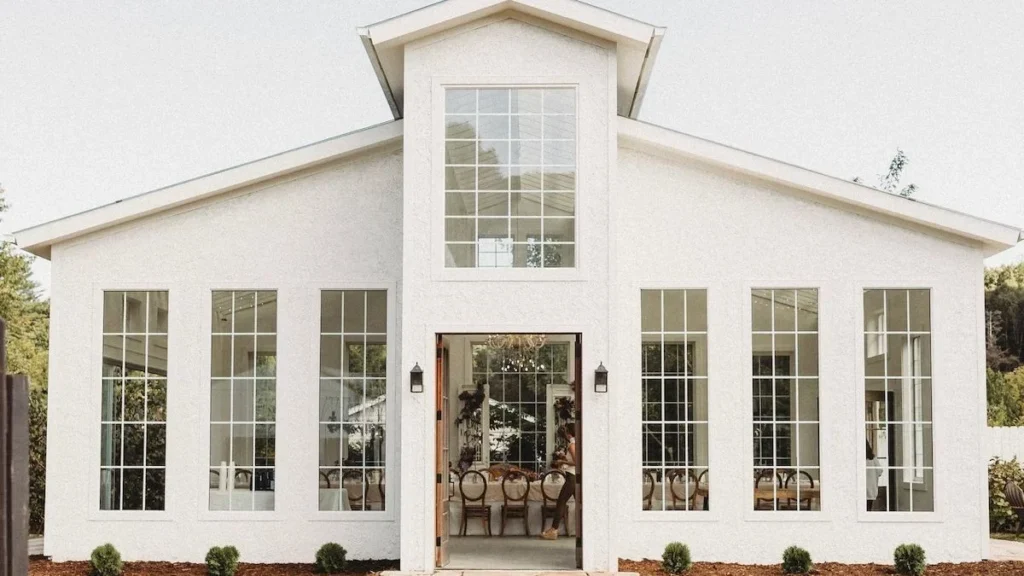

The landscape of the modern wedding industry has undergone a radical transformation over the last five years, shifting away from the traditional, high-capacity banquet hall toward personalized, intimate experiences. As the "micro-wedding"—defined typically as a ceremony with fewer than 50 guests—continues to gain traction, couples are increasingly looking toward the short-term rental market to find venues that offer architectural character, scenic backdrops, and residential comfort. Airbnb, the global leader in alternative accommodations, has emerged as a primary resource for these "DIY" planners, offering everything from 12th-century Belgian chateaus to glass-walled mountain retreats in North Carolina.
The appeal of utilizing a private estate for nuptials lies in the flexibility of the timeline and the exclusivity of the environment. Unlike traditional venues that often operate on strict four-to-six-hour windows, a residential rental allows the celebration to extend into a full weekend. According to Meghan Ely, owner of OFD Consulting and a veteran in the wedding industry, renting a private home provides an "all-weekend venue buyout" that fosters a cozy, communal vibe often missing from hotel ballrooms. This shift is not merely a matter of aesthetics; it represents a broader change in consumer behavior where couples prioritize "quality time" with a select few over a large-scale production.
The Regulatory Landscape: Navigating Airbnb’s Event Policies
While the prospect of a private estate wedding is alluring, it requires a nuanced understanding of platform policies. In August 2020, Airbnb implemented a temporary ban on parties and events in response to the global pandemic and public health concerns. This ban was made permanent in June 2022. However, the policy is specifically targeted at "disruptive parties and events" and "open-invite gatherings." In a significant update to the policy, Airbnb removed the 16-person occupancy cap for larger listings, allowing homes with the capacity to host more guests to do so, provided they do not disturb the neighborhood.
For couples, this means transparency is paramount. Journalistic analysis of host interactions suggests that successful "Airbnb weddings" are those where the host is notified in advance and a formal agreement is reached regarding the number of visitors, noise levels, and third-party vendors. Many hosts now actively market their properties as "event-friendly," providing upscale amenities such as butler service, on-site catering, and transit assistance to ensure the gathering remains respectful of local ordinances.
International Destinations: From Tuscan Estates to Balinese Villas
For those seeking a destination wedding, the international market offers historic estates that double as living museums. In Bettolle, Italy, the Marchese Estate stands as a premier example of the Renaissance villa experience. Originally the residence of an 18th-century marquis, the six-acre property accommodates up to 100 guests for ceremonies. The availability of an in-house chef and a dedicated planning team allows couples to bridge the gap between a private rental and a full-service venue.
Further west, the Iberian Peninsula offers diverse options. In Serrazes, Portugal, The Fox House utilizes its 17-acre forest and infinity pool to cater to boutique garden weddings. Meanwhile, in Sant Andreu de Llavaneres, Spain, Finca Santa Monica provides a Mediterranean coastal retreat just 30 minutes from Barcelona. These venues highlight a growing trend in "slow travel" weddings, where the ceremony is part of a larger cultural immersion.
In the Americas, Mexico has become a hub for high-end residential weddings. Properties like West Enclave 7 in Cabo San Lucas and Casa Rosada in Sayulita offer a blend of modern luxury and beachfront accessibility. These villas often come with 24/7 concierge services, bridging the gap for couples who want the privacy of a home with the service standards of a five-star resort. In Southeast Asia, Ubud, Indonesia, remains a top choice for nature-centric ceremonies, where traditional Javanese "joglo" houses provide a spiritual and architectural focal point for vows.
Domestic Excellence: The Rise of the American Micro-Venue
Within the United States, the variety of "wedding-ready" Airbnbs reflects the country’s diverse geography. In the South, New Orleans’ Bywater neighborhood hosts The Manzant, a restored 1880s mansion that features 13-foot ceilings and a broad front gallery. The property is optimized for rehearsal dinners and small receptions, featuring an 18-seat dining table and expansive grounds.
The Appalachian and Rocky Mountain regions have seen a surge in "adventure elopements." In Mills River, North Carolina, a 1,000-square-foot Luxe Glass House allows couples to wed surrounded by the Pisgah National Forest without the risk of weather interference. Similarly, in Seward, Alaska, Salted Roots provides a beachfront platform with views of glacier-carved peaks. These venues cater to a demographic that values environmental connection and outdoor activity over traditional formalwear and indoor receptions.
In the West, California continues to lead the market in specialized rentals. From the desert landscapes of Joshua Tree (Casa Azzura and Flora) to the "fairy-tale" architecture of a literal castle in Los Angeles, the state offers a venue for every aesthetic. These properties often emphasize "photo-op" potential, with tiered outdoor spaces and curated interiors designed to look exceptional in digital media—a key requirement for the modern couple.
Data and Economic Implications
The shift toward micro-weddings at private rentals is also driven by economic considerations. Data from the wedding planning platform The Knot indicates that the average cost of a wedding in the United States reached approximately $35,000 in 2023. By opting for an Airbnb venue, couples can often consolidate their accommodation and venue costs. While a high-end villa might cost $5,000 to $8,000 per night, the ability to house the wedding party on-site and the lack of "per-head" catering minimums can result in significant overall savings.
Furthermore, this trend has a localized economic impact. Smaller weddings in residential areas tend to utilize local vendors—private chefs, neighborhood florists, and local equipment rental companies—rather than large-scale corporate catering firms. This "hyper-local" spending helps support small businesses in tourism-heavy regions like the Catskills in New York or the Flathead Valley in Montana.
Planning Logistics: A Newsroom Guide for Couples
Choosing an Airbnb as a wedding venue requires a different logistical approach than a traditional hotel. Experts suggest the following chronology for a successful event:
- Initial Inquiry: Before booking, the couple must send a detailed message to the host explaining the nature of the event, the exact guest count (including those not staying overnight), and the intended use of music or amplified sound.
- Vendor Coordination: Unlike traditional venues, Airbnbs do not typically provide tables, chairs, or linens. Couples must coordinate with local rental companies. It is essential to ensure the property has adequate electrical capacity for catering equipment or lighting rigs.
- Insurance: Many hosts require couples to purchase a one-day event insurance policy. This protects both the renter and the homeowner from liability related to accidents or property damage.
- Scouting and Natural Light: Journalistic photographers recommend scouting the property at the exact time of the intended ceremony to understand how the sun hits the landscape. Residential properties often have "pockets" of light that can be utilized for high-quality portraits.
The Future of the Industry
The rise of the Airbnb wedding venue is more than a fleeting trend; it is a manifestation of a generational shift toward authenticity and intimacy. As Gen Z enters the primary wedding-age demographic, the demand for non-traditional, "Instagrammable," and highly personalized spaces is expected to grow.
Traditional venues are beginning to respond by offering "micro-packages," but the inherent privacy of a residential estate remains a competitive advantage that is difficult to replicate. While challenges regarding noise ordinances and platform regulations persist, the success of these boutique celebrations suggests that the future of the wedding industry may well be found in the backyards and salons of the world’s most beautiful homes.
In conclusion, whether it is a mid-19th-century farmhouse in Pine Plains, New York, or a modern architectural marvel in Phoenix, Arizona, the "best" venue is increasingly defined not by its capacity, but by its character. As long as couples and hosts maintain a relationship of transparency and responsibility, the private home will continue to be a cornerstone of the modern celebration of love.