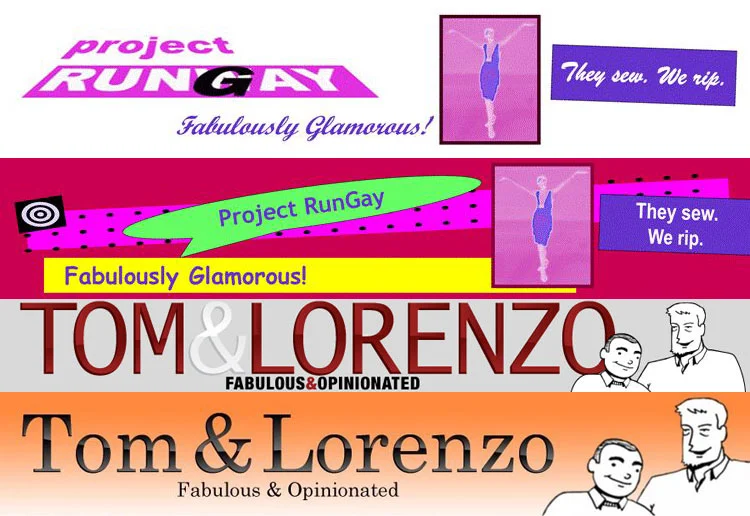

In July 2026, the digital media landscape marks a significant milestone with the twentieth anniversary of Tom and Lorenzo, an independent pop culture and fashion criticism platform that has survived two decades of radical industry transformation. Founded on July 22, 2006, the site—originally launched as "Projectville" before rebranding to "Tom & Lorenzo" (TLo)—represents a rare success story in a medium that has seen the rise and fall of giants like Gawker, the collapse of traditional advertising models, and the disruptive emergence of artificial intelligence. The anniversary serves as a focal point for analyzing the viability of independent journalism and the shifting relationship between content creators and their audiences in an increasingly fragmented digital economy.
The Genesis of a Digital Brand: 2006 and the Rise of the Blogosphere
The inception of the Tom and Lorenzo brand occurred during the mid-aughts, a period often referred to as the "Golden Age of Blogging." In the summer of 2006, founders Tom Fitzgerald and Lorenzo Marquez faced professional stagnation following layoffs in the advertising and academic sectors, respectively. The decision to launch a blog was a response to the burgeoning cultural impact of reality television, specifically Bravo’s Project Runway, which was then entering its third season and becoming a national phenomenon.
At the time, the digital landscape was dominated by a specific "snark-heavy" editorial voice pioneered by sites such as Gawker and Perez Hilton. However, Fitzgerald and Marquez sought to occupy a niche that combined sharp, humorous commentary with a more structured, analytical approach to fashion and television. They cited early "influencer" blogs like Go Fug Yourself, Julie & Julia, and The Pioneer Woman as primary inspirations for establishing a distinct, character-driven voice.
The site’s rapid ascent was catalyzed by early recognition from mainstream media and industry insiders. Within its first month, the blog received mentions in Entertainment Weekly and The New York Times. A critical turning point occurred when Andy Cohen, then a Bravo executive and host, began linking to their content on the network’s official site. This endorsement provided the platform with an immediate audience of thousands, demonstrating the power of network-to-independent cross-promotion in the early Web 2.0 era.
Chronology of Expansion: From Recaps to Cultural Criticism
Over the past twenty years, the platform’s evolution has mirrored broader trends in media consumption and production. The following timeline highlights the key phases of the Tom and Lorenzo brand:
- 2006–2009: The Reality TV Era. The site focused heavily on Project Runway and the emergence of "fan-centric" blogging. During this period, the authors established a unique lexicon—referring to their readers as "kittens"—which fostered a loyal, community-driven ecosystem.
- 2010–2015: The Peak of the Television Monoculture. As television shifted toward prestige dramas, the site expanded into deep-dive costume analysis, most notably for AMC’s Mad Men. This transition from simple recaps to "style-as-narrative" analysis elevated the site’s status from a fan blog to a respected critical outlet. This era also saw the launch of "Red Carpet Commentary," which applied high-fashion critique to celebrity appearances.
- 2016–2020: Diversification and Literary Ventures. Facing the decline of RSS feeds and the rise of social media algorithms, the founders diversified their output. They published two books, including Legendary Children: The First Decade of Drag Race and the Last Century of Queer History (2020), and launched a successful podcast. This period marked their transition into recognized authorities on LGBTQ+ history and pop culture.
- 2021–2026: Survival in the Post-Social Media Landscape. The current era is defined by the founders’ efforts to maintain independence amidst the collapse of traditional digital advertising and the volatility of platforms like X (formerly Twitter) and Facebook.
Supporting Data: The Economic Reality of Independent Media in 2026
The survival of an independent, for-profit blog in 2026 is an anomaly supported by harrowing industry data. According to digital media analysts, the "middle-class" of the internet—independent sites that are neither massive corporate entities nor hobbyist side-projects—has shrunk by an estimated 70% since 2018.
Several factors contribute to this decline:
- Advertising Collapse: Google’s ad revenue sharing for small-to-medium publishers has plummeted. In 2006, a site with a million monthly views could support a small staff; in 2026, the same traffic generates roughly 40% less revenue due to the dominance of "walled garden" platforms and the rise of ad-blocking technology.
- AI and Content Scraping: The emergence of Large Language Models (LLMs) has led to widespread "scraping," where AI bots ingest original commentary and re-present it to users, bypassing the original site and depriving creators of traffic and revenue.
- Social Media Volatility: The migration of social media toward algorithmically driven video (TikTok, Reels) and the ideological shifts of legacy platforms have decimated the "referral traffic" model. Independent outlets have reported losing up to 50% of their traffic following platform policy changes.
Despite these headwinds, the Tom and Lorenzo model has remained viable through a combination of low overhead and a diversified revenue stream including affiliate marketing, book royalties, and a highly engaged, "legacy" audience that visits the site directly rather than through search engines.
Operational Synergy: The Two-Person Infrastructure
A critical component of the brand’s longevity is the division of labor between its two principals. While the public-facing editorial voice is a collaborative "first-person plural," the operational reality is a strict bifurcation of duties. Tom Fitzgerald serves as the primary editorial voice and writer, while Lorenzo Marquez manages the technical, financial, and logistical aspects of the business.
This partnership model addresses a common failure point for independent creators: the "burnout" associated with managing both creative output and business operations. Marquez’s role involves navigating the legal complexities of image licensing, managing server uptime, and negotiating with advertising networks—tasks that often overwhelm solo bloggers. This synergy has allowed the platform to remain "independent" in the truest sense, avoiding the need for venture capital or corporate acquisition, which often leads to the dilution of an outlet’s unique voice.
Broader Impact and Implications for the Future of Journalism
The twentieth anniversary of Tom and Lorenzo is more than a celebratory milestone; it is a case study in "digital resilience." Their journey reflects the broader cultural shift from the "monoculture"—where millions watched the same shows and read the same critics—to a "fragmented culture" of niche communities.
Industry analysts suggest that the future of journalism may look more like the Tom and Lorenzo model: small, agile, personality-driven platforms that prioritize audience loyalty over raw traffic numbers. As major media conglomerates continue to consolidate and shutter traditional culture desks, the role of the independent critic becomes increasingly vital. These "boutique" outlets provide a level of historical context and specialized knowledge that AI-generated content and generalist newsrooms often lack.
However, the "defiant" tone of the site’s recent retrospectives highlights a grim reality for the next generation of writers. The environment that allowed Tom and Lorenzo to launch in 2006—a world of plentiful "Google alerts," robust RSS traffic, and a curious public—no longer exists. To launch a similar venture in 2026 requires navigating an ecosystem that is often hostile to independent thought and original reporting.
Conclusion: The Legacy of the "Kittens" and the Road Ahead
As Tom and Lorenzo enter their third decade, they remain one of the few surviving voices from the original blogging revolution. Their success is attributed not just to their commentary on hemlines or television scripts, but to their ability to adapt to a digital world that has reinvented itself multiple times over.
The founders have pledged to continue their work, promising another decade of coverage. Their survival serves as a testament to the enduring value of a human voice in an automated age. For the digital media industry, the "TLo" model provides a blueprint for independence, suggesting that while the platforms may change and the dollars may dry up, a dedicated community and a clear editorial vision remain the most stable currencies in the digital marketplace.