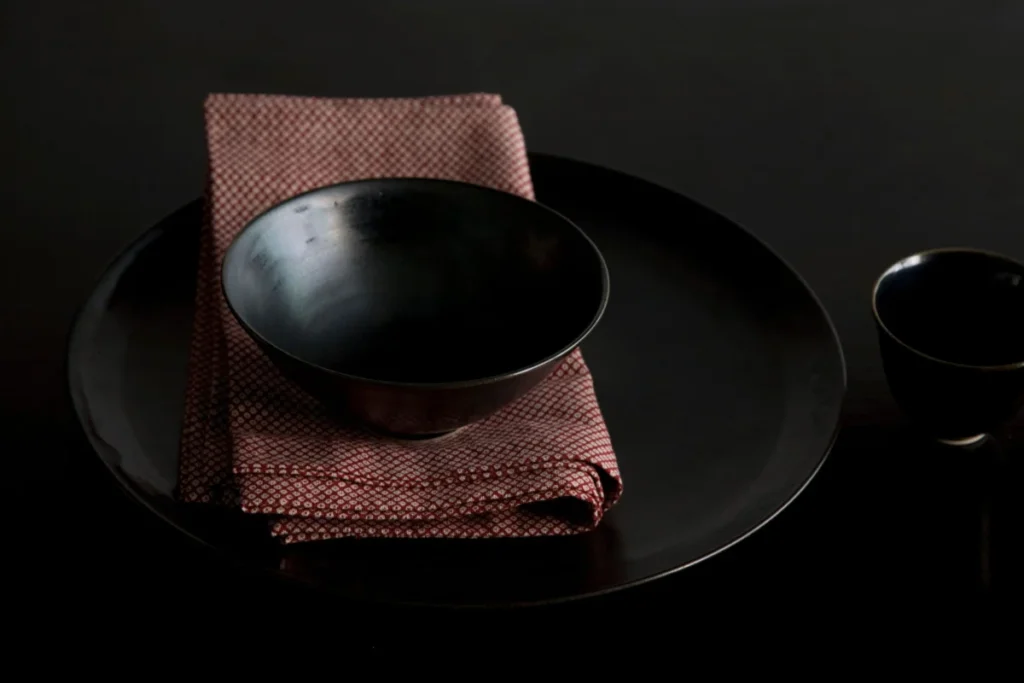

Stoneware dinnerware has long served as the dependable workhorse of the global ceramics industry, bridging the gap between utilitarian necessity and aesthetic expression. Unlike fine porcelain, which often demands a formal setting and a cautious touch, stoneware is defined by its density, durability, and tactile resonance. It has become the material of choice for design-conscious households that prioritize a lived-in, authentic atmosphere over the rigid, uniform perfection of mass-produced sets. This shift toward stoneware reflects a broader consumer trend favoring "wabi-sabi"—a Japanese aesthetic philosophy that finds beauty in imperfection, asymmetry, and the visible marks of the artisan’s hand.
The resurgence of interest in stoneware is not merely a stylistic preference; it is a rejection of the hyper-industrialized table settings of the mid-20th century. As modern dining habits lean toward more casual, family-style gatherings, the demand for dinnerware that can withstand daily use while offering visual depth has surged. These pieces, characterized by visible throwing marks, reactive glazes, and subtle variations in shape, turn every meal into a sensory experience. From heritage workshops operating for decades to a new wave of studio potters, the landscape of stoneware production has evolved into a diverse market that offers everything from affordable entry-level sets to high-end, chef-grade artisanal creations.
A Chronology of the Ceramic Renaissance
The evolution of stoneware from industrial utility to artisanal centerpiece can be traced through the changing priorities of the home goods market. Historically, stoneware was the bedrock of rural domestic life, prized for its non-porous nature and thermal retention. Following the industrial boom of the post-war era, fine china and mass-produced porcelain dominated the market, relegating stoneware to the background.
However, the early 2010s marked a significant turning point. The rise of "maker culture" and the digital democratization of craft through platforms like Instagram allowed independent potters to reach global audiences without the need for traditional retail intermediaries. Workshops such as Mervyn Gers Ceramics in Cape Town, founded in 2011, began to scale their production while retaining the "hand-dipped" quality that consumers sought. By 2017, brands like Lolly Lolly Ceramics, founded by Lalese Stamps, were challenging the industry’s status quo by pushing the boundaries of form—famously creating 100 distinct mug handles to demonstrate the potential of individual expression in production.
Today, the market is characterized by a "hybrid" model. Established entities have had to pivot toward more organic, tactile designs to stay relevant, while digitally native brands like Fable and Year & Day have successfully leveraged direct-to-consumer (DTC) models to offer high-quality, ethically produced stoneware at competitive price points.
Key Players and Market Leaders
The contemporary market for stoneware is stratified by production methods, price, and design philosophy. Understanding these brands provides insight into the broader trends currently shaping the industry.
Mervyn Gers Ceramics: The Cape Town Original
Operating out of South Africa, Mervyn Gers has grown from a boutique operation to a professional studio employing over 50 artisans. The brand’s success lies in its ability to marry traditional firing techniques with modern design sensibilities. Their production, which involves hand-dipping each piece in rich, variegated glazes, ensures that the "variability" that consumers crave is built into the manufacturing process. Their small plates and sculptural lidded pots serve as both functional items and artistic statements.
East Fork: The Cult Favorite
Perhaps no brand better exemplifies the modern American pottery movement than East Fork. Founded in 2009 by Alex Matisse—the great-grandson of the legendary painter Henri Matisse—the company began as a small-scale operation with a wood-burning kiln on a tobacco farm. Today, the Asheville-based brand is a leader in the industry, recognized for its "Everyday" 5-piece setting and signature speckled glazes. Their recent expansion into hand-painted designs, such as the Tulip Crown platter, demonstrates a commitment to evolving their aesthetic while maintaining the "painterly" quality of their heritage.
Villeroy & Boch: The Legacy Brand
The inclusion of heritage brands like Villeroy & Boch in the stoneware conversation highlights the industry’s shift. While historically associated with fine porcelain, the company’s "Lave" collection represents a strategic pivot. By adopting irregular, organic shapes and reactive, shifting glazes, the German manufacturer has successfully entered the artisanal market, proving that even legacy companies must adapt to the demand for a more grounded, human-centric aesthetic.
Lolly Lolly Ceramics: The Modern Vanguard
Lalese Stamps’ Lolly Lolly Ceramics represents the vanguard of the contemporary movement. By focusing on the interplay between form and utility, the studio has built a cult following. Their "Dew Drop" collection, a collaboration with retailers like Lulu and Georgia, is explicitly designed for the modern table—featuring cascading, puddle-like forms that encourage stacking and layering, catering to the aesthetic needs of urban apartment living.
Year & Day and Fable: The DTC Success Stories
The success of Year & Day and Fable can be attributed to their focus on sustainability and supply-chain transparency. Year & Day produces its ceramics in Portugal, utilizing the region’s centuries-old tradition of clay craftsmanship but offering a minimalist, semi-matte finish that appeals to modern design sensibilities. Fable, meanwhile, emphasizes a zero-waste facility in Portugal’s Tagus Valley, using locally sourced and recycled clay. These brands have addressed a critical pain point for consumers: the difficulty of building a complete, cohesive, yet durable dinnerware set.
CB2 and Noble: The Accessibility and Professional Spectrum
At the budget-friendly end of the spectrum, brands like CB2 offer the "look" of artisanal stoneware through large-scale, mass-production techniques. Their Selene line, designed by Aurélien Barbry, provides a accessible entry point for consumers who want the organic curves of handmade pottery without the price tag of a small-batch studio. Conversely, Noble Plateware occupies the high-end professional space. Having spent years supplying ceramics to prestigious restaurants like Momofuku, Noble’s pieces are designed for the rigors of high-volume service, offering a level of durability and professional-grade finish that appeals to home cooks who aspire to the standard of fine dining.
Data and Economic Implications
The global ceramic dinnerware market is experiencing steady growth, projected to continue as consumers spend more on home improvement and domestic leisure. According to recent market analyses, the segment for artisanal and "hand-crafted" ceramics is growing faster than the broader dinnerware category. This is largely driven by the "experience economy," where consumers treat their home environments as an extension of their personal brand and lifestyle.
The cost of entry for these brands varies significantly. A set from an entry-level retailer like CB2 may cost approximately $36–$72, while a 16-piece set from a premium DTC brand like Fable can reach upwards of $350. This price gap is a reflection of labor costs, material sourcing, and the "scale of production." Artisanal pieces, which require hand-finishing and specialized kiln time, inherently carry higher price tags due to the labor-intensive nature of the process.
Analytical Perspective: The "Lived-In" Table
The implications of this shift toward stoneware are profound. For decades, the wedding registry culture encouraged the purchase of expensive, fragile porcelain that was rarely used. The move toward stoneware represents a fundamental change in how people view their domestic spaces. A "lived-in" table is one that encourages interaction, where the aesthetic of the plate is secondary to the experience of the meal.
From a manufacturing standpoint, this shift has forced companies to invest in better quality control for "imperfect" products. Producing consistent, high-quality, reactive glazes at scale is technically difficult. Manufacturers are increasingly using advanced technology to simulate the "handmade" feel, a phenomenon that has created a new competitive landscape where artisanal studios must work harder to differentiate themselves through superior design and ethical labor practices.
Conclusion: Investing in the Daily Routine
Building a table around stoneware is an investment in the daily ritual of eating. Whether choosing the rugged, speckled glazes of East Fork, the playful, ergonomic forms of Lolly Lolly Ceramics, or the streamlined elegance of Fable, the consumer is buying into a philosophy that values the tactile and the authentic.
As these brands continue to innovate, the focus will likely remain on the balance between durability and design. The next stage of growth in the industry will likely be defined by further improvements in sustainable sourcing and the refinement of production techniques that allow for greater individual expression. For the consumer, the proliferation of these high-quality brands means that the "everyday" dinnerware set is no longer a compromise—it is a centerpiece. Whether you are setting the table for a quiet weeknight dinner or hosting a large gathering, the modern stoneware market offers tools that are as durable as they are beautiful, ensuring that the table remains the heart of the home.