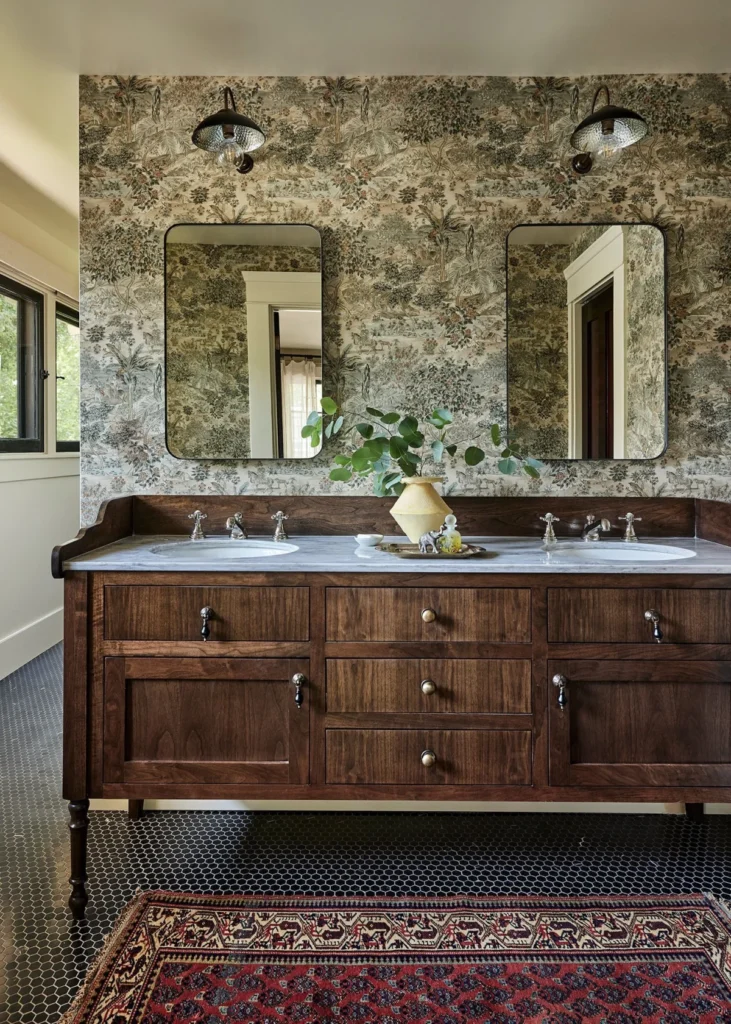

The modern residential bathroom has undergone a significant architectural transformation, evolving from a strictly utilitarian space into a private sanctuary that prioritizes both personal wellness and shared efficiency. Central to this evolution is the double sink vanity, a fixture that has transitioned from a luxury hotel staple to a non-negotiable requirement for many homeowners. By providing separate designated areas for partners and family members, these units address the logistical challenges of shared morning routines while serving as the aesthetic anchor of the primary suite. Beyond the immediate functional benefit of preventing "sink-sharing" conflicts, the contemporary double vanity serves as a critical storage hub and a high-impact design element that can substantially influence property valuation.

The Evolution of the Personal Washstand: A Brief Chronology
The journey toward the modern double vanity began in the late 19th century with the transition from communal washbasins to dedicated indoor plumbing. Initially, the "washstand" was a portable piece of furniture designed to hold a pitcher and basin. As indoor plumbing became standardized in the early 20th century, the vanity became a fixed cabinet, usually featuring a single central sink.
By the mid-1950s, the suburban housing boom in the United States introduced the concept of the "master bathroom," though these spaces were still largely equipped with single sinks. It was not until the 1980s and 1990s, during the era of "McMansions" and the rise of dual-income households, that the double vanity became a symbol of status and convenience. Today, the "his and hers" sink configuration is considered a baseline expectation in the luxury real estate market, with current trends focusing on "sculptural" designs that blend high-performance materials like quartz and marble with artisanal woodwork.

Market Trends and the Rise of the Spathroom
Current data from the National Kitchen & Bath Association (NKBA) indicates that bathroom renovations remain the most popular home improvement project alongside kitchen remodels. A significant driver of this growth is the "Spathroom" trend—a portmanteau of "spa" and "bathroom"—where homeowners seek to replicate the high-end hospitality experience at home.
Interior designers are increasingly moving away from "builder-grade" cabinetry in favor of pieces that look like freestanding furniture. This shift is characterized by the use of solid wood grains, fluted detailing, and curved corners. According to market analysts, the demand for double vanities is projected to grow as multigenerational living becomes more common, necessitating shared bathrooms that can handle higher traffic without sacrificing organizational efficiency.
.jpeg)
Hotel-Inspired Luxury: The High-End Aesthetic
In the upper echelon of bathroom design, the influence of five-star hospitality is unmistakable. The Arhaus Chelsea Double Washstand exemplifies this trend, utilizing burgundy marble—a material that has seen a resurgence in Milanese-inspired palettes. This specific model pairs the deep, red velvet tones of the stone with a stainless steel frame finished in antique brass.
The design philosophy here focuses on "visual airiness." By utilizing glass shelves for storage rather than solid cabinets, the unit prevents a large double vanity from feeling overbearing in a medium-sized room. This style is particularly favored by homeowners who prefer to display high-quality textiles, such as plush Turkish cotton towels, rather than hiding toiletries behind closed doors.
.jpeg)
The Democratization of Design: Minimalist and Contemporary Options
While bespoke luxury remains a key segment, the democratization of high design has allowed more homeowners to access contemporary silhouettes. Brands like IKEA have refined the minimalist, wall-mounted double vanity, such as the ÄNGSJÖN and BACKSJÖN series. These units are designed for modern urban dwellings where space is at a premium.
Wall-mounted, or "floating," vanities are prized for their ability to make a bathroom feel larger by exposing the floor beneath. Technical advancements in drawer organization—such as separated compartments that prevent hair dryers and styling tools from tangling—have made these affordable options highly competitive with custom cabinetry. High-gloss finishes and various oak veneers allow these units to integrate into diverse color schemes, from Scandinavian modern to industrial chic.
.jpeg)
Materiality and Craftsmanship: Wood and Stone Pairings
The selection of materials for a double vanity is a balance between aesthetic appeal and long-term durability. Solid wood pieces are currently the most sought-after, particularly those that showcase natural grain patterns or highlight artisanal craftsmanship.
- Cottagecore and Traditionalism: The Wade Logan Cheyannia Double Vanity represents the "Cottagecore" movement, which emphasizes warmth and whimsy. Featuring an oak finish, scalloped bases, and ceramic crackle glaze knobs, this style appeals to those looking to soften the cold surfaces of a tiled bathroom.
- Mid-Century Modern: The West Elm Mid-Century Double Bathroom Vanity remains a staple for those seeking a timeless look. By pairing white quartz countertops—which are non-porous and more stain-resistant than natural marble—with acorn-finished wood and tapered legs, this design bridges the gap between 1950s nostalgia and modern functionality.
- Art Deco and Fluted Details: Texture has become a primary focus for designers like Sarah Sherman Samuel and brands like Anthropologie. The Isla Double-Bathroom Vanity utilizes fluted wood and rounded corners to create a rhythmic, tactile surface. This "Art Deco" revival relies on brass-finished hardware to provide a sense of "glitz" while maintaining a sophisticated silhouette.
Technical Considerations: Plumbing and Space Requirements
Installing a double vanity is significantly more complex than a single-sink replacement. Standard double vanities typically range from 60 to 72 inches in width. Architects recommend a minimum of 30 to 36 inches of space per person to ensure elbow room and adequate countertop surface for grooming products.
.jpeg)
From a plumbing perspective, a double vanity requires two separate drain lines and two sets of hot and cold water supply lines. In a renovation context, this often requires "opening up" the walls to extend existing plumbing, which can increase labor costs by 20% to 40% compared to a single-sink installation. Furthermore, the weight of double vanities, especially those with heavy Carrara or Dolomite marble tops, requires reinforced flooring or specialized wall anchors for floating models.
Expert Reactions and Industry Implications
Industry experts suggest that the "sculptural" vanity is the final piece of the puzzle in creating a holistic home environment. "The bathroom is no longer just a room where you get ready; it’s a room where you decompress," says one leading interior consultant. "A double vanity that looks like a piece of art—something like the Soho Home Garbo, which uses Golden Dolomite marble and mappa burl veneer—changes the entire energy of the space."
.jpeg)
Real estate professionals also note that the presence of a high-quality double vanity can be a "closer" in home sales. In a competitive market, a primary bathroom that features dual sinks and premium stone countertops can provide a return on investment (ROI) of approximately 60% to 65% of the renovation cost.
Broader Impact on Residential Architecture
The shift toward larger, more elaborate double vanities is influencing how architects design the footprint of new homes. The "split vanity" layout, where two separate single vanities are placed on opposite walls, is also gaining traction as a variation of the double vanity theme, providing even more personal space.
.jpeg)
As we look toward the future of residential design, the bathroom vanity is expected to incorporate even more technology. "Smart vanities" with integrated charging ports, touch-activated lighting, and even refrigerated drawers for skincare products are already entering the luxury market. However, despite these technological advancements, the core appeal remains rooted in the tactile and the visual. Whether it is the vintage-inspired polished nickel of a Pottery Barn Aveline model or the bespoke, horizontally fluted marble of a Soho Home piece, the double vanity continues to stand as the sculptural centerpiece of the modern home.
In conclusion, the selection of a double sink bathroom vanity is a multifaceted decision that impacts daily quality of life, interior aesthetics, and long-term financial value. By choosing pieces that reflect personal style—be it Art Deco, Mid-Century Modern, or Minimalist—homeowners can transform a routine space into a significant architectural statement.