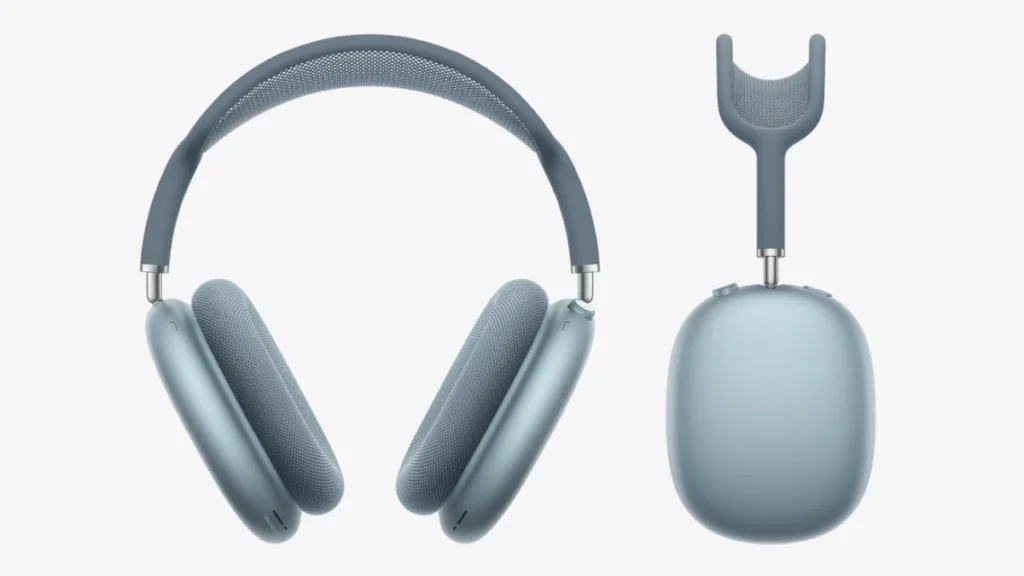

Apple’s highly anticipated second-generation AirPods Max over-ear headphones are currently available at a significant discount on Amazon, priced at $449. This represents a $100 reduction from their standard retail price of $549, making it a compelling offer for consumers eyeing Apple’s premium audio solution. The discount applies universally across all available color variants, providing buyers with flexibility in their choice. This current promotion marks the second-best price reduction observed on the AirPods Max 2 since their release in April, highlighting a notable opportunity for acquisition. The refreshed model introduces several key advancements, including upgraded active noise cancellation capabilities, enhanced sound quality, and the integration of Apple’s advanced H2 chip, which enables features such as adaptive audio and live translation.
The Evolution of Apple’s Premium Audio Strategy
Apple’s foray into the premium over-ear headphone market began with the original AirPods Max, launched in December 2020. Prior to this, Apple had established a dominant position in the true wireless earbud segment with its standard AirPods line, but the high-end over-ear category was largely dominated by established players like Bose and Sony, renowned for their active noise cancellation (ANC) technologies and superior audio fidelity. The original AirPods Max entered this competitive arena with a distinctive design, premium materials, and a focus on seamless integration within the Apple ecosystem. Its initial reception was mixed, with praise for its sound quality and ANC, but some criticism directed at its price point, weight, and the controversial "Smart Case." Despite these points, the AirPods Max carved out a niche, appealing strongly to existing Apple users seeking a high-fidelity audio experience coupled with the convenience of Apple’s device ecosystem.
The introduction of the AirPods Max 2 in April represented Apple’s commitment to refining its premium audio offering, addressing feedback from the first generation, and integrating the latest technological advancements. This second iteration aimed to solidify Apple’s position in the high-end headphone market, offering a compelling upgrade path for existing users and attracting new customers with its enhanced features and performance. The strategic timing of this current discount, mere months after its launch, suggests a dynamic market approach, potentially aimed at boosting adoption rates and maintaining competitive edge against a rapidly evolving landscape of premium audio devices.
Chronology of the AirPods Max 2 Market Journey
The journey of Apple’s premium over-ear headphones began long before the second generation’s official unveiling. The original AirPods Max, released in December 2020, set a high bar for design and integration, laying the groundwork for future iterations. For years leading up to the AirPods Max 2, industry analysts and enthusiasts speculated about potential upgrades, particularly concerning the internal chip, battery life, and charging solutions. Rumors intensified in late 2025 and early 2026, pointing towards a spring release for the next-generation model.
The AirPods Max 2 officially launched in April [inferred 2026], carrying the same initial retail price of $549. Early reviews generally lauded the improvements, especially the enhanced computational audio features enabled by the new H2 chip. Initial sales were robust, reflecting strong consumer interest in Apple’s refreshed premium offering. For the first few months post-launch, discounts were minimal, a typical pattern for new Apple products. The first significant discount emerged approximately two months after release, though its scale was not as substantial as the current Amazon promotion. This current $100 reduction, marking the "second-best discount" since its April debut, indicates a strategic adjustment in pricing, potentially influenced by seasonal sales cycles, competitive pressures, or a desire to broaden market penetration. Such price adjustments are common in the consumer electronics sector, often occurring a few months after a product’s initial release to maintain sales momentum and appeal to a wider segment of the market.
Dissecting the Enhancements: What the H2 Chip Brings
The core of the AirPods Max 2’s advancements lies in the integration of Apple’s H2 chip. This proprietary silicon is a sophisticated audio processor that significantly elevates the headphone’s capabilities beyond simple sound reproduction. In the context of the AirPods Max 2, the H2 chip powers several transformative features:
- Enhanced Active Noise Cancellation (ANC): The H2 chip processes environmental sounds and generates anti-noise waves with greater precision and speed than its predecessor. This results in a noticeable improvement in noise cancellation, particularly in filtering out low-frequency rumble (like airplane engines or bus noise) and mid-range distractions (like office chatter). Users report a more profound sense of quietude, allowing for deeper immersion in audio content or greater focus in noisy environments.
- Adaptive Audio: This groundbreaking feature, enabled by the H2 chip, intelligently blends Transparency mode and Active Noise Cancellation based on the user’s environment. It dynamically adjusts the level of noise cancellation or transparency, for example, reducing the volume of sudden loud noises while still allowing awareness of important sounds like announcements. This creates a more seamless and less jarring listening experience, adapting to the user’s surroundings without manual input.
- Live Translation: A novel application of the H2 chip’s processing power, live translation allows for real-time language conversion directly through the headphones. While specifics on its full implementation and supported languages are still evolving, this feature holds immense potential for travelers, international business professionals, and anyone engaging in cross-cultural communication, effectively turning the AirPods Max 2 into a personal, portable interpreter.
- Improved Transparency Mode: Beyond adaptive audio, the standard Transparency mode has also seen improvements. The H2 chip processes external sounds more naturally, making it feel less like listening through a microphone and more like the user isn’t wearing headphones at all, crucial for situational awareness.
- Spatial Audio with Dynamic Head Tracking: While not entirely new to Apple’s audio lineup, the H2 chip refines Spatial Audio, providing an even more immersive, theater-like listening experience. Dynamic head tracking ensures that sounds remain anchored to the device, even as the user moves their head, creating a three-dimensional soundstage that enhances movies, music, and gaming.
- Enhanced Sound Quality: The H2 chip works in conjunction with custom-built drivers to deliver a richer, clearer, and more detailed audio profile. It enables advanced computational audio algorithms that optimize sound in real-time, correcting for perceived imperfections and ensuring a balanced frequency response across various music genres. The result is a more vibrant and nuanced listening experience, appealing to audiophiles and casual listeners alike.
Beyond the H2 chip, other subtle improvements in the AirPods Max 2 likely include refinements to Bluetooth connectivity for greater stability and lower latency, as well as potential optimizations for battery management, though official specifications on battery life remain consistent with the first generation, offering up to 20 hours of listening time with ANC and Spatial Audio enabled. The design largely remains the same, maintaining the premium aluminum earcups, breathable mesh headband, and memory foam ear cushions that contribute to its distinctive aesthetic and comfort.
Competitive Landscape and Market Implications
The premium over-ear headphone market is fiercely competitive, with several established players vying for consumer attention. The primary alternative mentioned, the Bose QuietComfort Ultra (2nd Gen), priced at $369, represents a formidable competitor. Bose has long been synonymous with industry-leading active noise cancellation, and their latest QuietComfort Ultra series continues this tradition, often praised for its comfort, portability, and effective noise-cancelling capabilities. Similarly, Sony’s WH-1000XM series (currently the XM5) offers exceptional ANC, superb sound quality, and a comprehensive feature set at a competitive price point, frequently retailing below the AirPods Max 2. Other contenders include Sennheiser’s Momentum series, Bowers & Wilkins, and various audiophile-grade brands.
At its original $549 price, the AirPods Max 2 stood as one of the most expensive options in the premium consumer segment. This positioned it as a luxury item, primarily targeting dedicated Apple ecosystem users willing to pay a premium for seamless integration and Apple’s distinctive design philosophy. The current $449 discount significantly alters its value proposition, bringing it closer to the price points of its direct competitors, particularly when they are also on sale. This pricing adjustment makes the AirPods Max 2 a more attractive option for a broader range of consumers who might have previously been deterred by the higher cost.
Implications of the Discount
The $100 discount on the AirPods Max 2 carries several implications for consumers, Apple, and the broader market:
- For Consumers: This deal presents a prime opportunity to invest in Apple’s flagship over-ear headphones at a more accessible price. For those who prioritize deep integration with their iPhone, iPad, and Mac devices, along with cutting-edge features like adaptive audio and live translation, the AirPods Max 2 now offers enhanced value. The availability across all color variants also means consumers don’t have to compromise on aesthetics for the sake of the deal.
- For Apple: While Apple itself rarely comments on specific retailer discounts, such promotions are common strategies within the consumer electronics market to stimulate demand, manage inventory, and respond to competitive pressures. A discount so soon after launch could indicate a strategy to accelerate market penetration for the second generation, ensuring it gains traction against strong rivals. It might also be a tactic to clear existing stock ahead of potential future product cycles or larger seasonal sales events. It’s also possible that Apple is leveraging its retail partners like Amazon to drive sales without directly adjusting its own advertised price, maintaining the premium perception of the product.
- For Retailers: For Amazon, offering such a significant discount on a high-demand Apple product is a powerful way to drive traffic to its platform and bolster its electronics sales. Competitive pricing on popular items is a key strategy for major online retailers to maintain market share and attract new customers.
- Broader Market Impact: This pricing adjustment could intensify competition within the premium headphone segment. Rivals like Bose and Sony may feel pressure to offer similar or even deeper discounts on their flagship models to remain competitive. This ultimately benefits consumers, as increased competition often leads to more aggressive pricing and greater innovation.
Official Responses and Industry Analysis
While Apple and Amazon have not issued official statements specifically regarding this particular discount, industry analysts widely acknowledge the dynamic nature of pricing in the consumer electronics sector. Market observers suggest that such strategic price adjustments are a natural part of a product’s lifecycle, especially for premium items introduced into a crowded market. Analysts from firms like IDC and Counterpoint Research frequently highlight the importance of competitive pricing, robust feature sets, and strong ecosystem integration as key drivers for success in the wearables market.
Consumer feedback, widely available through online reviews and tech forums, consistently praises the AirPods Max 2 for its audio fidelity, improved noise cancellation, and the innovative H2-chip-enabled features. The primary barrier to entry often cited by potential buyers has been the premium price. Therefore, a $100 reduction is likely to be met with positive consumer reception, potentially translating into increased sales volume.
Purchasing Considerations and Future Outlook
For individuals considering the AirPods Max 2, the current Amazon deal presents a compelling argument for purchase. It offers a significant saving on a device that delivers top-tier audio performance, industry-leading active noise cancellation, and seamless integration with the Apple ecosystem, all enhanced by the innovative H2 chip. Prospective buyers should be aware that such significant discounts on Apple products, especially relatively new ones, are often time-limited or subject to stock availability. Therefore, prompt action may be advisable for those interested.
While the AirPods Max 2 are a strong contender, the Bose QuietComfort Ultra (2nd Gen) remains a viable and more affordable alternative at $369, especially for users who prioritize extreme comfort and class-leading noise cancellation without being exclusively tied to the Apple ecosystem. Consumers are encouraged to consult comprehensive guides on the best overall AirPods deals and general headphone deals currently available to make an informed decision based on their specific needs, budget, and desired feature set. The sustained competition in the premium audio market promises continued innovation and, periodically, attractive pricing opportunities for consumers seeking the pinnacle of personal sound technology.