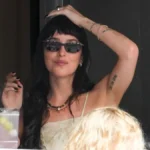

The landscape of K-pop fandom culture often navigates a delicate intersection between enthusiastic support and intense digital scrutiny, where public figures find their personal lives subjected to granular analysis across social media platforms. Recently, Nicholas, a prominent member of the multinational boy group &TEAM, became the target of unverified dating rumors propagated by anonymous online accounts. The allegations, which surfaced across various digital spaces including X (formerly Twitter) and Instagram, claimed that the idol was involved in a romantic relationship with a non-celebrity individual. However, an examination of the circulating claims reveals a heavy reliance on circumstantial speculation, fragmented evidence, and heavily editorialized narratives that have since been thoroughly dismantled by the fandom.
The Genesis of the Allegations and Chronology of Events
The narrative began to take shape in early September 2026, when an anonymous user began publishing a series of posts claiming to expose a hidden romance between Nicholas and an unidentified non-celebrity. Over a span of several weeks, the account introduced various pieces of purported "evidence." These included allegations of "couple items"—a common trope in online celebrity gossip where matching accessories or clothing are cited as proof of a relationship—alongside claims of parallel social media activity, such as matching emojis used in captions, colloquially referred to by fans as "lovestagrams."
As the weeks progressed, the nature of the claims escalated into increasingly psychological territory. By mid-September, the user attempted to link Nicholas’s public demeanor during professional schedules to his alleged personal life. In one particularly far-fetched post, the account contrasted the idol’s facial expressions during Korean television appearances and MC gigs with his demeanor at the airport prior to departing for Japan. The poster alleged that Nicholas appeared visibly discontent or weary while fulfilling his professional duties in South Korea, but dramatically shifted into a joyous mood solely because he was anticipating a reunion with his supposed partner in Tokyo. Further "proof" cited by the account involved a digital footprint: an Instagram account purportedly belonging to the non-celebrity in question had liked a video featuring the &TEAM member.
Public Skepticism and Fandom Backlash
Despite the extensive compilation of screenshots and comparative photo grids shared by the rumor-spreading accounts, the broader community and dedicated &TEAM supporters—collectively known as Luné—met the claims with immediate and vocal skepticism. Fans pointed out the absurdity of diagnosing an idol’s internal emotional state based on selectively cropped photographs taken moments apart on the same day.
In response to the circulating posts, astute fans published side-by-side analyses of public appearances, noting instances where Nicholas appeared cheerful and engaged during South Korean schedules, alongside airport transit photos where he maintained a neutral or low-profile expression—standard behavior for artists navigating high-traffic travel hubs. One prominent fan-led critique highlighted the fundamental flaw in the accuser’s methodology: "Bring me photos from the exact same day. In Photo 1, he kept smiling and greeting people, while in Photo 2, the moment he entered the airport, he pulled his hat down and had a blank expression. Please make up a whole storyline for that too!"
Furthermore, dedicated community members exposed the identity and history of the account behind the rumors, noting a documented pattern of malicious behavior. Investigations by fans revealed that the individual operating the rumor account had previously targeted Nicholas across multiple platforms, harbor-ing a documented bias against the artist. Reports also surfaced indicating that the non-celebrity individual wrongfully dragged into the narrative had previously called out the same account for fabricating falsehoods and spreading targeted misinformation.
The Broader Context of K-Pop Rumor Culture

The incident involving Nicholas highlights a recurring vulnerability within the contemporary entertainment industry, where cross-border fanbases navigate the complexities of localized gossip forums. &TEAM, managed by HYBE Labels Japan, operates across both the Japanese and South Korean music markets, exposing the members to diverse media ecosystems and digital scrutiny from multiple regional fan communities.
Celebrity privacy and the weaponization of social media metrics have long been pressing concerns for artist management agencies. The practice of scrutinizing digital engagement—such as likes, follows, and emoji choices—often leads to unwarranted invasions of privacy for both idols and ordinary private citizens who happen to cross paths with the entertainment sphere. In this instance, the inclusion of a non-celebrity private citizen prompted swift calls for action from the fandom, emphasizing the potential real-world harm caused by coordinated online harassment.
Fandom Mobilization and Collective Defense
As the rumors gained traction within certain algorithmic niches, the fan response quickly pivoted from mere skepticism to a coordinated defense campaign. Prominent fan accounts and community coordinators mobilized across X and other platforms, urging users to formally report the source accounts for spreading misinformation, harassment, and malicious content.
Hashtags and advisory posts circulated widely within the fandom, reminding supporters not to engage with or amplify the false claims, but rather to report the violating accounts to platform administrators. The consensus among the community was clear: both Nicholas and the non-celebrity individual targeted by the malicious actor deserved protection from unwarranted digital intrusion and fabricated narratives.
Implications for Artist Protection and Agency Responsibilities
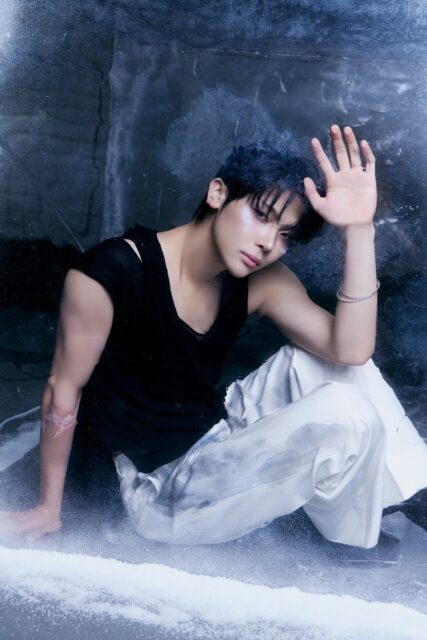
While entertainment agencies frequently issue warnings regarding legal action against malicious commenters, the rapid velocity of modern social media rumor mills often places the immediate burden of defense on the fanbase. Incidents of this nature underscore the ongoing necessity for robust monitoring and protective measures by management companies to safeguard artists from targeted defamation and psychological strain caused by persistent online campaigns.
As the noise surrounding the September 2026 rumors begins to subside, the episode stands as a case study in the resilience of K-pop fan communities against coordinated misinformation. By utilizing critical analysis, holding bad-faith actors accountable, and prioritizing the welfare of both the artist and uninvolved private individuals, the fanbase successfully neutralized an unfounded narrative, reaffirming the importance of factual integrity in digital spaces.