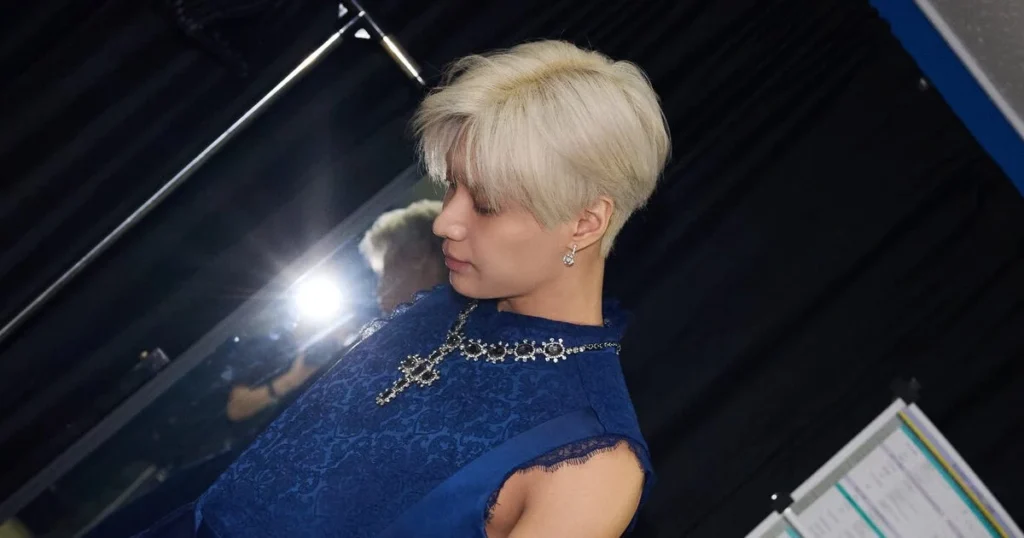

The global K-pop community was dealt a significant blow when management for SHINee member Taemin announced the indefinite postponement of the North American leg of his highly anticipated world tour, titled LiMiNaL. The sudden disruption, driven by bureaucratic bottlenecks and unexpected administrative hurdles within the United States immigration system, has left thousands of concertgoers empty-handed, tour organizers scrambling, and prominent industry analysts criticizing the mounting friction international artists face when attempting to bring large-scale productions stateside.
The announcement, released via official social media channels and fan community platforms, explicitly pointed to persistent, unresolved delays in the processing of essential U.S. visas. These administrative logjams directly affected pivotal touring and production personnel, making it impossible for the management team to guarantee the seamless execution of the scheduled shows. Consequently, organizers made the difficult choice to cancel the current itinerary entirely, committing to full ticket refunds while promising to establish a new timeline and secure alternative venues once the bureaucratic hurdles are cleared.
Background and Context of the LiMiNaL World Tour
The LiMiNaL world tour represents a major milestone in Taemin’s storied career as a solo artist. Following years of success as a core member of SHINee—one of South Korea’s most enduring and musically innovative second-generation groups—and an illustrious solo discography defined by avant-garde choreography and theatrical pop concepts, Taemin embarked on this expansive global trek to showcase his artistic evolution.
North American stops are traditionally a cornerstone of major K-pop world tours, serving as both a lucrative market and a vital cultural bridge for international fan bases. To ensure the highest production standards for LiMiNaL, Taemin’s agency partnered with heavyweight promoters, including AEG, and aligned with management teams boasting extensive experience in orchestrating U.S. arena tours. Despite these robust institutional structures and experienced logistical teams, the entire operation collided with systemic challenges intrinsic to the contemporary U.S. visa acquisition framework.
The Mechanics of Visa Bottlenecks for Touring Artists
The postponement highlights a growing, systemic crisis plaguing the international entertainment sector regarding U.S. work visas. P-1 and O-1 visas, which are typically required for foreign performing artists, athletes, and their essential support personnel—including lighting directors, audio engineers, choreographers, and stylists—have faced unprecedented scrutiny and processing delays in recent years.
Immigration attorneys and entertainment industry advocates have frequently noted that backlogs at United States Citizenship and Immigration Services (USCIS) service centers, coupled with stringent evidentiary requirements, have turned routine applications into high-stakes gambles. Even when petitions are filed months in advance, administrative processing times often stretch far beyond projected deadlines. In Taemin’s case, the uncertainty surrounding key production staff made moving forward untenable. Without the full complement of specialized personnel required to mount a complex arena show, proceeding would have risked compromising the safety, quality, and artistic integrity of the performances.
Industry Reactions and Commentary
The abrupt cancellation immediately galvanized reactions across social media, drawing sharp critiques from music journalists, fan organizations, and industry insiders alike. Billboard K-pop columnist Jeff Benjamin took to public platforms to express disbelief at the systemic failures plaguing the American immigration apparatus, pointing out that even with top-tier backing from promoters like AEG and an experienced agency at the helm, the external environment remains hostile to efficient cultural exchange.
"The incompetence from the U.S. government has truly taken things too far at this point," Benjamin wrote, highlighting that having robust financial and logistical backing is no longer a shield against bureaucratic paralysis. "Having AEG supporting this tour + a new agency who already have a U.S. arena tour under their belt shows that the visa situation is truly awful in America."
Fan-run informational hubs, such as the SHINee USA network, also voiced the immediate shock felt by the community. Organizers shared that localized fan projects, meet-ups, and charity initiatives painstakingly planned over the course of several months now hang in the balance. Representatives urged the community to exercise patience while administrative teams reassess their strategies and determine the feasibility of reviving the North American schedule once immigration timelines become predictable.

Broader online discourse revealed that Taemin’s predicament is far from an isolated incident. Observers drew parallels to similar administrative disruptions faced by Western digital creators, independent musicians, and theatrical acts, such as British internet personalities Dan and Phil, who were forced to reschedule initial tour dates earlier in the year due to delayed visa approvals. The common thread across these disparate sectors points to an increasingly rigid and sluggish immigration infrastructure that struggles to accommodate the fast-paced, highly mobile demands of the modern entertainment economy.
Economic and Cultural Implications
The postponement of the LiMiNaL tour carries tangible economic repercussions. Beyond the immediate logistical fallout of issuing full ticket refunds, local venues, hospitality businesses, and travel providers in major North American metropolitan areas stand to lose millions of dollars in expected consumer spending. K-pop tourism is a notoriously high-yield economic driver, with fans frequently traveling across state and international lines, booking hotels, and patronizing local dining establishments.
Culturally, the disruption underscores the growing fragility of international touring logistics. As the global popularity of Korean popular music continues to expand, the ability to seamlessly transport personnel across borders is vital to sustaining soft power and bilateral cultural exchange. When administrative red tape halts high-profile tours, it not only frustrates consumers but also imposes steep financial burdens on independent agencies and artists who must absorb the costs of rescheduling, venue re-booking, and canceled freight shipments.
Looking Ahead: What Comes Next for Taemin and His Fans
As management works to untangle the administrative backlog, no definitive dates have been provided for the rescheduled North American leg of the LiMiNaL tour. Organizers have assured ticket holders that automatic refunds will be processed through official ticketing vendors, minimizing the administrative burden on individual consumers.
Meanwhile, Taemin’s supporters have mobilized online, channeling their frustration into solidarity with the artist and his production crew. While the immediate future of the U.S. tour remains shrouded in uncertainty, the demand for Taemin’s live performances remains undiminished. The episode serves as a stark reminder of the external forces that artists must navigate in a globalized industry, where international success is frequently dictated not just by artistic talent or commercial backing, but by the unpredictable whims of bureaucratic machinery.