

The landscape of the South Korean music industry is often defined by the delicate balance between an artist’s personal creative vision and the strategic branding decisions made by their management agencies. This tension has recently come to the forefront of public discourse following the announcement of SEVENTEEN member Dino’s upcoming solo debut. Dino, the youngest member of the world-renowned 13-member group under Pledis Entertainment, is scheduled to release his first mini-album, titled Gilboard. However, the project is not being marketed under his birth name or his established stage name, but rather through his comedic alter ego, Pi Cheolin. The decision has ignited a polarized reaction within the SEVENTEEN fandom, known as CARAT, prompting Dino to personally address the concerns of his supporters.
The controversy centers on the nature of the Pi Cheolin character, a fictional persona that originated within SEVENTEEN’s highly successful variety web series, Going SEVENTEEN. Pi Cheolin is portrayed as the eccentric, trot-loving head of a fictional entertainment agency called BOMG. While the character has been a staple of the group’s comedic content and is widely beloved in the context of variety entertainment, many fans have expressed disappointment that Dino’s official entry into the solo music market is being framed through a satirical lens. The backlash intensified following a recent interaction where Dino revealed the origins of the project, leading to a broader debate regarding artist autonomy and the long-term career trajectory of K-pop idols.
The Genesis of Pi Cheolin and the Solo Announcement
To understand the current friction, one must look at the evolution of Dino as a performer. Since SEVENTEEN’s debut in 2015, Dino has been a core member of the group’s Performance Team, earning a reputation as one of the industry’s most technically proficient dancers and a capable rapper and vocalist. For years, fans have anticipated a solo debut that would showcase his "Dino-style" artistry—an identity built on sharp choreography, modern pop-R&B influences, and serious musicality. This expectation was bolstered by the release of his solo mixtape, "Wait," in late 2023, which offered a mature, sophisticated sound that aligned with his image as a premier performer.

However, the announcement of Gilboard took a starkly different direction. The album is centered entirely around Pi Cheolin, a character defined by humor, "heung" (a Korean concept of joyful excitement), and a visual aesthetic that parodies older generations of Korean entertainment executives. The title Gilboard itself is a play on words, blending the Korean word "gil" (road) with "Billboard," signaling a trot-inspired, folk-pop approach that contrasts sharply with the contemporary idol music Dino typically performs.
The announcement was met with immediate skepticism on social media platforms such as X (formerly Twitter) and Weverse. Many fans argued that while Pi Cheolin is an entertaining character for variety content, using the persona for a formal solo debut risks pigeonholing Dino as a "gag idol" rather than a serious solo artist. The concern is rooted in the "opportunity cost" of solo debuts; in the highly competitive K-pop market, an artist may wait years for a solo project, and fans fear that a comedic debut may delay or overshadow Dino’s chances of establishing a serious solo brand.
Dino’s Personal Clarification and Fan Reactions
In an effort to bridge the gap between his artistic choices and fan expectations, Dino recently spoke about the project during a live interaction. A clip of this discussion circulated widely, providing insight into the internal decision-making process at Pledis Entertainment. Dino revealed that the concept for a Pi Cheolin-led album was not his original idea but was a proposal brought to him by the company.
"I received the suggestion for this album from the company," Dino stated, acknowledging the initial surprise he felt regarding the pitch. He admitted to a lengthy period of hesitation, noting that he spent approximately six months deliberating on whether to move forward with the persona for a formal music release. During this time, he described "running simulations" in his head to visualize how such a debut would be received and how it would impact his identity as a singer.

Dino’s explanation aimed to reassure fans that the decision was not made lightly. He framed the project as a strategic move to "broaden the spectrum" of his career. He argued that, looking at his career in the long run—spanning decades rather than just a few years—taking on a unique and challenging project like Pi Cheolin would demonstrate his versatility. "I thought a lot about how I could do things that other people had not done or could not do," he explained, emphasizing his determination to succeed in this unconventional "challenge."
However, this response had the unintended effect of further upsetting a segment of the fandom. For many, the revelation that Dino spent six months weighing the idea suggested that he may have been pressured by the agency to accept a concept he was not initially comfortable with. Critics of Pledis Entertainment pointed to this as evidence of the company prioritizing a "gimmick" over the artist’s established strengths. The sentiment among these fans is that the company should have invested in a debut that highlighted Dino’s dancing and vocal prowess, rather than capitalizing on a character that already has significant exposure through free variety content.
Contextualizing the Trot Trend and Alter Ego Marketing
The decision by Pledis Entertainment to lean into the Pi Cheolin persona can be analyzed through the lens of current trends in the South Korean music market. In recent years, the "trot" genre—a traditional form of Korean pop music—has experienced a massive resurgence, largely driven by televised audition programs. This revival has made trot-adjacent music a lucrative market, appealing to both older demographics and younger fans who appreciate the genre’s nostalgia and high energy.
Furthermore, the use of "alter egos" or "sub-characters" (known as bukkae in Korean) has become a dominant trend in Korean entertainment. Comedians and idols alike have successfully launched music careers by adopting fictional personas that allow them to explore genres outside of their primary brand. A notable example is SEVENTEEN’s own sub-unit, BSS (BooSeokSoon), consisting of members Seungkwan, DK, and Hoshi. BSS utilizes a high-energy, slightly comedic concept that has seen immense commercial success, proving that SEVENTEEN fans are generally receptive to humor-infused music.

The distinction, however, lies in the fact that BSS is a sub-unit, whereas Gilboard is being viewed as Dino’s primary solo debut. While BSS serves as a fun diversion from the main group’s activities, fans feel that Dino’s first solo mini-album carries the weight of defining his individual legacy. By choosing Pi Cheolin, Pledis may be attempting to capture the "viral" potential of character-driven marketing, but in doing so, they have touched upon a sensitive nerve regarding how an idol’s professional dignity is managed.
Timeline of Events Leading to the Debate
To provide a clearer picture of the situation, the following chronology outlines the development of this controversy:
- 2021–2023: The character Pi Cheolin is introduced and refined through several episodes of Going SEVENTEEN. The character becomes a fan favorite for his witty dialogue and satirical take on the music industry.
- November 2023: Dino releases the digital single "Wait." The song and music video receive critical acclaim for their sleek production and choreography, establishing a "serious artist" benchmark for his solo work.
- Early 2024: Internal discussions at Pledis Entertainment begin regarding Dino’s first official physical solo album. According to Dino, he deliberates on the Pi Cheolin concept for six months.
- May 2024: Pledis Entertainment officially announces the release of Gilboard by Pi Cheolin. Promotional materials feature the character in trot-inspired attire, sparking immediate fan debate.
- May 31, 2024: A fan-shared video of Dino explaining the company’s role in the concept goes viral. The hashtag "Pledis" and "Dino" trend as fans express a mix of support for the artist and frustration with the management.
Institutional Implications and the Artist-Agency Relationship
The backlash against Gilboard highlights a recurring theme in K-pop: the tension between corporate strategy and fan expectations. Pledis Entertainment, as a subsidiary of HYBE, operates within a framework that prioritizes brand expansion and multi-platform content. From a corporate perspective, Pi Cheolin is a "proven" IP (Intellectual Property) with high engagement. Developing an album around this character is a lower-risk investment than building a new solo brand from scratch, as the character already has a built-in audience.
However, the "idol" model relies heavily on the emotional investment of fans in the artist’s personal growth and "authentic" self. When fans perceive a mismatch between an artist’s talent and their promotional concept, it leads to a breakdown in trust. The fact that Dino felt the need to explain his "determination" and "six months of thought" suggests that even the artist was aware of the potential for a negative reaction.
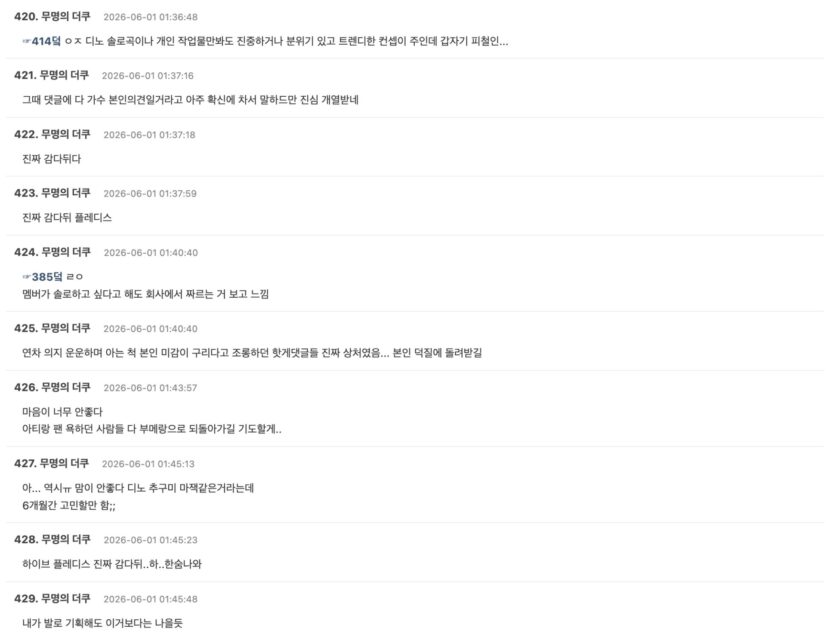
This incident also raises questions about the creative agency of senior idols. As a member of a group that is now nearly a decade into its career, Dino is expected to have a significant say in his solo endeavors. If the perception persists that the company is "forcing" a comedic image onto a serious performer, it could affect the brand loyalty of the fandom. Conversely, if Gilboard becomes a commercial success, it may validate the company’s "spectrum-broadening" strategy and pave the way for more experimental, character-based solo projects in the future.
Broader Impact on the K-pop Industry
The outcome of Dino’s debut as Pi Cheolin will likely be monitored by other major entertainment agencies. If the project manages to transcend its comedic roots and deliver high-quality music that fans can respect, it could redefine how "alter ego" debuts are handled. If the backlash continues to grow, it may serve as a cautionary tale for agencies about the risks of prioritizing variety-show popularity over an idol’s core musical identity.
As the release date for Gilboard approaches, the focus remains on Dino’s ability to balance the humor of Pi Cheolin with the high standards of performance that CARATs expect. While the debate over the concept remains heated, the consensus among fans is a desire for Dino to succeed, regardless of the persona he adopts. Whether Gilboard is remembered as a brilliant subversion of the solo debut format or a missed opportunity for a rising star will depend on the musical quality of the album and Dino’s ability to make the character his own. For now, the industry watches as one of SEVENTEEN’s most talented members embarks on a "challenge" that has proven to be as controversial as it is unique.