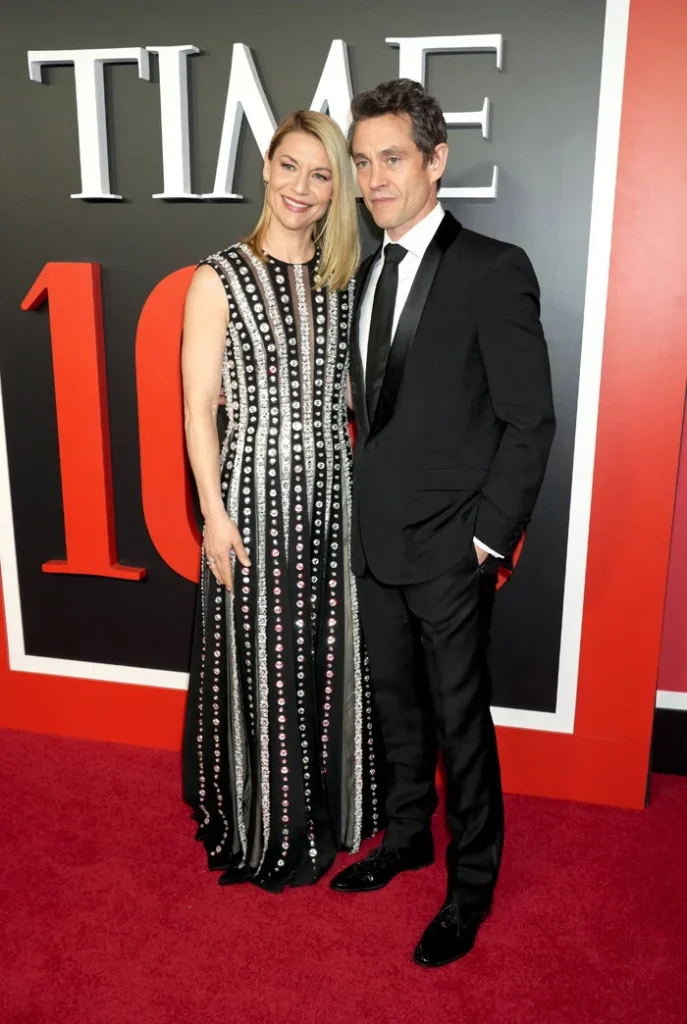

The 2026 TIME100 Gala, held at the Frederick P. Rose Hall at Jazz at Lincoln Center in New York City, served as a premier intersection of global influence and high fashion, celebrating the individuals named to TIME magazine’s annual list of the world’s most influential people. As an event that traditionally bridges the gap between politics, activism, science, and the arts, the gala’s red carpet has become a significant barometer for contemporary formal wear. The 2026 iteration was characterized by a distinct tension between classic Hollywood glamour and a resurgence of late-1990s silhouettes, alongside a heavy reliance on established luxury houses such as Prada, Valentino, and Saint Laurent.
Context and Significance of the TIME100 Gala
Since its inception, the TIME100 list has evolved from a purely editorial ranking into a multi-platform cultural phenomenon. The accompanying gala serves not only as a celebration of the honorees but also as a high-stakes networking event for the global elite. For fashion houses, the event offers a unique marketing opportunity: dressing a "Titan" or a "Pioneer" provides a different level of prestige than dressing a standard red-carpet celebrity. In 2026, the economic impact of the gala remained substantial, with social media engagement metrics for red-carpet arrivals estimated to reach over 150 million impressions within the first 24 hours.
The event’s chronology typically begins with late-afternoon arrivals, where the "Step and Repeat" process allows photographers and fashion analysts to document the sartorial choices of the attendees. This is followed by a cocktail reception and a formal dinner featuring speeches from selected honorees and musical performances. The 2026 gala saw a notable shift toward "purposeful dressing," where several attendees chose garments that reflected their public personae or the specific categories of influence they represented.
Menswear Trends: From Classicism to Retro-Revival
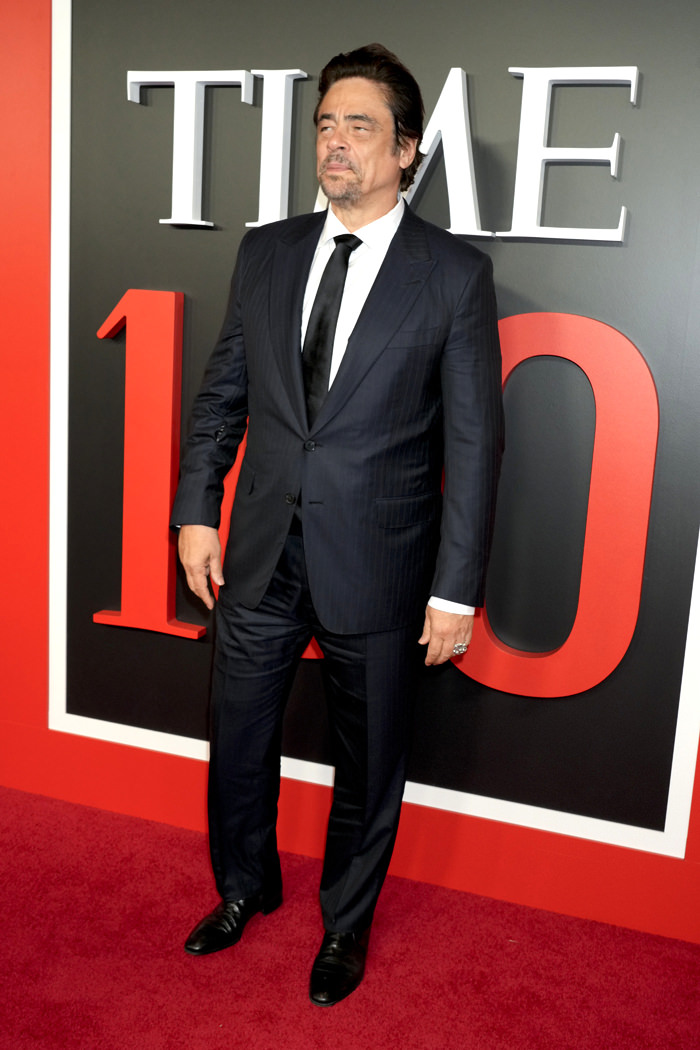
Menswear at the 2026 TIME100 Gala was defined by a split between traditional tailoring and experimental proportions. Wagner Moura, attending in Dunhill, was widely cited by fashion analysts for his "impeccable" execution of the classic tuxedo. Observers noted that Moura’s look surpassed the tailoring seen during his previous award season campaigns, signaling a return to precision in fit and finish. Similarly, Benicio del Toro opted for a professional and dignified aesthetic, reinforcing the gala’s reputation as an event that demands a certain level of gravitas.
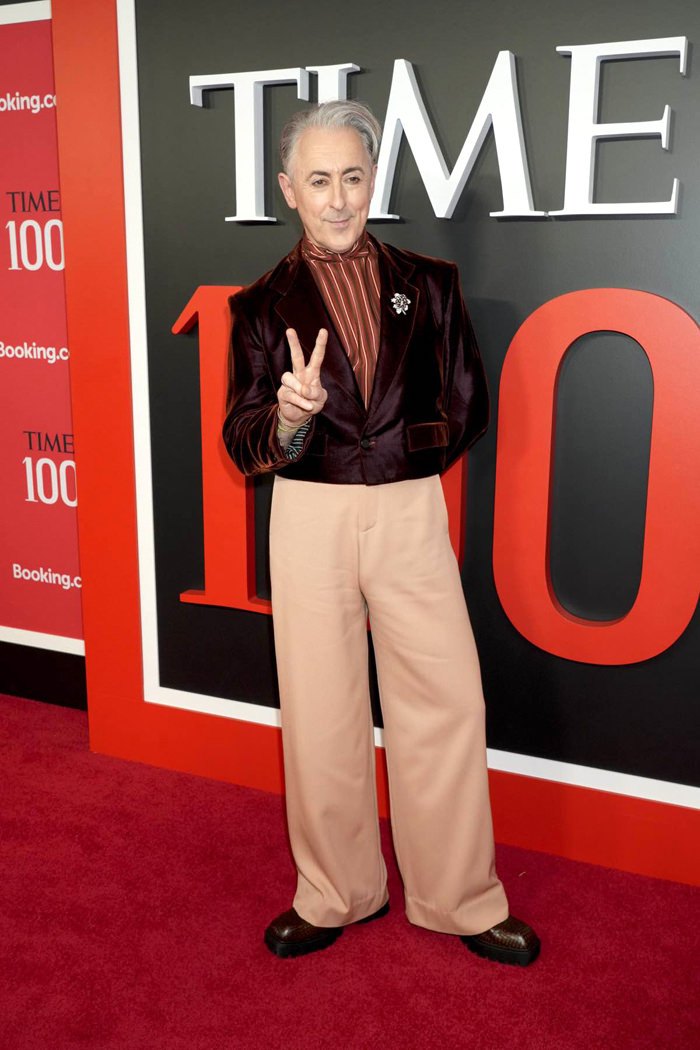
In contrast, Alan Cumming’s appearance highlighted a growing trend in "retro-revivalism." His ensemble featured proportions reminiscent of 1997 menswear, characterized by broader cuts and specific lapel widths that diverged from the slim-fit dominance of the previous decade. While some critics viewed the proportions as a nostalgic misstep, others saw it as a deliberate nod to the cyclical nature of fashion. Noah Wyle, dressed in Brunello Cucinelli, occupied the middle ground; however, analysts pointed out that even high-end tailoring requires meticulous "zhuzhing"—a term used by stylists to describe the final adjustments of a garment’s drape—noting that Wyle’s trousers and jacket fit required more attention to detail to achieve a truly polished silhouette.
The Dominance of Major Fashion Houses
High-profile actresses and public figures utilized the 2026 gala to showcase the current directions of major European design houses. Claire Danes appeared in a Prada gown that combined "boho-glam" elements with the structural integrity the Italian house is known for. The choice was viewed as a successful alignment of brand identity and personal style, catering to Danes’ established aesthetic of effortless sophistication.
Zoe Saldaña’s choice of Givenchy sparked a discussion regarding the role of embellishment in modern evening wear. Her dress featured extensive lace trim, a detail that transformed what would have otherwise been a minimalist silhouette. Fashion historians noted that the 2026 Givenchy collection appeared to be leaning heavily into textural contrasts to differentiate its pieces in an increasingly crowded luxury market.
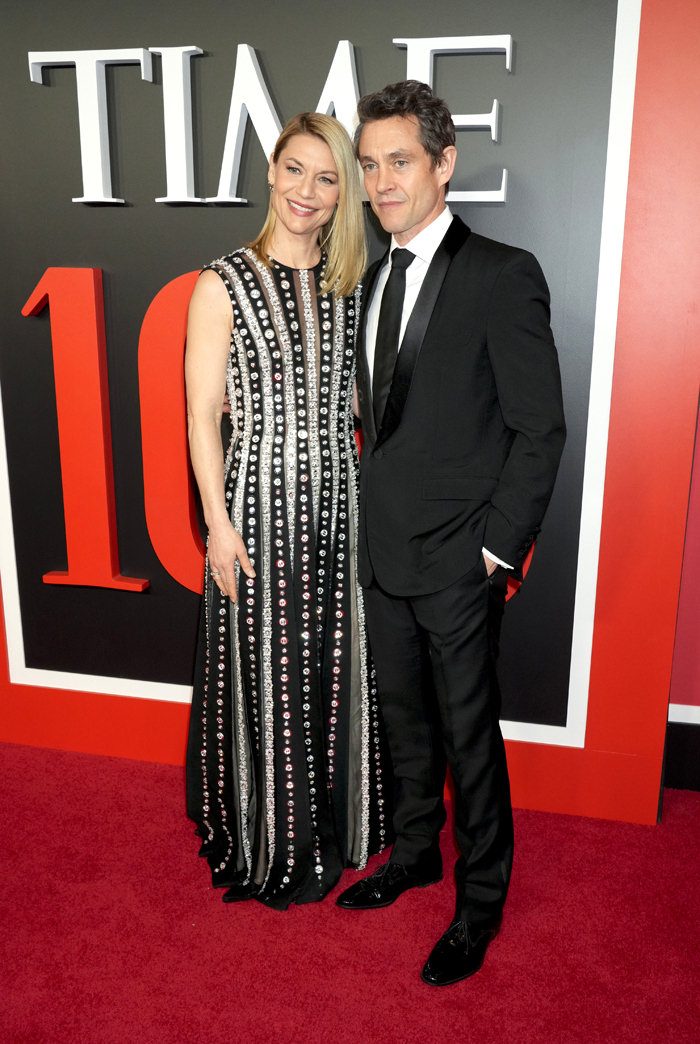
Hailey Bieber, representing the "Icon" or "Titan" categories often found on the TIME100 list, wore a Saint Laurent piece that balanced the brand’s penchant for sheer fabrics with the requirements of a prestigious, multi-generational event. Industry insiders suggested that Bieber’s gown was specifically lined for the occasion, reflecting a strategic move by Saint Laurent to adapt its more provocative runway looks for the formal atmosphere of a high-profile gala.
The "Cape and Corset" Fatigue: A Shift in Red Carpet Aesthetics
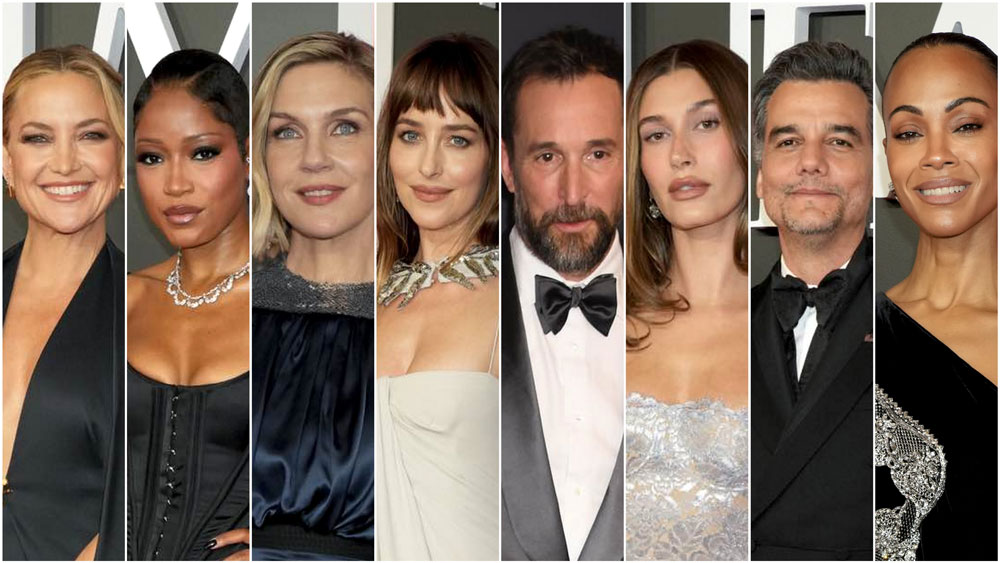
A significant portion of the 2026 red carpet was dedicated to two recurring trends: the dramatic cape and the structural corset. Dakota Johnson’s appearance in Valentino featured a gown with an integrated cape, a silhouette that has dominated galas for several seasons. While the look was described as elegant and dramatic, analysts noted a sense of "trend fatigue," suggesting that the cape may have reached its saturation point in the fashion cycle. Furthermore, the fit of Johnson’s gown—specifically how low it sat on the frame—led to debates regarding the balance between avant-garde tailoring and flattering proportions.
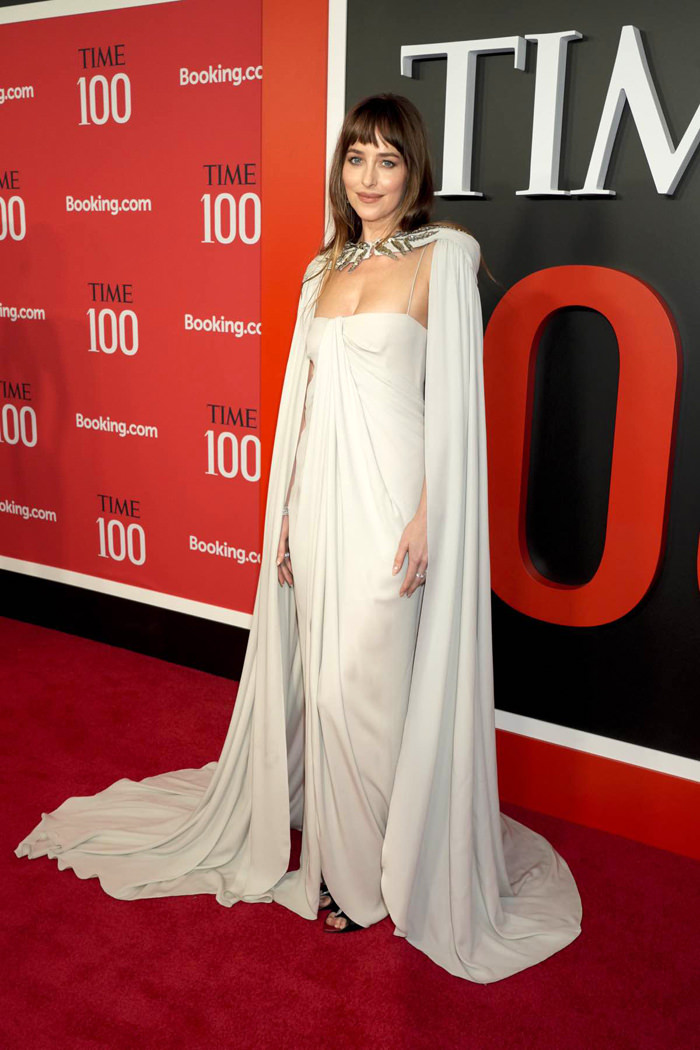
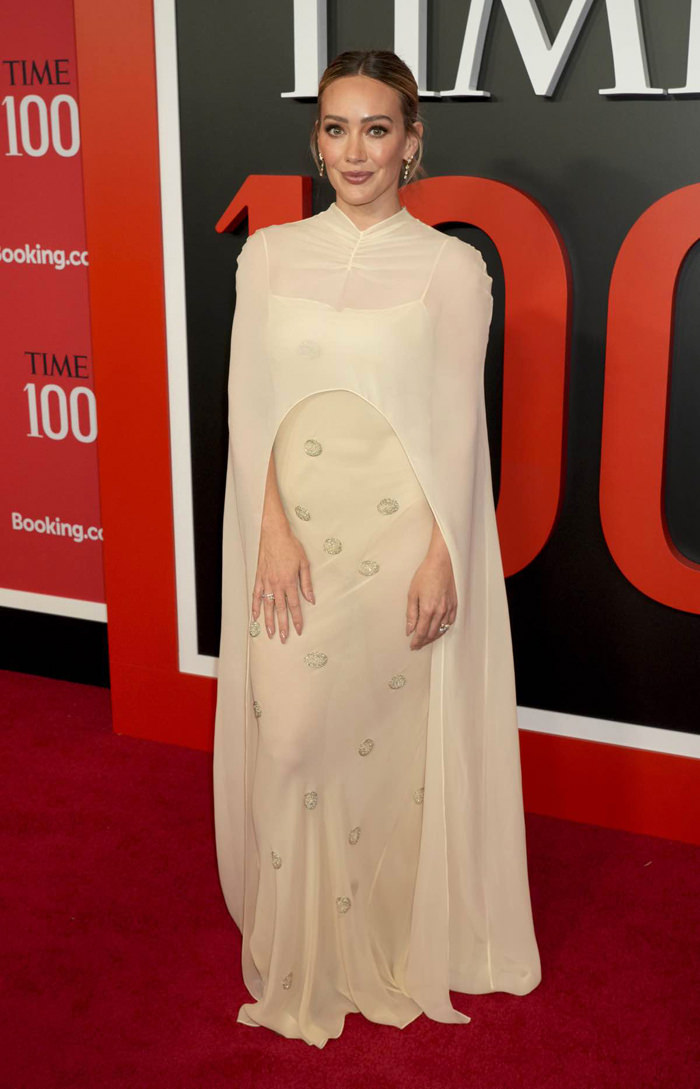
Hilary Duff, wearing Anna October, also leaned into the cape trend, though her choice was notable for its use of "non-color" or neutral palettes, which surprisingly complemented her styling. Keke Palmer, however, represented the other major trend of the evening: the corset bodice. Her Wiederhoeft ensemble utilized rigid structural elements that have become a hallmark of the designer’s work. While corsetry remains a popular choice for red carpets due to its ability to create a defined silhouette, critics at the 2026 gala suggested that the industry might be ready for more fluid, less restrictive forms.
Experimental Minimalism and Severe Tailoring
Two of the most discussed looks of the evening belonged to Kate Hudson and Rhea Seehorn, both of whom opted for departures from their traditional styles. Hudson, typically known for "boho" or "Old Hollywood" aesthetics, wore Khaite. The look was described as "severe" and "unexpected," a sharp turn toward minimalism that signaled a new chapter in her red-carpet evolution.
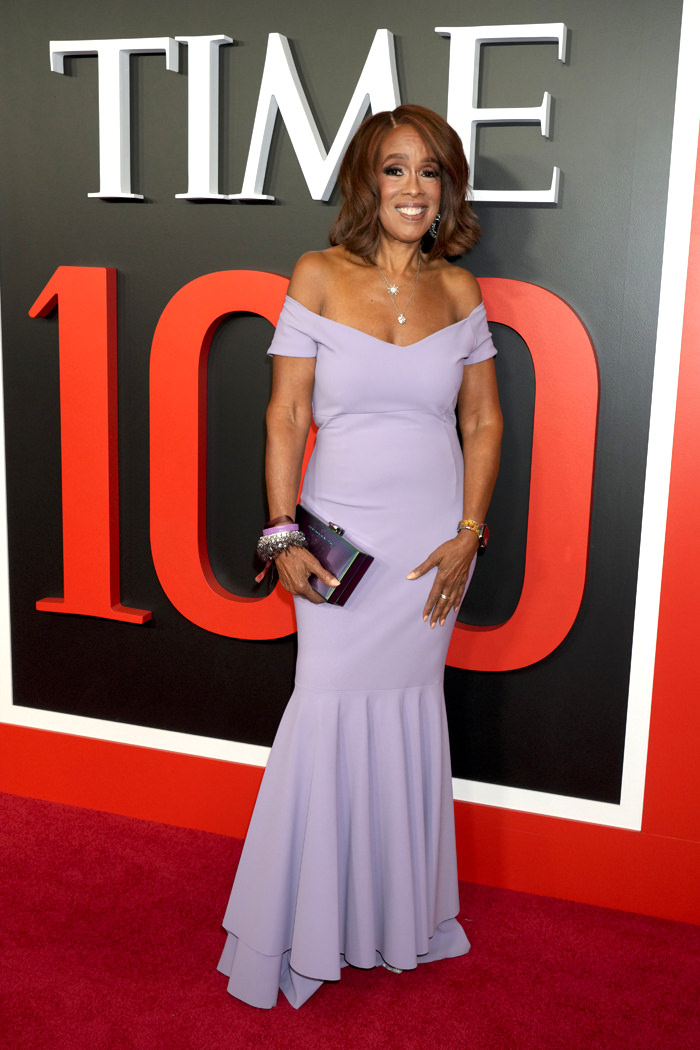
Rhea Seehorn’s choice of Lanvin was praised for its balance of elegance and eye-catching color. The garment was cited as an example of how to deviate from standard gala expectations without sacrificing sophistication. Similarly, Natasha Lyonne’s LaQuan Smith gown featured an "interesting" bra top, though some observers felt the execution bordered on "tacky," highlighting the fine line between edgy modernism and traditional gala decorum.
Supporting Data: The Economic and Social Impact of Red Carpet Fashion
The 2026 gala occurred during a period of significant growth for the "red carpet economy." According to market research, the "halo effect" of a celebrity wearing a specific designer to the TIME100 Gala can lead to a 15-20% increase in brand searches for that designer within 48 hours. Furthermore, the inclusion of emerging designers like Andrew Kwon (worn by Nikki Glaser) and Anna October (worn by Hilary Duff) alongside giants like Prada and Valentino underscores the gala’s role as a platform for both established and rising talent.
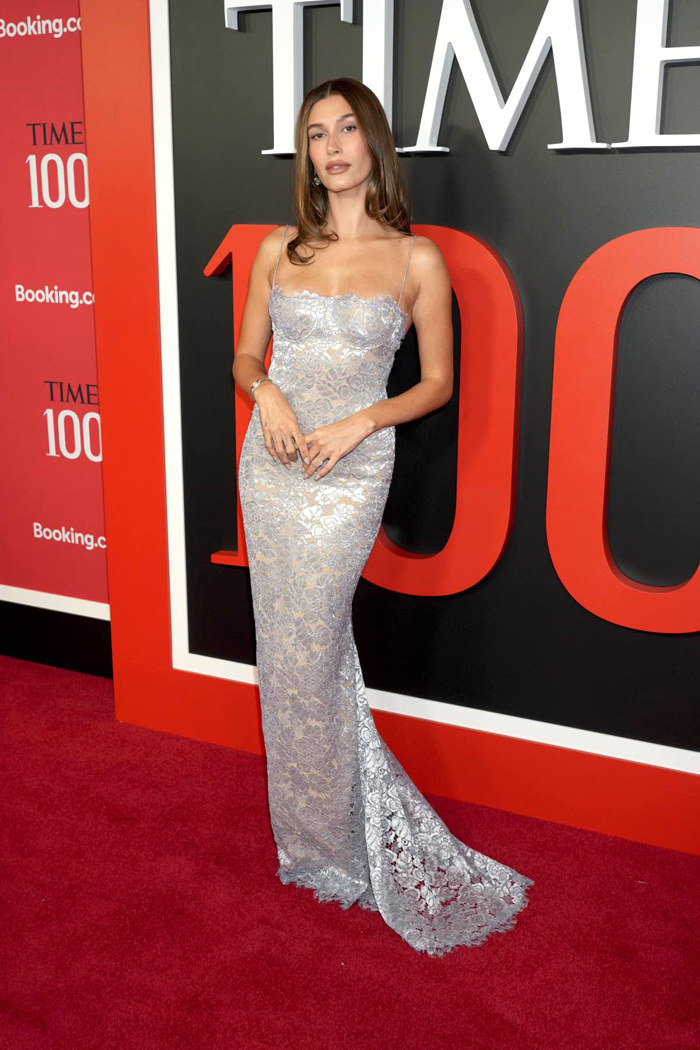
Nikki Glaser’s Andrew Kwon gown, described by some as having a "toilet paper" texture, nonetheless served as a major talking point, proving that even polarizing fashion choices generate significant engagement. In the attention economy of 2026, a controversial look is often more valuable to a brand than a safe one.
Official Responses and Broader Implications
While TIME magazine does not officially comment on the fashion choices of its guests, the organization emphasizes that the gala is a celebration of "the power of influence." In a statement released prior to the event, TIME’s editorial leadership noted that the 2026 list was one of the most diverse in its history, spanning 35 countries.
The broader implication of the 2026 red carpet is a movement toward "individualized branding." In an era where celebrities and influencers are brands unto themselves, their clothing choices at an event like the TIME100 Gala are meticulously curated to project a specific image of power, intellect, or creativity. The 2026 event demonstrated that while trends like capes and corsets still hold sway, the most successful attendees are those who use fashion to tell a coherent story about their place in the global hierarchy of influence.
As the evening concluded and the focus shifted from the red carpet to the internal discussions of the gala, the consensus among fashion analysts was that 2026 represented a year of transition. The industry is moving away from the "maximalism" of the early 2020s and toward a more refined, albeit occasionally retro, interpretation of what it means to look "influential" in the modern age.