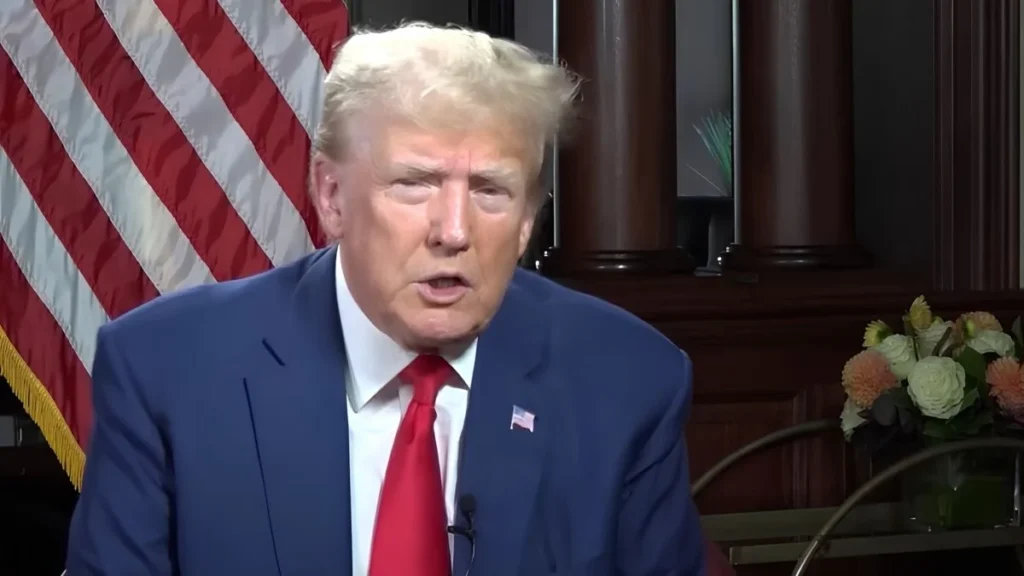

A new national poll from Quinnipiac University indicates that a significant majority of the American public harbors deep-seated reservations regarding the transparency of the White House concerning the physical and mental health of Donald Trump. Despite repeated assurances from the administration and the President himself that he remains in optimal condition for his duties, the survey reveals a widening gap between official statements and public perception. As the President navigates the complexities of his 80th year, the data suggests that more than half of the electorate believes the executive branch is withholding critical information about the Commander-in-Chief’s medical status.
The findings come at a time of heightened scrutiny following several public appearances where observers noted signs of fatigue and physical anomalies. According to the Quinnipiac University survey, 59% of respondents expressed doubt regarding the White House’s honesty about the President’s health. In contrast, only 34% of those surveyed believe the administration has been fully transparent. This discrepancy highlights a growing challenge for the White House communications team, which has consistently pushed back against rumors of decline.
Statistical Breakdown of Public Trust and Health Perception
The poll provides a granular look at how Americans view both the physical and cognitive aspects of the President’s health. Tim Malloy, a polling analyst at Quinnipiac University, noted that the skepticism is not confined to a single area of concern but is instead bifurcated across both mental and physical wellness. Malloy stated that on both fronts, approximately half of the voting population harbors significant concerns, with a clear majority feeling "kept in the dark" by the official narrative.
Regarding physical health, 50% of surveyed voters believe that Donald Trump does not possess the "perfect" physical condition he frequently claims in public statements and social media posts. Conversely, 46% of respondents stated they do not suspect any underlying bodily ailments. The narrow margin suggests a deeply polarized view of the President’s physical stamina, likely influenced by partisan affiliations and the visual evidence presented in recent media coverage.
The numbers regarding mental health are similarly divided. Approximately 51% of participants raised questions about the President’s mental fitness, while 46% agreed that he remains mentally healthy and capable of performing his duties. These figures represent a critical metric for any administration, as the perception of cognitive stability is often tied to voter confidence in national security and executive decision-making.
Chronology of Recent Events Fueling Health Speculation
The surge in public concern can be traced back to a series of specific incidents occurring over the late spring and early summer months. These events have provided fodder for both media speculation and public debate, creating a timeline that critics point to as evidence of a potential health decline.
On June 14, the President celebrated his 80th birthday, a milestone that naturally brought the issue of age-related health to the forefront of political discourse. While the administration characterized the President as energetic and focused, subsequent events appeared to tell a different story to some observers.
On June 16, shortly after his birthday, the President attended the UFC Freedom 250 event. During the high-profile sporting occasion, several photographs and video clips circulated on social media and news outlets appearing to show the President dozing off in his seat while the matches were underway. While supporters argued that the President was merely closing his eyes or reacting to the lighting, the imagery was widely interpreted by critics as a sign of exhaustion or diminished stamina.
Further speculation arose following the President’s international engagements. During the G7 Summit, photographers captured images of what appeared to be a crescent moon-shaped bruise on the President’s hand. This was followed by a meeting with the NATO Secretary General, where additional high-resolution photography revealed a purple scar or mark on his left hand. These visual cues led to unverified theories regarding the use of intravenous lines or medical treatments, with some observers suggesting that makeup had been applied to his hands to mask the discoloration.
Detailed Analysis of Visual Anomalies and Administration Responses
The focus on the President’s hands and his energy levels has become a focal point for medical commentators and political analysts alike. The presence of bruising, particularly in elderly patients, can be attributed to a variety of factors ranging from simple skin fragility to the use of blood-thinning medications. However, the lack of an official explanation from the White House medical team has allowed speculative theories to flourish.
The administration has remained steadfast in its denial of any health issues. Official spokespeople have characterized the reports of the President sleeping at the UFC event as "maliciously edited" or "misinterpreted," asserting that he remains more active than many men half his age. Regarding the bruises, the White House has largely dismissed the inquiries as intrusive and irrelevant, maintaining that the President’s annual physicals—conducted by the White House Physician—consistently show him to be in excellent health.
Despite these denials, the Quinnipiac poll suggests the "transparency gap" is widening. When only 34% of the public believes they are getting the full truth, the administration’s messaging strategy faces a credibility crisis. This is compounded by the fact that the President has historically placed a high value on projecting an image of strength and vitality, making any sign of weakness particularly damaging to his personal brand and political narrative.
Historical Context and Presidential Health Transparency
The current skepticism regarding President Trump’s health is not without historical precedent. The American public has a long history of questioning the health of its leaders, often with good reason. Historically, the White House has frequently prioritized political stability over full medical disclosure.
For instance, the true extent of Woodrow Wilson’s debilitating stroke in 1919 was kept from the public for months, with his wife and doctors managing the flow of information. Similarly, Franklin D. Roosevelt’s deteriorating heart condition during his 1944 re-election campaign was largely hidden from the electorate. In more recent history, the questions surrounding Ronald Reagan’s cognitive health during his second term and the secrecy involving John F. Kennedy’s Addison’s disease highlight a recurring theme in American politics: the tension between a President’s right to medical privacy and the public’s right to know the fitness of their leader.
In the modern era of high-definition cameras and 24-hour news cycles, maintaining such secrets has become increasingly difficult. The Quinnipiac poll reflects this new reality, where every gesture, mark, or moment of fatigue is captured, analyzed, and disseminated instantly. The public’s demand for transparency is higher than ever, and the traditional "trust us" approach of the White House medical office appears to be failing to meet that demand.
Broader Implications for National Stability and Future Elections
The perception of a President’s health has profound implications beyond mere public opinion. It affects international relations, market stability, and the legislative agenda. Allies and adversaries alike monitor the health of the U.S. President as a barometer of national stability. If the public perceives a lack of transparency, it can lead to a sense of unease that permeates the entire political system.
From a political standpoint, the 51% of voters questioning the President’s mental health could become a decisive factor in future electoral contests. In a polarized political environment, the "fitness for office" argument often serves as a powerful tool for opposition parties to sway independent and undecided voters. If the administration does not take steps to address these concerns through more robust and independent medical disclosures, the narrative of a "hidden health crisis" may continue to gain traction.
Furthermore, the poll results suggest that the American public is increasingly savvy about the ways in which political administrations manage information. The 59% of respondents who believe they are being kept in the dark indicate a sophisticated, if cynical, understanding of political communications. This skepticism may lead to calls for new protocols regarding presidential health disclosures, such as mandatory independent medical evaluations or more frequent and detailed public briefings by a non-partisan medical board.
Conclusion: The Path Forward for the Administration
As Donald Trump continues his term at age 80, the pressure for transparency is unlikely to diminish. The Quinnipiac University poll serves as a stark reminder that the administration’s current strategy of blanket denials and selective disclosures is not resonating with the majority of the American people. To restore public trust, the White House may need to consider a more open approach, providing clear explanations for visual anomalies and more comprehensive data regarding the President’s physical and cognitive assessments.
The debate over the President’s health is more than a matter of gossip or tabloid interest; it is a fundamental question of governance and the public’s right to be informed about the person holding the highest office in the land. As the timeline of his presidency moves forward, the intersection of aging, transparency, and public perception will undoubtedly remain one of the most significant and scrutinized aspects of his tenure. Whether the White House chooses to bridge the "trust gap" or continue with its current posture will have lasting effects on the President’s legacy and the stability of the executive branch.